

Considering dental implants in Hungary, particularly with a focus on Helvetic Clinics, offers a compelling option for many seeking high-quality tooth replacement solutions at a potentially lower cost than in countries like the United States. This guide provides an in-depth look at what to expect, comparing the benefits and considerations of choosing international dental care versus local options for dental implants in Dallas.
Key Takeaways
- Cost Savings: Dental implants in Hungary, including at clinics like Helvetic, are often significantly more affordable than in the US, primarily due to lower operating costs.
- High Standards: Hungarian dental clinics, especially those catering to international patients, typically adhere to stringent European Union dental and hygiene standards.
- Helvetic Clinics Reputation: Helvetic Clinics specifically are known for advanced technology, experienced multi-lingual staff, and comprehensive patient care.
- Travel and Logistics: Patients must factor in travel expenses, accommodation, and multiple visits when considering treatment abroad.
- Comprehensive Care: Many Hungarian clinics offer full-service treatment plans, from initial consultation to final restoration, often including diagnostic imaging.
- Post-Procedure Follow-up: Long-term follow-up care arrangements should be discussed thoroughly before committing to international treatment.
- Language Barrier: While many clinics offer English-speaking staff, language differences can still be a concern outside the clinic setting.
Why Consider Dental Implants in Hungary?
Many individuals explore dental implants in Hungary due to the perceived significant cost savings compared to prices in Western Europe or the United States. Hungarian clinics have established a strong reputation for offering high-quality dental care, often utilizing state-of-the-art technology and materials, while maintaining a more accessible price point for procedures like dental implants.
Hungary, particularly Budapest, has become a prominent destination for dental tourism, attracting patients from across the globe. Clinics there often invest in modern equipment and employ highly trained dental professionals. The appeal extends beyond just the cost; many patients report a positive overall experience, including efficient service and a pleasant travel experience. For those exploring comprehensive tooth replacement options, understanding this international alternative is crucial for informed decision-making.
Understanding Helvetic Clinics and Their Offering
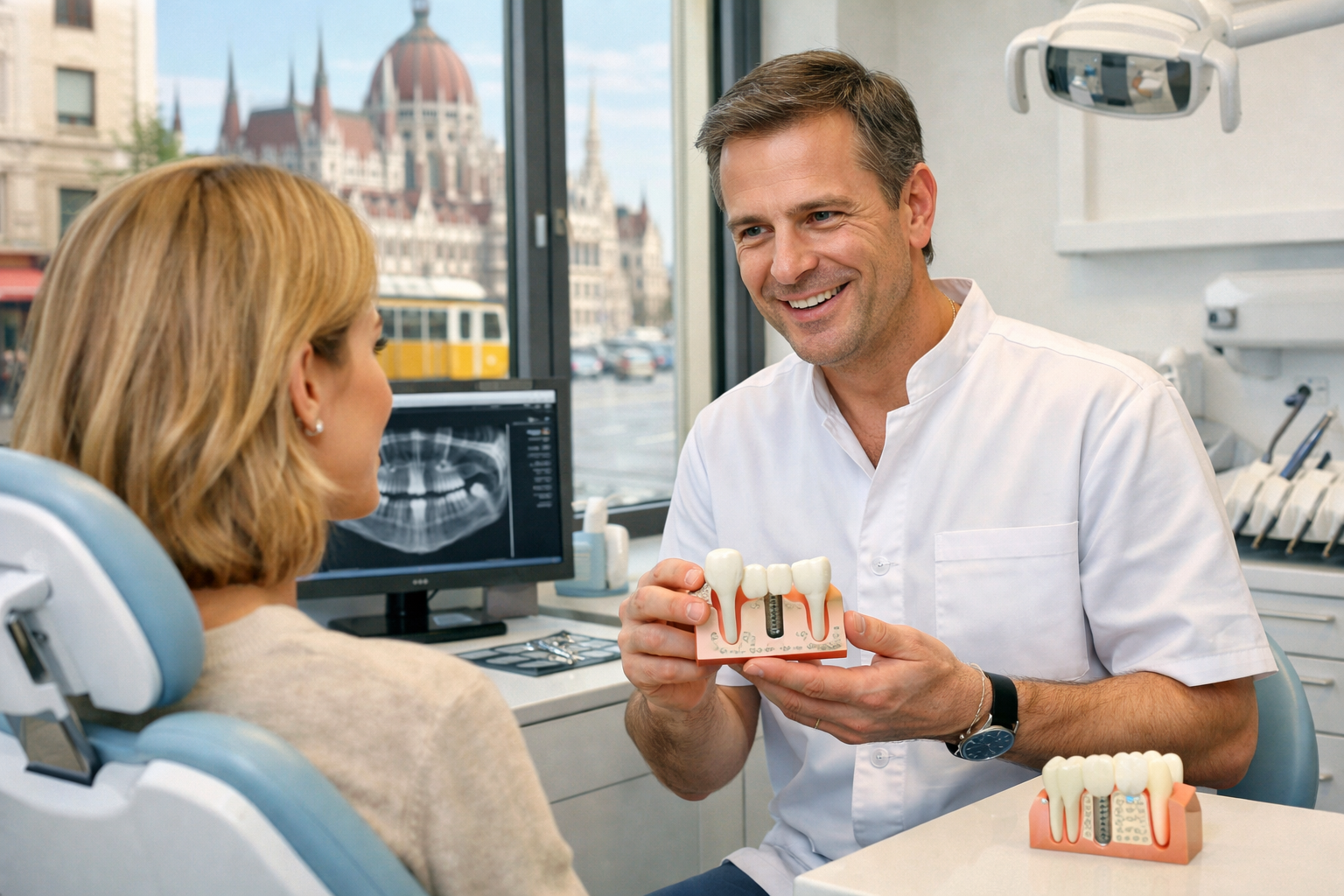
Helvetic Clinics represents a network of dental facilities, often highlighted for their specialized approach to complex dental treatments, including dental implants, in countries like Hungary. They aim to provide a premium patient experience, combining advanced dental technology with a focus on international patient care.
Helvetic Clinics often feature a multi-disciplinary team, including implantologists, oral surgeons, and prosthodontists, ensuring comprehensive care from diagnosis through to the final restoration. Their offerings typically include a range of dental implant solutions, from single tooth implants to full arch restorations like All-on-4 or All-on-6. Many clinics pride themselves on using high-quality implant brands and materials, similar to those found in top dental practices worldwide. When evaluating options, patients should inquire about the specific implant brands used, the experience of the dental team, and the full scope of services included in their treatment plan. This can significantly impact the long-term oral health and success of the implant.
Cost Comparison: Hungary vs. Dallas, TX
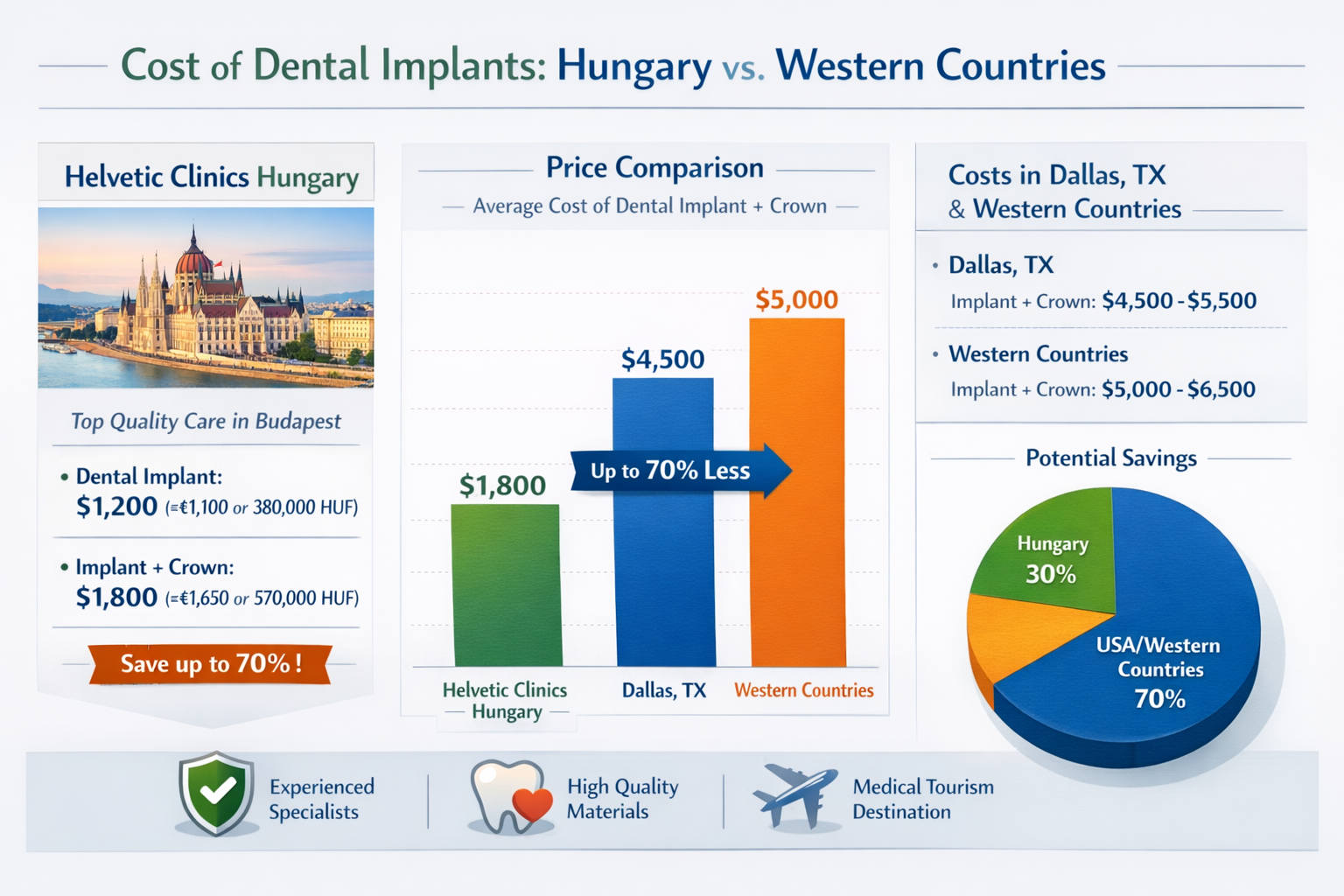
The cost of dental implants is a primary driver for many patients looking towards dental tourism, and Hungary consistently offers a more economical option compared to the United States, including Dallas, TX. While the exact figures can vary based on the complexity of the case and the clinic chosen, the savings can be substantial.
On average, a single dental implant procedure in Hungary, including the implant, abutment, and crown, might range from $1,500 to $3,000 USD in 2026. In contrast, the same procedure for dental implants in Dallas can typically range from $3,000 to $6,000 per tooth, often higher for more complex cases or premium materials. This difference stems largely from lower labor costs, overhead expenses, and malpractice insurance premiums in Hungary. However, it is essential to consider that these figures for Hungary do not include travel, accommodation, or potential follow-up costs. For a detailed breakdown of local expenses, refer to our Dallas Dental Implant Cost Guide 2025.
| Factor | Average Cost in Hungary (USD, 2026) | Average Cost in Dallas, TX (USD, 2026) | Notes |
|---|---|---|---|
| Single Implant | $1,500 – $3,000 | $3,000 – $6,000 | Includes implant, abutment, and crown. |
| All-on-4 | $7,000 – $12,000 | $15,000 – $30,000 | Full arch restoration. May vary by materials and complexity. |
| Bone Graft | $300 – $800 | $500 – $2,000 | If required for sufficient bone density. |
| Consultation | Often Free / Included | $100 – $300 | Initial assessment and treatment planning. |
| Travel/Lodging | Significant additional cost | Minimal (local) | Must be factored into total budget for international travel. |
These figures are estimates and can vary based on clinic, materials, and individual patient needs.
The Dental Implant Procedure: What to Expect
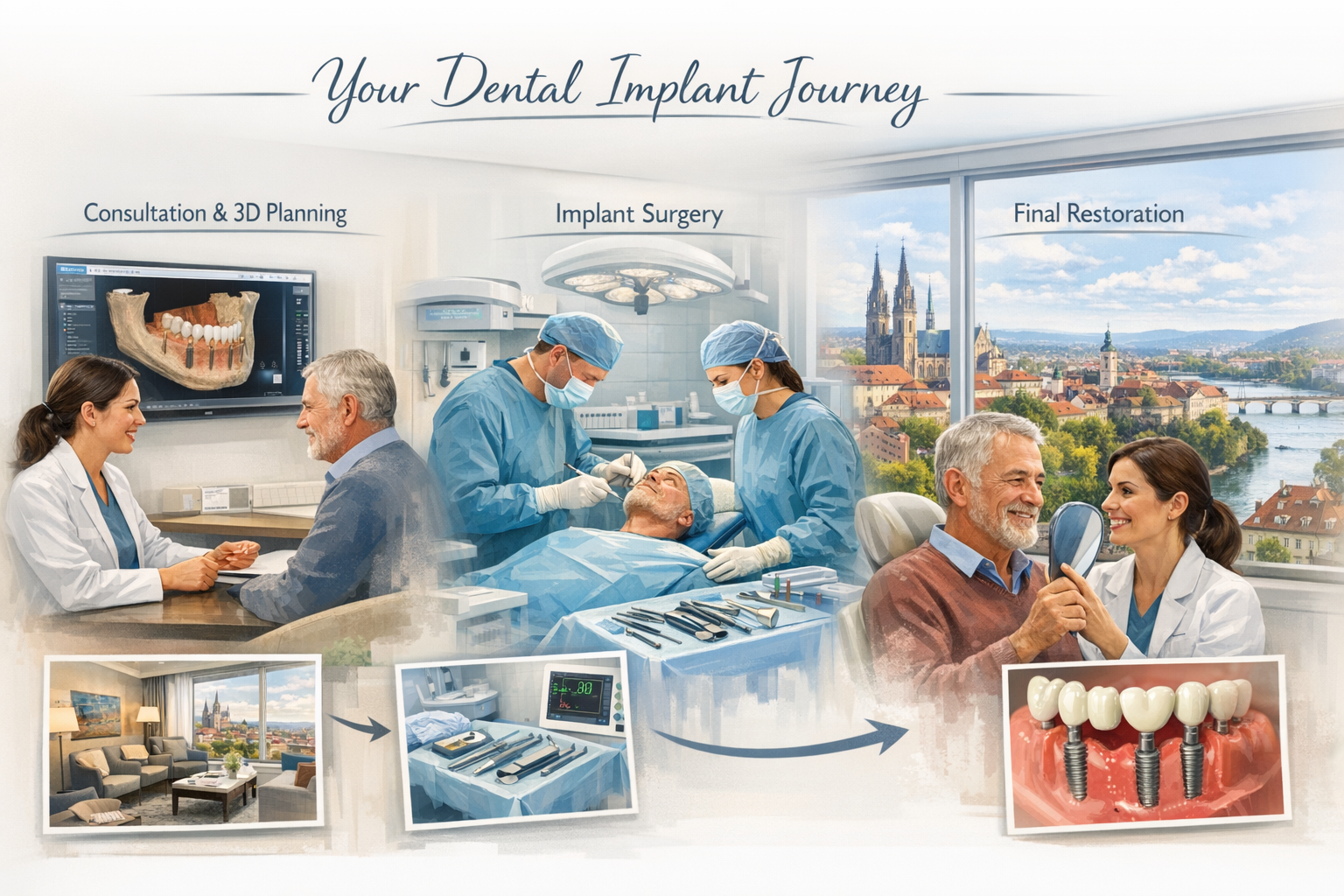
The dental implant procedure, whether performed in Hungary or Dallas, TX, generally follows a standardized multi-step process designed to ensure patient safety and optimal long-term oral health. This process typically involves an initial consultation, surgical placement of the implant, a healing period, and finally, the attachment of the prosthetic tooth.
- Initial Consultation and Planning: This first step involves a comprehensive examination, including X-rays and 3D scans, to assess bone density and overall oral health. The dentist will create a personalized treatment plan. Many clinics, including Helvetic Clinics, utilize advanced 3D guided dental implant surgery for enhanced precision.
- Implant Placement Surgery: The dental implant, a small titanium post, is surgically placed into the jawbone where the missing tooth was. This is typically done under local anesthesia, with sedation options available for patient comfort.
- Osseointegration (Healing Period): After placement, the implant needs several months to integrate with the jawbone. This process, called osseointegration, is crucial for the stability of the implant.
- Abutment Placement: Once the implant has fully fused with the bone, a small connector piece called an abutment is attached to the implant. This piece will support the new crown.
- Crown Placement: Impressions are taken to create a custom-made crown, bridge, or denture that matches the natural teeth. Once fabricated, this prosthetic tooth is securely attached to the abutment, completing the restoration.
Throughout this process, patient safety is paramount. Clinics should follow strict sterilization protocols and offer clear post-operative care instructions. Understanding each stage helps patients prepare for their journey to a restored smile. For more on the procedural steps, consider reviewing resources on the implant surgery process.
Navigating Travel and Logistics for Dental Tourism
Embarking on dental tourism for dental implants in Hungary requires careful planning beyond just the dental procedure itself. Patients must consider the logistics of travel, accommodation, and the duration of their stay to ensure a smooth and stress-free experience.
Typically, the dental implant process involves at least two visits, sometimes three, spread over several months to allow for adequate healing between stages. The initial visit might involve the consultation and implant placement, lasting a few days to a week. After the osseointegration period (3-6 months), a second visit will be necessary for abutment and crown placement. This often means returning to Hungary for another week-long stay. When planning, patients should account for:
- Flights and Transportation: Booking flights well in advance can secure better rates. Research local transportation options from the airport to the clinic and accommodation.
- Accommodation: Many clinics offer assistance with finding hotels or apartments. Consider proximity to the clinic and local amenities.
- Visa Requirements: Verify if a visa is needed for travel to Hungary based on nationality.
- Language: While clinics serving international patients often have English-speaking staff, having a translation app or basic Hungarian phrases can be helpful for interactions outside the clinic.
- Emergency Plans: Understand the local emergency medical services and ensure travel insurance covers unexpected health issues.
Careful planning minimizes stress and allows patients to focus on their treatment and recovery.
Quality of Care and Accreditation
The quality of care for dental implants in Hungary is a significant concern for international patients, and many clinics, including Helvetic Clinics, strive to meet or exceed European standards. Hungary’s dental schools are highly regarded, and dentists often pursue advanced training and certifications.
Reputable clinics in Hungary typically adhere to strict hygiene protocols and utilize modern diagnostic tools and treatment techniques. They often showcase international accreditations or affiliations with dental organizations, which can provide an additional layer of assurance regarding their standards. Patients should always research the clinic’s credentials, read patient reviews, and ask direct questions about the qualifications and experience of the dental team, particularly the implantologist performing the surgery. It’s also wise to inquire about the types of dental implant brands used, as reputable brands often come with warranties and a proven track record. For comparisons on implant warranties, see our guide on Dental Implant Warranties in Dallas Clinics 2026.
Potential Downsides and Considerations
While seeking dental implants in Hungary can offer significant cost advantages, it is important for patients to be aware of potential downsides and unique considerations before making a decision. These factors can impact the overall experience and long-term success of the treatment.
- Distance and Multiple Visits: The necessity for multiple trips can accumulate travel costs and time away from work or family, potentially offsetting some of the initial savings.
- Follow-up Care: Arranging long-term follow-up and maintenance care can be challenging. While many international clinics offer guarantees, local support for unexpected issues or routine check-ups might be limited, requiring patients to rely on local dentists in Dallas who may not be familiar with the original treatment.
- Communication Barriers: Despite many clinics having English-speaking staff, nuances in communication or cultural differences can sometimes lead to misunderstandings.
- Insurance Coverage: Most US dental insurance plans do not cover procedures performed abroad. Patients should verify their coverage directly with their provider.
- Unfamiliarity with Local Regulations: Understanding patient rights or complaint procedures in a foreign country can be complex.
- Unexpected Complications: While rare, complications can occur with any surgical procedure. Addressing these from a distance can add stress, cost, and time.
Careful consideration of these points, alongside thorough research and communication with the chosen clinic, is essential for a positive outcome.
Conclusion
Choosing where to undergo a dental implant procedure, particularly between local options like dental implants in Dallas and international destinations such as Hungary and Helvetic Clinics, requires careful evaluation of various factors. While the cost savings in Hungary can be attractive, patients must weigh these against the complexities of travel, potential follow-up care challenges, and logistical considerations.
For residents of Dallas, TX, prioritizing consultation with a dentist locally to understand all tooth replacement options and their associated costs, benefits, and risks is a crucial first step. Whether you ultimately choose to pursue dental implants in Hungary or closer to home, informed decision-making and patient safety should always be at the forefront. Exploring reputable clinics, understanding the full scope of treatment, and planning for both the procedure and post-operative care are essential for achieving the long-term oral health benefits that dental implants offer.
Related Reading
- 2026 Dallas Dental Implant Cost Update: Single Tooth to Full Mouth Pricing
- Top Dallas Dental Implant Clinics 2026: Reviews, Success Rate
- Dental Implants After Tooth Extraction Dallas: Timing, Costs
- Bone Graft Costs for Dental Implants in Dallas: When You Need It and Pricing 2026
- Dallas Dental Implants HSA/FSA Eligible Expenses 2026: Full Guide to Using Pre-Tax Dollars
FAQ
Is it safe to get dental implants in Hungary?
Yes, reputable dental clinics in Hungary, including those like Helvetic Clinics, generally adhere to high European Union dental and hygiene standards, making it a safe option for dental procedures. Patients should always research specific clinic accreditations and dentist qualifications.
How much cheaper are dental implants in Hungary compared to the US?
Dental implants in Hungary can be 50-70% cheaper than in the United States. For example, a single implant might cost $1,500-$3,000 in Hungary compared to $3,000-$6,000 in Dallas, TX, not including travel expenses.
Do Helvetic Clinics offer comprehensive dental implant solutions?
Yes, Helvetic Clinics are known for offering comprehensive dental implant solutions, ranging from single tooth implants to full arch restorations, often using advanced technology and experienced multi-disciplinary teams.
What should I consider before traveling to Hungary for dental implants?
Consider travel costs, accommodation, the need for multiple visits, potential language barriers, and how to manage follow-up care once you return home. Researching your chosen clinic thoroughly is also vital.
Will my dental insurance cover implants performed in Hungary?
Most US dental insurance plans typically do not cover procedures performed outside the country. It is crucial to verify your specific coverage directly with your insurance provider before making any commitments.
How long does the dental implant process take if done in Hungary?
The full dental implant process, including healing time, typically takes 3-9 months and usually requires at least two separate visits to Hungary, spaced several months apart. Each visit can last from a few days to a week.
What kind of follow-up care is needed after dental implants?
After receiving dental implants, routine dental check-ups, good oral hygiene practices, and occasional adjustments may be necessary. Patients should discuss long-term follow-up plans with both their treating dentist in Hungary and their local dentist in Dallas.
Leave a Reply
Share your thoughts or ask a question about dental implants. Your email address will not be published.