

When the temperatures drop, many people wonder, “Can implant feel sensitive in cold weather?” It’s a common question, especially for those who have invested in tooth replacement options like dental implants in Dallas. While dental implants themselves are made of biocompatible materials like titanium and lack nerves, meaning they cannot directly feel temperature changes, the surrounding oral tissues can indeed react to cold. Understanding why this happens and how to manage it is key to maintaining long-term oral health and comfort.
Key Takeaways
- Dental implants themselves do not have nerves and cannot directly feel cold or other sensations.
- Any sensitivity experienced in cold weather typically originates from the surrounding gum tissue, jawbone, or adjacent natural teeth.
- Cold weather can cause gum tissue to contract, leading to a feeling of tightness or heightened awareness around the implant site.
- Dry mouth, common in winter due to cold outdoor air and indoor heating, can exacerbate oral sensitivity and impact overall oral health.
- Sensitivity might also signal underlying issues like peri-implantitis, gum recession, or problems with adjacent teeth.
- Maintaining excellent oral hygiene, staying hydrated, and protecting your mouth from cold air are crucial preventive measures.
- Persistent or severe sensitivity warrants a consultation with your dental implant specialist in Dallas for proper diagnosis.
- Winter can actually be a beneficial time for dental implant surgery due to potentially improved healing conditions.
Quick Answer: Can Implant Feel Sensitive in Cold Weather?
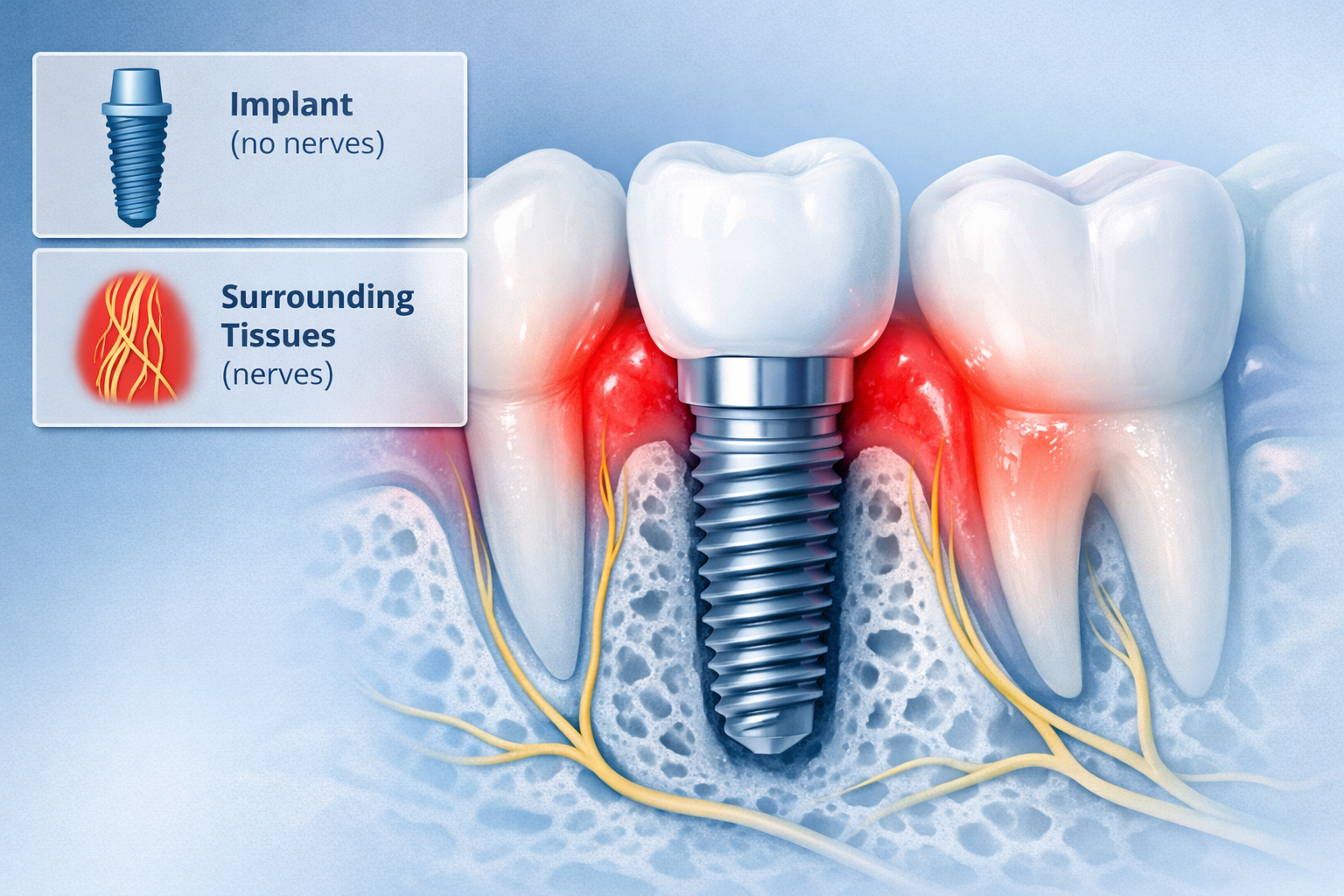
While a dental implant itself cannot feel sensitive to cold because it contains no nerves, you might experience sensitivity in the area around your implant during cold weather. This discomfort typically stems from the surrounding gum tissue, jawbone, or adjacent natural teeth, which do have nerve endings and can react to temperature changes or other stimuli [1, 2]. This sensation is usually temporary and often manageable with simple care.
Why Do Dental Implants Seem Sensitive to Cold?
The perception that a dental implant feels sensitive to cold weather is common, but it’s important to understand the actual physiological mechanisms at play. The dental implant itself, typically made of titanium, is a bio-inert material that integrates directly with the jawbone. Unlike natural teeth, which have a pulp containing nerves and blood vessels, implants are non-vital and therefore cannot directly register temperature or pain [1, 2].
However, the human mouth is a complex environment, and discomfort around an implant can arise from several sources that react to cold:
- Gum Tissue Contraction: Cold air or liquids can cause the delicate gum tissue surrounding the implant to contract slightly [1, 5]. This contraction can make the area feel tighter, more noticeable, or even mildly uncomfortable. It’s a natural bodily response and typically not a sign of a problem with the implant itself. Think of it like how your skin feels taut in cold weather.
- Adjacent Natural Teeth: Often, sensitivity perceived near an implant actually originates from a neighboring natural tooth. These teeth still have nerves and can develop sensitivity due to various factors, including gum recession exposing the root, cavities, or even cracks [2, 4]. When you feel cold, this adjacent tooth might react, and the sensation can be difficult to localize precisely, leading you to believe the implant is sensitive.
- Jawbone and Supporting Structures: While the implant is integrated into the bone, the bone itself and the periosteum (the membrane covering the bone) contain nerves. Extreme cold could potentially affect these deeper tissues, though this is less common for routine cold exposure.
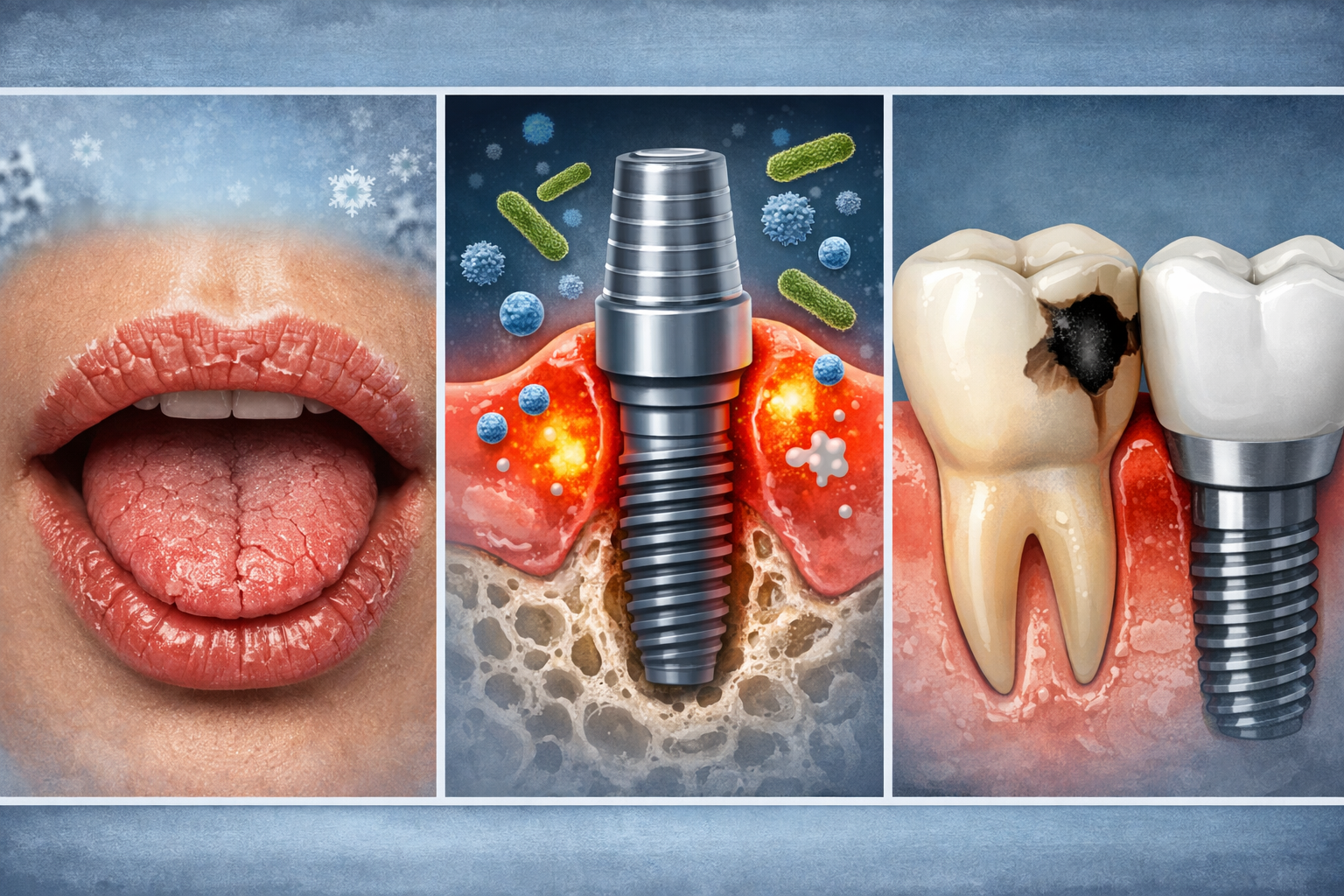
- Dry Mouth (Xerostomia): Cold winter air, combined with indoor heating systems, significantly reduces humidity, leading to dry mouth [1]. Saliva plays a crucial role in protecting teeth and gums, washing away bacteria, and neutralizing acids. A lack of saliva can make oral tissues more vulnerable and sensitive, amplifying any discomfort felt around implants or natural teeth.
- Healing Process: If you recently underwent implant surgery, especially within the last few months, your tissues are still healing. During this period, the area might be more responsive to external stimuli like cold, even if the implant itself isn’t “feeling” anything. The osseointegration process, where the implant fuses with the bone, takes time. For more information on recovery, see our guide on Dental Implant Recovery Complications Dallas.
It’s important to differentiate between temporary, mild discomfort and persistent, sharp pain. Mild and temporary sensitivity in cold weather is generally normal and not a cause for alarm. However, if you experience significant or lasting pain, it’s crucial to consult your dental professional.
What Causes Sensitivity Near an Implant in Cold Weather?
Sensitivity near a dental implant in cold weather is typically a secondary effect, not a direct sensation from the implant itself. It arises from the response of the surrounding tissues or from other oral health issues exacerbated by cold. Understanding these potential causes is vital for effective management and knowing when to seek professional advice from a dentist offering dental implants in Dallas.
Here are the primary factors that can lead to perceived sensitivity:
- Gum Recession: If the gum tissue around an implant recedes, it can expose the top portion of the implant or even the underlying bone slightly. While the implant itself won’t feel sensitive, the exposed gum line or root surfaces of adjacent natural teeth can become highly sensitive to cold air or liquids [2]. Gum recession can be caused by aggressive brushing, gum disease, or even natural aging.
- Peri-implantitis: This is a serious inflammatory condition affecting the gum and bone tissues around a dental implant [2]. It’s similar to periodontal disease around natural teeth. Cold weather might not directly cause peri-implantitis, but the associated dry mouth and potential changes in oral flora can worsen existing inflammation, leading to discomfort or sensitivity. Symptoms often include redness, swelling, bleeding, and tenderness around the implant, which can feel more pronounced in cold conditions. Regular follow-ups with your specialist are crucial to prevent this; you can learn more about this in our guide on Dental Implant Specialist Follow Up Dallas 2026.
- Problems with Adjacent Teeth: As mentioned, a natural tooth next to an implant can be the true source of cold sensitivity [2]. This could be due to:
- Cavities: Decay in an adjacent tooth can expose the inner dentin, leading to sharp sensitivity with cold exposure.
- Cracked Teeth: A hairline crack in a nearby tooth can also cause significant sensitivity to temperature changes.
- Old Fillings: Deteriorating or leaky fillings can allow cold to reach the tooth’s nerve.
- Bruxism (Teeth Grinding): Chronic grinding can wear down enamel, making teeth more sensitive. If you suspect you grind your teeth, consider if a dental implant night guard might be beneficial.
- Sinus Issues: For upper jaw implants, particularly in the molar region, proximity to the sinus cavity can sometimes lead to referred pain or pressure. Cold weather can trigger sinus congestion or infections, and this discomfort might be felt around the implant area.
- Nerve Damage or Improper Placement: In very rare cases, if an implant was placed too close to a nerve during the initial implant surgery process, it could lead to nerve irritation and a range of symptoms, including sensitivity. However, this is usually identified much earlier in the healing process and is not specifically tied to cold weather [2]. Careful planning and consultation with a dentist are crucial to avoid such complications.
Decision Rule: If the sensitivity is mild, temporary, and only occurs with direct cold exposure (like breathing in cold air), it’s likely a normal tissue response. If the sensitivity is sharp, persistent, accompanied by swelling, redness, or lasts longer than a few minutes after cold exposure, it warrants immediate professional evaluation by your implant dentist.
How to Prevent and Manage Cold Sensitivity Around Dental Implants in 2026
Managing and preventing sensitivity around your dental implants, especially during the colder months of 2026, involves a combination of good oral hygiene, environmental adjustments, and mindful practices. These steps are crucial for maintaining your long-term oral health and comfort, particularly for those with dental implants in Dallas.
Here are actionable strategies to prevent and alleviate cold sensitivity:
1. Protect Your Mouth from Cold Air
- Cover Up Outdoors: When heading out into cold weather, especially on windy days, cover your mouth and nose with a scarf or high collar [1]. This acts as a physical barrier, warming the air you breathe before it reaches your oral tissues and preventing direct cold exposure to your teeth and gums [6].
- Breathe Through Your Nose: Whenever possible, try to breathe through your nose instead of your mouth when outdoors. Nasal breathing naturally warms and humidifies the air, reducing the impact of cold, dry air on your oral cavity [4].
2. Maintain Excellent Oral Hygiene
- Gentle Brushing: Use a soft-bristled toothbrush and brush gently twice a day [1]. Aggressive brushing can contribute to gum recession, exposing sensitive areas. Pay special attention to the gum line around your implants and natural teeth.
- Daily Flossing: Floss daily to remove plaque and food debris from between your teeth and around your implants [1]. This prevents gum inflammation and peri-implantitis, which can heighten sensitivity. Specialized implant floss or interdental brushes may be recommended by your dentist.
- Antiseptic Mouthwash: Your dentist might recommend a non-alcoholic antiseptic mouthwash, especially if you have a history of gum inflammation. This can help reduce bacteria and maintain a healthy oral environment.
- Avoid Extremes: Try to avoid extremely hot or cold foods and beverages, as these can trigger sensitivity [1]. Allow hot drinks to cool slightly and cold drinks to warm a bit before consuming.
3. Combat Dry Mouth
- Stay Hydrated: Drink plenty of water throughout the day, especially in winter [1]. Water helps keep your mouth moist and supports saliva production.
- Use a Humidifier: Running a humidifier in your home, particularly in your bedroom at night, can significantly increase indoor air humidity and alleviate dry mouth symptoms [1]. This is especially helpful in Dallas, where indoor heating can dry out the air considerably.
- Saliva Substitutes: If you suffer from chronic dry mouth, speak to your dentist about over-the-counter or prescription saliva substitutes, gels, or sprays that can provide moisture and comfort.
- Limit Caffeine and Alcohol: Both caffeine and alcohol can contribute to dehydration and dry mouth, so consider limiting their intake, particularly in colder weather [1].
4. Regular Dental Check-ups
- Schedule Routine Visits: Regular dental check-ups and cleanings are paramount for individuals with dental implants [1]. Your dentist can monitor the health of your implants, gums, and adjacent teeth, catching any potential issues like peri-implantitis or cavities early [7].
- Report Any Concerns: If you experience any persistent or worsening sensitivity, don’t hesitate to contact your dental implant specialist. They can accurately diagnose the source of the problem and recommend appropriate treatment [2]. This is crucial for long-term oral health and the success of your tooth replacement options.
By integrating these practices into your daily routine, you can significantly reduce the likelihood of experiencing cold sensitivity around your dental implants in 2026 and ensure your smile remains healthy and comfortable throughout the year. For those considering dental implants, a consultation with a dentist specializing in implant surgery process can address any concerns about comfort and long-term care.
Is Cold Weather Actually Good for Dental Implant Surgery?
While immediate cold sensitivity can be a concern for some, cold weather itself, specifically winter, can paradoxically offer some unique advantages for those undergoing dental implant surgery in Dallas, TX. This might seem counterintuitive, but several factors contribute to winter being a potentially favorable time for a dental implant procedure [3].
Here’s why cold weather can be beneficial for dental implant surgery:
- Reduced Swelling and Inflammation: Lower ambient temperatures can naturally help reduce post-operative swelling and inflammation [3]. Cold acts as a vasoconstrictor, meaning it narrows blood vessels, which can minimize blood flow to the surgical site and lessen bruising and swelling. This can contribute to a more comfortable recovery.
- Less Risk of Infection: Winter months often see a decrease in outdoor activities and gardening, which can reduce exposure to environmental irritants and allergens that might otherwise complicate healing. While not a direct medical advantage, it can mean a more controlled healing environment for patients.
- Improved Healing Efficiency: Some studies suggest that the combination of lower temperatures and possibly lower humidity (though indoor heating can counteract this) might create an environment conducive to more efficient healing processes [3]. The body’s natural response to colder temperatures can sometimes enhance recovery.
- Scheduling Convenience: For many, the winter months, particularly after the holiday season, present a more convenient time for elective procedures like dental implant surgery. People might have more time off work or a less hectic social schedule, allowing them to dedicate ample time to recovery. Planning for implant surgery during this period can align well with a patient’s need for rest and recuperation, critical for successful osseointegration.
- Pre-Summer Readiness: Opting for dental implant placement in winter means you’ll be well into your healing and potentially have your final restoration by spring or early summer. This allows you to enjoy warm-weather activities, travel, and social events with a fully restored smile without worrying about the dental implant healing process.
Consideration: While these benefits are notable, patient safety and individual healing capabilities remain the most important factors. A skilled dental professional will always determine the best time for implant surgery based on a comprehensive assessment of your oral health, regardless of the season. If you’re exploring missing teeth solutions, a consultation with a dentist in Dallas can help you plan your dental implant journey, including the ideal timing.
When Should You See a Dentist for Cold Sensitivity Around Your Implant?
While some mild, temporary sensitivity to cold around a dental implant can be normal, certain symptoms warrant a professional evaluation. It’s crucial to consult your dental implant specialist in Dallas rather than a general dentist if you experience persistent or concerning sensitivity, as they have the specialized knowledge of the implant surgery process and long-term care [2].
You should schedule an appointment if you experience any of the following:
- Persistent or Worsening Sensitivity: If the sensitivity doesn’t subside after a few minutes of cold exposure, or if it seems to be getting worse over time, it’s a sign that something might be amiss.
- Sharp, Shooting Pain: Unlike a dull ache or generalized awareness, sharp, stabbing pain localized to the implant area with cold suggests a more significant issue.
- Sensitivity to Hot and Cold: While this article focuses on cold, sensitivity to both hot and cold can indicate deeper problems with an adjacent tooth, such as a large cavity or nerve inflammation, or even peri-implantitis affecting the soft tissues around the implant.
- Swelling, Redness, or Bleeding Gums: These are classic signs of inflammation or infection, such as peri-implantitis, around the implant site [2]. If you notice your gums around the implant are tender, swollen, red, or bleed easily when brushing, seek immediate attention.
- Bad Taste or Odor: A persistent bad taste in your mouth or noticeable bad breath from dental implants can signal an infection, particularly if it’s localized around the implant [2].
- Loose-Feeling Implant or Abutment: While rare, if your implant or the crown attached to it feels loose or wobbly, this is a serious concern and requires urgent professional assessment.
- Pain Upon Biting or Chewing: If you experience discomfort when biting down, it could indicate an issue with the implant itself, the crown, or the surrounding bone.
- Visible Changes to Gum Line: If you notice significant gum recession around your implant, exposing more of the metal or ceramic, this warrants evaluation.
Why See an Implant Specialist? Your implant specialist has detailed records of your dental implant procedure, including X-rays and surgical notes, making them best equipped to diagnose issues related to the implant and its integration with the bone [2]. They can determine if the sensitivity is a minor tissue irritation, an issue with the implant components, or a problem with an adjacent tooth. Prompt action can prevent minor issues from becoming major complications, protecting your investment in tooth replacement options.
Potential Complications If Cold Sensitivity is Ignored

Ignoring persistent or severe cold sensitivity around a dental implant can lead to more serious oral health issues, potentially jeopardizing the implant’s longevity and your overall well-being. While mild, temporary sensitivity is usually benign, problematic sensations require timely professional intervention.
Here are the potential complications if concerning cold sensitivity is left unaddressed:
- Progression of Peri-implantitis: If the sensitivity is due to early-stage peri-implantitis, ignoring it allows the inflammation to spread. This can lead to significant bone loss around the implant, ultimately causing implant mobility and even failure [2]. Untreated peri-implantitis is one of the leading causes of dental implant failure.
- Worsening of Adjacent Tooth Problems: If the cold sensitivity originates from a neighboring natural tooth with a cavity or crack, neglecting it will allow the decay to progress or the crack to deepen. This could lead to a more extensive cavity, root canal therapy, or even the loss of the natural tooth.
- Delayed Diagnosis of Implant Issues: Sensitivity could be an early indicator of a mechanical issue with the implant, such as a loose abutment (the connector between the implant and the crown) or a fractured crown. Ignoring these signs can lead to further damage to the implant components or the implant itself, requiring more complex and costly repairs.
- Chronic Discomfort and Reduced Quality of Life: Persistent pain and sensitivity, even if not immediately indicative of a severe problem, can significantly impact your daily life. It can make eating, drinking, and even speaking uncomfortable, reducing your enjoyment of life and overall oral health.
- Increased Treatment Complexity and Cost: Addressing issues early is almost always less invasive and less expensive. If a problem like peri-implantitis or an adjacent tooth cavity is allowed to advance, the necessary treatment (e.g., advanced gum therapy, bone grafting, implant removal and replacement) will be more complex and costly [2]. For insights into typical costs, you can explore resources like our [Full Mouth Dental Implants Cost Dallas 2025](https://dallasdentalimplantcost.com/full-mouth-dental-implant s-cost-dallas/).
- Compromised Oral Health Education: Ignoring symptoms means missing an opportunity to learn more about your oral health needs and specific care for your dental implants. Regular consultations are part of patient safety and long-term oral health.
Preventive Action: The best approach is proactive care. If you experience persistent or worrying cold sensitivity around your dental implants, particularly in Dallas, TX, contact your dental professional without delay. Early diagnosis and treatment are critical for preserving your dental implants and maintaining a healthy, comfortable smile.
FAQ: Can Implant Feel Sensitive in Cold Weather?
Q1: Can a dental implant itself feel cold?
A1: No, a dental implant itself cannot feel cold because it is made of metal (typically titanium) and does not contain nerves [1, 2]. Any sensation of cold comes from the surrounding gum tissue, bone, or adjacent natural teeth.
Q2: Is it normal for the area around an implant to feel sensitive in winter?
A2: Mild, temporary sensitivity or a feeling of tightness around the implant area in cold weather can be normal due to the contraction of gum tissue and exposure to dry, cold air [1, 5].
Q3: What should I do if my implant area feels sensitive to cold?
A3: Try covering your mouth when outdoors, breathing through your nose, staying hydrated, and maintaining excellent oral hygiene. If sensitivity persists or is severe, consult your dental implant specialist [1, 2].
Q4: Could cold sensitivity indicate an implant problem?
A4: While often harmless, persistent, sharp pain, swelling, redness, or bleeding accompanying cold sensitivity could indicate issues like peri-implantitis, gum recession, or problems with adjacent teeth. These symptoms warrant a professional evaluation [2].
Q5: How can dry mouth in winter affect implant sensitivity?
A5: Cold indoor and outdoor air can lead to dry mouth, reducing protective saliva. This can make oral tissues more vulnerable and sensitive, amplifying any discomfort felt around implants or natural teeth [1].
Q6: Can cavities in adjacent teeth cause perceived implant sensitivity?
A6: Yes, a cavity or other issue in a natural tooth next to an implant can cause sensitivity to cold. The brain may misinterpret the source of the pain, making it seem like the implant is sensitive [2].
Q7: Is winter a good time for dental implant surgery?
A7: Winter can be a good time for dental implant surgery, as cooler temperatures may help reduce post-operative swelling and inflammation, and scheduling might be more convenient for patients [3].
Q8: Does covering my mouth help with implant sensitivity in cold weather?
A8: Yes, covering your mouth with a scarf or high collar when outdoors can warm the air you breathe and protect your oral tissues from direct cold exposure, reducing sensitivity [1, 6].
Q9: Should I use a special toothpaste for cold sensitivity around my implant?
A9: If sensitivity is from an adjacent natural tooth, a desensitizing toothpaste might help. However, for sensitivity around the implant, it’s best to consult your implant specialist first to determine the underlying cause [2].
Q10: How do I choose a dental implant dentist in Dallas for these concerns?
A10: Look for a dentist specializing in dental implants with experience in diagnosing and treating post-procedure concerns. They should offer comprehensive oral health education and be committed to patient safety. Our guide on How to Choose a Dental Implant Dentist Near You can provide further assistance.
Conclusion
Understanding why you might experience sensitivity around your dental implant in cold weather is key to distinguishing between normal physiological responses and potential concerns. While the dental implant itself is incapable of feeling cold due to its lack of nerves, the surrounding gum tissue, jawbone, and adjacent natural teeth are highly responsive to temperature changes. Factors like gum contraction, dry mouth, or issues with neighboring teeth are often the true source of this discomfort.
For those in Dallas, TX, maintaining excellent oral hygiene, protecting your mouth from cold, and staying hydrated are fundamental steps to ensure comfort and long-term oral health. If you experience persistent, sharp, or accompanied by symptoms like swelling or redness, it’s crucial to consult your dental implant specialist. Early intervention not only ensures patient safety but also preserves the integrity of your missing teeth solutions and protects your investment in dental implants. Prioritizing regular dental check-ups and being proactive about any unusual sensations will help you enjoy a comfortable, healthy smile for years to come.
References
[1] Winter Oral Care For Dental Implants – https://www.brunnercourtdentalpractice.co.uk/2024/12/01/winter-oral-care-for-dental-implants/
[2] Can Dental Implants Cause Sensitivity To Cold Temperatures – https://www.espiredental.com/blog/can-dental-implants-cause-sensitivity-to-cold-temperatures
[3] The Best Time For Dental Implants A Seasonal Perspective – https://www.moorheaddentalassociates.com/the-best-time-for-dental-implants-a-seasonal-perspective/
[4] The Effects Of Cold Weather On Teeth And Oral Health – https://www.yorkshiredentalsuite.co.uk/in-the-news/the-effects-of-cold-weather-on-teeth-and-oral-health/
[5] Cold Weather Implant Sensitivity – https://www.ahgcdental.com/blog/cold-weather-implant-sensitivity/
[6] How To Protect Your Teeth And Gums During Cold Weather – https://abgdental.net/how-to-protect-your-teeth-and-gums-during-cold-weather/
[7] February Oral Health New York Dental Implants – https://www.madisonavenueperiodontics.com/february-oral-health-new-york-dental-implants/
[8] Best Time Dental Implants Colorado Springs February – https://www.mtperio.com/best-time-dental-implants-colorado-springs-february/
Related Reading:
- Dental Implant Recovery Complications Dallas
- How to Choose a Dental Implant Dentist Near You
- Dental Implant Specialist Follow Up Dallas 2026
- Full Mouth Dental Implants Cost Dallas 2025
- The Essential Role of a Dental Implant Night Guard in 2026
Leave a Reply
Share your thoughts or ask a question about dental implants. Your email address will not be published.