

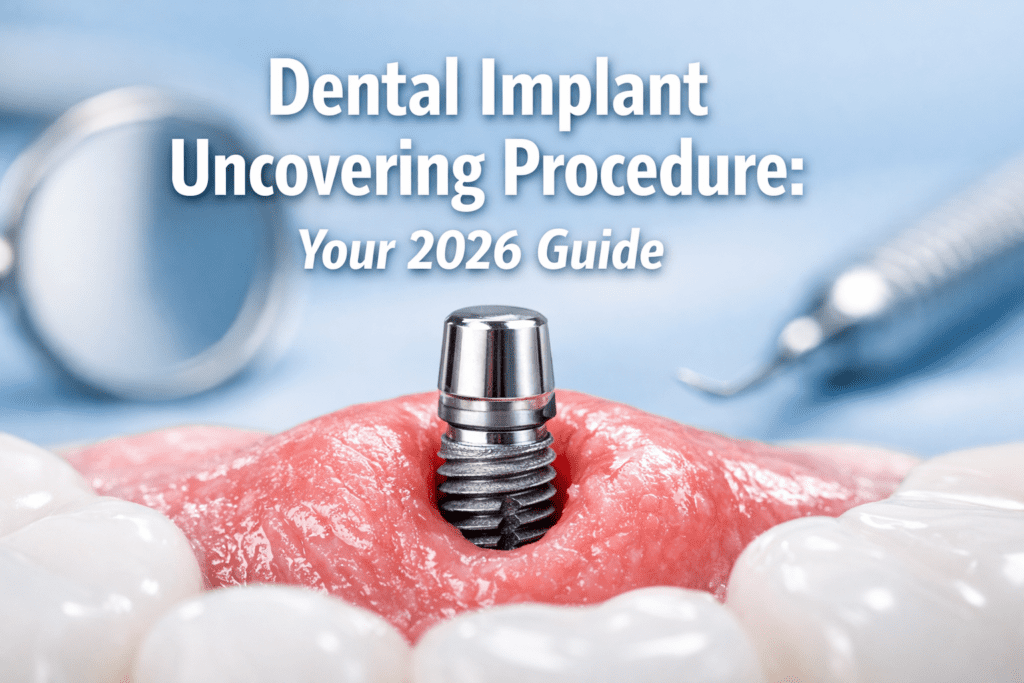
The dental implant uncovering procedure is a minor surgical step that exposes the top of a previously placed, submerged dental implant after it has successfully fused with the jawbone. This allows the dental team to attach a healing abutment, which shapes the gum tissue around the implant, preparing it for the final restoration. This procedure is generally straightforward and marks an important transition from the healing phase to the restorative phase of dental implant treatment.
TL;DR
- The dental implant uncovering procedure is a minor surgical step to expose a submerged dental implant for the placement of a healing abutment.
- This procedure is performed after the initial implant has fully integrated with the jawbone, a process known as osseointegration.
- Various techniques exist, including traditional flap surgery, punch technique, and laser uncovering, chosen based on the individual case.
- Recovery is generally quick and mild, involving proper oral hygiene and adherence to post-operative instructions.
- The uncovering is a crucial step before the final prosthetic tooth (crown, bridge, or denture) can be attached, completing the tooth replacement process.
What is the Dental Implant Uncovering Procedure?
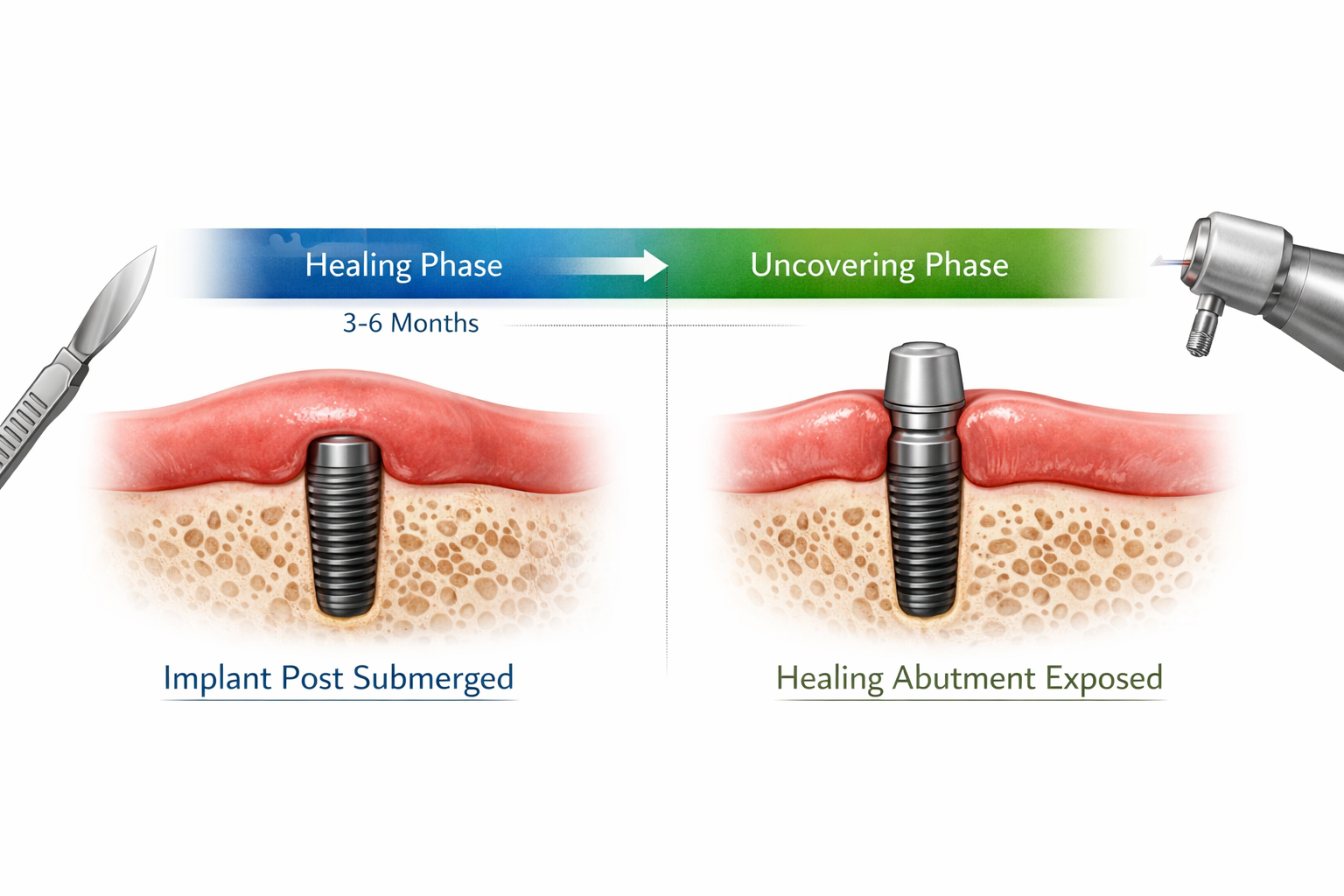
The dental implant uncovering procedure, also known as second-stage surgery or phase II implant surgery, is a critical step in a two-stage dental implant protocol where the dental implant, initially placed beneath the gum tissue, is exposed. This procedure typically occurs after the implant has completely integrated with the jawbone, a process called osseointegration, which ensures a stable foundation for the future prosthetic tooth.
During the initial dental implant surgery, the titanium implant post is surgically placed into the jawbone and then often covered by gum tissue to protect it during the healing period. This submerged placement promotes undisturbed osseointegration, reducing the risk of complications from external forces or bacteria. Once this healing phase is complete—which can take several months, varying by individual and implant site—the dental implant uncovering procedure becomes necessary. The main goal of this minor surgery is to access the implant, remove the overlying gum tissue, and attach a healing abutment. This abutment acts as a temporary cap, extending through the gum line to help sculpt the gum tissue into a natural shape, creating a clean cuff around where the final crown or bridge will sit. This crucial step ensures proper gum contouring, which is vital for both the aesthetic outcome and the long-term health of the surrounding tissues. Patients considering dental implants in Dallas can discuss this two-stage approach with their dentist during their initial consultation with a dentist.
Understanding the Two-Stage Implant Process
Many dental implant procedures follow a two-stage approach to maximize success rates and allow for optimal healing.
- Stage 1: Implant Placement: The titanium implant screw is surgically placed into the jawbone. In this stage, the implant is often completely covered by gum tissue and left to heal for several months. This period, known as osseointegration, is where the implant fuses directly with the bone.
- Stage 2: Uncovering and Abutment Placement: Once osseointegration is confirmed, the dental implant uncovering procedure is performed. A small incision is made to expose the implant, and a healing abutment is attached. This abutment remains in place for a few weeks to allow the gum tissue to heal and contour naturally around it.
- Stage 3: Restoration: After the gums have healed around the abutment, impressions are taken to custom-fabricate the final prosthetic tooth (crown, bridge, or denture), which is then permanently attached to the implant.
This methodical approach prioritizes patient safety and long-term oral health by ensuring the implant is fully integrated and stable before it bears any chewing forces.
When is the Dental Implant Uncovering Procedure Necessary?
The dental implant uncovering procedure is typically necessary when a two-stage implant surgery protocol has been followed, meaning the implant was intentionally placed and completely submerged beneath the gum tissue during the initial surgery. This approach is often chosen to protect the implant during the crucial osseointegration period, preventing mechanical stress or bacterial contamination that could compromise healing.
The need for this procedure is determined after a thorough evaluation by your dental professional, usually involving X-rays, to confirm that the dental implant has fully integrated with the jawbone. If the implant was placed using a one-stage protocol, where the healing abutment was attached immediately after implant placement and protruded through the gum tissue from the start, an uncovering procedure is generally not required. However, for submerged implants, uncovering is essential to gain access to the implant, remove the cover screw, and attach the healing abutment or a temporary crown, preparing the site for the final restoration. This step is a key part of the overall dental implant procedure and ensures the success and longevity of the tooth replacement options.
Factors Influencing the Need for Uncovering
Several factors contribute to the decision to perform an uncovering procedure:
- Initial Implant Placement Protocol: If the implant was placed in a two-stage fashion, fully submerged under the gum.
- Osseointegration Success: Confirmation that the implant has securely bonded with the jawbone is paramount. X-rays, such as periapical radiographs or cone-beam computed tomography (CBCT), are used to assess bone density and implant stability [5].
- Gum Tissue Health: The health and thickness of the gum tissue around the implant site can influence the choice of uncovering technique.
- Patient Health: Systemic health conditions, such as uncontrolled diabetes, can affect healing and may influence the timing or approach to uncovering. Patients with diabetes, for example, have specific considerations for their recovery timeline which should be discussed with their dentist Diabetic Dental Implant Recovery: Guide for 2026.
- Aesthetic Goals: In highly visible areas, careful gum contouring during the uncovering phase is crucial for an optimal aesthetic outcome.
A dentist in Dallas specializing in dental implants will meticulously plan this phase, ensuring it aligns with the patient’s overall treatment goals and contributes to long-term oral health. Regular dental implant X-ray frequency is also important to monitor progress Optimal Dental Implant X-Ray Frequency: Your 2026 Guide.
What Happens During the Dental Implant Uncovering Procedure?
During the dental implant uncovering procedure, the dentist carefully exposes the top of the submerged implant by making a small incision in the gum tissue, allowing for the attachment of a healing abutment. This minor surgical intervention is typically performed under local anesthesia and is generally well-tolerated by patients, preparing the implant site for the subsequent placement of the final prosthetic restoration.
The procedure is relatively quick and less invasive than the initial implant placement surgery. The primary objective is to reveal the implant’s cover screw, remove it, and replace it with a healing abutment. This abutment extends through the gum tissue, acting as a guide for the gum to heal and shape itself around the future crown. The overall process is designed to be as comfortable as possible for the patient while ensuring optimal conditions for the final stages of the implant restoration.
Step-by-Step Breakdown of the Procedure
- Anesthesia: Local anesthetic is administered to numb the area, ensuring the patient experiences no pain during the procedure.
- Accessing the Implant: The dentist will carefully locate the buried implant, often guided by pre-operative X-rays. A small incision is made in the gum tissue directly over the implant site.
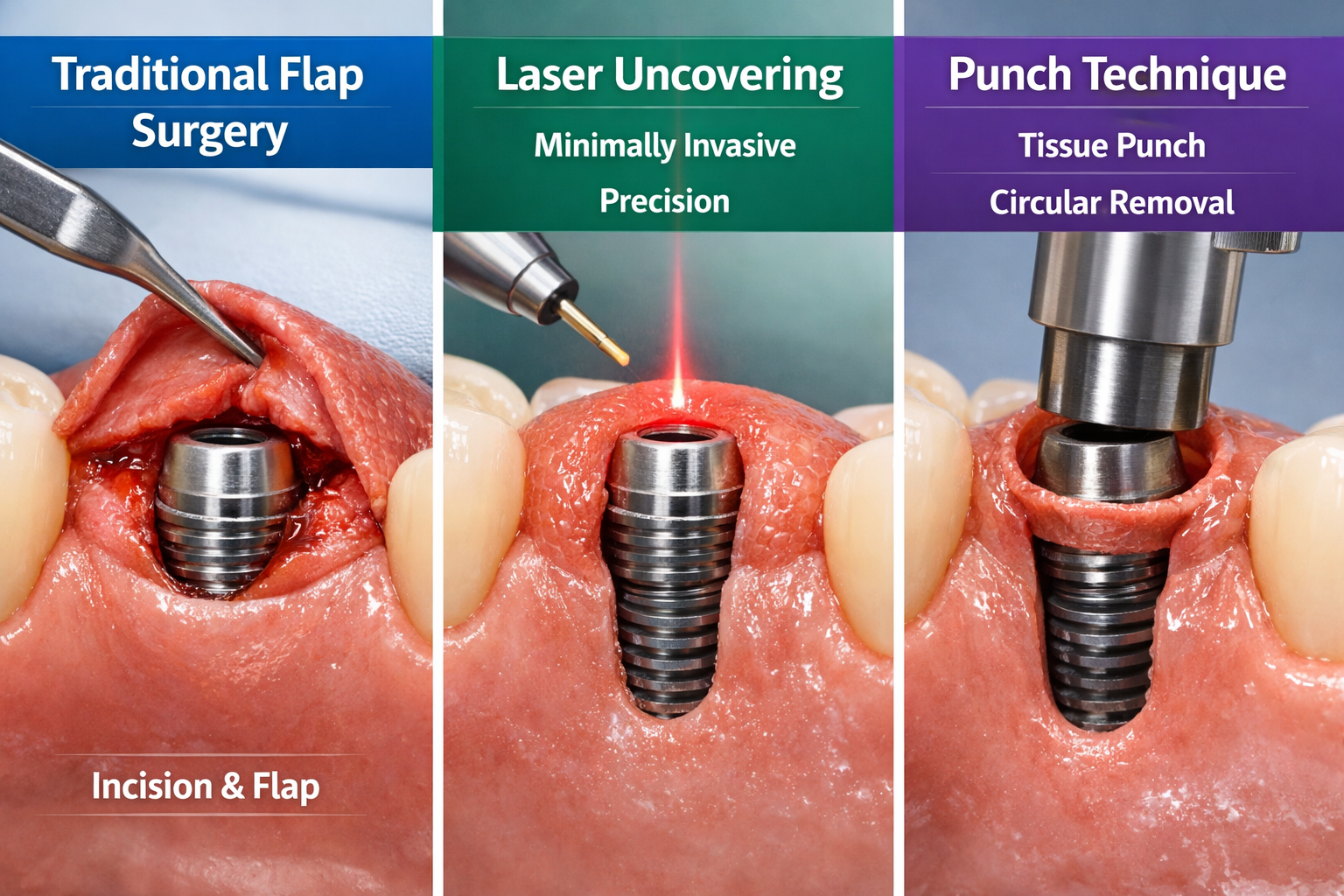
- Traditional Flap Technique: This involves lifting a small flap of gum tissue to fully expose the implant and the underlying bone. It allows for direct visualization and any necessary contouring of the gum or bone.
- Punch Technique: For thinner gum tissue, a circular tissue punch may be used to remove a small, precise piece of gum directly over the implant, minimizing incision [9]. This is considered less invasive.
- Laser Uncovering: In some cases, a dental laser can be used to precisely remove the gum tissue, offering advantages like reduced bleeding and faster healing [4]. This advanced technique is part of the ongoing innovations in dental implant technology Latest Advances In Dental Implant Technologies.
- Removing the Cover Screw: Once the implant is exposed, the small cover screw that protected the internal aspect of the implant during osseointegration is carefully removed.
- Attaching the Healing Abutment: A healing abutment (also called a healing collar or gingival former) is then screwed into the implant. This temporary component is designed to shape the gum tissue as it heals, creating a natural-looking emergence profile for the final crown.
- Sutures (if necessary): If the flap technique was used, a few sutures might be placed to reposition the gum tissue around the healing abutment. In punch or laser techniques, sutures may not be needed.
- Post-Procedure Instructions: The dentist will provide detailed post-op dental implant instructions, including advice on pain relief, oral hygiene, and what to expect during the healing period.
| Uncovering Technique | Description | Advantages | Considerations |
|---|---|---|---|
| Traditional Flap Surgery | Involves a linear incision and lifting of a small gum tissue flap to expose the implant. Allows for direct visual access to the implant and surrounding bone, enabling more extensive soft tissue management if needed. | Versatile, allows for gum contouring, addresses excess tissue. | More invasive, may require sutures, slightly longer healing time. |
| Punch Technique | A circular soft tissue punch is used to remove a small disc of gum tissue directly over the implant. Ideal for areas with adequate keratinized (firm) gum tissue and when no additional soft tissue grafting is required. | Minimally invasive, often no sutures needed, quicker healing. | Limited to cases with sufficient gum tissue and when no soft tissue adjustments are required. |
| Laser Uncovering | Utilizes a dental laser to precisely remove the gum tissue overlying the implant. The laser seals blood vessels as it cuts, reducing bleeding and sometimes pain. This can also sterilize the area, contributing to faster and more comfortable healing [4]. | Precise, minimal bleeding, reduced post-operative discomfort, faster healing. | Requires specialized equipment and training, may not be suitable for all tissue types or if significant contouring is needed. |
Choosing the right technique depends on the individual patient’s oral health, the location of the implant, and the amount of gum tissue covering the implant. Your Dallas dentist will recommend the best approach for your specific situation.
Recovery and Post-Procedure Care After Dental Implant Uncovering
Recovery after a dental implant uncovering procedure is generally swift and involves minimal discomfort compared to the initial implant placement surgery. Patients typically experience mild soreness, swelling, or bruising, which can be managed with over-the-counter pain relievers and by following specific post-operative care instructions.
Adhering to these guidelines is crucial for proper healing of the gum tissue around the newly exposed implant and healing abutment. This allows the gums to contour correctly, setting the stage for the final restoration. Most individuals can return to their normal daily activities within a day or two, making this a relatively easy step in the overall dental implant process. For specific concerns about healing, particularly for seniors, additional guidance may be found in resources like Senior Dental Implant Healing Time: Guide for 2026.
Essential Post-Operative Care Tips:
- Pain Management: Take prescribed or over-the-counter pain relievers as directed by your dentist to manage any discomfort. Icing the outside of the cheek in the treated area intermittently for the first 24 hours can also help reduce swelling.
- Oral Hygiene: Maintain excellent oral hygiene, but be gentle around the healing abutment. Your dentist will likely recommend rinsing with a prescribed antimicrobial mouthwash or a warm saltwater solution (1/2 teaspoon salt in 8 ounces of warm water) several times a day to keep the area clean and reduce bacteria. Avoid direct brushing of the abutment for the first few days, then use a soft-bristled toothbrush to gently clean around it.
- Diet: Stick to soft foods for the first few days to avoid placing undue pressure on the healing site. Gradually reintroduce normal foods as comfort allows. Avoid hot liquids or foods that could irritate the surgical site immediately after the procedure.
- Avoid Smoking and Alcohol: Smoking and alcohol consumption can significantly impair healing and increase the risk of complications. It is strongly advised to avoid these during the recovery period.
- Avoid Disturbing the Site: Do not poke or prod the healing abutment or the surrounding gum tissue with your fingers or tongue.
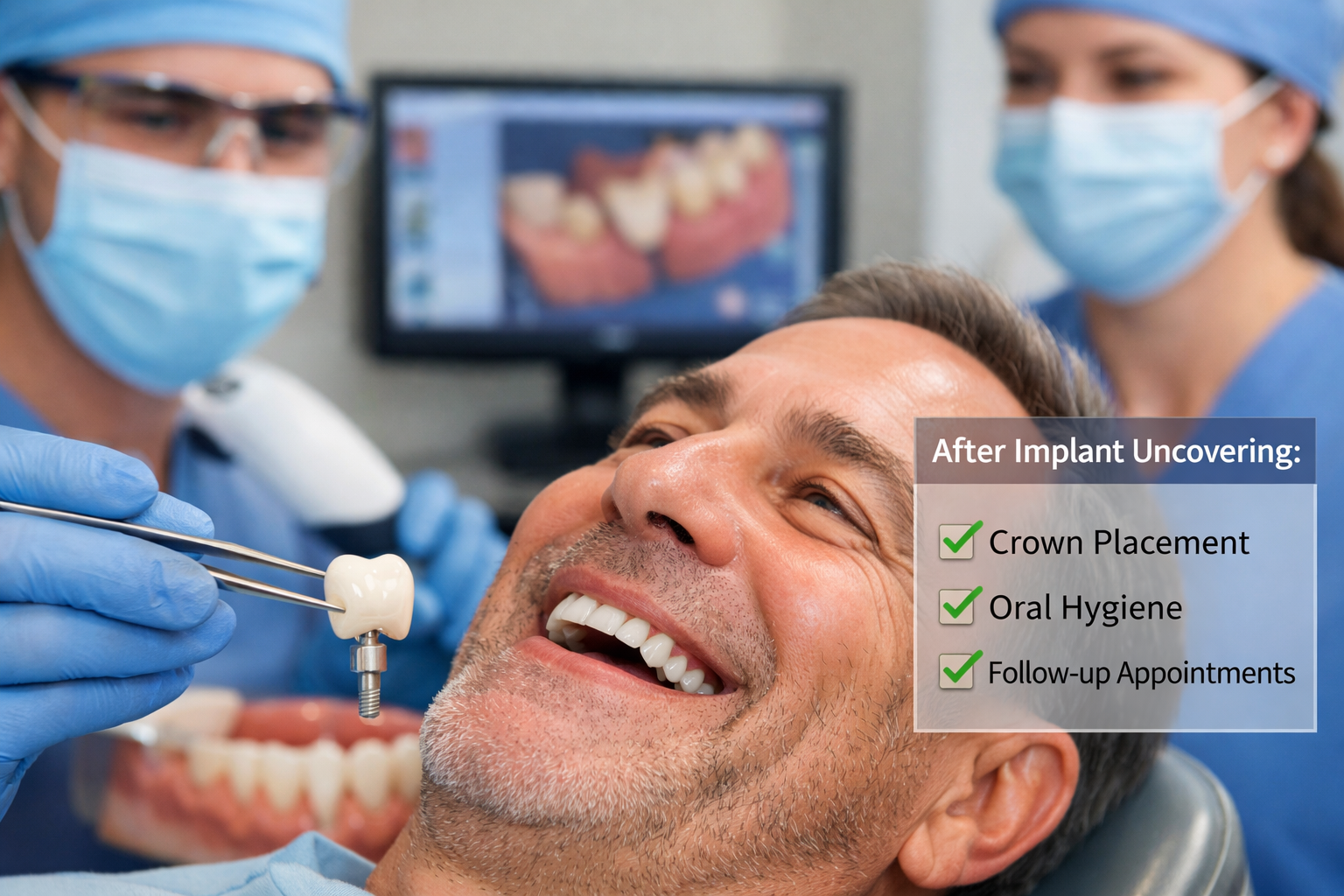
- Follow-Up Appointments: Attend all scheduled follow-up appointments with your dentist. These visits are essential for monitoring healing progress and ensuring the gum tissue is contouring properly around the abutment. Your dentist will also advise when you are ready for the next step, which is taking impressions for your final prosthetic tooth.
- Report Any Issues: Contact your dentist immediately if you experience excessive bleeding, severe pain not relieved by medication, persistent swelling, fever, or if the healing abutment becomes loose.
By diligently following these instructions, patients can ensure a smooth and successful recovery, paving the way for the completion of their dental implant treatment and enjoying their new smile. Detailed guidance can also be found in Post-Op Dental Implant Instructions: 2026 Recovery Guide.
Potential Complications of Dental Implant Uncovering
While the dental implant uncovering procedure is generally considered minor and safe, like any surgical intervention, it carries a small risk of potential complications. These are typically rare and manageable, but patients should be aware of them to ensure they seek timely professional care if issues arise. Understanding these potential challenges allows for proactive management and contributes to patient safety throughout the dental implant process.
Most complications are temporary and resolve with appropriate treatment, emphasizing the importance of choosing a skilled and experienced dental implant specialist in Dallas. Early detection and intervention are key to successfully addressing any issues that may emerge after the uncovering procedure.
Overview of Possible Issues:
- Infection: Although uncommon, bacterial infection at the surgical site is a possibility. Symptoms may include persistent pain, swelling, redness, pus discharge, or fever. Antibiotics may be prescribed if an infection is diagnosed.
- Bleeding: Some minor bleeding is normal immediately after the procedure. However, excessive or prolonged bleeding should be reported to your dentist.
- Swelling and Bruising: Mild to moderate swelling and bruising around the surgical area are common and typically resolve within a few days. Persistent or worsening swelling could indicate a problem.
- Pain: While the procedure is performed under local anesthesia, some post-operative discomfort is expected. Severe or escalating pain that is not alleviated by pain medication should be investigated. For comprehensive pain relief strategies, refer to Dental Implant Pain Relief Guide: Manage Discomfort in 2026.
- Healing Abutment Loosening: Occasionally, the healing abutment may become loose. If this happens, it needs to be re-tightened or replaced by your dentist to ensure proper gum healing and prevent further complications.
- Lack of Keratinized Tissue: In some cases, there might be insufficient healthy, firm (keratinized) gum tissue around the implant, which is important for long-term health and aesthetics. This might necessitate further soft tissue grafting procedures.
- Damage to Adjacent Structures: While rare with careful planning and execution, there’s a minimal risk of damage to adjacent teeth, nerves, or blood vessels, particularly if the implant was placed close to sensitive anatomical structures.
- Delayed Healing: Factors such as poor oral hygiene, smoking, certain medical conditions (like uncontrolled diabetes), or nutritional deficiencies can delay the healing process.
Patients should closely follow all post-operative instructions and maintain open communication with their dental team, especially if they notice any unusual symptoms or changes at the implant site. Addressing these concerns promptly helps ensure the best possible outcome for their missing teeth solutions.
The Role of the Healing Abutment in Implant Uncovering
The healing abutment plays a pivotal role in the final stages of dental implant treatment, immediately following the dental implant uncovering procedure. Its primary function is to guide the surrounding gum tissue to heal and contour properly, creating a natural and aesthetically pleasing emergence profile for the future prosthetic tooth. Without this crucial component, the gum tissue might heal over the implant opening or form an irregular shape, complicating the placement of the final crown or bridge.
Essentially, the healing abutment acts as a temporary placeholder, shaping the gingiva (gums) and preventing it from growing into the internal aspect of the implant. This step is fundamental for both the aesthetic success of the implant and for maintaining good long-term gum health around the restoration.
Why Healing Abutments Are Essential:
- Gum Shaping and Contouring: The most important role of the healing abutment is to create a well-defined and stable gum margin around the implant. This sculpted gum tissue mimics the natural gum line around a real tooth, which is critical for the aesthetics of the final crown, especially in visible areas of the mouth.
- Protection of the Implant: By extending through the gum, the healing abutment protects the internal connection of the implant from food debris and bacteria, maintaining a clean and sterile environment until the final restoration is placed.
- Ease of Final Restoration: When the gum tissue is properly shaped by the healing abutment, the process of taking impressions for the final crown becomes more straightforward and accurate. This leads to a better-fitting and more comfortable permanent restoration.
- Transition to Restoration Phase: The presence of the healing abutment signifies the transition from the surgical healing phase to the prosthetic restorative phase. It allows the soft tissues to mature for a period (typically 2-4 weeks) before the definitive impression is taken.
- Material and Design: Healing abutments are typically made of titanium or sometimes PEEK (a type of plastic), and come in various shapes and sizes to match different implant systems and individual patient needs. The selection of the correct size and shape is crucial for optimal gum contouring.
Choosing the right healing abutment and allowing adequate time for gum healing around it are critical decisions made by your dental implant specialist. This careful attention to detail helps ensure the success and beauty of your dental implant in Dallas.
Cost Considerations for Dental Implant Uncovering in Dallas, TX
When considering the overall investment in dental implants in Dallas, TX, it’s important to understand that the dental implant uncovering procedure typically constitutes a smaller component of the total cost. While the primary expenses are associated with the initial implant placement and the final restoration (crown, bridge, or denture), the uncovering procedure does incur a separate fee, which varies based on factors like the complexity of the case, the specific technique used, and the dental practice’s pricing structure.
It is crucial for patients to receive a comprehensive treatment plan and detailed cost breakdown from their Dallas dentist to fully understand all phases of the implant journey. This transparency helps manage expectations regarding the financial aspect of long-term oral health solutions. For a broader view of dental implant costs, resources like Dental Implants Dallas TX: Costs, Procedure & Top Specialists 2025 can be very helpful.
Factors Influencing the Cost:
- Number of Implants Uncovered: The cost will increase with each implant that requires an uncovering procedure.
- Technique Used: While the difference might be slight, the chosen technique (traditional flap, punch, or laser) can influence the cost. Laser uncovering, for instance, might be slightly higher due to specialized equipment [4].
- Anesthesia: While local anesthesia is standard and usually included, if sedation dentistry (like nitrous oxide or oral conscious sedation) is opted for to enhance patient comfort, it would be an additional cost.
- Additional Procedures: If minor soft tissue grafting is needed during the uncovering to improve gum health or aesthetics around the implant, this would add to the overall expense.
- Dentist’s Fees: Fees vary based on the dentist’s experience, specialization (e.g., periodontist, oral surgeon, general dentist with implant expertise), and the geographic location of the practice within Dallas.
- Dental Insurance: While dental insurance often provides limited coverage for dental implants, some plans might cover a portion of the surgical components, including the uncovering procedure. It’s essential to check with your insurance provider about your specific benefits. For Texas residents, understanding Medicare coverage is also important Medicare Dental Implant Coverage Texas 2026: Your Guide.
- Financing Options: Many dental practices in Dallas offer financing plans or payment options to help make dental implants more affordable. Exploring these options, potentially including options for those with bad credit, can be beneficial [Can I Afford Dental Implants Bad Credit in 2026? Yes!](https://dentalimplantsdallastx.com/can-i-afford-dental-implant s-with-bad-credit-in-2026-your-comprehensive-guide/).
It is highly recommended to have a detailed discussion about implant cost in Dallas with your dental provider during your initial dental implant consultation to ensure there are no surprises and you can budget accordingly for your full treatment plan. For more detailed breakdowns of implant-related costs, consider exploring resources like Unlocking Your Smile: A Comprehensive Guide to Dental Implant Procedure Cost in 2025 or Unpacking the Price Tag: Your Comprehensive Guide to Dental Implant Cost Per Tooth in 2025.
The Importance of Professional Consultation in Dallas for Uncovering
A professional consultation in Dallas is an indispensable first step for anyone considering or undergoing a dental implant uncovering procedure, as it ensures personalized care, thorough assessment, and optimal treatment planning. An experienced dental professional, often a periodontist, oral surgeon, or a general dentist highly skilled in implantology, can accurately evaluate the implant’s osseointegration, assess the health of the surrounding gum tissue, and determine the most appropriate uncovering technique.
This expert guidance is crucial for patient safety, successful outcomes, and addressing any unique aspects of your oral health. During this consultation, you can ask questions to dentist about implants and discuss your concerns, ensuring you are fully informed and comfortable with the next steps of your tooth replacement journey.
Benefits of Consulting a Dental Implant Specialist:
- Accurate Assessment of Osseointegration: A specialist uses advanced imaging (like X-rays or CBCT scans) to confirm that the implant has fully fused with your jawbone, a prerequisite for the uncovering procedure. This prevents proceeding prematurely, which could jeopardize the implant’s stability.
- Customized Treatment Plan: Each patient’s oral anatomy and healing capacity are unique. A professional consultation allows the dentist to tailor the uncovering technique and post-operative care instructions specifically to your needs, considering factors like gum thickness, bone density, and overall health.
- Risk Mitigation: An experienced professional can identify potential risks or complications unique to your case (e.g., insufficient keratinized tissue, proximity to nerves) and plan to mitigate them, ensuring a smoother procedure and recovery.
- Selection of Optimal Uncovering Technique: As discussed, various methods exist. The specialist will choose between traditional flap surgery, punch technique, or laser uncovering based on what is safest and most effective for your specific implant site [4].
- Clear Communication and Education: A consultation provides an opportunity for the dentist to explain the procedure in detail, discuss expected recovery, potential costs, and answer all your questions, empowering you to make informed decisions.
- Integration with Overall Treatment: The uncovering procedure is just one step. The specialist ensures that this phase seamlessly integrates with the final prosthetic restoration, leading to an aesthetic and functional result that supports long-term oral health. This also involves careful consideration of the long-term maintenance, such as the need for a dental implant night guard for patients with bruxism.
- Access to Advanced Technology: Top dental implant specialists in Dallas often utilize the latest technologies, such as digital planning tools, advanced imaging, and potentially laser technology, to enhance precision and patient comfort [8].
- Addressing Concerns: For patients who might be feeling terrified of dental implants, a thorough consultation can provide reassurance and discuss options like sedation to manage anxiety. Terrified of Dental Implants? Conquer Your Fear in 2026.
Choosing a reputable and skilled provider in Dallas for your dental implant journey, from consultation to final restoration, is paramount for the best possible outcome.
Conclusion
The dental implant uncovering procedure is a crucial, yet often underestimated, step in the journey toward a fully restored smile. It marks the transition from the hidden healing phase to the visible restorative phase, allowing your dental implant to be connected to the outside world and eventually support a beautiful, functional prosthetic tooth. While minor, this procedure is vital for shaping the gum tissue, protecting the implant, and ensuring a seamless fit for your final crown or bridge.
Understanding what the dental implant uncovering procedure entails, its importance, recovery expectations, and potential costs in Dallas, TX, empowers patients to approach this stage with confidence. By choosing an experienced dental implant specialist in Dallas, adhering to post-operative instructions, and maintaining diligent oral hygiene, you can ensure a smooth process and achieve the long-lasting, healthy smile you desire. For those looking for missing teeth solutions, exploring the dental implant procedure is a wise decision for your long-term oral health.
Actionable Next Steps:
- Schedule a Consultation: If you have a submerged dental implant and haven’t yet had it uncovered, schedule an appointment with a trusted dental implant specialist in Dallas to assess your healing progress.
- Ask Questions: During your consultation, don’t hesitate to ask about the specific uncovering technique they recommend, expected recovery time, and a detailed cost breakdown. You can find essential questions to guide your discussion in Essential Questions to Ask Your Dentist About Implants in 2026.
- Follow Post-Op Instructions: Once your uncovering procedure is complete, carefully follow all post-operative instructions provided by your dentist to ensure optimal healing and prevent complications.
- Maintain Oral Hygiene: Continue practicing excellent oral hygiene around your healing abutment, including gentle brushing and recommended rinses, to promote healthy gum tissue and protect your investment.
Key Takeaways
- The dental implant uncovering procedure is a minor surgical step to expose a submerged implant after osseointegration.
- It’s performed to attach a healing abutment, which shapes the gum tissue for the final restoration.
- Common techniques include traditional flap, punch, and laser uncovering, with laser offering minimal invasiveness and reduced bleeding [4].
- Recovery is typically mild, involving pain management, soft diet, and diligent oral hygiene.
- Potential complications are rare but include infection, excessive bleeding, or abutment loosening.
- The healing abutment is crucial for aesthetic gum contouring and protecting the implant.
- Costs for the uncovering procedure in Dallas vary but are part of the overall dental implant cost in Dallas.
- A professional consultation with a Dallas dental implant specialist is essential for proper planning and successful outcomes.
FAQ
Is the dental implant uncovering procedure painful?
No, the dental implant uncovering procedure is typically not painful during the surgery itself because it’s performed under local anesthesia. You might feel some pressure, but no sharp pain. Afterward, some mild soreness or discomfort is common, which can usually be managed with over-the-counter pain relievers.
How long does the dental implant uncovering procedure take?
The procedure is generally quick, often taking about 15-30 minutes per implant, depending on the complexity of the case and the technique used.
What is a healing abutment?
A healing abutment is a temporary cap or collar that is attached to the exposed dental implant after the uncovering procedure. It extends through the gum tissue and helps to shape the gums into a natural contour, preparing the site for the final crown or other prosthetic restoration.
How long does it take for gums to heal after uncovering?
Gum tissue typically takes about 2 to 4 weeks to heal and mature around the healing abutment. This healing period allows for proper gum contouring before the final impressions are taken for your permanent restoration.
Can the uncovering procedure be avoided?
The uncovering procedure can be avoided if a one-stage implant protocol was initially used, where the healing abutment was placed immediately after implant insertion and extended through the gum tissue from the start. However, if a two-stage protocol was chosen (implant fully submerged), the uncovering is a necessary step.
What are the signs of infection after dental implant uncovering?
Signs of infection can include persistent or worsening pain, excessive swelling, redness, warmth around the site, pus discharge, or a fever. If you experience any of these symptoms, contact your dentist immediately.
Will I need stitches after the uncovering procedure?
Whether you need stitches depends on the technique used. If a traditional flap technique is employed, a few sutures might be placed. With a punch technique or laser uncovering, sutures are often not necessary.
How soon after uncovering can I get my final crown?
After the gum tissue has adequately healed around the healing abutment (typically 2-4 weeks), impressions will be taken. The fabrication of your custom crown can take another few weeks. Your final crown is usually placed a few weeks to a couple of months after the uncovering procedure, depending on laboratory time and your dentist’s schedule.
References
[1] Dental Implants In 2026 Advances In Longevity Materials And Faster Recovery – https://trinitydentist.com/dental-implants-in-2026-advances-in-longevity-materials-and-faster-recovery/
[2] Latest Advances In Dental Implant Technologies – https://lakesuccessdentalgroup.com/blog/latest-advances-in-dental-implant-technologies/
[3] Innovations In Dental Implant Technology Whats New – https://www.habashydental.com/innovations-in-dental-implant-technology-whats-new/
[4] Laser Treatment For Dental Implants – https://turkeyluxuryclinics.com/en/blog/laser-treatment-for-dental-implants
[5] 5 Ways Digital Dentistry Will Evolve In 2026 – https://beyonddentalcare.com/5-ways-digital-dentistry-will-evolve-in-2026/
[6] The Future Of Dental Implants Predictions For 2026 – https://miamidesignersmiles.com/the-future-of-dental-implants-predictions-for-2026/
[7] Transforming Dental Care Evolution Modern Implant Technology – https://redforddentalcare.com/blog/our-office/2026/15865/transforming-dental-care-evolution-modern-implant-technology/
[8] 7 Latest Dental Technologies 2026 – https://mainstreetdentalnewark.com/7-latest-dental-technologies-2026/
[9] New Dental Implants In 2026 – https://www.nuviasmiles.com/blog/new-dental-implants-in-2026
[10] Watch – https://www.youtube.com/watch?v=VSg9uBxv6DE
Leave a Reply
Share your thoughts or ask a question about dental implants. Your email address will not be published.