

Quick Answer: It is generally not normal for dental implant swelling to be significantly worse on day 4 than on day 2. Swelling after dental implant surgery typically peaks between 48 to 72 hours (days 2-3) and should gradually begin to subside afterward. If swelling increases or pain worsens beyond day 3, it warrants a call to your dental professional.
Key Takeaways
- Swelling usually peaks around 48-72 hours (days 2-3) post-surgery [1, 3, 4].
- After this peak, swelling should consistently decrease, not worsen [1, 3, 4].
- Increased swelling or pain after day 3 can be a sign of complications like infection [4].
- Applying ice packs, keeping your head elevated, and following post-operative instructions are crucial for managing swelling [2].
- Contact your Dallas dental implant specialist immediately if you experience worsening swelling, fever, or pus [1, 4].
- Individual healing rates can vary, but a significant increase in swelling on day 4 is atypical.
- Early intervention is key if complications arise, protecting your long-term oral health and the success of your implant.
Understanding the Normal Timeline for Dental Implant Swelling
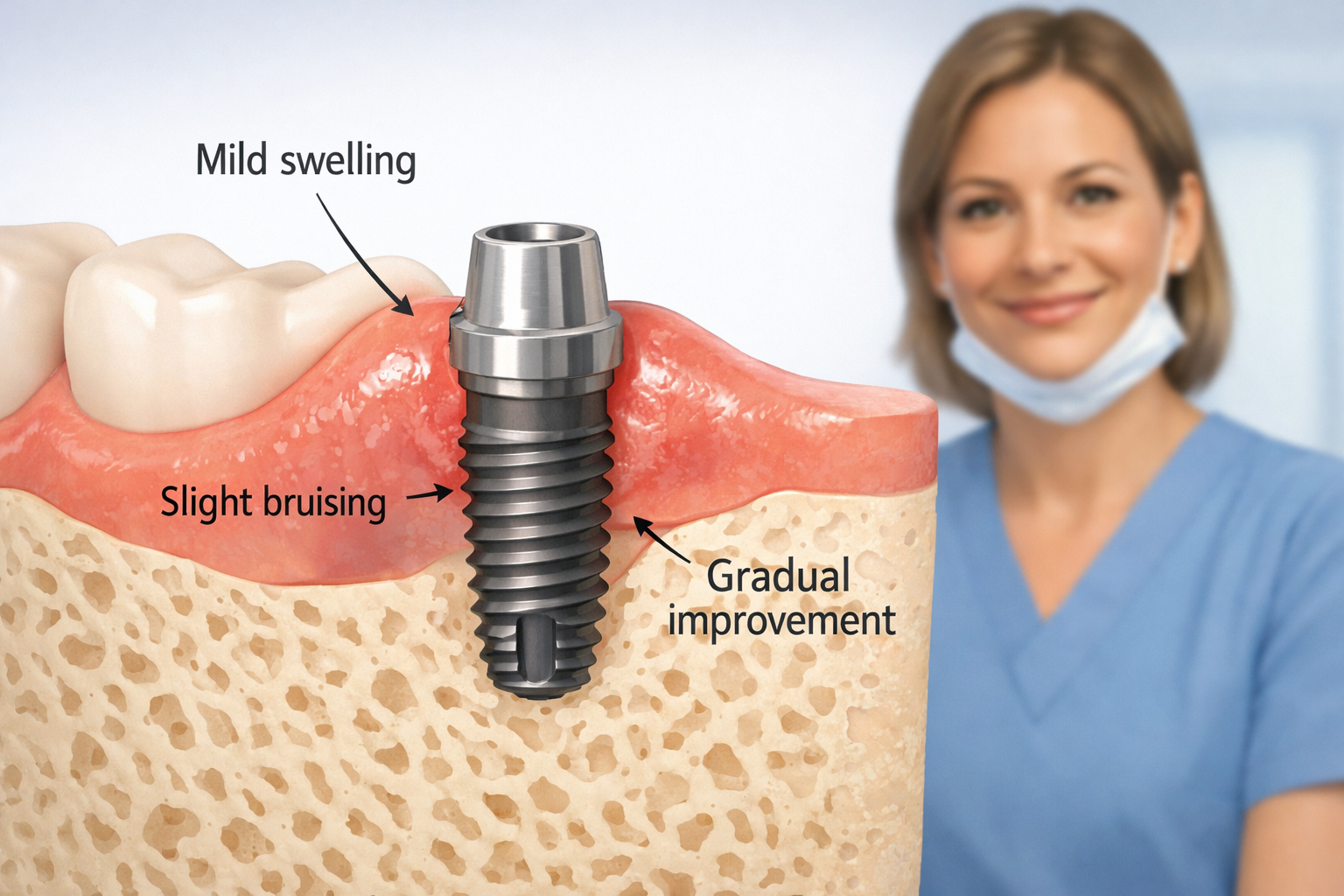
After dental implant surgery, it’s normal to experience some degree of swelling, bruising, and discomfort as your body begins the healing process. Typically, this swelling is most noticeable and reaches its peak between 48 to 72 hours (days 2-3) after the procedure [1, 3, 4]. Following this peak, the swelling should gradually begin to diminish, leading to noticeable improvement by the end of the first week [1, 3, 6].
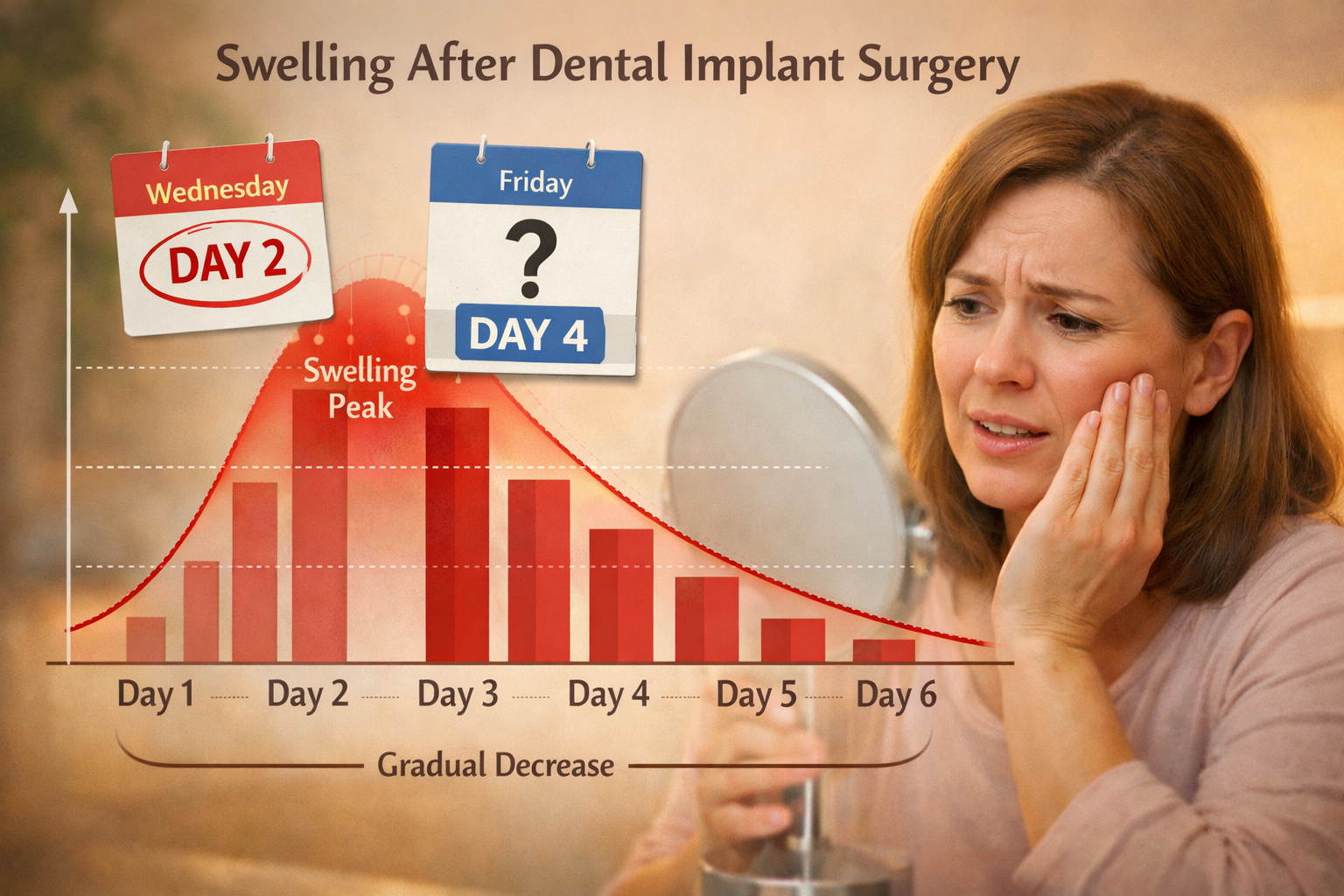
During the initial 2-3 days, patients in Dallas often observe their most significant facial swelling, which can sometimes be accompanied by bruising around the surgical site [1]. This is the body’s natural inflammatory response to surgical trauma, bringing healing cells to the area. By day 4, while some swelling is still expected, it should ideally be on a downward trend. If you notice your dental implant swelling worse on day 4 than day 2, or if it increases substantially after day 3, it deviates from the expected healing pattern and could signal a concern.
Why is Dental implant swelling worse on day 4 than day 2 – is this normal?
No, it is generally not considered normal for dental implant swelling to worsen significantly on day 4 compared to day 2. As mentioned, the peak swelling period is usually between 48 to 72 hours post-surgery [1, 3, 4]. By day 4, you should typically be experiencing the beginning of swelling reduction, not an increase.
A worsening of swelling on day 4 or later could indicate that the healing process is not progressing as expected. While minor fluctuations can occur, a marked increase could be a sign of:
- Infection: This is a primary concern. An infection can cause increased pain, swelling, redness, and potentially a fever [1, 4]. Early detection and treatment are vital for the success of your dental implant in Dallas.
- Delayed bleeding: Sometimes, internal bleeding can restart or worsen after the initial clotting, leading to increased swelling.
- Allergic reaction: Although rare, a reaction to medication or implant materials could manifest as worsening swelling.
- Inflammatory response from retained debris: If any small particles were left in the surgical site, they could trigger an ongoing or worsening inflammatory response.
- Insufficient post-operative care: Not following instructions for ice application, head elevation, or medication can sometimes exacerbate symptoms. For comprehensive guidance on managing pain, refer to our article on Dental Implant Pain Management in Dallas: Before, During, and After.
If you are experiencing a notable increase in swelling on day 4, it is important to contact your dental professional in Dallas right away for an evaluation.
When Should You Be Concerned About Post-Surgical Swelling?
While some swelling is a normal part of dental implant recovery, certain signs indicate that the healing process may be compromised and require immediate attention from your dentist or oral surgeon. It’s crucial for patients undergoing dental implant procedures in Dallas to be aware of these red flags.
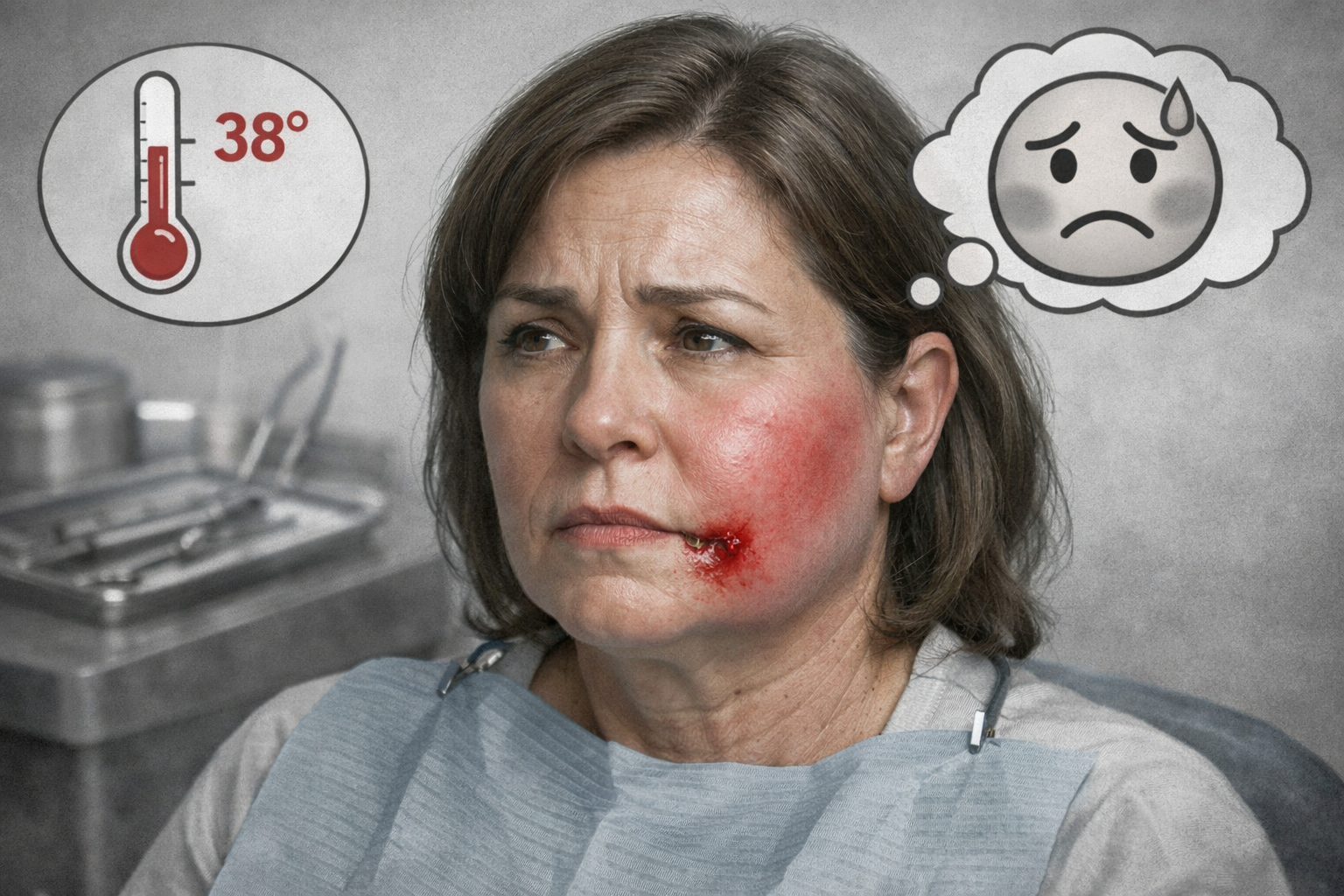
You should be concerned and contact your dental professional if you experience any of the following:
- Worsening Swelling After Day 3: As established, swelling should begin to subside after the 48-72 hour peak [1, 3, 4]. If swelling significantly increases or does not show any signs of improvement by day 4 or 5, it’s a cause for concern.
- Increased Pain: Pain should generally become more manageable after the initial few days. If your pain intensifies after day 3, or if over-the-counter pain relievers become ineffective, this could signal an issue [4].
- Fever or Chills: The presence of a fever (temperature above 100.4°F or 38°C) or chills is a strong indicator of a potential infection and requires immediate medical attention [1, 4].
- Pus Discharge or Foul Taste/Smell: Any yellowish or greenish discharge from the surgical site, or a persistent foul taste or smell in your mouth, suggests an infection [1, 4].
- Difficulty Breathing or Swallowing: While mild discomfort is normal, severe difficulty in breathing or swallowing, especially if swelling extends to your throat, is an emergency and requires immediate medical help.
- Excessive or Persistent Bleeding: Some minor oozing is normal, but if bleeding is heavy, continuous, or bright red, and cannot be controlled with pressure, contact your dentist.
- Numbness Not Improving: While temporary numbness is common after local anesthesia, persistent or spreading numbness in areas not expected (like your lip or chin) should be reported [5].
If you’re unsure whether your symptoms are normal, it’s always best to err on the side of caution and consult with your dental implant specialist. Prompt intervention can prevent minor issues from becoming more serious complications, protecting your long-term oral health.
Managing Post-Operative Swelling for Dental Implants in Dallas
Proper post-operative care is essential for minimizing swelling and promoting a smooth recovery after your dental implant procedure. Following your Dallas dentist’s instructions diligently can make a significant difference in your comfort and healing trajectory.
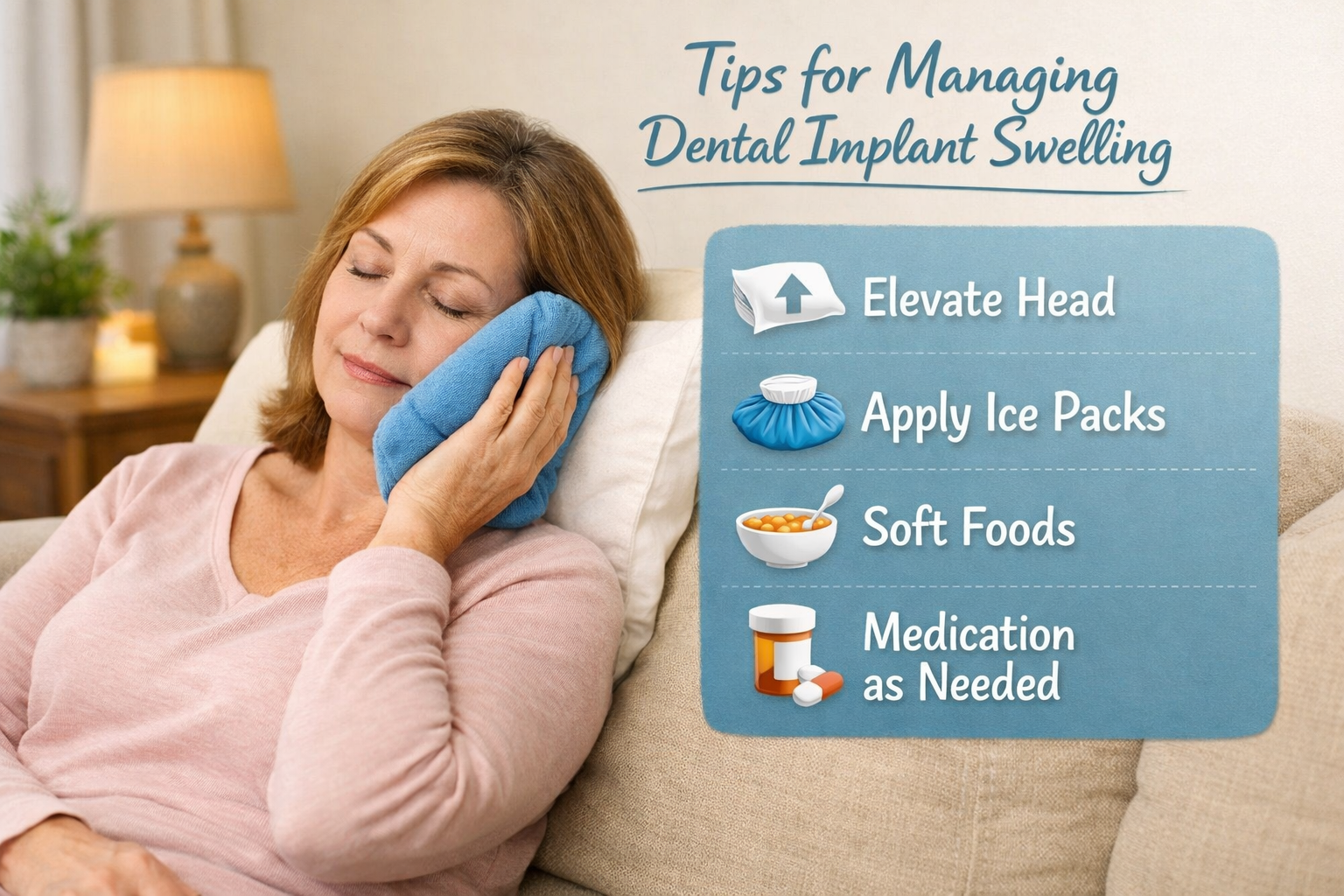
Here are key strategies for managing swelling:
- Apply Cold Compresses: For the first 24-48 hours after surgery, apply ice packs to the outside of your face, over the surgical area, for 20 minutes on, 20 minutes off [1, 2, 3]. This helps constrict blood vessels and reduce initial swelling.
- Elevate Your Head: When resting or sleeping, keep your head elevated using extra pillows. This helps drain fluids away from the surgical site and can significantly reduce swelling [2].
- Take Prescribed Medications: Your dentist may prescribe anti-inflammatory medications (like ibuprofen) or steroids to help manage swelling and pain. Take these as directed [2]. For more on medication, see our guide on Dental Implant Pain Management in Dallas.
- Stay Hydrated: Drink plenty of fluids, but avoid using straws, as the suction can dislodge the blood clot and lead to complications like dry socket [2].
- Eat Soft Foods: Stick to a diet of soft, cool foods that require minimal chewing. Avoid hot, spicy, or crunchy foods that could irritate the surgical site [2].
- Maintain Oral Hygiene (Gently): Your dentist will instruct you on how to gently clean your mouth without disturbing the surgical site. This often includes saltwater rinses after the first 24 hours to keep the area clean and reduce bacteria [2, 5].
- Avoid Strenuous Activity: Rest is crucial. Avoid heavy lifting, bending over, or any strenuous exercise for several days post-surgery, as these activities can increase blood pressure and swelling [2, 5].
- Do Not Smoke or Vape: Smoking and vaping can significantly impair healing and increase the risk of complications, including infection and implant failure [2, 5]. If you are a smoker, discussing this with your dentist before your dental implant procedure is vital.
By adhering to these guidelines, you can help control swelling and contribute to a more comfortable and successful recovery from your dental implant surgery.
When to Contact Your Dallas Dental Implant Specialist
Knowing when to contact your dental implant specialist is crucial for patient safety and the success of your tooth replacement options. While some post-operative discomfort and swelling are normal, specific symptoms warrant immediate professional attention.
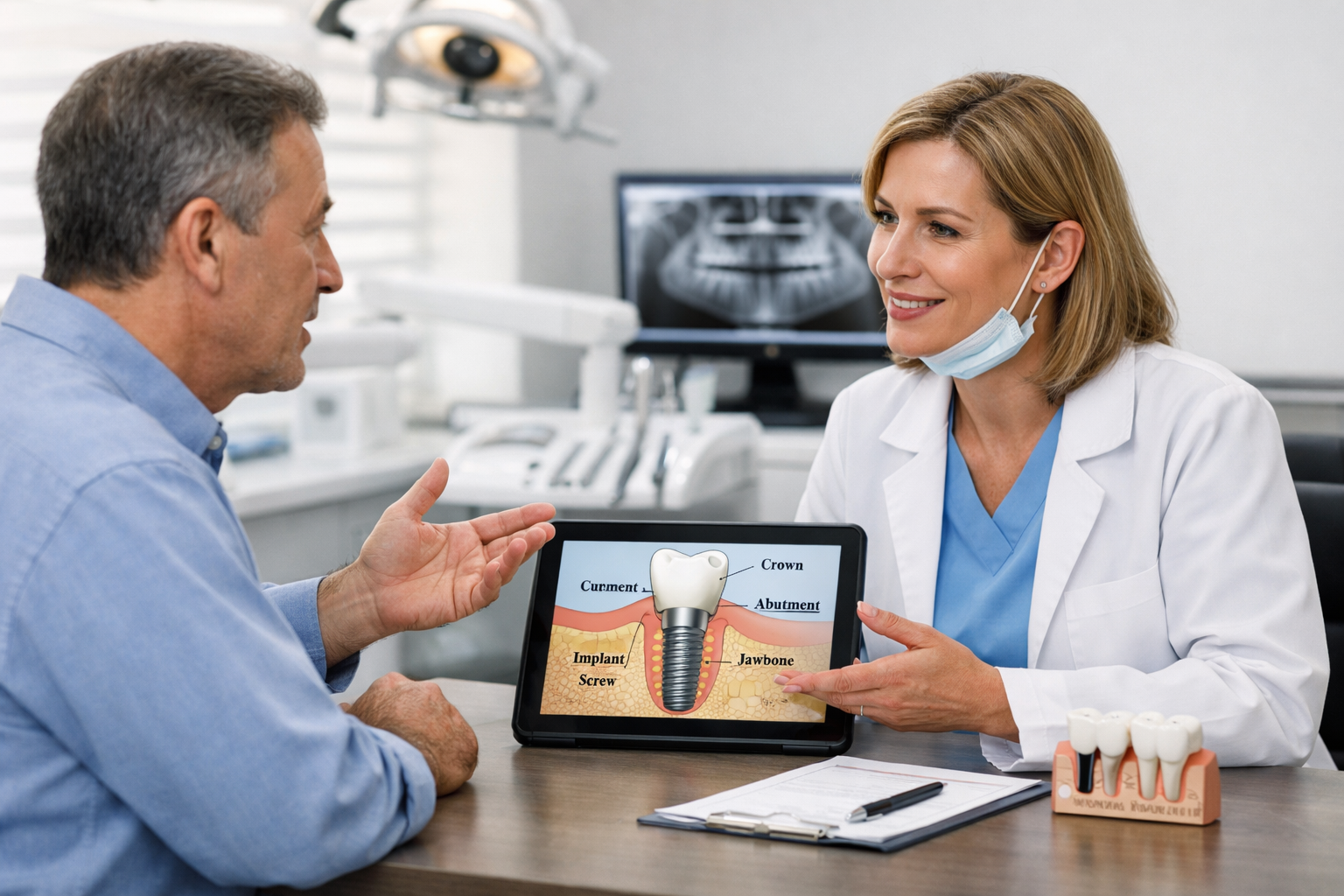
Contact your Dallas dental implant specialist without delay if you experience any of the following:
- Worsening Swelling After Day 3: If the swelling around your dental implant site increases significantly on day 4 or beyond, or if it does not show any signs of decreasing by day 5.
- Severe or Increasing Pain: If the pain becomes unmanageable with prescribed medication, or if it noticeably worsens after the initial 72-hour period [4].
- Signs of Infection: This includes fever, chills, pus discharge from the surgical site, or a persistent foul taste or smell [1, 4].
- Excessive or Uncontrolled Bleeding: While slight oozing is common, heavy or continuous bleeding that doesn’t stop with pressure should be reported immediately.
- Numbness or Tingling Persisting for More Than 24 Hours: If numbness extends beyond the expected duration of local anesthesia or involves areas not directly affected by the surgery, such as the lip, chin, or tongue.
- Difficulty Breathing or Swallowing: Any severe obstruction to breathing or swallowing is a medical emergency.
- Allergic Reaction Symptoms: Such as a rash, hives, or generalized itching.
When contacting your dental professional, be prepared to describe your symptoms in detail, including when they started, their severity, and any changes you’ve observed. This information will help them assess your situation and provide appropriate guidance, potentially scheduling an urgent appointment for evaluation. Proactive communication ensures the best possible outcome for your dental implants in Dallas.
Conclusion
While some swelling is an expected part of the healing process after dental implant surgery, it’s generally not normal for that swelling to be worse on day 4 than it was on day 2. The typical timeline involves swelling peaking around days 2-3 and then gradually subsiding [1, 3, 4]. If you observe an increase in swelling, worsening pain, fever, or any signs of infection on day 4 or later, it’s crucial to contact your Dallas dental implant specialist promptly [1, 4]. Early communication and professional assessment are key to managing any potential complications and ensuring the successful integration of your dental implants for long-term oral health. Your dental team is committed to patient safety and providing the best possible care for your missing teeth solutions.
FAQ
Q: Is some swelling still expected on day 4 after dental implant surgery?
A: Yes, some residual swelling is expected on day 4, but it should be noticeably less than the peak swelling experienced on days 2-3, and should be continuing to decrease [1, 3].
Q: What is the most common cause of worsening swelling on day 4?
A: A worsening of swelling on day 4 is often a red flag for a potential infection or delayed bleeding, both of which require immediate professional evaluation [1, 4].
Q: How can I tell if my swelling is getting worse or simply not improving?
A: Monitor your swelling visually and by how your face feels. If the area appears larger, feels harder, or if pain increases significantly, these are signs of worsening [4]. Lack of any improvement for 24-48 hours after the peak is also a concern.
Q: Can I use warm compresses for swelling on day 4?
A: After the initial 48 hours, some dentists recommend alternating between cold and moist heat (warm compress) to help with circulation and dissipate swelling and bruising [2]. Always consult your specific post-operative instructions or your dentist first.
Q: What pain level is normal on day 4 after dental implant surgery?
A: By day 4, pain should be manageable with prescribed or over-the-counter pain medication and should be less intense than on days 1-3. Worsening pain after day 3 is not normal [4].
Q: Is it normal to have bruising on day 4?
A: Yes, bruising is common and can sometimes appear or become more prominent on days 2-4, and then typically begins to fade [6]. This is a normal part of the healing process alongside swelling.
Q: How long does dental implant swelling usually last?
A: Significant swelling usually subsides within the first week, with most visible swelling gone by 7-10 days [1, 3]. Minor residual swelling may persist for a few weeks but should not be painful or increasing.
References
[1] Implant Surgery Swelling Timeline – https://www.rankmydentist.com/blog/prosthodontics/implant-surgery-swelling-timeline
[2] Dental Implant Healing Guide For A Smooth Recovery – https://www.lukerdental.com/dental-implant-healing-guide-for-a-smooth-recovery/
[3] Swollen Face After Dental Implants – https://parkmeadowsdental.ca/blog/swollen-face-after-dental-implants/
[4] All On 4 Recovery Timeline – https://dentalimplantsboyntonbeach.com/all-on-4-recovery-timeline/
[5] What To Expect In The Days After Dental Implant Surgery – https://www.myperfectsmiledds.com/what-to-expect-in-the-days-after-dental-implant-surgery/
[6] Dental Implants Pain After Surgery Whats Normal Koplon Dentistry – https://koplondmd.com/dental-implants-pain-after-surgery-whats-normal-koplon-dentistry/
Leave a Reply
Share your thoughts or ask a question about dental implants. Your email address will not be published.