

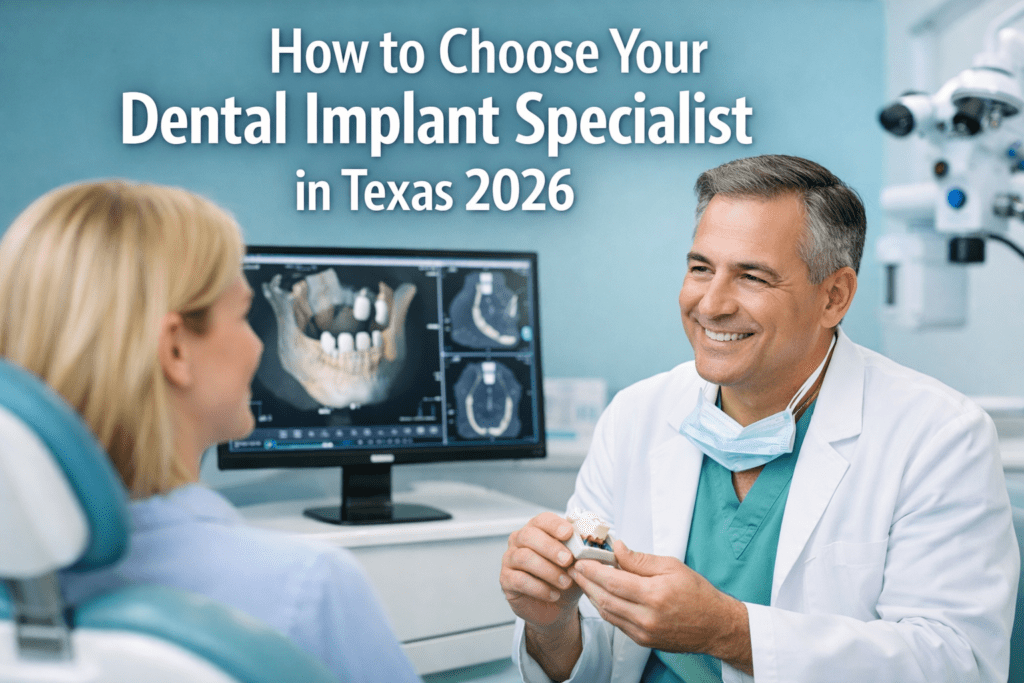
Choosing a dental implant specialist in Texas in 2026 is a critical decision that directly impacts the success and longevity of your dental implant journey. With so many options available, understanding how to choose a dental implant specialist in Texas can feel overwhelming. This comprehensive guide is designed to empower you with the knowledge and criteria needed to make an informed choice, ensuring you receive the highest quality care for your smile restoration. I’m here to walk you through the essential steps, from evaluating credentials to understanding patient experiences, so you can confidently select the right expert for your needs.
Key Takeaways
- Prioritize Specialist Credentials: Always verify board certification, specific training in implantology (e.g., periodontics, oral surgery, prosthodontics), and continuous education.
- Assess Experience and Success Rates: Look for a specialist with extensive experience in dental implant procedures, asking about their caseload and success rates for cases similar to yours.
- Evaluate Technology and Facilities: Choose a practice that utilizes advanced dental technology, such as 3D imaging (CBCT), computer-guided surgery, and modern sterilization protocols.
- Read Patient Reviews and Testimonials: Patient feedback offers invaluable insight into a specialist’s communication style, patient care, and the overall experience provided by the practice.
- Understand the Consultation Process: A thorough initial consultation should include a detailed examination, discussion of your eligibility [1, 2, 3], treatment options, costs, and a clear treatment plan.
Understanding the Landscape: Who Can Place Dental Implants in Texas?

When you begin your search for how to choose a dental implant specialist in Texas, you’ll quickly discover that several types of dental professionals are qualified to place dental implants. It’s important to understand the distinctions in their training and specialization to make the best choice for your specific needs. Generally, dental implants are placed by periodontists, oral and maxillofacial surgeons, or prosthodontists, though some general dentists also pursue advanced training in implantology.
The Role of Different Specialists in Dental Implantology
- Periodontists: These specialists focus on the health of your gums and the bone supporting your teeth. Their extensive training in gum and bone health makes them highly skilled in placing dental implants, especially when bone grafting or gum tissue management is required. Periodontists are experts in diagnosing and treating gum disease, which is crucial for the long-term success of dental implants.
- Oral and Maxillofacial Surgeons (OMS): Oral surgeons undergo extensive hospital-based surgical training, making them adept at complex surgical procedures, including tooth extractions, bone grafting, and dental implant placement. They are particularly well-suited for cases requiring significant surgical intervention or for patients with complex medical histories.
- Prosthodontists: While periodontists and oral surgeons primarily handle the surgical placement of the implant, prosthodontists specialize in the restoration and replacement of teeth. They design and fit the dental crowns, bridges, or dentures that attach to the implants, ensuring optimal aesthetics and function. Often, a team approach involving an oral surgeon or periodontist for placement and a prosthodontist for restoration yields the best results.
- General Dentists with Advanced Training: Some general dentists invest in significant continuing education and training in dental implant placement. While they may not be board-certified specialists in the same way as periodontists or oral surgeons, their experience can be considerable. It’s crucial to thoroughly vet their specific implant training and experience.
“Choosing a specialist for dental implants is about aligning their expertise with your unique oral health needs. A multi-disciplinary approach often provides the most comprehensive care.”
How to Evaluate Credentials and Experience
When considering how to choose a dental implant specialist in Texas, verifying their credentials and experience is paramount. This goes beyond just looking at their degree; it involves understanding their specific training, certifications, and practical experience.
- Board Certification: Look for specialists who are board-certified in their respective fields (e.g., American Board of Periodontology, American Board of Oral and Maxillofacial Surgery, American Board of Prosthodontics). Board certification signifies that a dentist has achieved the highest level of competence in their specialty through rigorous examinations.
- Specific Implant Training: Inquire about their specific training in dental implantology. Did they complete a fellowship? What continuing education courses have they taken, especially with the latest techniques and technologies in 2026?
- Years of Experience and Case Volume: How many dental implant procedures has the specialist performed? A higher volume of cases often correlates with greater expertise and a better understanding of potential complications and their solutions. Don’t hesitate to ask about their success rates.
- Technology and Techniques: Does the practice utilize advanced technology like Cone Beam Computed Tomography (CBCT) for precise diagnosis and treatment planning, or computer-guided implant surgery for enhanced accuracy? These technologies can significantly improve outcomes and patient safety. For example, understanding the optimal dental implant X-ray frequency is a good indicator of their commitment to thorough diagnostics.
Table: Key Credentials to Look For
| Credential Type | Description | Why it Matters |
|---|---|---|
| Board Certification | Certification by a recognized dental specialty board. | Demonstrates highest level of expertise and commitment to standards. |
| Advanced Training | Residency, fellowship, or extensive continuing education in implantology. | Ensures specialist is up-to-date with latest techniques and research. |
| Experience (Years/Cases) | Number of years performing implant procedures and total number of cases. | Correlates with practical skill, problem-solving ability, and efficiency. |
| Technological Acumen | Use of modern tools like CBCT, digital impressions, guided surgery. | Leads to more precise planning, safer procedures, and better long-term results. |
| Professional Affiliations | Membership in organizations like the ADA, AAP, AAOMS, ACP. | Indicates dedication to the profession and adherence to ethical standards. |
Choosing a specialist with robust qualifications ensures that you’re in capable hands, especially for a significant investment like dental implants. If you’re looking for how to choose a dental implant dentist near you, these criteria are essential.
Researching Reputation and Patient Experience in Texas
Beyond credentials, the reputation of a dental implant specialist and the experiences of their previous patients offer invaluable insights when you’re figuring out how to choose a dental implant specialist in Texas. Patient reviews and testimonials provide a window into the actual patient journey, revealing aspects like chairside manner, communication skills, and post-operative care.
The Power of Online Reviews and Testimonials
In 2026, online reviews on platforms like Google, Yelp, and Healthgrades are often the first stop for patients seeking healthcare providers. Look for trends in reviews rather than focusing on a single review.
- Consistent Positive Feedback: Are patients consistently praising the specialist’s skill, the friendliness of the staff, and the overall positive atmosphere of the clinic?
- Response to Negative Feedback: How does the practice handle negative reviews? A professional and empathetic response can be a sign of a practice that cares about patient satisfaction and continuous improvement.
- Specific Mentions: Pay attention to reviews that mention specific aspects of dental implant treatment, such as pain management, clarity of explanation, or the success of the outcome.
- Before and After Photos: Many specialists showcase before and after photos on their websites or social media. These visual testimonials can help you gauge the quality of their work, though it’s important to remember that every case is unique.
Personal Referrals and Consultations
While online reviews are helpful, personal referrals and direct consultations are arguably the most effective ways to research a specialist’s reputation.
- Ask Your General Dentist: Your family dentist is often the best resource for a referral. They know your oral health history and can recommend a trusted specialist they’ve worked with previously or whose work they respect.
- Talk to Friends and Family: If someone you know has had dental implants, ask them about their experience. What did they like or dislike about their specialist? Would they recommend them?
- Schedule Initial Consultations: This is perhaps the most crucial step. Schedule consultations with 2-3 potential specialists. Many offer free or low-cost initial consultations. During these meetings, you can:
- Assess Communication: Does the specialist explain things clearly, answer your questions thoroughly, and listen to your concerns? Good communication is key to a comfortable treatment experience. This is especially important during a dental implant consultation.
- Evaluate the Clinic Environment: Is the office clean, organized, and welcoming? Does the staff seem professional and friendly?
- Discuss the Treatment Plan: The specialist should provide a clear, detailed treatment plan, including the procedure steps, timeline, and an estimate of costs.
- Inquire About Post-Operative Care: Understanding the post-op dental implant instructions and follow-up care is vital for successful healing and long-term implant success. Ask about their follow-up protocols, especially concerning dental implant specialist follow-up in Dallas 2026.
Pull Quote:
“Your comfort and trust in your dental implant specialist are just as important as their technical skill. A good connection fosters a positive and successful treatment journey.”
Financial Considerations and Insurance
Understanding the costs associated with dental implants is a significant part of how to choose a dental implant specialist in Texas. While quality should be your top priority, financial transparency is also critical.
- Detailed Cost Breakdown: Request a detailed breakdown of all anticipated costs, including the implant placement, abutment, crown, bone grafts (if needed), anesthesia, and follow-up appointments. Be wary of practices that are not upfront about pricing. You might also want to compare dental implant costs in Dallas, TX with other regions.
- Insurance Coverage: Dental implant coverage varies widely among insurance plans. The office staff should be able to help you understand your benefits and file claims. For Texans, it’s also worth investigating Medicare dental implant coverage Texas 2026 options.
- Payment Plans and Financing: Many practices offer payment plans or work with third-party financing companies to make dental implants more affordable. Inquire about these options if needed, especially if you’re exploring dental implant payment plans with no credit check.
- Warranty or Guarantee: Ask if the specialist offers any warranty or guarantee on their dental implants. This can provide peace of mind regarding your investment. Learn more about a dental implant warranty guarantee.
Choosing a dental implant specialist is a multifaceted decision. By thoroughly researching credentials, experience, reputation, and financial aspects, you can confidently select a specialist who will help you achieve a healthy, beautiful, and long-lasting smile.
Crucial Questions to Ask During Your Consultation
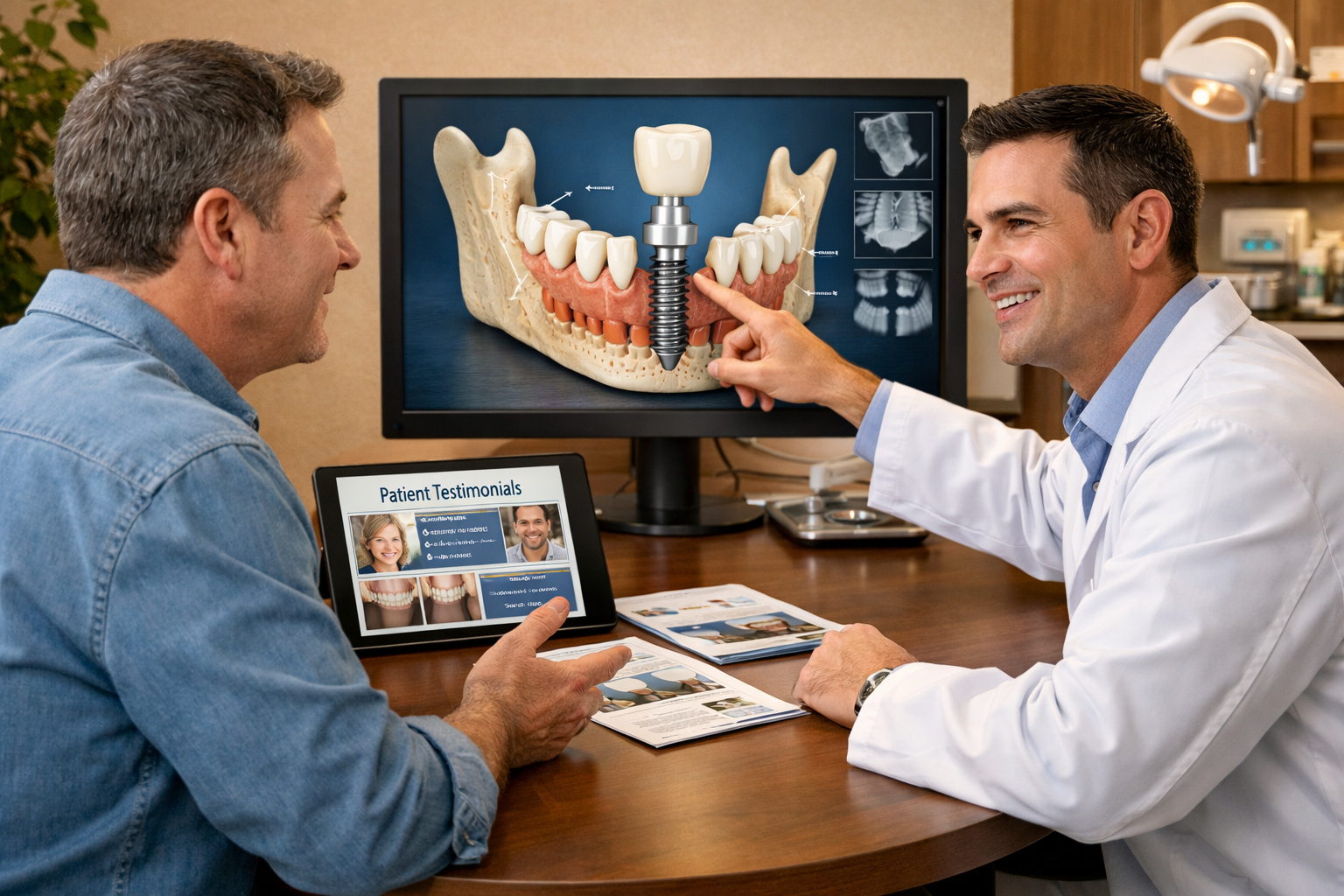
The consultation is your opportunity to thoroughly evaluate a potential dental implant specialist. Asking the right questions is key to understanding their approach, experience, and how they would handle your specific case. When figuring out how to choose a dental implant specialist in Texas, these questions will guide your decision.
Essential Questions About Experience and Training
- What are your specific qualifications and certifications in dental implantology?
- Why ask: This clarifies their foundational training and whether they are a periodontist, oral surgeon, prosthodontist, or general dentist with advanced implant training.
- How many dental implant procedures have you performed, and what is your success rate?
- Why ask: Direct experience matters. A specialist with a high volume of successful cases is generally more skilled and experienced in handling various scenarios. While success rates can vary by case complexity, a general figure can be reassuring.
- Do you have experience with cases similar to mine? Can you show me before and after photos?
- Why ask: Seeing examples of their work on cases similar to yours can provide confidence in their aesthetic and functional outcomes.
- What continuing education in dental implant techniques have you completed in the past year or two?
- Why ask: This demonstrates their commitment to staying current with the latest advancements and technologies in the field, crucial in 2026.
Questions About the Treatment Process and Technology
- What diagnostic tools do you use for treatment planning (e.g., CBCT scans, digital impressions)?
- Why ask: Advanced imaging allows for precise planning, reducing risks and improving outcomes. Computer-guided surgery is another technological advancement that aids precision.
- Will you be performing the entire procedure, or will other specialists be involved?
- Why ask: Understanding if it’s a single doctor or a team approach (e.g., surgeon for placement, prosthodontist for restoration) helps you manage expectations and coordinate care.
- What is the typical timeline for the dental implant process, from start to finish, for a case like mine?
- Why ask: Dental implant treatment can be a lengthy process, often involving multiple stages. Knowing the timeline helps you plan accordingly. For a detailed overview, check our guide on how long does dental implant process take.
- What type of anesthesia or sedation options are available, and what are your recommendations?
- Why ask: Patient comfort is important. Discussing options like local anesthesia, nitrous oxide, oral sedation, or IV sedation (twilight sleep) can help alleviate anxiety. Read more about dental implant with sedation twilight sleep.
- What are the potential risks and complications associated with dental implants, and how do you mitigate them?
- Why ask: While dental implants are highly successful, complications can occur. A transparent specialist will discuss these openly and explain their strategies for prevention and management. Understanding potential issues like dental implant recovery complications in Dallas is crucial.
- What is your post-operative care protocol, and what kind of follow-up should I expect?
- Why ask: Proper aftercare is crucial for healing and long-term success. Ensure they have clear instructions and follow-up schedules. For more information, see our essential guide to post-dental implant instructions.
Questions About Costs and Patient Support
- Can you provide a detailed breakdown of all costs, including the implant, abutment, crown, and any ancillary procedures like bone grafting?
- Why ask: Full transparency on costs helps you budget and avoid surprises.
- What are my payment options, and do you offer financing plans?
- Why ask: This helps you understand affordability and whether the practice offers flexible payment solutions.
- How does your office handle insurance claims for dental implants?
- Why ask: Navigating insurance can be complex. A knowledgeable office staff can make this process much smoother.
- What emergency protocols do you have in place if I experience an issue outside of office hours?
- Why ask: Knowing you have support in case of an emergency can provide significant peace of mind. For context, you can refer to our guide on emergency dental implant care in Dallas 2026.
Assessing Your Candidacy for Dental Implants
During your consultation, the specialist will also assess if you are a suitable candidate for dental implants. This involves a thorough examination of your oral health, jawbone density, and overall health. Key factors typically considered include:
- Sufficient Bone Density: Adequate jawbone is crucial to support the implant. If bone density is insufficient, bone grafting may be necessary [1, 2, 3].
- Good Oral Health: Healthy gums and no active periodontal disease are essential for implant success [1, 2, 3].
- Overall Health: Certain systemic conditions or medications can affect healing and implant success. Conditions like uncontrolled diabetes, autoimmune diseases, or habits like smoking can impact eligibility [1, 2, 3, 5, 6].
- Commitment to Oral Hygiene: Maintaining excellent oral hygiene is vital for the long-term success of dental implants [1, 2, 3].
Your specialist will evaluate these factors and discuss if you are a good candidate for dental implants, and if so, what preparation might be needed [1, 2, 3, 4, 5, 6, 7, 8, 9]. If you’re a candidate, the discussion will then move to the specific type of implant and restoration that best fits your needs.
By asking these comprehensive questions and actively engaging in the consultation, you’ll gain a clear understanding of the specialist’s expertise and approach, making your decision on how to choose a dental implant specialist in Texas much easier and more confident.
Conclusion
Choosing the right dental implant specialist in Texas is arguably the most important step in achieving a successful and lasting smile restoration. This journey requires careful research, thoughtful consideration, and direct engagement with potential providers. By prioritizing specialists with robust credentials, extensive experience, a strong patient-focused reputation, and transparent communication, you are setting yourself up for the best possible outcome in 2026.
Remember that dental implants are a significant investment in your oral health and quality of life. Don’t rush the decision. Take the time to evaluate multiple options, ask probing questions during your consultations, and listen to your instincts. A specialist who inspires confidence, communicates clearly, and provides a comfortable, professional environment is likely the right choice for you.
Actionable Next Steps:
- Compile a Shortlist: Based on online research, referrals, and initial screenings, create a list of 2-3 top dental implant specialists in your area of Texas.
- Schedule Consultations: Contact each specialist to schedule a comprehensive consultation. Prepare your list of questions in advance.
- Review Treatment Plans & Costs: After your consultations, compare the proposed treatment plans, estimated costs, and payment options from each specialist.
- Trust Your Gut: Beyond the technical details, choose the specialist with whom you feel most comfortable and confident. Your rapport with your provider is key to a positive experience.
- Commit to Follow-Up Care: Once you’ve chosen a specialist and begun treatment, commit fully to their post-operative instructions and follow-up schedule to ensure the long-term success of your dental implants.
By following these steps, you will be well-equipped to confidently select the ideal dental implant specialist in Texas and embark on your path to a restored, radiant smile.
References
[1] Assessing Eligibility For Dental Implants From A Periodontists Perspective – https://www.westtexasperio.com/blog/assessing-eligibility-for-dental-implants-from-a-periodontists-perspective/
[2] Are You A Candidate For Dental Implants Key Factors To Consider – https://www.mirrorlakedentistry.com/heartland/heartland-blog/are-you-a-candidate-for-dental-implants-key-factors-to-consider
[3] Who Is A Good Candidate For Dental Implants – https://stonelakedentistry.com/who-is-a-good-candidate-for-dental-implants/
[4] Who Is Eligible For Same Day Dental Implants – https://thecdgofhouston.com/who-is-eligible-for-same-day-dental-implants/
[5] Important Things To Consider Before Getting Dental Implants – https://texassedationdental.com/important-things-to-consider-before-getting-dental-implants/
[6] How Do I Know If Im A Candidate For Dental Implants – https://austinlakesdentistry.com/blog/how-do-i-know-if-im-a-candidate-for-dental-implants/
[7] Ask A Dentist Am I A Candidate For Dental Implants – https://www.ashleysmiledental.com/blog/ask-a-dentist-am-i-a-candidate-for-dental-implants/
[8] Who Is A Candidate – https://www.widneroms.com/dental-implants/who-is-a-candidate/
[9] Become A Candidate For Dental Implants Explore Your Options Today – https://www.excellentdentalspecialists.com/blog/become-a-candidate-for-dental-implants-explore-your-options-today/
Leave a Reply
Share your thoughts or ask a question about dental implants. Your email address will not be published.