

When I first started helping patients navigate their dental implant journey, I realized that understanding the dental implant recovery process can make the difference between a smooth healing experience and unnecessary complications. 🦷 Whether you’re considering implants or have already scheduled your procedure, knowing what to expect during recovery empowers you to take control of your healing journey and achieve the best possible results.
Key Takeaways
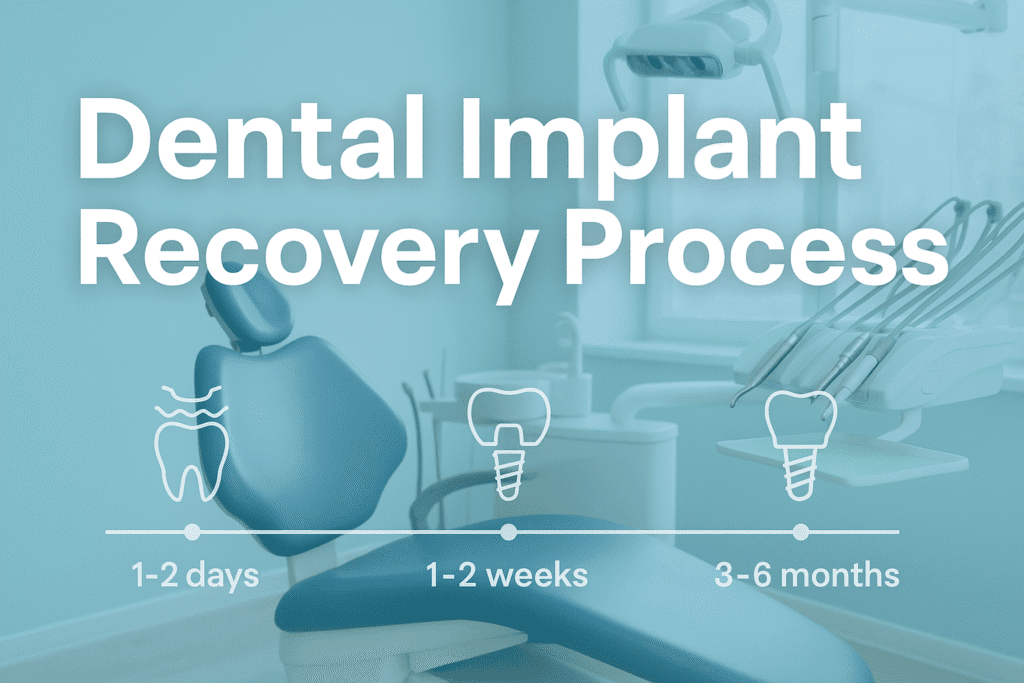
• The dental implant recovery process typically takes 3-6 months, with initial healing occurring in the first 1-2 weeks
• Following proper aftercare instructions significantly reduces complications and promotes faster healing
• Diet modifications and oral hygiene adjustments are crucial during the first few weeks of recovery
• Regular follow-up appointments ensure your implant integrates properly with your jawbone
• Most patients can return to normal activities within 3-7 days after surgery
What Is the Dental Implant Recovery Process?
The dental implant recovery process refers to the healing period following implant surgery, during which your body integrates the titanium implant with your natural bone tissue. This biological process, called osseointegration, is essential for creating a stable foundation for your new tooth.
Recovery involves several distinct phases, each with specific care requirements and milestones. Understanding these phases helps you prepare mentally and physically for the journey ahead, ensuring you take the right steps to promote optimal healing.
During this time, your body works to accept the implant as a natural part of your oral structure. The success of your dental implant procedure depends largely on how well you follow recovery guidelines and maintain proper oral health throughout the healing period.
Timeline of the Dental Implant Recovery Process
Immediate Recovery (First 24-48 Hours)
The first two days after surgery are critical for setting the foundation of successful healing. During this period, you’ll experience:
- Bleeding: Light bleeding is normal and should gradually decrease
- Swelling: Peak swelling typically occurs 48-72 hours post-surgery
- Discomfort: Manageable pain that responds well to prescribed medications
- Dietary restrictions: Soft foods and liquids only
Your oral surgeon will provide specific instructions for managing these symptoms. Ice packs applied for 15-20 minutes at a time can help control swelling, while prescribed pain medications keep discomfort manageable.
Early Healing Phase (1-2 Weeks)
During the early healing phase of the dental implant recovery process, your soft tissues begin to heal around the implant site. Key developments include:
- Reduced swelling and discomfort
- Soft tissue closure over the implant site
- Gradual return to normal eating with continued dietary modifications
- Initial bone healing begins around the implant
Most patients can return to work and light activities within 3-7 days, depending on their individual healing response and the complexity of their procedure.
Osseointegration Period (2-6 Months)
The longest phase of the dental implant recovery process involves osseointegration, where your jawbone grows around and fuses with the implant surface. This process:
- Creates a permanent bond between implant and bone
- Provides stability for your future crown or prosthetic
- Requires patience as rushing can compromise success
- Benefits from healthy lifestyle choices like proper nutrition and avoiding smoking
During this time, you’ll have periodic check-ups to monitor healing progress and ensure everything is developing as expected.
Managing Pain and Discomfort During Recovery
Effective pain management is a crucial component of the dental implant recovery process. Most patients experience mild to moderate discomfort that peaks within the first 2-3 days and gradually subsides.
Medication Management
Your oral surgeon will prescribe appropriate pain medications based on your procedure’s complexity and individual needs. Common options include:
- Over-the-counter NSAIDs like ibuprofen for inflammation control
- Prescription pain relievers for more complex procedures
- Antibiotics to prevent infection when indicated
Taking medications as prescribed, even before pain becomes severe, helps maintain consistent comfort levels throughout recovery.
Natural Pain Relief Methods
Complementing medication with natural approaches can enhance your comfort:
- Cold therapy for the first 48 hours to reduce swelling
- Warm compresses after day 3 to promote circulation
- Elevation while sleeping to minimize swelling
- Gentle saltwater rinses after 24 hours to soothe tissues
Dietary Guidelines During the Dental Implant Recovery Process
Proper nutrition plays a vital role in healing while protecting your surgical site from damage. Your diet will evolve throughout the recovery phases.
First Week: Soft Foods Only
During the initial phase of the dental implant recovery process, stick to:
Recommended Foods:
- Smoothies and protein shakes
- Yogurt and pudding
- Mashed potatoes and soft pasta
- Scrambled eggs
- Soup (lukewarm, not hot)
Foods to Avoid:
- Hard, crunchy, or chewy foods
- Hot beverages and foods
- Spicy or acidic items
- Alcohol and carbonated drinks
For comprehensive guidance on appropriate foods during recovery, check out our detailed list of 50 soft foods after dental implant surgery.
Weeks 2-8: Gradual Reintroduction
As healing progresses, you can gradually reintroduce more textured foods while avoiding anything that could disturb the implant site. Focus on nutrient-dense options that support healing, including:
- Protein-rich foods for tissue repair
- Vitamin C sources for collagen production
- Calcium and vitamin D for bone health
- Anti-inflammatory foods like leafy greens and fish
Oral Hygiene During Recovery
Maintaining oral hygiene during the dental implant recovery process requires special care to protect the healing site while preventing infection.
First 24 Hours
- Avoid rinsing to allow blood clot formation
- No brushing near the surgical site
- Gentle care for the rest of your mouth
Days 2-14
- Gentle saltwater rinses 2-3 times daily
- Soft-bristled toothbrush for unaffected areas
- Avoid the implant site when brushing
- No flossing around the surgical area
Long-term Care
Once your oral surgeon clears you for normal hygiene, establish a routine that protects your investment:
- Use the best toothpaste for implants designed for implant care
- Consider a water flosser for dental implants for gentle yet effective cleaning
- Regular professional cleanings and check-ups
Warning Signs and When to Call Your Dentist
While the dental implant recovery process is generally straightforward, certain symptoms warrant immediate attention:
Call Your Oral Surgeon If You Experience:
- 🚨 Severe, worsening pain after day 3
- 🚨 Excessive bleeding that doesn’t respond to pressure
- 🚨 Signs of infection (fever, pus, increasing swelling)
- 🚨 Implant movement or loosening
- 🚨 Persistent numbness beyond expected timeframes
Early intervention can prevent minor issues from becoming major complications. Don’t hesitate to contact your dental team with concerns.
Factors That Affect Recovery Time
Several factors influence how quickly and successfully you’ll progress through the dental implant recovery process:
Patient-Related Factors
- Age and overall health status
- Bone density and quality
- Smoking and alcohol consumption
- Compliance with aftercare instructions
- Existing medical conditions like diabetes
Procedure-Related Factors
- Number of implants placed
- Need for bone grafting or other supplemental procedures
- Implant location in the mouth
- Surgical technique used
Understanding these factors helps set realistic expectations for your recovery timeline.
Supporting Your Body’s Healing Process
Optimizing your body’s natural healing ability accelerates the dental implant recovery process and improves outcomes.
Lifestyle Modifications
Do:
- Get adequate sleep (7-9 hours nightly)
- Stay hydrated with plenty of water
- Eat nutrient-dense foods
- Take prescribed supplements
- Avoid strenuous exercise initially
Avoid:
- Smoking and tobacco products
- Excessive alcohol consumption
- High-impact activities for the first week
- Stress and poor sleep habits
Nutritional Support
Certain nutrients specifically support implant healing:
- Vitamin D and Calcium for bone integration
- Vitamin C for collagen synthesis
- Protein for tissue repair
- Omega-3 fatty acids for anti-inflammatory effects
Follow-Up Care and Monitoring
Regular follow-up appointments are essential components of the dental implant recovery process. These visits allow your dental team to:
Monitor Healing Progress
- Assess soft tissue healing
- Check for signs of infection
- Evaluate osseointegration
- Address any concerns promptly
Plan Next Steps
Depending on your healing progress, your team will schedule:
- Abutment placement when osseointegration is complete
- Crown fabrication and placement
- Final adjustments and bite optimization
For patients receiving comprehensive treatment, understanding the 2-month milestone after All-on-4 implants helps set appropriate expectations.
Long-Term Success and Maintenance
The dental implant recovery process extends beyond initial healing to include long-term maintenance strategies that ensure lasting success.
Ongoing Care Requirements
- Regular dental cleanings every 3-6 months
- Professional implant maintenance as recommended
- Daily oral hygiene with implant-specific products
- Periodic X-rays to monitor bone levels
Protecting Your Investment
Dental implants can last decades with proper care. Protect your investment by:
- Avoiding hard foods that could damage crowns
- Using night guards if you grind your teeth
- Maintaining excellent oral hygiene
- Addressing issues promptly when they arise
🦷 Dental Implant Recovery Timeline Calculator
Get your personalized recovery timeline based on your specific procedure
Conclusion
The dental implant recovery process is a journey that requires patience, commitment, and proper care, but the results are truly life-changing. By understanding what to expect during each phase of healing, following your oral surgeon’s instructions carefully, and maintaining excellent oral hygiene, you’re setting yourself up for long-term success.
Remember that every patient’s recovery experience is unique, influenced by factors like overall health, procedure complexity, and adherence to aftercare guidelines. While the timeline may vary, the fundamental principles of successful healing remain consistent across all cases.
Your Next Steps:
- Schedule a consultation with a qualified oral surgeon to discuss your specific needs
- Prepare your home with soft foods and recovery supplies before surgery
- Arrange support from family or friends during the initial recovery period
- Follow all pre and post-operative instructions provided by your dental team
- Maintain realistic expectations about the recovery timeline and process
If you’re ready to explore dental implant options or need expert guidance through the recovery process, contact our experienced team to learn more about how we can help you achieve the smile you deserve. Our comprehensive approach to implant dentistry ensures you receive the highest quality care throughout your entire journey.
Your investment in dental implants is an investment in your quality of life, confidence, and long-term oral health. With proper care and patience during the recovery process, you’ll soon enjoy the benefits of a fully restored, beautiful smile that can last a lifetime.
Leave a Reply
Share your thoughts or ask a question about dental implants. Your email address will not be published.