

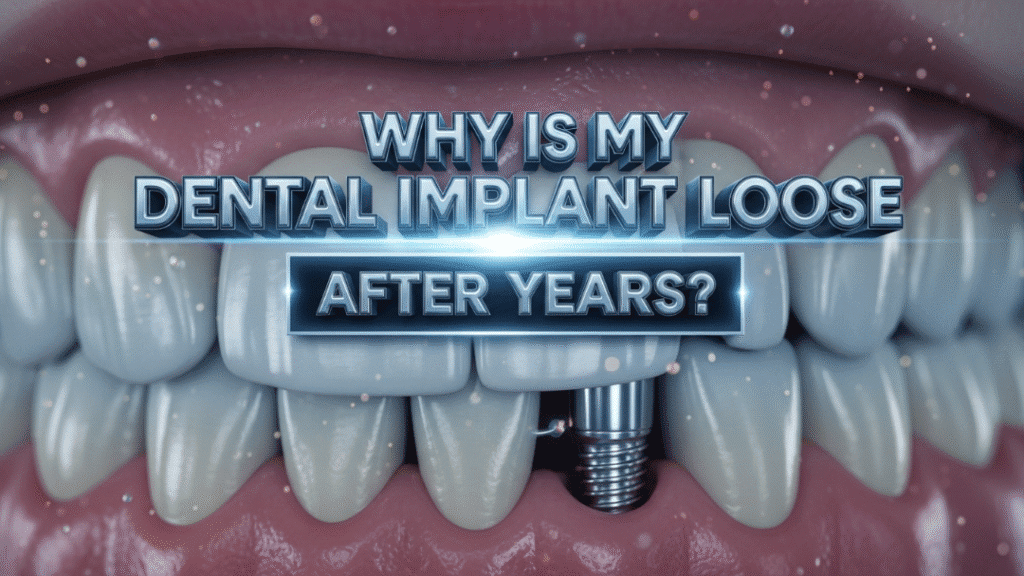
Have you been enjoying your dental implant for years, only to suddenly notice it feels different when you bite down? That unsettling wiggle or shift in what once felt rock-solid can be alarming. You’re not alone—many patients experience dental implant loose after years of successful function, and understanding why this happens is the first step toward getting your smile back on track.
While dental implants boast impressive success rates of 95-98%, they’re not immune to complications that can develop over time. The good news? Most issues with loose implants can be addressed effectively when caught early, and with proper care, you can often prevent these problems from occurring in the first place.
Key Takeaways
- Late implant loosening typically results from infection (peri-implantitis), bone loss, or mechanical complications rather than initial placement issues
- Early detection through regular dental visits significantly improves treatment outcomes and may save your implant
- Proper oral hygiene and lifestyle choices play crucial roles in preventing long-term implant complications
- Treatment options range from simple adjustments to more complex procedures, depending on the underlying cause
- Professional evaluation is essential—never ignore signs of implant mobility or discomfort
Understanding Long-Term Dental Implant Stability
When your dental implant was first placed, it underwent a remarkable process called osseointegration—where your jawbone literally grew around and fused with the titanium implant. This biological bond typically takes 3-6 months to fully develop and creates the foundation for your implant’s long-term success.
However, dental implant stability years after placement depends on several ongoing factors. Your implant exists within a dynamic oral environment where bacteria, mechanical forces, and biological changes constantly interact. Unlike natural teeth, which have a periodontal ligament providing some shock absorption, implants rely entirely on their direct bone connection for stability.
The reality is that a dental implant loose after years of service often signals changes in this delicate balance. Understanding these factors helps explain why an implant that felt perfectly secure for years might suddenly develop mobility.
Common Causes of Dental Implant Loosening After Many Years
Understanding the causes dental implant loosening long-term empowers you to recognize potential problems early and take preventive action. Let’s explore the most common culprits behind late implant failure reasons.
Peri-implantitis and Infection
Peri-implantitis infection implant loosening represents one of the most serious threats to long-term implant success. This condition mirrors gum disease around natural teeth but can progress more rapidly and destructively around implants.
Peri-implantitis begins when bacteria accumulate around the implant crown and work their way down to the implant-bone interface. Unlike natural teeth, implants lack the natural protective mechanisms that help fight infection, making them more vulnerable once bacteria establish themselves.
Signs of peri-implantitis include:
- Bleeding or swollen gums around the implant
- Bad taste or odor near the implant site
- Visible pus or discharge
- Gradual loosening of the implant
- X-ray evidence of bone loss around the implant
The infection causes progressive bone loss, gradually weakening the implant’s foundation until it becomes mobile. Early intervention is crucial—once significant bone loss occurs, saving the implant becomes much more challenging.
Bone Loss and Reduced Jawbone Density
Bone loss implant failure can occur even without active infection. Natural aging, hormonal changes (particularly in post-menopausal women), certain medications, and systemic health conditions can all contribute to reduced jawbone density impact on implant stability.
Your jawbone requires constant stimulation to maintain its density. While implants provide some of this stimulation, it’s not identical to natural tooth roots. Over time, some patients experience gradual bone remodeling that can affect implant support.
Factors contributing to bone loss include:
- Osteoporosis or osteopenia
- Certain medications (bisphosphonates, steroids)
- Smoking and tobacco use
- Diabetes or other systemic conditions
- Lack of adequate oral stimulation
Mechanical and Prosthetic Complications
Screw loosening dental implant components represents another common cause of mobility years after placement. Your implant system consists of multiple components—the implant itself, an abutment, and the crown—all held together by precisely engineered connections.
Over years of normal function, these connections can experience wear or loosening. Sometimes, what feels like a loose implant is actually a loose abutment screw or crown, which is often much easier to address than true implant mobility.
Mechanical complications include:
- Abutment screw loosening
- Crown cement failure
- Implant fracture (rare but possible)
- Prosthetic wear requiring adjustment
- Excessive bite forces causing component failure
Signs and Symptoms of a Loose Dental Implant
Recognizing symptoms loose dental implant early can make the difference between a simple repair and implant loss. Your body often provides subtle warning signs before problems become severe.
Physical symptoms to watch for:
- Mobility: Any movement when you press on the crown with your tongue or finger
- Discomfort: Pain or pressure when biting or chewing
- Changes in bite: Feeling like your teeth don’t come together properly
- Sensitivity: Unusual temperature sensitivity around the implant
- Swelling: Persistent puffiness in the gums around the implant
Functional changes include:
- Difficulty chewing certain foods
- Food getting trapped around the implant more frequently
- Changes in speech patterns
- A “different” feeling when biting down
Don’t ignore these implant mobility signs—even subtle changes warrant professional evaluation. What seems minor today could indicate a developing problem that’s much easier to address in its early stages.
Dental Implant Symptom Checker
Check the symptoms you’re experiencing to assess your implant’s condition
Diagnosing Long-Term Implant Looseness
Professional implant looseness diagnosis involves several sophisticated techniques that go far beyond what you can assess at home. Your dentist uses multiple diagnostic tools to determine not just whether your implant is loose, but why it’s loose and what can be done about it.
Clinical examination includes:
- Mobility testing: Using specialized instruments to measure any movement
- Percussion testing: Tapping the implant to assess the sound and feel
- Probing depths: Measuring pocket depths around the implant
- Visual inspection: Looking for signs of inflammation, recession, or damage
Advanced diagnostic imaging:
- Periapical X-rays: Show bone levels around the implant
- Panoramic radiographs: Provide broader view of surrounding structures
- 3D cone beam CT scans: Offer detailed three-dimensional assessment
- Comparison with baseline images: Track changes over time
The dental implant evaluation process also considers your medical history, medications, and lifestyle factors that might contribute to implant complications. This comprehensive approach ensures accurate diagnosis and appropriate treatment planning.

Treatment Options for Loose Dental Implants After Years
The approach to fix loose dental implant problems depends entirely on the underlying cause and severity of the issue. Modern dentistry offers several treatment loose implant options, ranging from simple adjustments to more complex reconstructive procedures.
Non-Surgical Treatments
For early-stage problems:
- Professional cleaning: Deep cleaning around the implant to remove bacteria and debris
- Antibiotic therapy: Targeted treatment for peri-implantitis
- Screw tightening: Simple procedure if the abutment screw has loosened
- Bite adjustment: Reducing excessive forces on the implant
- Improved home care: Enhanced cleaning protocols with specialized tools
Surgical Interventions
For advanced complications:
- Regenerative procedures: Bone grafting to rebuild lost support
- Implant surface decontamination: Specialized cleaning of the implant surface
- Soft tissue grafting: Rebuilding healthy gums around the implant
- Component replacement: Replacing damaged abutments or crowns
When Implant Removal Is Necessary
Sometimes, despite best efforts, an implant cannot be saved. In these cases, the focus shifts to:
- Safe implant removal with minimal tissue damage
- Site preservation and healing
- Planning for future implant replacement
- Temporary restoration options during healing
The good news? Even if an implant must be removed, replacement is often possible once the site has healed and any underlying issues have been addressed.
Preventing Implant Loosening Over Time
Prevent implant loosening through consistent, proactive care that addresses the factors most likely to cause problems. Your daily habits and professional care routine play crucial roles in maintaining long-term implant stability.
Essential Daily Care
Dental implant care tips for daily maintenance:
- Gentle brushing: Use a soft-bristled toothbrush twice daily
- Specialized flossing: Implant-specific floss or water flossers work best
- Antimicrobial rinse: Helps control bacteria around implants
- Avoid hard foods: Protect against excessive mechanical stress
- No smoking: Tobacco dramatically increases implant failure risk
Professional Maintenance
Regular dental implant follow-up appointments are essential for early problem detection. These visits typically include:
- Professional cleaning with implant-safe instruments
- Radiographic monitoring of bone levels
- Assessment of implant components
- Bite evaluation and adjustment if needed
- Updates to your home care routine
Understanding your dental implant warranty can also provide peace of mind and financial protection should complications arise.
Lifestyle Factors
Long-term success factors:
- Manage systemic health: Control diabetes, osteoporosis, and other conditions
- Stress management: Reduce teeth grinding and clenching
- Regular exercise: Promotes overall bone health
- Proper nutrition: Support bone and tissue health with adequate calcium and vitamin D
- Medication awareness: Discuss any new medications with your dentist
Managing Complications and Concerns
If you’re experiencing issues with your implant, understanding related complications can help you communicate effectively with your dental team. Gum disease around dental implants requires different management than periodontal disease around natural teeth.
Some patients also experience dental implant sensitivity to cold or other temperature changes, which can sometimes indicate developing problems. Additionally, proper pain management, including understanding when to use ibuprofen after dental implant surgery, remains important even years after placement.
Warning signs requiring immediate attention:
- Sudden onset of severe pain
- Visible dental implant bleeding without trauma
- Rapid swelling or fever
- Obvious implant movement
- Signs of infection or pus
Frequently Asked Questions About Dental Implant Loosening After Years
Can dental implants become loose after many years? Yes, dental implants can develop mobility years after successful placement. While implants have excellent long-term success rates, factors like infection, bone loss, or mechanical complications can cause loosening over time. Early detection and treatment often lead to successful outcomes.
What causes late dental implant failure? The most common causes include peri-implantitis (infection around the implant), gradual bone loss, mechanical component failure, excessive bite forces, and poor oral hygiene. Systemic health changes and certain medications can also contribute to late implant complications.
Is it possible to save a loose dental implant? Many loose implants can be saved, especially when problems are caught early. Treatment success depends on the underlying cause—loose screws can often be simply retightened, while infections may require more extensive treatment. Even advanced cases sometimes respond well to regenerative procedures.
How do dentists diagnose implant looseness? Diagnosis involves clinical examination, mobility testing, X-rays, and sometimes advanced 3D imaging. Your dentist will also review your medical history and assess factors that might contribute to implant complications. Comparing current images to baseline radiographs helps track changes over time.
How can I prevent my implant from becoming loose? Prevention focuses on excellent oral hygiene, regular professional maintenance, avoiding tobacco, managing systemic health conditions, and protecting your implants from excessive forces. Following your dentist’s specific care instructions and attending regular checkups are crucial for long-term success.
The Role of Professional Support
Understanding the costs associated with implant maintenance can help you budget for long-term care. Dental implant cleaning cost in Dallas varies depending on the complexity of your needs, but regular maintenance is always more cost-effective than treating complications.
For patients requiring additional support during healing or treatment, options like temporary teeth during implant healing ensure you can maintain function and confidence throughout the process.
Some patients also benefit from probiotics for dental implant healing, which may support the oral microbiome and promote healthy tissue around implants.
Maintaining Long-Term Dental Implant Stability for Lifelong Oral Health
A dental implant loose after years of successful function doesn’t have to mean the end of your implant journey. With proper diagnosis, appropriate treatment, and renewed commitment to preventive care, many patients successfully maintain their implants for decades.
The key lies in understanding that implant care is a lifelong commitment requiring partnership between you and your dental team. Regular monitoring, excellent home care, and prompt attention to any changes give you the best chance of enjoying your implant for many years to come.
Your next steps:
- Schedule an evaluation if you’re experiencing any concerning symptoms
- Review your home care routine with your dental hygienist
- Stay current with regular maintenance appointments
- Communicate openly with your dental team about any changes or concerns
Remember, at Dental Implants Dallas TX, we’re committed to supporting your implant success throughout your entire journey. Your smile deserves expert care, and we make it stress-free to maintain the confidence and function your implant provides.
Long-term implant stability is achievable with the right approach, and addressing problems early often leads to the best outcomes. Don’t let concerns about a loose implant prevent you from seeking the care you need—your future smile depends on taking action today.
Leave a Reply
Share your thoughts or ask a question about dental implants. Your email address will not be published.