

The thought of “dental implant horror stories” can be unsettling, but with proper information and careful decision-making, most patients can achieve excellent results from their dental implant procedures. While rare, complications can occur, underscoring the importance of choosing a qualified professional and understanding the process. This guide aims to educate Dallas patients on potential risks and how to significantly minimize them, ensuring a positive experience when considering this popular tooth replacement option.
Key Takeaways
- Dental implant failure is rare, with success rates often above 95%, but complications can arise from various factors.
- Common “horror stories” often stem from peri-implantitis, nerve damage, poor implant integration, or improper placement.
- Choosing an experienced, board-certified dentist or oral surgeon in Dallas is the most crucial step to prevent complications.
- Thorough pre-surgical assessment, including 3D imaging, is essential for precise implant placement and avoiding issues.
- Patient health conditions, such as uncontrolled diabetes or smoking, can increase the risk of implant failure.
- Maintaining diligent oral hygiene and attending regular follow-up appointments are vital for long-term implant success.
- Understanding the full dental implant procedure and associated costs, including potential bone grafts, is key to informed decision-making.
- Don’t hesitate to seek second opinions and ask detailed questions about a dentist’s experience and success rates.
Quick Answer
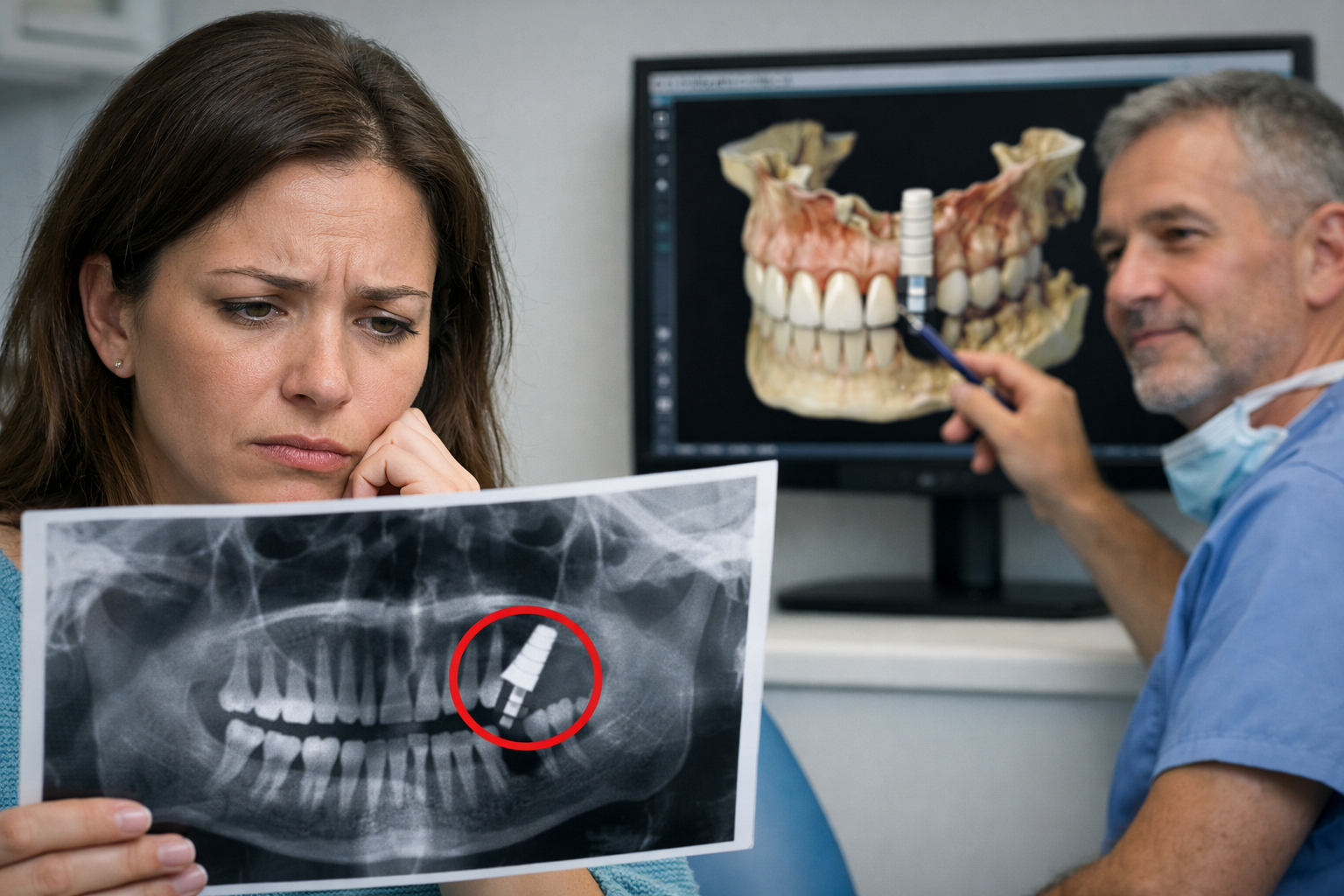
While unsettling stories about dental implants sometimes circulate, actual “dental implant horror stories” are largely preventable with careful patient selection, meticulous planning, and execution by a highly qualified dental professional. Most complications stem from factors like inadequate surgical planning, poor technique, or insufficient patient aftercare, all of which can be mitigated through informed choices and adherence to post-operative instructions.
What Are Common Dental Implant Horror Stories and Their Real Causes?
Common “dental implant horror stories” typically involve complications such as chronic pain, infection (peri-implantitis), nerve damage, or outright implant failure where the implant does not integrate with the bone. These issues often arise from a combination of factors including insufficient bone density, improper surgical technique, inadequate sterilization, or poor post-operative care.
Understanding Potential Complications
While dental implants are highly successful, no medical procedure is without risk. Here are some of the complications that can lead to negative experiences:
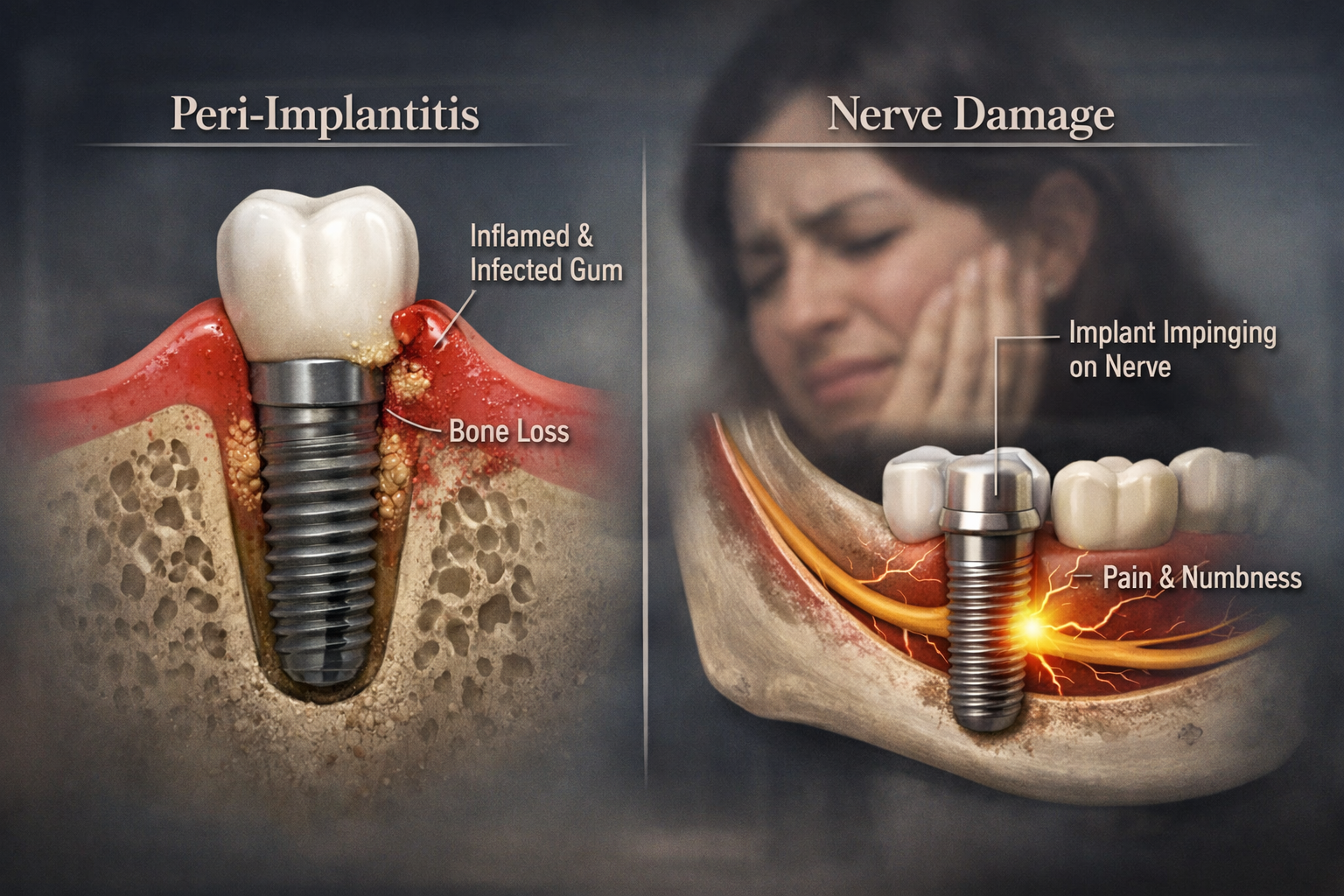
- Peri-implantitis: This is an inflammatory condition affecting the gum and bone tissues around a dental implant, similar to gum disease. If left untreated, it can lead to bone loss and implant failure. Causes often include poor oral hygiene, smoking, or uncontrolled systemic diseases.
- Nerve Damage: Although rare, implant placement, especially in the lower jaw, can injure nearby nerves, leading to numbness, tingling, or pain in the lip, chin, or tongue. This is often a result of inadequate pre-surgical imaging and planning, highlighting the importance of 3D Guided Dental Implants in Dallas for precision.
- Failed Osseointegration: This occurs when the dental implant fails to fuse with the jawbone. It can be due to poor bone quality, premature loading of the implant, infection, or certain medical conditions that impair healing.
- Implant Fractures: While durable, implants can fracture due to excessive biting forces, poorly designed prosthetics, or grinding habits.
- Sinus Perforation: During upper jaw implant placement, if the bone is thin, the implant can penetrate the sinus cavity. This might require a sinus lift procedure to provide sufficient bone, and if not managed properly, can lead to complications.
When considering tooth replacement options, it’s essential to discuss all potential risks with your dentist during your consultation. A reputable Dallas dentist will always provide a transparent overview of the procedure, including rare but possible complications, to ensure you make an informed decision about your long-term oral health.
How Can Patients Avoid Dental Implant Horror Stories in Dallas?
The most effective way to avoid dental implant horror stories is to choose an experienced and highly qualified dental professional, undergo a thorough diagnostic process, and diligently follow all pre- and post-operative instructions. Patient safety is paramount, and these steps significantly reduce potential risks.
Steps to Ensure a Safe Dental Implant Experience
- Choose the Right Professional: This is arguably the most critical step. Look for dentists or oral surgeons in Dallas with extensive experience specifically in dental implant procedures. Verify their credentials, ask about their success rates, and look for patient testimonials. Specialists such as oral and maxillofacial surgeons or periodontists often have additional training in implantology. Ask about their continuing education in this field.
- Thorough Pre-Surgical Assessment: A comprehensive evaluation, including 3D cone-beam computed tomography (CBCT) scans, is crucial. This imaging allows the dentist to visualize bone density, nerve pathways, and sinus cavities, enabling precise placement and minimizing risks like nerve damage. This precision contributes to higher success rates.
- Discuss Your Medical History: Be transparent about your full medical history, including any chronic conditions (like diabetes), medications, allergies, and smoking habits. Certain conditions can impact healing and implant success, and your dentist needs this information to plan accordingly. For instance, dental implants for smokers in Dallas often require specific considerations.
- Understand the Treatment Plan and Costs: Ensure you have a clear understanding of every step of your dental implant procedure, including the timeline, materials used, and the total implant cost in Dallas. This includes understanding if additional procedures like a bone graft are necessary. Beware of unusually low prices, as they can sometimes indicate lower quality materials or less experienced practitioners.
- Follow Post-Operative Instructions: Adhering to your dentist’s post-operative care instructions is vital for proper healing and preventing infection. This includes medication, dietary restrictions, and oral hygiene practices.
- Maintain Excellent Oral Hygiene: Long-term success of dental implants relies on consistent, thorough oral hygiene, including regular brushing, flossing, and professional cleanings. Poor hygiene is a primary cause of peri-implantitis.
- Regular Follow-Up Appointments: Attend all scheduled follow-up visits. These appointments allow your dentist to monitor healing, check the implant’s stability, and address any concerns early.
Choosing a reputable clinic that prioritizes patient-first care and offers clear oral health education can make a significant difference in your dental implant journey.
What Red Flags Should Patients Watch Out For When Choosing a Dallas Dentist for Implants?
When seeking dental implants in Dallas, patients should be wary of several red flags that could indicate a higher risk of complications or an unsatisfactory experience. These include unusually low prices, a lack of transparent communication, insufficient diagnostic procedures, or high-pressure sales tactics.
Identifying Potential Issues
- Unrealistically Low Prices: While comparing Dallas dental implant costs is smart, be cautious of prices that seem significantly lower than the average. Extremely cheap dental implants might signal lower quality materials, less experienced providers, or hidden fees that emerge later. Quality dental implants are an investment in your long-term oral health.
- Lack of Detailed Consultation and Diagnostics: A reliable dentist will conduct a thorough examination, including 3D imaging, and discuss your full medical history before recommending implants. If a practice rushes through the consultation or doesn’t emphasize proper diagnostic work-up, it’s a warning sign.
- High-Pressure Sales Tactics: A professional, patient-focused practice will educate you on all your missing teeth solutions and allow you time to make an informed decision without pressure. Be wary of offers that expire quickly or push you into immediate commitment.
- Vague or Unclear Treatment Plan: You should receive a clear, written treatment plan outlining each step of the procedure, expected timeline, and a detailed breakdown of all costs. If information is vague or constantly changing, it’s a concern.
- Lack of Experience or Specialization: While general dentists can place implants, those with specialized training in oral surgery or periodontics often have more extensive experience with complex cases. Don’t hesitate to ask about the dentist’s specific experience and training in implantology.
- Poor Online Reviews or No Reviews: While not all negative reviews are critical, a pattern of complaints about complications, poor patient care, or communication issues should be a significant red flag. Look for top Dallas dental implant clinics with consistently positive feedback.
Choosing a trustworthy dental implant provider in Dallas is crucial for minimizing risks and ensuring a successful outcome. Always prioritize expertise, transparency, and a patient-first approach.

What Role Does Patient Education and Aftercare Play in Preventing “Horror Stories”?
Patient education and diligent aftercare are fundamental to preventing “dental implant horror stories,” as they empower patients to actively participate in their healing process and maintain the long-term health of their implants. Understanding how to care for implants and recognizing early signs of issues can significantly improve success rates.
The Importance of Active Patient Involvement
- Understanding the Procedure: Well-informed patients are better prepared for what to expect during and after the implant surgery. This includes knowing the typical recovery timeline, potential discomfort, and necessary precautions. Your Dallas dental implant education should cover everything from the initial consultation to long-term maintenance.
- Adhering to Post-Operative Instructions: Following your dentist’s specific instructions regarding medication, diet, activity levels, and oral hygiene immediately after surgery is critical for proper healing and to prevent infection. This often involves avoiding hard foods, limiting strenuous activity, and using prescribed rinses.
- Commitment to Oral Hygiene: Dental implants, like natural teeth, require meticulous oral hygiene. This includes brushing twice daily, flossing (especially around the implant), and using interdental brushes or water flossers if recommended. Poor hygiene is a leading cause of peri-implantitis, a common cause of implant failure.
- Regular Dental Check-ups: Attending regular check-ups and professional cleanings, usually every six months, is essential. Your dentist can monitor the health of your implants, detect any potential issues early, and provide specialized cleaning to maintain the surrounding tissues.
- Lifestyle Factors: Understanding how lifestyle choices, such as smoking or excessive alcohol consumption, can negatively impact implant success is important. Your dentist will provide guidance on mitigating these risks.
- Recognizing Warning Signs: Patients should be educated on what constitutes a warning sign – persistent pain, swelling, bleeding, or implant mobility – and know when to contact their dentist immediately. Early intervention can often prevent minor issues from escalating into major complications.
By actively engaging in their own care and maintaining open communication with their dental team, patients in Dallas can significantly reduce their chances of experiencing dental implant complications and instead enjoy the long-term benefits of their missing teeth solutions.

Conclusion
While the term “dental implant horror stories” can sound alarming, it is important to remember that dental implant procedures boast high success rates when performed correctly on suitable candidates. The key to a positive outcome lies in meticulous planning, skilled execution by a qualified professional, and diligent patient aftercare. For those in Dallas considering dental implants, prioritizing a dentist with extensive experience, transparent communication, and a commitment to comprehensive patient education is paramount. By doing so, you can confidently pursue this effective tooth replacement option, ensuring your journey towards a healthier, more confident smile is a success.
References
- Albrektsson, T., & Sennerby, L. (1990). State of the art in oral implants. Journal of Oral Rehabilitation, 17(S1), 5-11.
- Misch, C. E. (2008). Contemporary Implant Dentistry (3rd ed.). Mosby Elsevier.
- Esposito, M., et al. (2012). Interventions for replacing missing teeth: dental implants in healthy patients. Cochrane Database of Systematic Reviews, (10), CD003815.
FAQ
Q1: Are dental implant horror stories common?
A1: No, severe dental implant complications leading to “horror stories” are relatively uncommon. The vast majority of dental implant procedures are successful, with success rates often exceeding 95%.
Q2: What is the most common reason for dental implant failure?
A2: The most common reasons for dental implant failure include peri-implantitis (infection around the implant), failed osseointegration (the implant not fusing with the bone), and factors like poor oral hygiene or smoking.
Q3: Can a dental implant cause nerve damage?
A3: While rare, nerve damage is a potential complication, especially during lower jaw implant placement. This risk is minimized through precise planning using 3D imaging by an experienced dentist.
Q4: How can I find a trustworthy dentist for dental implants in Dallas?
A4: Look for dentists with extensive experience in implantology, check their credentials, read patient reviews, and ensure they use advanced diagnostic tools like 3D imaging for planning. Always ask for a detailed treatment plan and cost breakdown.
Q5: Is pain common with dental implants?
A5: Some discomfort and swelling are normal after dental implant surgery, but severe or persistent pain is not. Your dentist will prescribe pain medication, and most patients manage recovery well. See “Demystifying Dental Implant Pain” for more details.
Q6: What role does smoking play in dental implant success?
A6: Smoking significantly increases the risk of dental implant failure and complications like peri-implantitis due to its negative effects on healing and blood flow. It is strongly advised to quit smoking before and after the procedure.
Q7: What is peri-implantitis?
A7: Peri-implantitis is an inflammatory condition affecting the tissues around a dental implant, similar to gum disease. It can lead to bone loss and implant failure if not treated promptly.
Q8: Should I get a second opinion for dental implant surgery?
A8: Yes, it is always a good idea to seek a second opinion, especially for complex cases or if you have any doubts about your treatment plan or the recommended costs.
Q9: Are dental implants permanent?
A9: With proper care and good oral hygiene, dental implants can last a lifetime, making them a durable and long-term solution for missing teeth.
Q10: What is the average cost of dental implants in Dallas?
A10: The average cost of dental implants in Dallas can vary widely depending on factors like the number of implants, the need for bone grafts, and the type of prosthetic. Refer to our “2026 Dallas Dental Implant Cost Update” for detailed pricing.
Related Reading
- Painless Dental Implant Techniques Dallas TX: Sedation Optio
- Why Dallas Dental Implant Prices Vary So Widely: Provider Ex
- Dental Implants After Tooth Extraction Dallas: Timing, Costs
- Demystifying Dental Implant Pain: Your 2025 Guide to a Confident Smile – Dallas Dental Implant Cost | Compare Prices, Options & Find Affordable Dentists
- Dental Implants vs Dentures Cost Comparison in Dallas TX: Lo
Leave a Reply
Share your thoughts or ask a question about dental implants. Your email address will not be published.