

When I first started helping patients understand their dental implant journey, I realized that nothing explained the healing process better than actual dental implant healing stages pictures. Seeing the transformation from initial placement to final restoration gives patients the confidence they need during their recovery period.
Key Takeaways
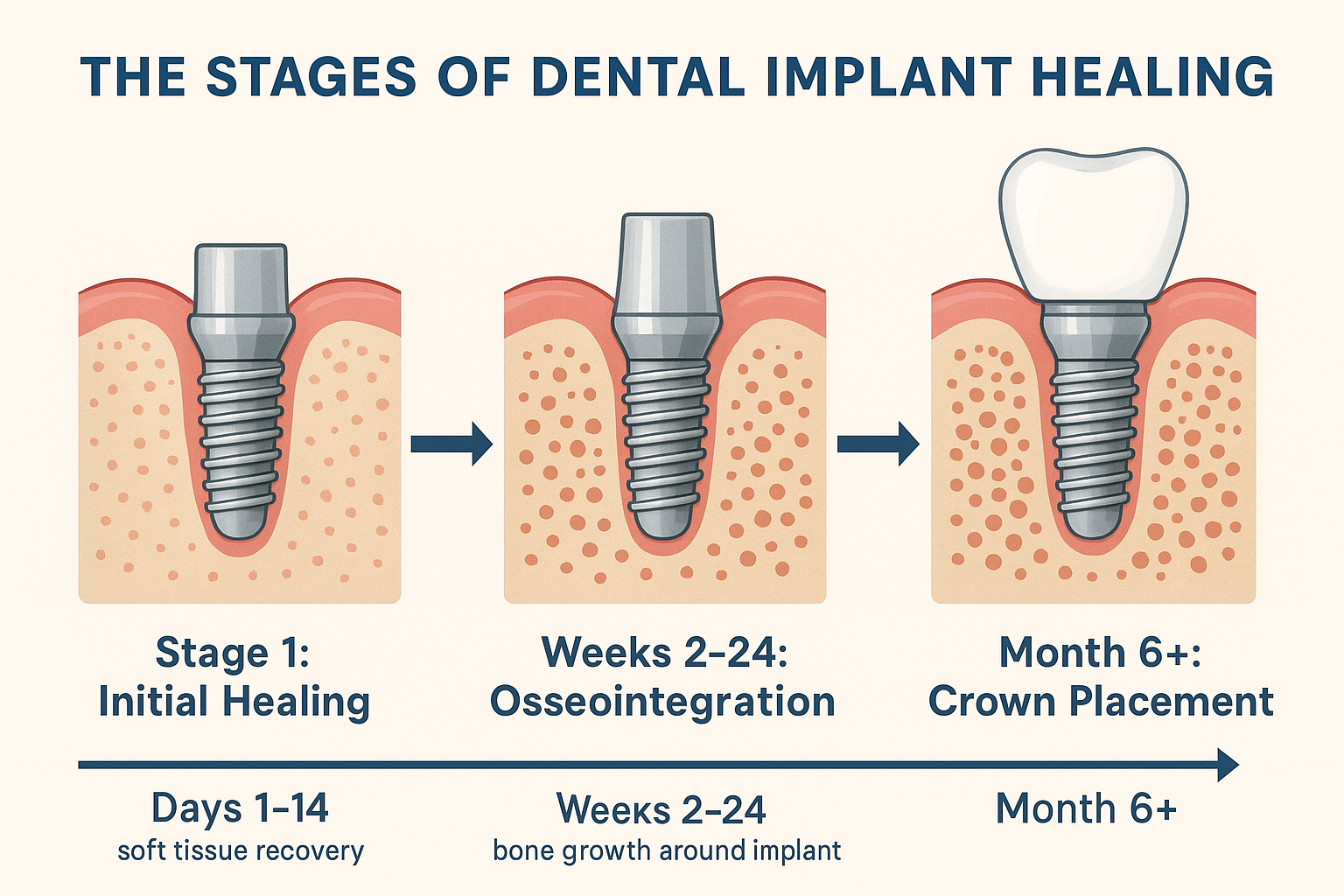
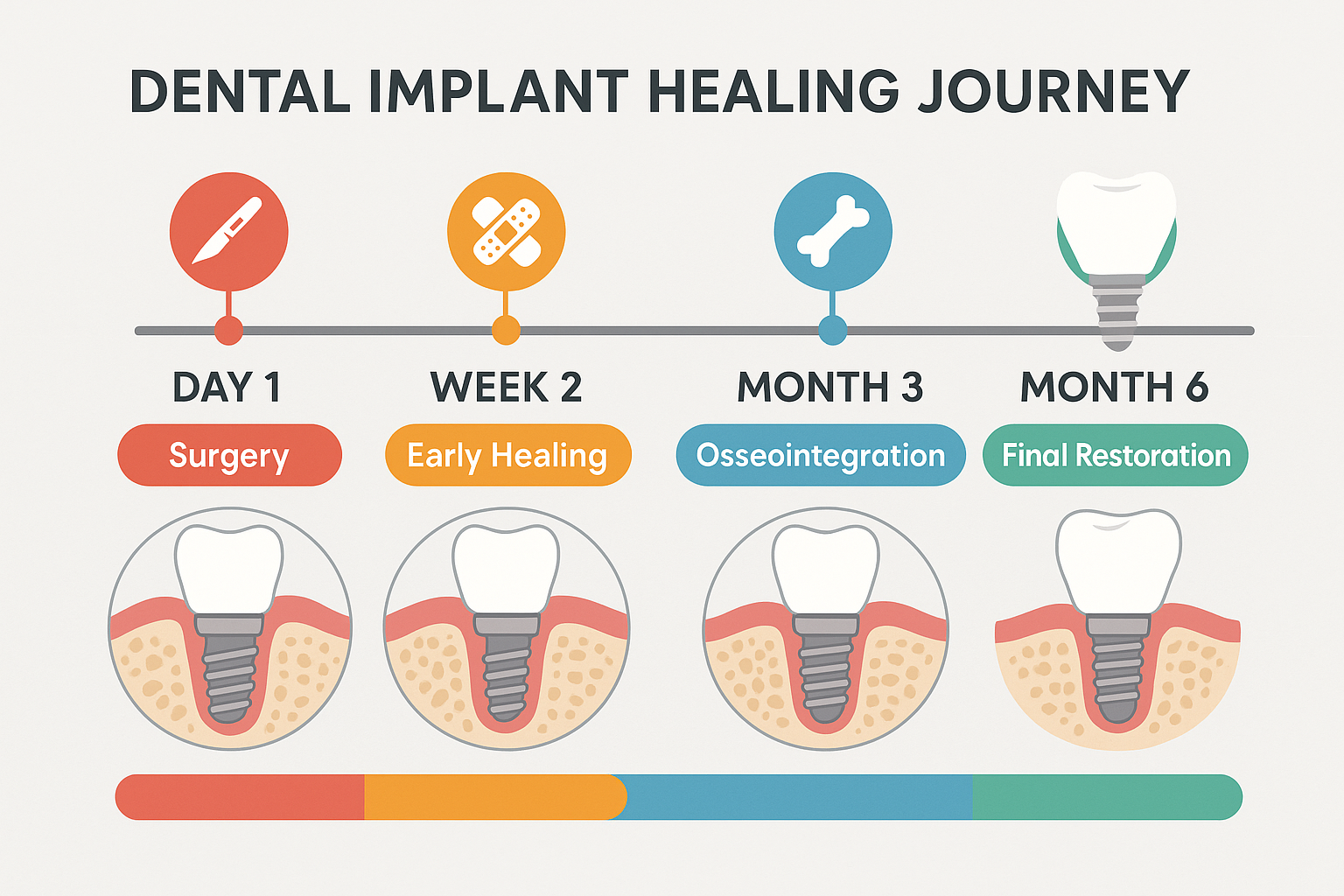
- Dental implant healing occurs in three distinct stages: initial healing (1-2 weeks), osseointegration (3-6 months), and final restoration placement
- Visual documentation helps patients track progress and identify potential complications early in the healing process
- Proper oral hygiene and following post-operative instructions are crucial for successful implant integration
- Healing time varies by individual but typically takes 3-6 months for complete osseointegration
- Professional monitoring throughout each stage ensures optimal outcomes and early intervention if needed
Understanding the Dental Implant Healing Timeline 📅
The dental implant healing stages represent a remarkable biological process where your body accepts and integrates a titanium implant into your jawbone. This healing timeline is predictable, yet varies slightly from person to person based on individual factors like bone density, oral health, and overall wellness.
What Makes Implant Healing Unique?
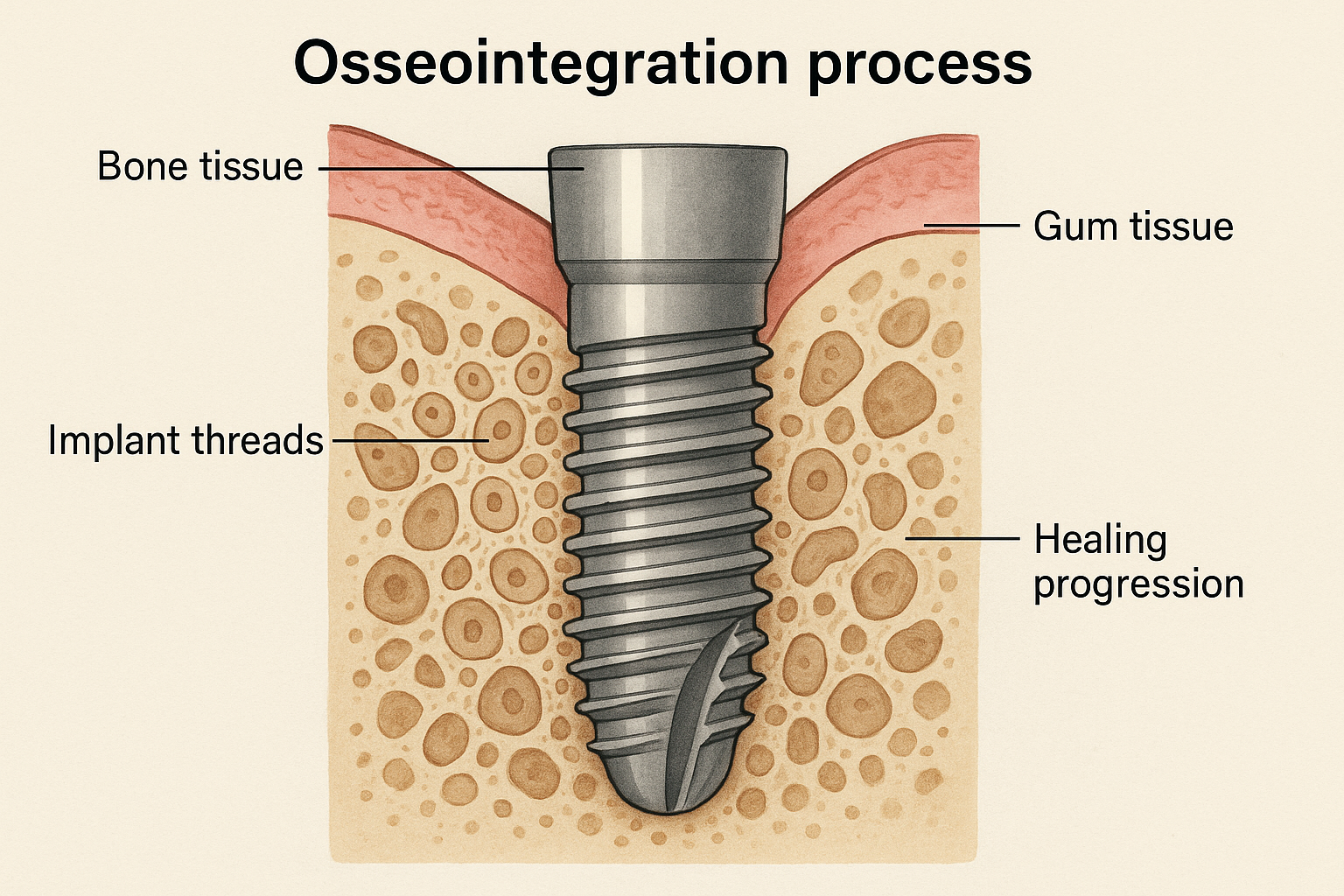
Unlike other dental procedures, dental implant healing stages pictures show a process called osseointegration – where living bone tissue grows around and bonds with the titanium implant surface. This creates a foundation stronger than natural tooth roots in many cases.
The entire healing process typically spans 3-6 months, but understanding each stage helps patients feel more confident about their investment in dental implants.
Stage 1: Initial Healing and Recovery (Days 1-14) 🩹
What to Expect in the First Few Days
The first few days after implant placement are crucial for establishing proper healing. During this initial recovery period, patients experience:
- Mild to moderate discomfort that peaks within 24-48 hours
- Swelling around the implant site that gradually subsides
- Minor bleeding that should stop within the first day
- Soft tissue healing around the gum area
Visual Changes During Week 1
Dental implant healing stages pictures from the first week typically show:
- Slight swelling and redness around the implant site
- A healing cap or temporary covering over the implant
- Gradual reduction in inflammation
- Formation of a blood clot that protects the surgical area
Care Instructions for Optimal Healing
To promote healing during this critical stage:
- Maintain good oral hygiene while avoiding the surgical site
- Take prescribed medications as directed
- Apply ice packs to reduce swelling
- Eat a soft diet for the first week
- Avoid smoking and alcohol consumption
“The first two weeks set the foundation for successful osseointegration. Patients who follow post-operative instructions carefully see significantly better outcomes.” – Dr. Sarah Chen, Oral Surgeon
Stage 2: Osseointegration Process (Weeks 2-24) 🦴
The Science of Bone Integration
Osseointegration represents the most critical phase of dental implant healing stages. During this healing period, your jawbone gradually grows around the titanium implant, creating a permanent bond that can last a lifetime.
Timeline of Osseointegration Events
| Time Period | Healing Activity | Visual Changes |
|---|---|---|
| Weeks 2-4 | Initial bone formation begins | Gum tissue fully heals |
| Weeks 4-8 | Soft bone tissue develops | Minimal visible changes |
| Weeks 8-16 | Bone density increases | Implant becomes more stable |
| Weeks 16-24 | Osseointegration completes | Ready for crown placement |
Monitoring Progress During Osseointegration
Healing pictures during this stage show:
- Complete gum healing around the implant
- No signs of infection or inflammation
- Stable implant position
- Healthy gum tissue around the implant
Your dentist will monitor progress through periodic check-ups and may take X-rays to confirm proper healing and bone integration.
Factors Affecting Osseointegration Success
Several factors influence how well your implant has fully integrated:
- Bone density at the implant site
- Good oral hygiene maintenance
- Overall health and immune function
- Smoking cessation during healing
- Following dietary restrictions
Understanding these factors helps patients make informed decisions about dental implant costs and treatment planning.
Stage 3: Final Restoration and Crown Placement (Month 6+) 👑
Completing Your Smile Transformation
The final stage of dental implant healing stages involves placing your permanent replacement tooth. This milestone represents the culmination of months of healing and represents your investment in long-term oral health.
The Crown Placement Process
During this appointment:
- Assessment of implant integration through clinical examination
- Impression taking for custom crown fabrication
- Temporary crown placement (if needed)
- Final crown installation and bite adjustment
What Success Looks Like
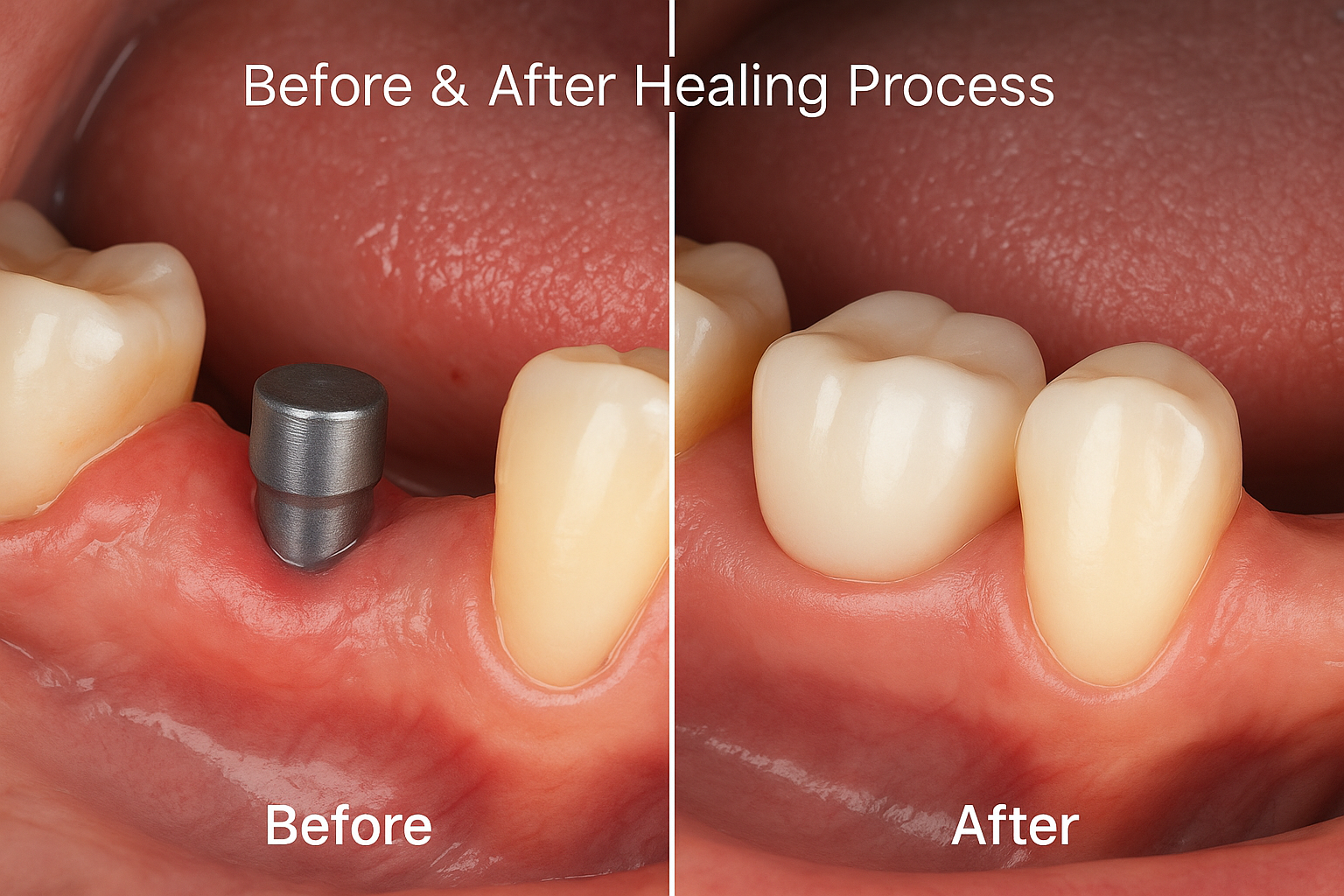
Implants before and after pictures at this stage demonstrate:
- Natural-looking gum contours
- Proper crown emergence profile
- Healthy tissue color and texture
- Seamless integration with adjacent teeth
Long-term Care Requirements
Dental implants require ongoing maintenance similar to natural teeth:
- Daily brushing and flossing around the implant
- Regular professional cleanings
- Periodic implant-specific maintenance
- Annual X-rays to monitor bone levels
🦷 Dental Implant Healing Timeline Tracker
Bone Graft Healing and Special Considerations 🦴
When Bone Grafts Are Necessary
Some patients require a bone graft procedure before or during implant placement. This additional step extends the healing timeline but ensures adequate bone support for long-term implant success.
Dental Bone Graft Healing Timeline
Dental bone graft healing follows a specific pattern:
- Initial healing: 2-3 weeks for soft tissue
- Bone formation: 3-4 months for new bone growth
- Maturation: 6-9 months for complete integration
Failed Bone Graft Pictures and Warning Signs
Failed bone graft pictures typically show:
- Persistent swelling beyond normal healing time
- Unusual discharge or odor
- Graft material exposure
- Lack of tissue coverage
Early recognition of complications allows for prompt intervention and improved outcomes. Patients should maintain regular follow-ups with their dental implant specialist throughout the healing process.
Advanced Implant Options and Healing Variations 🔬
All-on-4 Implants Healing Process
All-on-4 implants offer a unique healing timeline compared to traditional single implants. This full arch restoration technique allows for:
- Immediate temporary teeth placement
- Accelerated healing due to strategic implant positioning
- Shorter overall treatment time (3-4 months vs. 6 months)
Multiple Implant Healing Considerations
When replacing missing teeth with multiple implants, healing may vary between sites. Factors affecting healing time include:
- Individual implant locations
- Bone quality variations
- Surgical complexity
- Patient compliance with care instructions
Titanium Implant Integration
Titanium implant surfaces are specially treated to enhance osseointegration. Modern implant surfaces promote faster and more predictable bone bonding, often reducing overall healing time by 25-30%.
Optimizing Your Healing Process 🌟
Nutrition for Implant Healing
Proper nutrition supports natural healing and osseointegration:
- Protein: Essential for tissue repair and bone formation
- Vitamin C: Supports collagen synthesis and immune function
- Calcium and Vitamin D: Critical for bone development
- Omega-3 fatty acids: Reduce inflammation and promote healing
Lifestyle Factors That Impact Recovery
Several lifestyle choices significantly affect implant healing:
Smoking and Healing
Smoking dramatically increases implant failure risk by:
- Reducing blood flow to healing tissues
- Impairing immune system function
- Interfering with bone formation
- Increasing infection risk
Exercise and Activity Levels
Moderate exercise promotes healing, while excessive activity can:
- Increase bleeding risk in early stages
- Apply unwanted pressure on the implant
- Delay initial tissue healing
Home Care Protocols
Maintaining good oral hygiene during healing requires specific techniques:
- Gentle brushing around the implant site
- Antimicrobial mouth rinse as prescribed
- Soft diet modifications during early healing
- Regular follow-up appointments for professional monitoring
Monitoring Progress and Identifying Complications 🔍
Normal vs. Concerning Symptoms
Understanding normal healing helps patients identify when to contact their dentist:
Normal Healing Signs:
- Gradual reduction in swelling
- Decreasing discomfort over time
- Pink, healthy gum tissue
- Stable implant position
Warning Signs Requiring Attention:
- Increasing pain after day 3
- Persistent bleeding beyond 24 hours
- Signs of infection (fever, pus, unusual odor)
- Implant mobility or looseness
Professional Monitoring Schedule
Regular check-ups ensure proper healing and early intervention if needed:
- Week 1: Suture removal and initial healing assessment
- Month 1: Soft tissue healing evaluation
- Month 3: Osseointegration progress check
- Month 6: Final integration assessment before crown placement
Digital Monitoring and Documentation
Modern practices use digital tools to track healing:
- 3D imaging to assess bone formation
- Digital photography for visual progress documentation
- Stability measurements to confirm osseointegration
- Patient-reported outcome tracking for comprehensive care
Long-term Success and Maintenance 🏆
Implant Longevity Statistics
When properly cared for, dental implants demonstrate excellent long-term success:
- 95-98% success rate at 10 years
- 90-95% success rate at 20 years
- Proper maintenance significantly extends implant lifespan
Ongoing Care Requirements
Dental implants require specific maintenance protocols:
Daily Care:
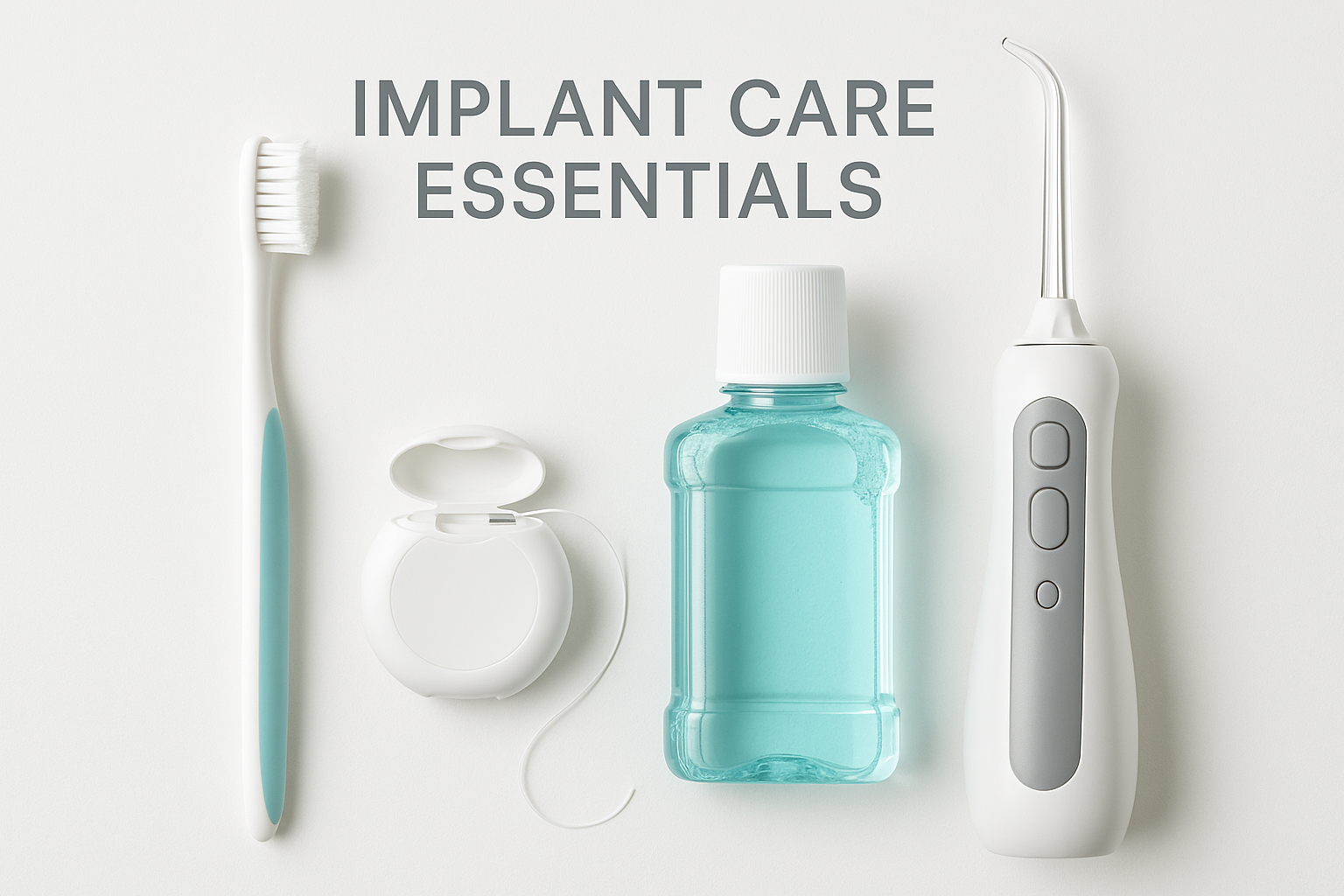
- Thorough brushing with soft-bristled toothbrush
- Daily flossing or water flossing
- Antimicrobial mouth rinse as recommended
Professional Care:
- Regular hygienist visits every 3-6 months
- Annual implant-specific examinations
- Periodic X-rays to monitor bone levels
- Professional implant cleaning as needed
Cost Considerations for Long-term Care
Understanding ongoing costs helps patients budget for implant maintenance. While initial dental implant costs may seem significant, the long-term value includes:
- Reduced need for future dental work
- Prevention of adjacent tooth problems
- Maintenance of facial structure and bone
- Improved quality of life and confidence
Patients can explore payment plans and affordable options to make treatment accessible.
Choosing the Right Provider for Your Journey 👨⚕️
Qualifications to Look For
Selecting an experienced provider significantly impacts healing outcomes. When choosing a dental implant dentist, consider:
- Board certification in oral surgery or periodontics
- Extensive implant experience with documented outcomes
- Advanced training in modern implant techniques
- Technology and equipment for precise treatment planning
Questions to Ask Your Provider
Before treatment, discuss:
- Expected healing timeline for your specific case
- Before-and-after pictures of similar cases
- Protocols for monitoring healing progress
- Emergency contact procedures during recovery
- Long-term maintenance requirements
Geographic Considerations
For patients seeking dental implants near their location, consider:
- Proximity for regular follow-up appointments
- Emergency availability during healing
- Coordination with your general dentist
- Insurance and payment options
Technology’s Role in Modern Implant Healing 💻
Digital Treatment Planning
Advanced technology improves healing outcomes through:
- 3D CT scanning for precise implant placement
- Computer-guided surgery for minimal tissue trauma
- Digital impressions for accurate restorations
- Virtual treatment planning for predictable results
Monitoring Tools and Apps
Modern practices may offer:
- Patient portals for progress tracking
- Mobile apps for healing timeline monitoring
- Telemedicine consultations for convenience
- Digital photo submission for remote assessment
Future Innovations
Emerging technologies promise even better outcomes:
- Growth factor therapies to accelerate healing
- Smart implants with integrated sensors
- Personalized healing protocols based on genetic factors
- AI-assisted monitoring for early complication detection
Conclusion: Your Path to Successful Implant Healing
Understanding dental implant healing stages pictures and the complete recovery process empowers patients to actively participate in their treatment success. From the initial healing process through final crown placement, each stage plays a crucial role in achieving optimal outcomes.
The journey from tooth extraction to final restoration requires patience, commitment, and proper care. By following professional guidance, maintaining excellent oral health, and attending regular follow-ups, patients can expect excellent long-term results from their dental implant treatment.
Next Steps for Your Implant Journey
- Schedule a consultation with a qualified implant specialist
- Discuss treatment options including affordable dental implants
- Review financing options to make treatment accessible
- Prepare for surgery by optimizing your overall health
- Commit to long-term maintenance for lasting success
Remember that dental implant healing stages represent an investment in your long-term oral health and quality of life. With proper care and professional guidance, your implants can provide decades of reliable function and natural appearance.
The stages of healing may seem lengthy, but the end result – a fully restored smile with the confidence that comes from permanent tooth replacement – makes the journey worthwhile. Trust the process, follow your dentist’s instructions, and look forward to enjoying your new smile for years to come.
Leave a Reply
Share your thoughts or ask a question about dental implants. Your email address will not be published.