

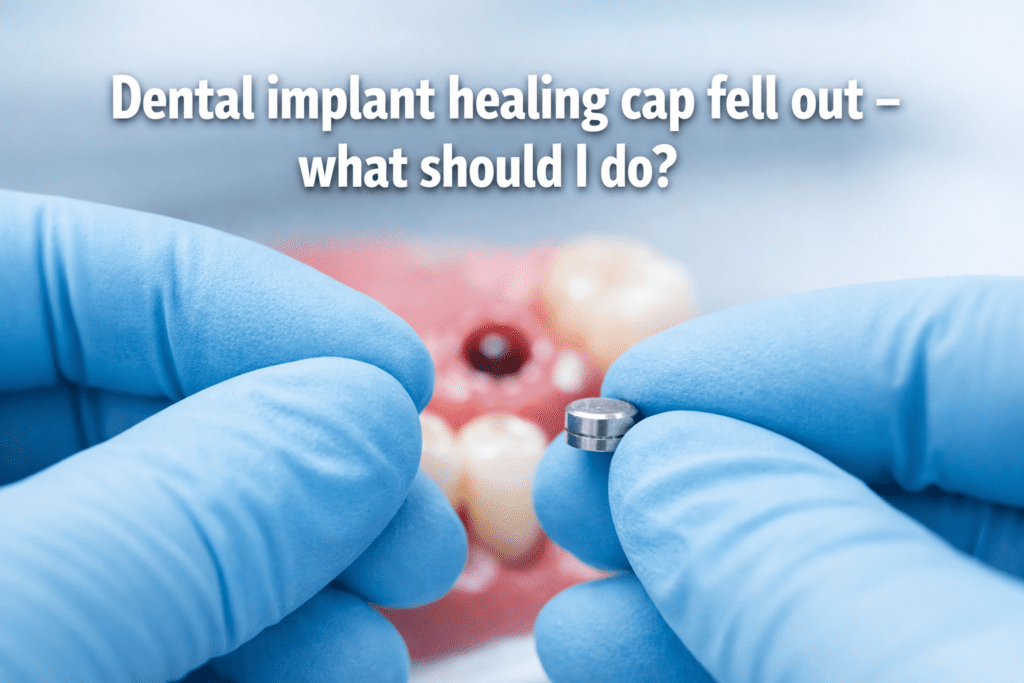
Quick Answer: If your dental implant healing cap fell out, contact your dental professional in Dallas immediately, ideally within 24 hours. While often not a dental emergency, prompt action is crucial to prevent gum tissue from growing over the implant site, which could necessitate a minor surgical procedure to re-expose the implant. Keep the cap clean and avoid placing it back in yourself unless specifically instructed by your dentist.
Key Takeaways
- Act Fast: Contact your dentist within 24 hours if a healing cap detaches to ensure a simple reinsertion.
- Avoid Self-Reinsertion: Do not attempt to screw the cap back in yourself unless your dentist provides explicit instructions, as improper placement can cause damage.
- Keep It Clean: Gently rinse your mouth with warm salt water or a prescribed mouthwash to maintain hygiene around the exposed implant site.
- Gum Tissue Closure: Be aware that gum tissue can rapidly grow over the implant within 2-3 days, complicating reinsertion and potentially requiring minor surgery [1, 8].
- Distinguish Cap vs. Implant: It’s important to confirm whether it’s just the healing cap or the entire implant that has come loose; your dentist can clarify this with X-rays [2].
- Long-Term Integrity: A lost healing cap typically does not jeopardize the long-term success of the underlying dental implant if addressed promptly [4].
- Dallas Dental Care: Consult with a trusted dental professional offering dental implants in Dallas for immediate and expert guidance.
My Dental Implant Healing Cap Fell Out – What Should I Do Immediately?
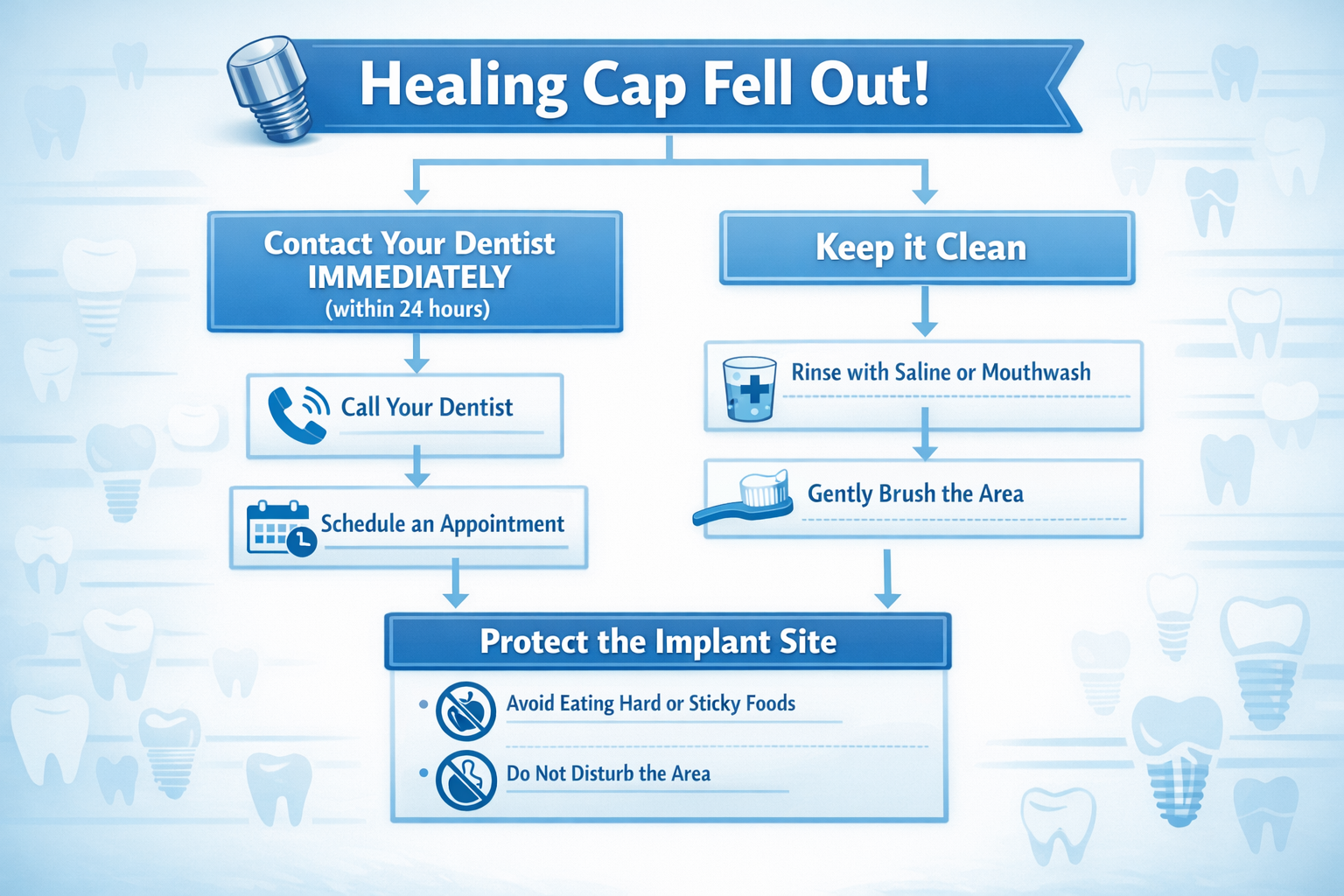
If your dental implant healing cap fell out, the most important first step is to contact your dental professional in Dallas without delay. Prompt communication, ideally within 24 hours, can prevent complications and allow for a straightforward reattachment of the cap [8].
When a healing cap becomes dislodged, the underlying dental implant fixture, which is embedded in your jawbone, becomes exposed. While the implant itself should remain securely in place, the primary concern is the rapid growth of gum tissue.
Here’s what you should do:
- Retrieve the Healing Cap: If you can locate the healing cap, gently clean it with warm water and store it in a clean, sealed container or a small plastic bag. Do not attempt to sterilize it with harsh chemicals.
- Contact Your Dentist: Call your dental office in Dallas immediately. Explain that your dental implant healing cap fell out. Be prepared to schedule an emergency appointment, preferably within 24 hours of the incident. This critical window allows your dentist to often simply screw the cap back into place in a procedure that can take less than one minute [8].
- Keep the Area Clean: Gently rinse your mouth with warm salt water (a teaspoon of salt in 8 ounces of warm water) a few times a day to keep the exposed area clean and minimize the risk of infection. Avoid vigorous rinsing or poking the site.
- Do Not Attempt to Reinsert: Unless specifically instructed by your dentist, do not try to screw the healing cap back into the implant yourself. You could inadvertently damage the implant, surrounding soft tissue, or cross-thread the cap, making professional reinsertion more difficult or painful.
Ignoring a lost healing cap can lead to gum tissue growing over the implant, making future steps of your dental implant procedure more complex and potentially costly.
Why is a Quick Response Crucial When a Dental Implant Healing Cap Falls Out?
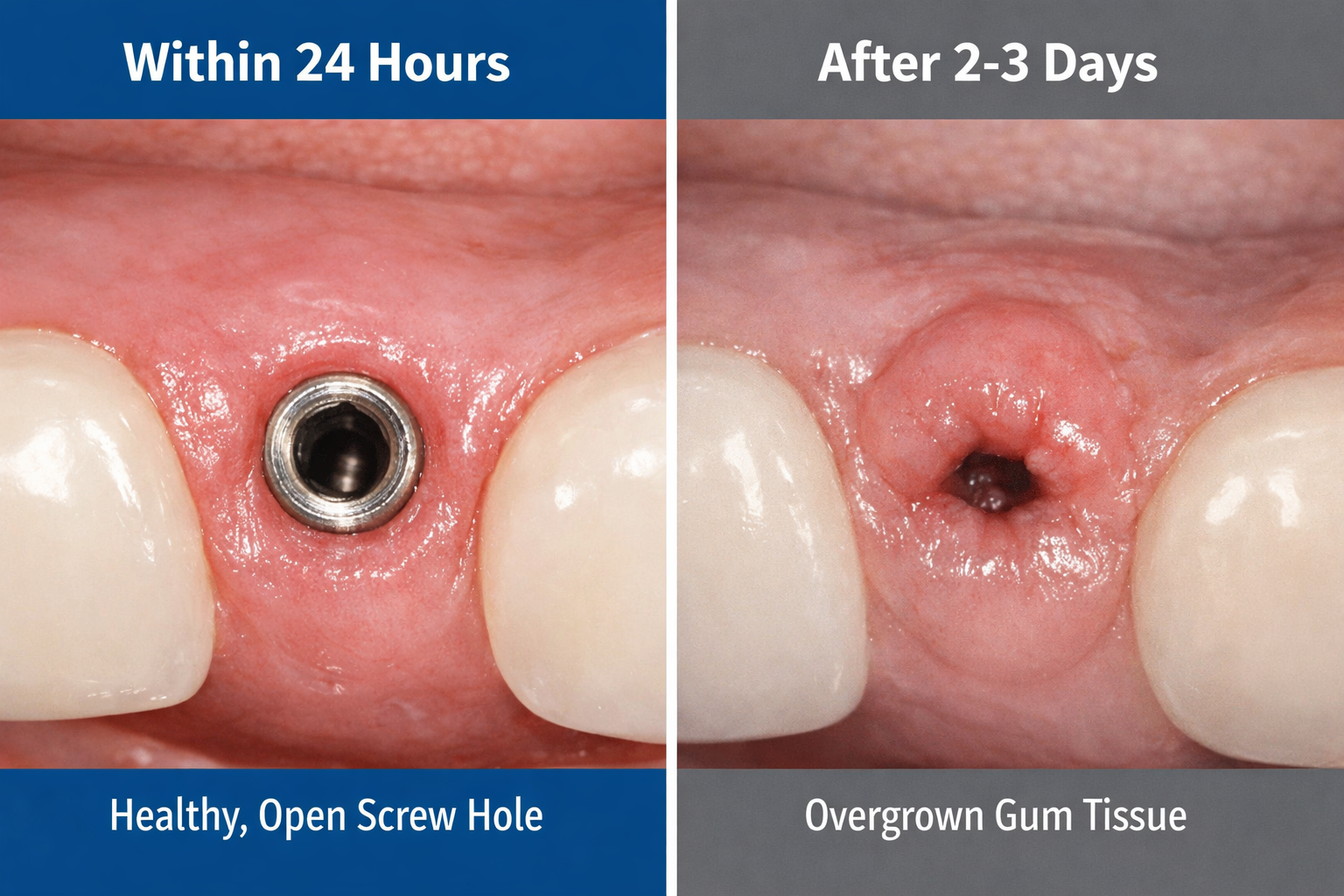
A quick response is crucial because gum tissue can grow over the exposed dental implant site very rapidly, typically within 2-3 days, which can complicate the reinsertion process significantly [8]. This rapid tissue growth is similar to how a pierced earlobe might close if an earring is left out for an extended period.
When the healing cap is in place, it creates and maintains a small tunnel through the gum tissue, allowing the implant to be accessed later for crown placement. Without the cap, this tunnel can quickly close, meaning that if you wait too long (more than 24 hours, and certainly more than a few days) to see your dentist:
- Minor Surgical Re-exposure: The dentist may need to perform a minor surgical procedure to re-expose the implant. This involves making a small incision in the gum, gently peeling back the tissue, reattaching the healing cap or abutment, and possibly placing sutures [8]. This is essentially a repeat of the “second stage surgery” and adds unnecessary discomfort, time, and potential cost to your dental implant recovery timeline in Dallas.
- Increased Discomfort and Swelling: A surgical re-exposure can lead to more post-operative discomfort and swelling compared to a simple reinsertion of the cap.
- Delayed Treatment: Any delay in addressing a lost healing cap can postpone the overall timeline for your tooth replacement, pushing back the placement of your final crown.
Therefore, treating a dislodged healing cap as an urgent, though usually not emergency, matter is key to ensuring the smoothest possible progression of your dental implant surgery process.
What is a Dental Implant Healing Cap and Why is it Important?
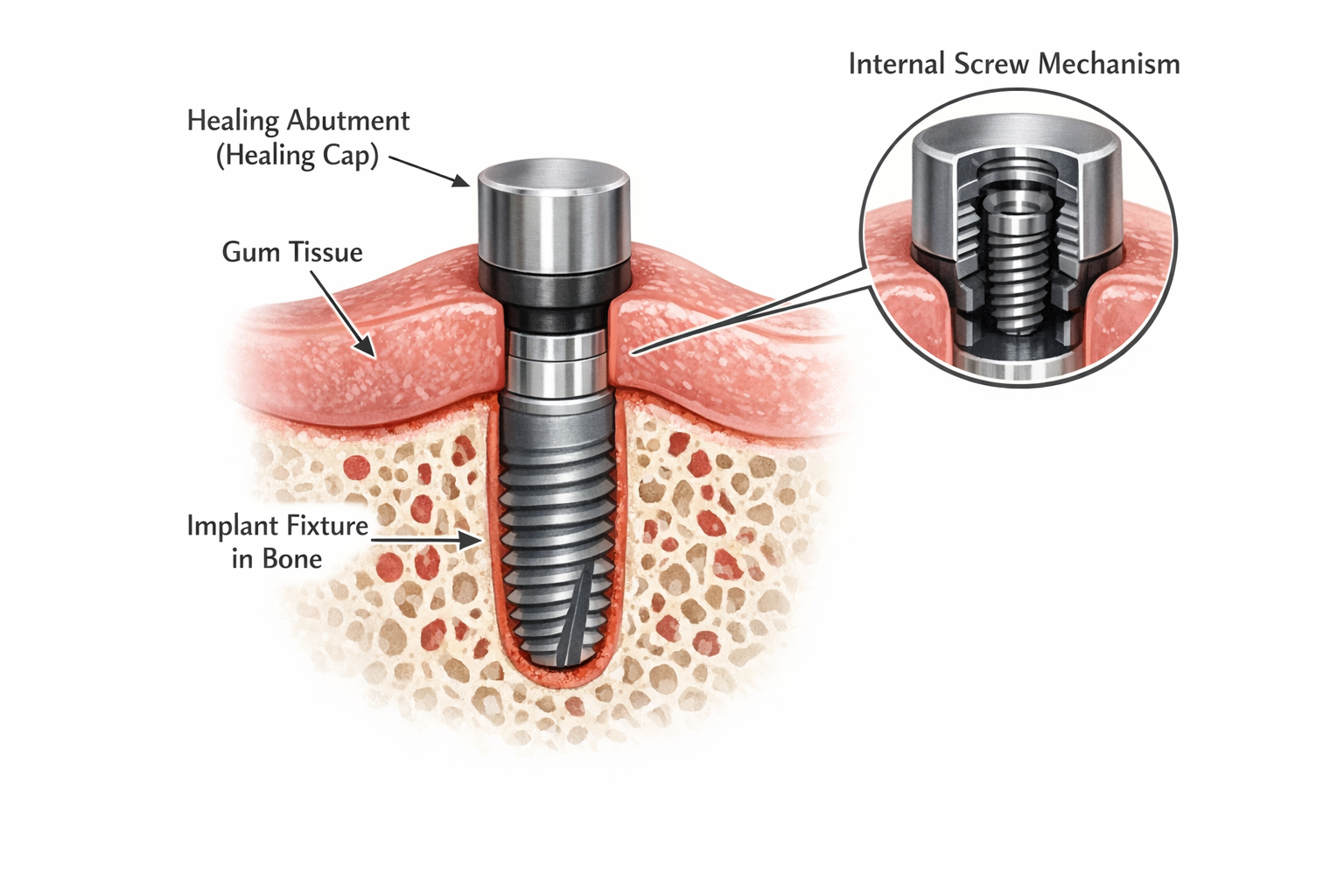
A dental implant healing cap, also known as a healing abutment, is a small, usually metallic (titanium), screw-like component that is attached to the dental implant after it has been placed in the jawbone. Its primary purpose is to help the gum tissue heal properly around the implant, creating a smooth and circular cuff of gum that will eventually surround the permanent crown [4].
The importance of the healing cap lies in several key functions:
- Gum Tissue Shaping: It acts as a guide for the gum tissue, ensuring it heals around the implant in a way that creates a natural emergence profile for the future tooth. This is crucial for both aesthetics and easy cleaning of the final restoration.
- Protecting the Implant: The healing cap covers and protects the top of the dental implant fixture from food particles, bacteria, and external forces, which are critical during the initial healing phase as the implant integrates with the bone (osseointegration).
- Maintaining Access: It keeps the gum tissue from growing over the top of the implant, maintaining a clear pathway for the dentist to access the implant when it’s time to attach the final abutment and crown. Without it, the gum tissue can quickly cover the implant, requiring a minor surgical procedure to re-expose it [1, 8].
- Facilitating Osseointegration: While the implant itself is fusing with the bone, the healing cap ensures the soft tissue heals correctly around it, setting the stage for the next phase of the dental implant procedure.
Think of the healing cap as a temporary placeholder that meticulously prepares the gum architecture for your permanent tooth. Its presence is vital for a predictable and successful outcome for your missing teeth solutions.
How Can I Keep the Exposed Implant Site Clean if My Dental Implant Healing Cap Fell Out?
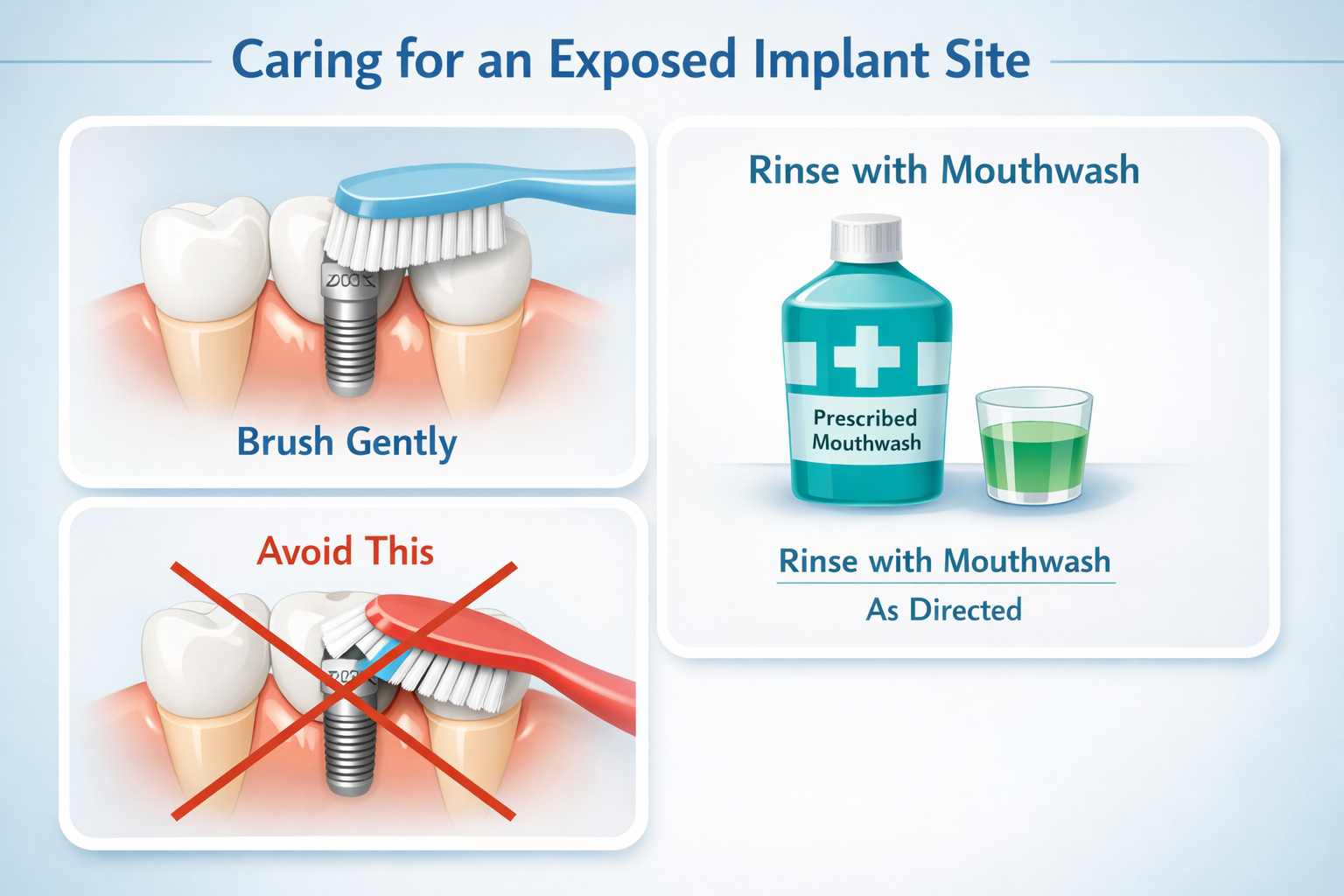
If your dental implant healing cap fell out, maintaining meticulous oral hygiene around the exposed implant site is crucial to prevent infection while you wait for your dental appointment. The goal is to keep the area clean without causing irritation or damage.
Here’s how to keep the exposed implant site clean:
- Gentle Saltwater Rinses: Rinse your mouth gently with warm salt water several times a day, especially after meals. Mix one teaspoon of salt in 8 ounces of warm water. Swish the solution gently around the implant site for about 30 seconds, then spit it out. This helps to reduce bacteria and promote healing [4].
- Prescribed Mouthwash (if applicable): If your dentist has prescribed a special antiseptic mouthwash (like chlorhexidine), continue to use it as directed. This can provide additional antimicrobial benefits.
- Soft Brushing: Use a soft-bristled toothbrush to gently clean the teeth surrounding the exposed area. Avoid directly brushing the implant site itself, as this could cause irritation or push food particles into the exposed implant.
- Avoid Irritants: Steer clear of alcohol-based mouthwashes, which can be harsh. Also, avoid smoking, vaping, or using any tobacco products, as these can significantly hinder healing and increase the risk of complications [23].
- Dietary Modifications: Stick to soft foods and chew on the opposite side of your mouth to prevent food debris from accumulating in the implant site. Avoid sticky, hard, or crunchy foods.
- No Poking or Prodding: Resist the urge to poke or prod the exposed implant with your tongue, fingers, or any objects. This can introduce bacteria and interfere with the natural healing process.
Remember, these are temporary measures until you can see your dentist. Always follow your dental professional’s specific instructions for aftercare, especially since proper oral health education is key to implant success.
What Happens if the Healing Cap Isn’t Replaced Promptly?
If the healing cap isn’t replaced promptly, typically within 24-48 hours, the gum tissue around the implant site will begin to grow and may completely cover the implant. This necessitates a minor surgical procedure, similar to the “second stage surgery,” to re-expose the implant [8].
Here’s a breakdown of the potential consequences:
- Gum Tissue Overgrowth: The most immediate and common issue is the rapid proliferation of soft tissue. The gum naturally wants to heal and close any open wound, and without the healing cap to hold the space open, it will quickly grow over the implant. This process can start within 24 hours and can be quite advanced within 2-3 days [8].
- Increased Procedure Complexity: When gum tissue has overgrown, the dentist cannot simply screw the healing cap back on. They will need to perform a small incision, gently move the gum tissue aside (or use a laser to remove it [1]), and then reattach the cap. This procedure, though generally minor, adds to the patient’s discomfort and extends the overall treatment timeline. It also means additional chair time and potentially additional costs, falling under the realm of dental implant cost in Dallas considerations.
- Risk of Infection: An exposed implant site, especially one that becomes covered by gum tissue, can trap food particles and bacteria, increasing the risk of infection around the implant (peri-implantitis). While the implant itself is often designed to resist bacterial colonization, maintaining a clean environment is paramount for long-term oral health.
- Delayed Treatment Plan: Any complication, such as the need for surgical re-exposure, will invariably delay the next phases of your dental implant treatment, including taking impressions for your permanent crown [8]. This can be frustrating for patients eager to complete their tooth replacement options.
- Confusion with Implant Failure: Some patients might mistake a dislodged healing cap for an actual implant failure [2]. While the healing cap coming off is usually a minor setback, delayed treatment could lead to complications that do affect the implant’s stability. Your dentist will take radiographs to determine what exactly has come loose [2].
It’s clear that a swift response ensures the easiest and least invasive solution, protecting your investment in dental implants in Dallas and keeping your treatment on track.
What if I can’t get to a dentist in Dallas immediately?
If you are unable to see a dentist in Dallas immediately after your healing cap falls out, especially if you’re outside the critical 24-hour window, the priority shifts to protecting the site as much as possible until you can get professional care.
- Maintain Scrupulous Oral Hygiene: Continue with gentle warm salt water rinses multiple times a day. If you have any prescribed antiseptic mouthwash, use it. The goal is to prevent bacteria from accumulating around the exposed implant.
- Soft Diet: Stick to soft foods that require minimal chewing, especially on the side where the implant is located. This minimizes physical disruption to the healing site and prevents food particles from getting trapped.
- Temporary Protection (Use with Caution): Some sources suggest carefully packing the hole with a small piece of clean cotton or gauze, or even using a temporary material with denture adhesive, but these are highly temporary solutions and should not be used to permanently attach anything to the implant [4]. It’s generally best to avoid placing anything into the site unless advised by a dental professional, as you could introduce infection or trauma.
- Avoid Smoking and Alcohol: These substances can impair healing and increase the risk of infection.
- Monitor for Signs of Infection: Watch for any signs of infection, such as increasing pain, swelling, redness, pus, or fever. If these symptoms develop, seek emergency dental care as soon as possible, regardless of whether you can get to your regular dentist.
While these measures can help, they are not a substitute for professional dental care. Gum tissue will likely begin to grow over the implant, meaning your Dallas dentist will still need to perform a minor procedure to re-expose the implant once you can get an appointment.
How to Prevent a Healing Cap from Falling Out Again
Preventing a healing cap from falling out again involves a combination of careful post-operative care and mindful daily habits. While sometimes they come loose due to natural forces, many instances can be avoided.
Here are key strategies:
- Follow Post-Op Instructions Meticulously: Adhere strictly to all instructions provided by your dental implant specialist in Dallas. This includes dietary restrictions (soft foods), oral hygiene recommendations, and avoiding certain activities.
- Chew Carefully: For the duration of the healing period, avoid chewing directly on the side of your mouth where the implant is placed. Hard, sticky, or crunchy foods can put undue pressure on the healing cap, causing it to loosen or dislodge.
- Avoid Aggressive Brushing or Flossing: Be gentle when brushing around the implant site. Use a soft-bristled toothbrush and avoid direct, vigorous scrubbing of the cap itself. Flossing should be done carefully around the cap, or avoided if it causes movement.
- No Tongue Prodding: Resist the urge to constantly touch or prod the healing cap with your tongue or fingers. This habitual movement can gradually loosen the cap.
- Report Any Looseness Promptly: If you notice the healing cap feels loose or wobbly, contact your dentist immediately. Don’t wait for it to fall out completely. Early intervention can often prevent it from detaching.
- Attend Follow-Up Appointments: Keep all scheduled follow-up appointments with your Dallas dentist. These visits allow the dentist to monitor the healing process and ensure the cap remains secure.
- Avoid Clenching or Grinding: If you have a history of teeth grinding (bruxism) or clenching, discuss this with your dentist. They may recommend a nightguard to protect your implants and other teeth, as these habits can exert significant force.
- Strategic Timing for Repeated Issues: If you’ve experienced recurrent healing cap failures, your dentist might recommend scheduling your visits just a day or two before your final crown appointment. This strategy minimizes the time the cap is in place and prepares the tissue optimally for the crown [7].
By being vigilant and adhering to these guidelines, you can significantly reduce the chances of your dental implant healing cap falling out, ensuring a smoother journey towards your complete tooth replacement options.
Conclusion
Finding that your dental implant healing cap fell out can be unsettling, but it is typically a manageable issue that does not signify a failure of the implant itself. The most critical action is to contact your Dallas dental professional promptly, ideally within 24 hours. This swift communication often allows for a quick and simple reinsertion, preventing the need for minor surgical intervention due to gum tissue overgrowth.
While awaiting your appointment, focus on keeping the exposed site clean with gentle saltwater rinses and adhere to a soft diet. Avoid attempting to reinsert the cap yourself unless directed by your dentist. Understanding the purpose of the healing cap and following post-operative instructions diligently are key to a smooth and successful dental implant journey. For any concerns regarding your dental implants in Dallas, always reach out to your dental care team for professional guidance and peace of mind.
Frequently Asked Questions
Is it normal for a dental implant healing cap to fall out?
No, it is not considered normal, but it is a relatively common occurrence during the healing phase. It’s usually a minor setback, not a sign of implant failure [2].
Can I put the dental implant healing cap back in myself?
You should not attempt to reinsert the healing cap yourself unless specifically instructed by your dentist, as improper placement can damage the implant or surrounding tissues [8].
What happens if I swallow the healing cap?
While not ideal, swallowing a small healing cap is generally harmless. It should pass through your digestive system without issue. Inform your dentist, as they will need to provide a new one.
How long does it take for gum tissue to grow over the implant if the cap is out?
Gum tissue can begin to grow over the exposed implant within 24 hours, and it can significantly cover the site within 2-3 days, complicating reinsertion [8].
Will a lost healing cap affect the success of my dental implant?
If addressed promptly, a lost healing cap typically does not affect the long-term success or integrity of the underlying dental implant [4]. Delays, however, can lead to complications.
How do dentists reattach a healing cap if gum tissue has grown over the implant?
If gum tissue has grown over, the dentist will likely perform a minor procedure to re-expose the implant. This may involve a small incision or the use of a laser to remove the excess tissue before reattaching the cap [1, 8].
Can I eat normally if my healing cap falls out?
No, it’s recommended to stick to a soft diet and avoid chewing on the side of the exposed implant to prevent food particles from getting into the site and to minimize irritation until your dentist can reattach the cap.
What is the difference between a healing cap and a cover screw?
A healing cap (or healing abutment) is designed to protrude through the gum, shaping the tissue. A cover screw is a flat screw that sits flush with the implant, completely covered by gum tissue, typically used when the implant is initially placed and left to heal undisturbed for a longer period before a second surgery to expose it.
Will my dental implant cost more if the healing cap falls out?
If addressed promptly, reattaching the cap might be covered under your initial treatment plan. However, if delayed care leads to minor surgery for re-exposure, there may be additional costs involved, which can vary by clinic and the complexity of the procedure.
References
[1] My Implant Fell Out – https://burbankdentalimplants.com/my-implant-fell-out/
[2] This Months Clinical Tip From The Editor Help My Implant Fell Out – https://www.perioimplantadvisory.com/clinical-tips/article/16411540/this-months-clinical-tip-from-the-editor-help-my-implant-fell-out
[4] The Healing Cap Came Off My Dental Implant What Do I Do – https://iowasmiles.com/the-healing-cap-came-off-my-dental-implant-what-do-i-do/
[7] My Dental Implant Fell Off Now What – https://www.dentaltowndc.com/my-dental-implant-fell-off-now-what/
[8] Dental Implant Healing Cap Fell Out What To Do – https://www.jacksonavedental.com/post/dental-implant-healing-cap-fell-out-what-to-do
Related Reading:
- Dental Implant Recovery Timeline in Dallas: A Week-by-Week Guide to Healing and What to Avoid
- The Link Between Oral Health and Dental Implant Success in Dallas: Preparing Your Mouth for a Lasting Investment
- Dental Implant Pain Management in Dallas: Before, During, and After Your Procedure
- Preparing for Your Dental Implant Consultation in Dallas: Key Questions to Ask About Cost, Procedure, and Aftercare
Leave a Reply
Share your thoughts or ask a question about dental implants. Your email address will not be published.