

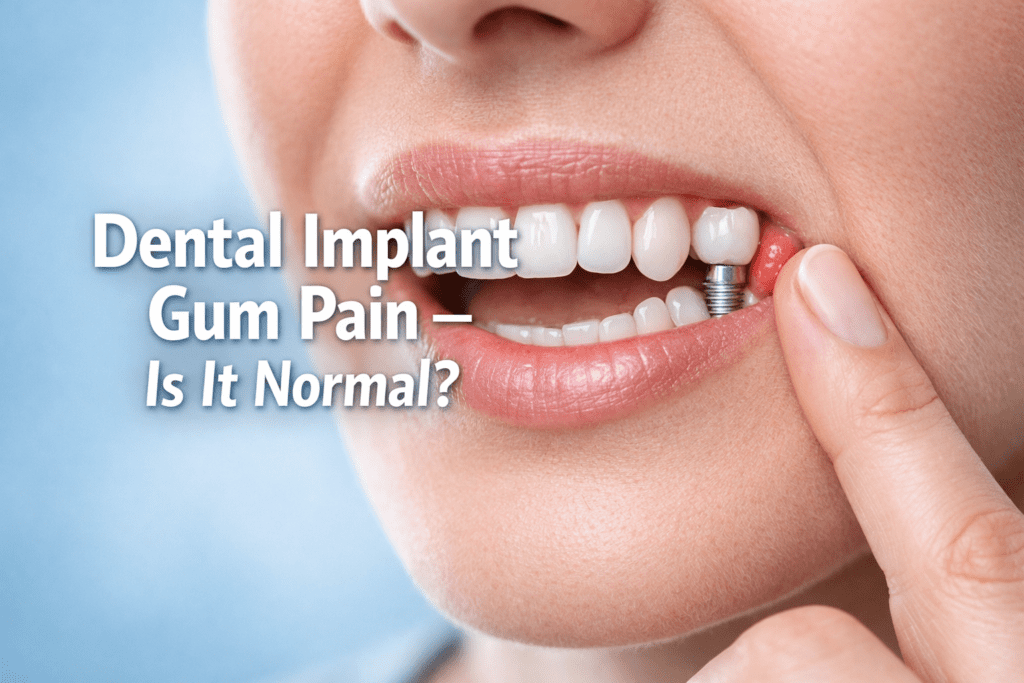
Experiencing discomfort after any surgical procedure is often expected, and dental implant surgery is no exception. However, when it comes to “Dental Implant Gum Pain – Is It Normal?”, the answer isn’t always a straightforward yes or no. While some level of pain and soreness in the gums surrounding a newly placed dental implant is a common and normal part of the healing process, persistent, severe, or worsening pain can signal an underlying issue that requires immediate attention. Navigating this post-operative period can be confusing, and understanding what’s normal versus what’s concerning is crucial for the success and longevity of your dental implant.
Key Takeaways
- Initial Discomfort is Normal: Mild to moderate gum pain, swelling, and bruising are common for the first few days to a week after dental implant surgery.
- Persistent or Worsening Pain is Concerning: If gum pain intensifies, lasts longer than expected, or is accompanied by other symptoms like fever, pus, or implant mobility, it’s a sign to contact your dentist.
- Good Oral Hygiene is Crucial: Proper cleaning around the implant site is essential to prevent infection and inflammation, which can cause gum pain.
- Smoking and Certain Health Conditions: Factors like smoking, uncontrolled diabetes, and certain medications can increase the risk of complications and associated gum pain.
- Early Detection is Key: Addressing abnormal dental implant gum pain promptly can prevent serious complications and ensure the successful integration of your implant.
Understanding Post-Surgical Dental Implant Gum Pain: What’s Expected?
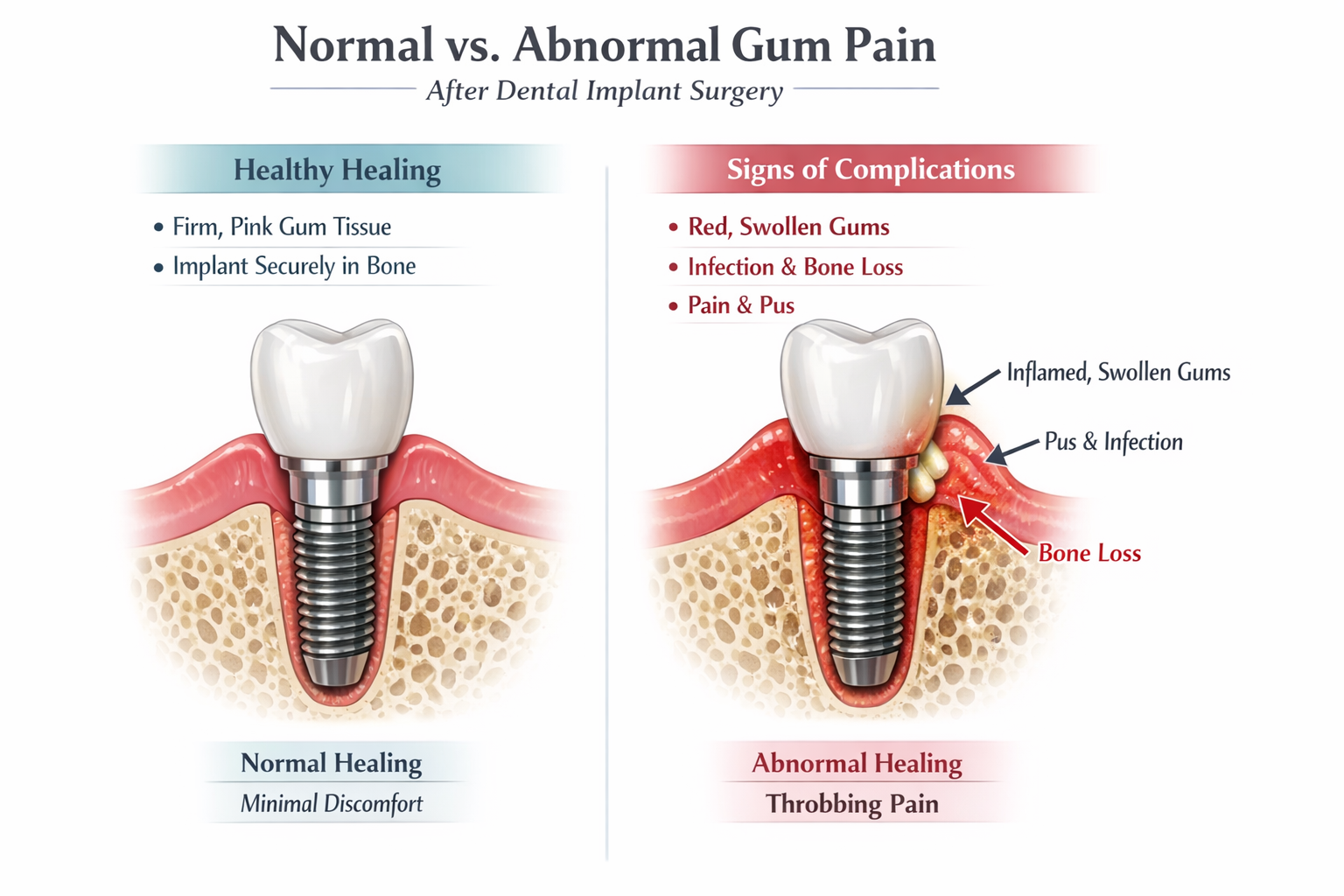
When you undergo dental implant surgery, your body naturally responds to the procedure with an inflammatory process. This is a normal and necessary part of healing. The surgical placement of the titanium post into your jawbone, along with any necessary gum manipulation, will inevitably lead to some localized discomfort. So, to answer the question, “Dental Implant Gum Pain – Is It Normal?” immediately after surgery, a certain degree of it absolutely is.
The Immediate Aftermath: The First Few Days
Typically, after dental implant surgery, you can expect the following symptoms for the first 3-7 days:
- Mild to Moderate Gum Pain: This is usually manageable with over-the-counter pain relievers or prescribed medication from your dentist. The pain should gradually decrease day by day.
- Swelling: Swelling around the surgical site, face, and jaw is very common. Applying ice packs intermittently can help reduce this.
- Bruising: You might notice some bruising on your gums or even on your face, particularly if multiple implants were placed or if bone grafting was involved.
- Minor Bleeding: Slight oozing or intermittent bleeding from the surgical site is normal for the first 24-48 hours. Your dentist will provide instructions on how to manage this.
- Discomfort When Chewing: It’s normal to feel some tenderness when chewing, especially in the vicinity of the implant. This is why a soft food diet is highly recommended during the initial healing phase. You can find excellent recommendations for appropriate foods in our guide on 50 Soft Foods After Dental Implant.
Your oral surgeon will provide detailed aftercare instructions, which are crucial to follow to minimize discomfort and promote proper healing. This includes advice on pain management, diet, oral hygiene, and activity restrictions. For a comprehensive overview of what to expect, you might also refer to our article on Complete Dental Implant Recovery Timeline – What to Expect at Every Stage.
The Healing Process: Weeks 1-2
Beyond the first week, most of the acute symptoms should begin to subside significantly. While you might still experience some residual tenderness, the severe pain and swelling should largely be gone. At this stage, the process of osseointegration – where the implant fuses with your jawbone – begins. This is a critical period where the implant post is integrating with your bone, and your gums are healing around the implant site.
It’s important to differentiate between residual healing discomfort and new or worsening pain. If your dental implant gum pain persists or intensifies beyond the first week, or if you notice any new symptoms, it’s time to be vigilant.
Factors Influencing Post-Surgical Pain
Several factors can influence the degree and duration of dental implant gum pain:
- Number of Implants: More implants generally mean more surgical trauma and potentially more discomfort.
- Location of Implants: Implants in the posterior (back) regions of the mouth, especially the lower jaw, might be associated with more swelling and discomfort due to denser bone and muscle attachments.
- Complexity of the Procedure: If additional procedures like bone grafting or sinus lifts were performed, the healing time and discomfort might be extended. Our article on Bone Grafts for Dental Implants provides more insight into this.
- Individual Pain Tolerance: Everyone experiences pain differently.
- Adherence to Aftercare Instructions: Diligently following your dentist’s post-operative guidelines significantly impacts your recovery and pain levels.
Remember, a little discomfort is a normal indicator that your body is working to heal. However, understanding the difference between normal healing pain and a potential problem is paramount for anyone asking, “Dental Implant Gum Pain – Is It Normal?”
When Dental Implant Gum Pain Is NOT Normal: Signs of Complications
While some discomfort is a given, there are definite red flags that indicate your “Dental Implant Gum Pain – Is It Normal?” concern has shifted to a potential complication. Recognizing these signs early is crucial for successful treatment and preventing more serious issues.
Persistent or Worsening Pain
This is perhaps the most significant indicator that something might be wrong. If your gum pain doesn’t gradually improve after the first few days, or if it actually increases in intensity a week or more post-surgery, it’s a cause for concern. Normal healing pain should decrease over time, not worsen.
Signs of Infection Around the Dental Implant
Infection is a serious complication that can jeopardize the success of your implant. Look out for these signs:
- Redness and Swelling that Worsens: While some initial redness and swelling are normal, if these symptoms become more pronounced or spread beyond the immediate surgical site, it could indicate infection.
- Pus or Discharge: Any yellow, green, or white discharge from around the implant site is a clear sign of infection and requires immediate dental attention.
- Foul Taste or Odor: An unpleasant taste in your mouth or bad breath that wasn’t present before can also signal an infection.
- Fever or Chills: Systemic symptoms like fever or chills suggest your body is fighting a more widespread infection.
Peri-Implantitis: A Common Concern
Peri-implantitis is an inflammatory condition affecting the tissues surrounding a dental implant, characterized by inflammation of the peri-implant mucosa and subsequent progressive loss of supporting bone [1]. It’s essentially the implant equivalent of gum disease (periodontitis) around natural teeth.
Symptoms of Peri-Implantitis:
- Deep, Throbbing Dental Implant Gum Pain: This pain can be constant and may not respond well to regular pain medication.
- Bleeding Gums Around the Implant: Bleeding, especially when brushing or flossing, is a key indicator.
- Red, Swollen Gums: The gum tissue around the implant may appear very red, shiny, and swollen.
- Receding Gums: The gum tissue may start to pull away from the implant, exposing more of the metal abutment or implant body.
- Pus Formation: Similar to a general infection, pus can be present.
- Implant Mobility: In advanced stages, the implant might feel loose. This is a critical sign and requires immediate professional intervention.
Other Potential Issues
Beyond infection and peri-implantitis, other issues can cause abnormal gum pain:
- Nerve Damage: Though rare, nerve damage during implant placement can result in pain, numbness, or tingling in the lips, chin, or tongue. This usually requires immediate assessment.
- Trauma to Adjacent Teeth: Sometimes, the surgical process can inadvertently affect nearby teeth, causing sensitivity or pain.
- Allergic Reaction: While titanium implants are highly biocompatible, very rarely an allergic reaction to the implant material or other components might occur, leading to persistent irritation and pain.
- Poorly Fitting Abutment or Crown: Once the healing period is over and the abutment and crown are placed (see Complete Guide to the Dental Implant Abutment Procedure – What You Need to Know), if they don’t fit properly, they can put undue pressure on the gums or surrounding structures, leading to pain and inflammation.
💬 “Any persistent or worsening pain, especially if accompanied by swelling, redness, pus, or fever, is a clear signal to contact your dental professional without delay. Don’t wait for it to get worse.”
If you experience any of these concerning symptoms, do not hesitate to contact your dental implant specialist immediately. Early diagnosis and intervention are critical for resolving complications and ensuring the long-term success of your dental implant. For urgent dental implant concerns in the Dallas area, our clinic at Dental Implants Dallas TX is ready to assist.
Preventing Dental Implant Gum Pain and Complications
Proactive measures and diligent care are your best defense against abnormal dental implant gum pain and other complications. Prevention starts even before surgery and continues throughout the life of your implant.
Pre-Surgical Assessment and Planning
A thorough pre-surgical evaluation is paramount. Your dentist or oral surgeon will assess your overall health, bone density, and gum health. They will identify any risk factors that could lead to complications. This might include:
- Smoking: Smoking significantly impairs healing and increases the risk of peri-implantitis [2]. Quitting or reducing smoking before surgery is highly recommended.
- Uncontrolled Diabetes: Poorly managed diabetes can compromise the body’s healing ability and increase infection risk.
- Certain Medications: Some medications, like bisphosphonates, can affect bone healing.
- Existing Gum Disease: Any active gum disease must be treated before implant placement to ensure a healthy foundation.
Choosing an experienced and qualified dental implant specialist is also a crucial preventative step. A skilled professional will minimize surgical trauma and use appropriate techniques to reduce complications.
Meticulous Post-Surgical Aftercare
Following your dentist’s post-operative instructions precisely is non-negotiable for minimizing discomfort and promoting optimal healing. Key aspects include:
- Pain Management: Take prescribed pain medication as directed, even if you feel minimal pain initially, to stay ahead of the discomfort. Over-the-counter options like ibuprofen or acetaminophen can also be very effective for mild pain.
- Swelling Reduction: Apply ice packs to the outside of your face for 15-20 minutes on, 15-20 minutes off, during the first 24-48 hours to minimize swelling.
- Dietary Restrictions: Stick to soft foods as recommended for the initial healing period. Avoid crunchy, hard, or sticky foods that could irritate the surgical site or dislodge the healing clot. Our article on 50 Soft Foods After Dental Implant offers great suggestions.
- Oral Hygiene:
- Gentle Rinsing: Use a prescribed antimicrobial mouthwash or a warm saltwater rinse (1/2 teaspoon salt in 8 ounces of warm water) several times a day, especially after meals. Be gentle; don’t swish vigorously.
- Careful Brushing: Avoid brushing directly on the surgical site for the first few days. Brush other areas of your mouth normally. Your dentist will advise when and how to gently clean the implant area.
- No Smoking or Alcohol: Avoid smoking completely during healing, as it severely impedes blood flow and can lead to complications. Limit alcohol consumption, as it can delay healing and interact with medications. Read more about this at Alcohol After Dental Implant Surgery.
- Activity Restrictions: Avoid strenuous physical activity for at least a few days to a week after surgery, as it can increase bleeding and swelling.
Long-Term Oral Hygiene for Implant Health
Once your implant has fully healed and the permanent crown is placed, your long-term oral hygiene routine is critical for preventing peri-implantitis and ensuring the longevity of your implant.
- Regular Brushing: Brush your teeth and implant twice a day with a soft-bristled toothbrush. Consider using a specific toothpaste designed for implants, as discussed in Best Toothpaste for Implants.
- Daily Flossing: Floss daily, paying special attention to the areas around your implant. Special implant-specific floss or water flossers can be very effective. For recommendations, see Best Water Flosser for Dental Implants.
- Antimicrobial Mouthwash: Your dentist might recommend a specific mouthwash to help control bacteria.
- Regular Dental Check-ups and Cleanings: These are vital. Your hygienist will use special instruments designed not to scratch the implant surface and will monitor the health of your gums and bone around the implant. Professional cleanings are essential for preventing plaque and calculus buildup that can lead to inflammation and peri-implantitis.
By taking these preventative steps, you significantly reduce the risk of experiencing abnormal dental implant gum pain and help ensure your dental implant remains a healthy, functional part of your smile for many years to come.
What to Do If You Experience Concerning Dental Implant Gum Pain
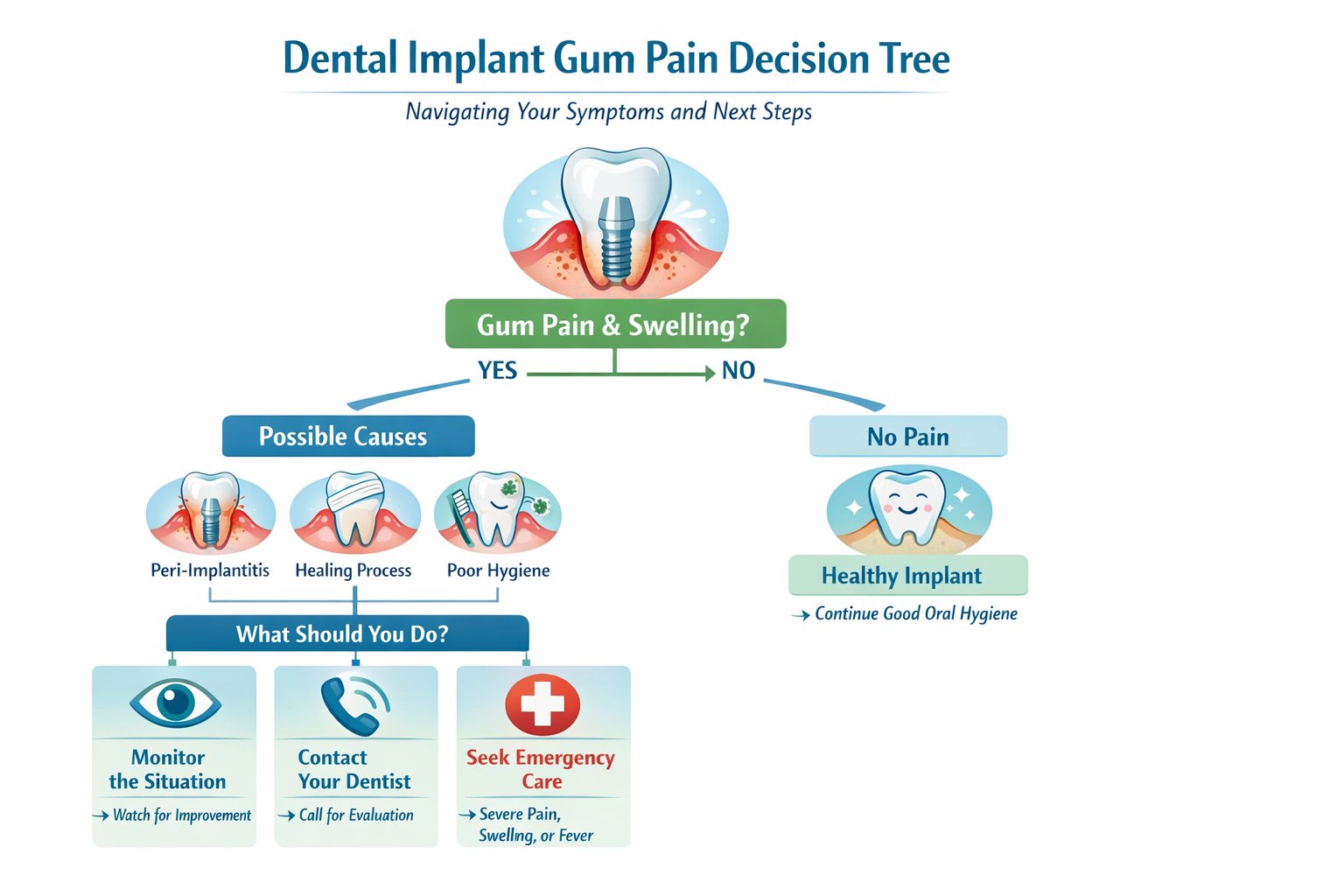
If you find yourself asking, “Dental Implant Gum Pain – Is It Normal?” and suspect your symptoms are beyond what’s expected for normal healing, it’s crucial to take immediate and appropriate action. Ignoring concerning signs can lead to more serious complications and potentially jeopardize the success of your dental implant.
Contact Your Dental Professional Immediately
This is the most important step. Do not self-diagnose or wait for the symptoms to resolve on their own, especially if you notice any of the red flags mentioned earlier (persistent worsening pain, significant swelling, pus, fever, implant mobility).
When you call your dentist or oral surgeon, be prepared to describe your symptoms clearly:
- When did the pain start or worsen?
- What is the intensity of the pain (mild, moderate, severe)?
- What other symptoms are you experiencing (swelling, redness, bleeding, pus, bad taste, fever)?
- Have you taken any medication, and has it helped?
- Have you had any trauma to the area?
Providing detailed information will help your dental team assess the situation and determine the urgency of an appointment.
During Your Dental Visit
Your dentist will perform a thorough examination of the implant site and surrounding tissues. This may include:
- Visual Inspection: Checking for redness, swelling, pus, or gum recession.
- Probing: Gently checking the gum pockets around the implant for depth and bleeding.
- Palpation: Gently feeling the area for tenderness or swelling.
- X-rays: Radiographs are often crucial to assess the bone level around the implant and check for any signs of bone loss, which is characteristic of peri-implantitis. A CT scan might be used for more detailed imaging. You can learn more about this at CT Scan and Dental Implants.
Potential Treatments for Complications
The treatment for dental implant gum pain depends entirely on the underlying cause:
- Infection:
- Antibiotics: If a bacterial infection is diagnosed, a course of antibiotics will likely be prescribed to eliminate the bacteria.
- Drainage: In some cases, if pus has accumulated, drainage may be necessary.
- Cleaning: The area around the implant may need to be thoroughly cleaned and debrided to remove bacteria and plaque.
- Peri-Implantitis:
- Non-Surgical Debridement: Initial treatment often involves thorough cleaning of the implant surface, both above and below the gum line, to remove plaque and calculus.
- Antimicrobial Therapy: Localized antimicrobial agents or oral antibiotics may be used.
- Surgical Intervention: In more advanced cases, surgical procedures may be necessary to gain access to the implant surface for cleaning, to remove damaged tissue, and potentially to perform bone grafting to restore lost bone support.
- Implant Removal: In severe, untreatable cases where bone loss is extensive or the implant is unstable, removal of the implant might be the only option.
- Mechanical Issues (e.g., loose abutment/crown):
- Tightening/Replacement: If the abutment or crown is loose or ill-fitting, it can often be tightened, adjusted, or replaced to alleviate pressure and discomfort.
- Nerve Damage:
- Referral to a specialist (e.g., neurologist or oral and maxillofacial surgeon) for further evaluation and management.
The Importance of Adherence to Treatment
Once a diagnosis is made and a treatment plan is prescribed, it is vital to follow your dentist’s instructions meticulously. This includes taking all medications as directed, attending follow-up appointments, and maintaining excellent oral hygiene. Your active participation in the treatment process is key to a successful outcome.
Remember, early intervention significantly improves the prognosis for dental implant complications. Don’t let fear or uncertainty prevent you from seeking professional help if you are concerned about “Dental Implant Gum Pain – Is It Normal?”. Your oral health and the long-term success of your dental implant are worth prioritizing.
Interactive Tool: Dental Implant Gum Pain Self-Assessment
Dental Implant Gum Pain Self-Assessment
This tool can help you understand if your dental implant gum pain is normal or if you should contact your dentist. Please answer the questions below truthfully.
1. How many days or weeks has it been since your dental implant surgery?
2. Describe your gum pain around the implant site:
3. Are you experiencing any of these additional symptoms around the implant site?
Conclusion
Understanding whether your “Dental Implant Gum Pain – Is It Normal?” is a critical aspect of ensuring the long-term success and health of your dental implants. While some discomfort, swelling, and minor bleeding are a normal and expected part of the initial healing phase, persistent, worsening, or severe pain accompanied by other concerning symptoms is a clear signal that something might be amiss.
We’ve covered the typical recovery timeline, what signs indicate normal healing, and, crucially, what red flags suggest complications like infection or peri-implantitis. Remember that proactive measures, including a thorough pre-surgical assessment, meticulous adherence to post-operative instructions, and excellent long-term oral hygiene, are your best allies in preventing problems.
Actionable Next Steps:
- Monitor Your Symptoms: Pay close attention to the nature, intensity, and duration of your pain, as well as any accompanying symptoms like swelling, redness, pus, or fever.
- Follow Aftercare Instructions Diligently: This cannot be stressed enough. Your dentist’s guidelines are designed to promote optimal healing and prevent complications.
- Maintain Excellent Oral Hygiene: Once the initial healing period passes, commit to a rigorous daily oral hygiene routine, including brushing, flossing, and using any recommended mouthwash.
- Attend Regular Dental Check-ups: These appointments are vital for professional cleaning and early detection of any potential issues around your implant.
- When in Doubt, Contact Your Dentist: If you have any concerns about your dental implant gum pain, do not hesitate to reach out to your dental implant specialist. Early intervention is key to successful outcomes.
Your dental implant is a significant investment in your oral health and quality of life. By being informed and proactive, you play a vital role in its success and ensuring a comfortable, healthy smile for years to come. For any concerns regarding dental implants in the Dallas area, please feel free to contact us or learn more about us.
References
[1] Alani, A., & Kakar, A. (2018). Peri-implantitis: A systematic review of treatment modalities. Journal of Oral Biology and Craniofacial Research, 8(2), 101-109.
[2] Strietzel, F. P., Reichart, P. A., & Kallweit, O. (2013). Impact of smoking on dental implants – a systematic review and meta-analysis. Journal of Clinical Periodontology, 40(7), 773-784.
Leave a Reply
Share your thoughts or ask a question about dental implants. Your email address will not be published.