

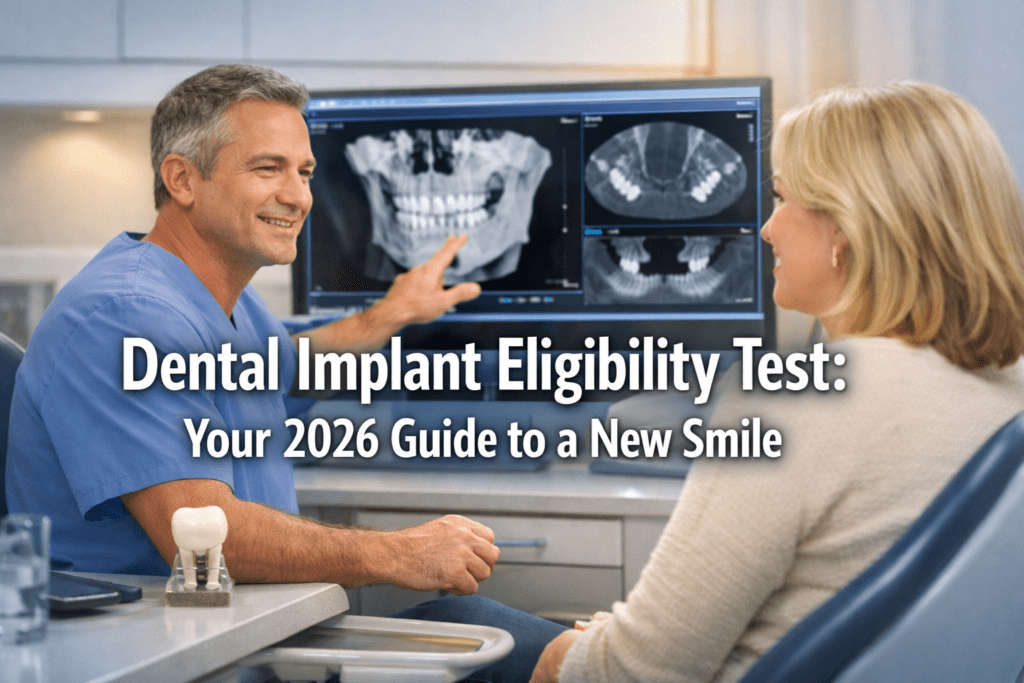
Embarking on the journey to restore your smile with dental implants can be a life-changing decision, offering a durable and natural-looking solution for missing teeth. However, not everyone is an immediate candidate for this advanced tooth replacement option. Understanding the dental implant eligibility test is the crucial first step to determine if this treatment is right for you. This comprehensive guide will walk you through the criteria, assessments, and considerations involved in evaluating your readiness for dental implants, ensuring you make an informed decision for your long-term oral health.
Key Takeaways
- A thorough dental implant eligibility test involves a detailed review of your oral and general health.
- Adequate jawbone density and healthy gum tissue are fundamental requirements for successful implant placement.
- Controlled chronic medical conditions and a commitment to excellent oral hygiene are vital for long-term success.
- Advanced diagnostic imaging, such as 3D CT scans, plays a critical role in assessing candidacy.
- Smoking cessation is often a mandatory requirement due to its significant impact on implant success rates.
What is a Dental Implant Eligibility Test?
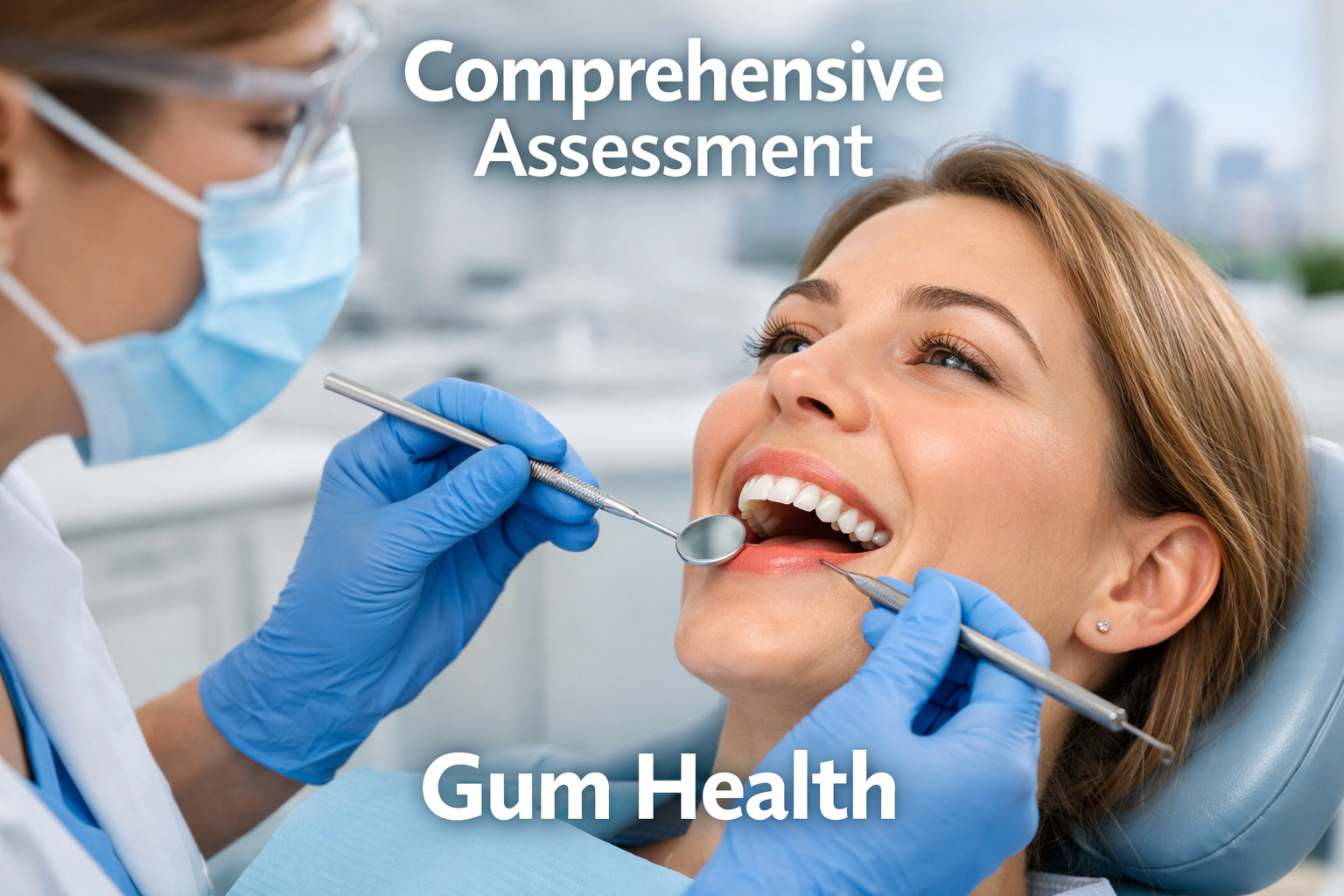
A dental implant eligibility test is a comprehensive evaluation performed by a dental professional to determine if a patient has the necessary oral health, jawbone structure, and general health conditions to successfully receive and retain dental implants [1]. This test assesses various factors, from the quality and quantity of your jawbone to your gum health and overall medical history, ensuring the procedure has the best possible chance of success. For residents seeking dental implants in Dallas, TX, this initial assessment is paramount to developing a personalized treatment plan.
The process typically involves a detailed clinical examination, advanced imaging studies, and a thorough discussion of your medical history and lifestyle habits. The goal is to identify any potential risks or complications and to determine if any preparatory procedures, such as bone grafting, are needed before implant placement [2].
What Are the Primary Criteria for Dental Implant Eligibility?
The primary criteria for dental implant eligibility involve a combination of oral health, general health, and lifestyle factors to ensure the longevity and success of the implants [3]. A healthy foundation is crucial for the successful integration of the implant with your bone.
Oral Health Requirements
- Adequate Jawbone Density: One of the most critical factors is having sufficient bone volume and quality in your jaw to support the dental implant. Implants rely on osseointegration, a process where the implant fuses directly with the bone [3]. Minimum measurements typically include 10mm height and 5mm width in the lower jaw for standard implants, though these can vary based on implant type and location [3]. If there isn’t enough bone, procedures like bone grafting or a sinus lift might be necessary to augment the area before implant placement [1, 2].
- Healthy Gums: Your gums must be free from active periodontal (gum) disease. Healthy gum tissue is typically pink, firm, and shows no signs of inflammation, bleeding, or deep pockets (probing depths less than 3mm) [3]. Active gum disease must be treated and brought under control, often requiring 3-6 months of maintenance therapy, before implants can be considered [3]. Periodontal health is vital for preventing peri-implantitis, a condition similar to gum disease that affects implants.
- Sufficient Space: There must be enough space between adjacent teeth and opposing teeth to accommodate the implant and the final restoration (crown, bridge, or denture).
- Good Oral Hygiene: Patients must demonstrate a commitment to excellent daily oral hygiene practices, including regular brushing and flossing, to maintain the health of their implants and surrounding tissues [3].
General Health Considerations
- Stable Health: Your overall health must be stable enough to undergo minor oral surgery and recover effectively [3]. Uncontrolled chronic conditions can significantly impact the success rate and healing process of dental implants.
- Controlled Chronic Conditions:
- Diabetes: Patients with diabetes can be candidates, but their blood sugar levels must be well-controlled. Uncontrolled diabetes can impair healing and increase the risk of infection and implant failure [2]. For specific recovery guidance, you can refer to our article on Diabetic Dental Implant Recovery: Guide & Timeline (2026).
- Heart Disease: Stable heart conditions are generally acceptable, but certain medications, like blood thinners, may require adjustments before surgery.
- Osteoporosis: While osteoporosis itself doesn’t always rule out implants, certain medications for osteoporosis, particularly bisphosphonates, can affect bone healing and may require careful evaluation [2].
- Autoimmune Diseases: These conditions can sometimes affect the body’s healing response, and candidacy will depend on the specific disease and its severity.
- Immune System Health: A healthy immune system is crucial for proper healing and preventing infections after surgery. Patients with compromised immune systems may require additional precautions or may not be suitable candidates [5].
Lifestyle Factors
- Smoking Status: Smoking significantly increases the risk of dental implant failure and complications during healing [1]. Many dentists require patients to quit smoking entirely or at least significantly reduce their habit before and during the implant process. This is a critical factor in the dental implant eligibility test.
- Alcohol Consumption: Excessive alcohol intake can also impair healing and impact long-term implant success.
- Commitment to Follow-Up Care: Successful dental implants require ongoing maintenance and regular dental check-ups, which patients must be willing to commit to. For insights into post-operative care, consider reading our guide on Dental Implant Specialist Follow Up Dallas 2026 | Guide & Plan.
How Do Dentists Perform a Dental Implant Eligibility Test in Dallas?
In Dallas, dental professionals perform a thorough dental implant eligibility test using a multi-faceted approach that combines clinical expertise with advanced diagnostic technology. This ensures a precise assessment of your oral and overall health for optimal implant success.
Step-by-Step Evaluation Process:
- Comprehensive Clinical Oral Examination:
- The dentist will visually inspect your mouth, examining the health of your remaining teeth, gums, and any missing tooth areas. They will look for signs of gum disease, tooth decay, or other oral pathologies that need to be addressed before implant placement [3]. This examination also includes checking the bite alignment and the condition of existing restorations.
- Detailed Medical History Review:
- You will be asked to provide a complete medical history, including any chronic conditions (like diabetes, heart disease, or autoimmune disorders), medications you are currently taking, allergies, and previous surgeries [2]. This information helps the dentist assess your systemic health and identify any factors that could affect healing or increase surgical risks. For instance, certain medications or uncontrolled diabetes could influence the success of the implant.
- Advanced Digital Imaging Studies:
- Traditional X-rays (Periapical and Panoramic): These initial X-rays provide a two-dimensional view of your teeth and jawbones, helping to identify major issues like bone loss or root abnormalities [3].
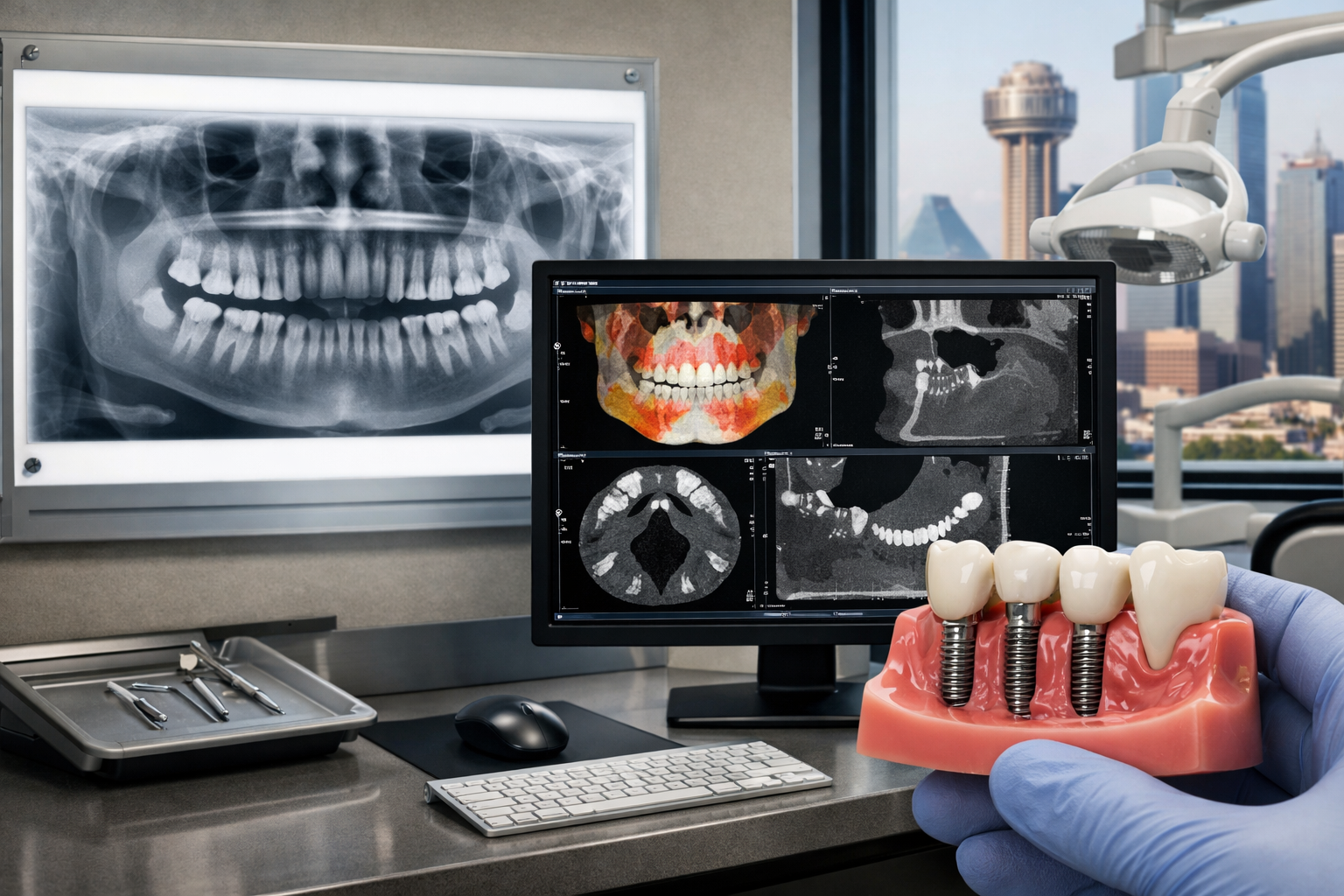
- 3D Cone Beam Computed Tomography (CBCT) Scans: This is a crucial tool in the modern dental implant eligibility test. A CBCT scan provides highly detailed, three-dimensional images of your jawbone, nerves, sinuses, and other anatomical structures with precision down to 0.1mm [3]. This allows the dentist to accurately assess:
- Bone Quantity and Quality: Essential for determining if there’s enough bone to anchor the implant and if the bone is dense enough for osseointegration.
- Proximity to Vital Structures: Identifies the exact location of nerves, sinuses, and adjacent tooth roots, which is critical for safe implant placement and avoiding complications.
- Bone Angulation and Morphology: Helps plan the ideal implant size, length, and angle for optimal function and aesthetics.
- Diagnostic Models and Planning:
- Dental Impressions: Your dentist will take impressions of your mouth to create physical or digital models of your teeth and jaws.
- CAD/CAM, 3D Printing, and Photogrammetry: Modern practices in Dallas often utilize these technologies to create highly accurate diagnostic models [1]. These models aid in:
- Surgical Planning: Allowing the dentist to precisely plan the implant placement, including the exact location, depth, and angulation.
- Prosthetic Planning: Helping to design the final restoration (crown, bridge, or denture) that will be placed on the implant, ensuring it integrates seamlessly with your bite and smile.
- Surgical Guides: In many cases, a custom surgical guide is fabricated using these models and CBCT data. This guide acts as a template during surgery, ensuring highly accurate and predictable implant placement.
By combining this meticulous examination with cutting-edge technology, Dallas dental professionals can confidently determine your suitability for dental implants and formulate a treatment plan tailored to your specific needs, emphasizing patient safety and long-term oral health.
When Is Bone Grafting or a Sinus Lift Necessary for Implant Eligibility?
Bone grafting or a sinus lift becomes necessary when the dental implant eligibility test reveals insufficient jawbone volume or density to support an implant [1, 2]. These procedures are designed to augment the bone in specific areas, creating a stable and durable foundation for the implant.
Bone Grafting
- When it’s needed: Bone grafting is recommended when the jawbone is too thin, soft, or has resorbed (shrunk) due to tooth loss, trauma, or gum disease [1]. Without adequate bone, the implant cannot properly integrate and will likely fail. This often occurs when a tooth has been missing for an extended period, leading to natural bone degradation.
- Procedure: A bone graft involves adding bone material to the deficient area. This material can come from your own body (autogenous graft), a donor (allograft), an animal source (xenograft), or synthetic materials (alloplast). The graft stimulates your body to grow new bone, which eventually integrates with the existing bone [2]. The healing time for a bone graft can range from several months to a year before an implant can be placed.
Sinus Lift (Sinus Augmentation)
- When it’s needed: A sinus lift is a specific type of bone grafting performed in the upper jaw when there isn’t enough bone between the upper jaw and the maxillary sinuses to place implants [1]. This commonly occurs after the loss of upper back teeth, as the sinus floor tends to expand into the space where the tooth roots once were.
- Procedure: During a sinus lift, the gum tissue is opened, and a small window is made in the bone. The membrane lining the sinus is gently lifted, and bone graft material is placed into the space created beneath the membrane [2]. This new bone provides the necessary height for implant placement. Similar to general bone grafting, a healing period of several months is typically required before the implant surgery.
Decision Rule:
- Choose bone grafting if your general jawbone in the implant site lacks sufficient height or width for stability, regardless of sinus proximity.
- Choose a sinus lift if you are planning implants in the upper back jaw and the maxillary sinus has dropped too low, encroaching on the necessary bone height.
Both procedures are crucial for achieving long-term implant success when initial bone volume is insufficient, ensuring the implant has a strong, natural foundation to fuse with.
Can Chronic Medical Conditions Affect Dental Implant Eligibility?
Yes, chronic medical conditions can significantly affect dental implant eligibility, primarily by influencing the body’s ability to heal and fight infection [2, 3]. While many conditions do not automatically disqualify a candidate, they require careful management and evaluation by both the dentist and the patient’s physician.
Key Chronic Conditions and Their Impact:
- Diabetes: Uncontrolled diabetes can impair blood flow, slow healing, and increase the risk of infection around the implant site. Patients with well-controlled diabetes, indicated by stable HbA1c levels, are often good candidates, but careful monitoring and potentially a longer healing period are essential [2].
- Heart Disease: Stable heart conditions, including controlled hypertension, generally don’t preclude implants. However, certain heart medications, such as blood thinners (anticoagulants), may need temporary adjustment or management in consultation with your cardiologist to minimize bleeding risks during surgery [3].
- Osteoporosis: This condition can affect bone density throughout the body, including the jaw. While osteoporosis itself doesn’t always rule out implants, certain medications used to treat it, specifically bisphosphonates, can, in rare cases, lead to osteonecrosis of the jaw (ONJ), a serious complication. A thorough discussion with your dentist and physician about these medications is crucial [2].
- Autoimmune Diseases: Conditions like rheumatoid arthritis or lupus can impact the immune system’s response, potentially affecting healing and increasing infection risk. Candidacy depends on the specific disease, its severity, and how well it is managed [5].
- Immunocompromised States: Patients with compromised immune systems due to conditions like HIV/AIDS or organ transplant recipients on immunosuppressive drugs may have a higher risk of infection and delayed healing. Each case must be evaluated individually with close collaboration between the dental team and medical specialists.
- Radiation Therapy to the Head and Neck: Previous radiation therapy can reduce blood supply to the jawbone, making it less receptive to implants and increasing the risk of complications like osteoradionecrosis. This requires specialized assessment and often hyperbaric oxygen therapy before and after implant placement.
Importance of Physician Consultation:
If you have a chronic medical condition, your Dallas dentist will likely require a medical clearance from your physician before proceeding with a dental implant procedure [2]. This collaboration ensures that any potential risks are understood and managed appropriately, prioritizing your overall health and patient safety throughout the implant process. It’s about ensuring your body can safely undergo the surgery and heal effectively.
What Lifestyle Choices Impact Dental Implant Eligibility?
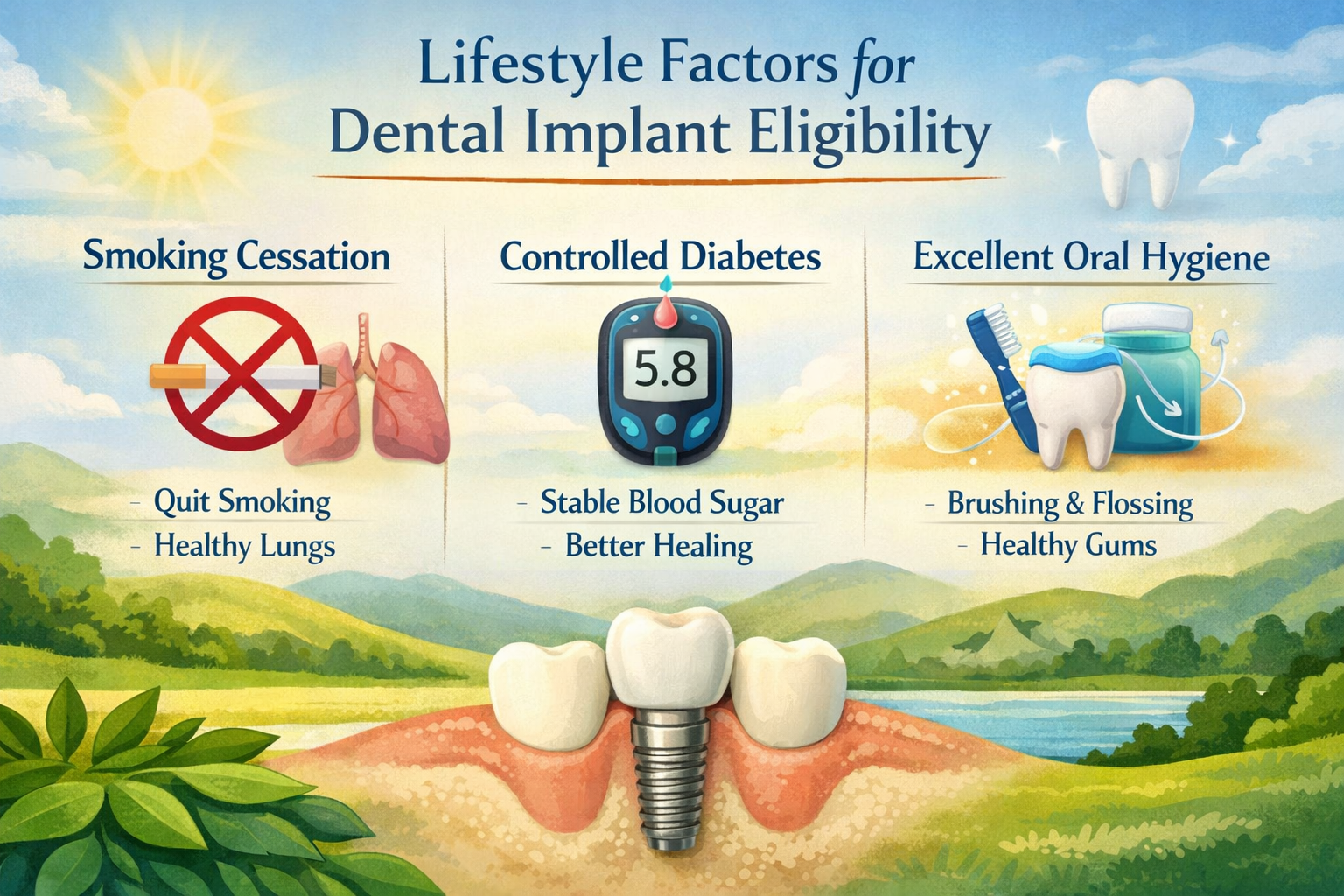
Your lifestyle choices play a significant role in determining your dental implant eligibility and, more importantly, the long-term success of your implants. Certain habits can either promote healing and stability or drastically increase the risk of complications.
Critical Lifestyle Factors:
- Smoking: This is perhaps the most detrimental lifestyle factor for dental implant success. Smoking restricts blood flow, impairs the body’s healing capabilities, and significantly increases the risk of implant failure and peri-implantitis (an infection around the implant) [1]. Many dental professionals require patients to quit smoking entirely or at least dramatically reduce their habit for a substantial period before, during, and after the implant process to be considered eligible [3]. The commitment to smoking cessation is a non-negotiable part of the dental implant eligibility test for many clinics.
- Alcohol Consumption: While moderate alcohol intake generally doesn’t pose a significant risk, excessive alcohol consumption can impair healing, weaken the immune system, and negatively impact bone metabolism, potentially affecting osseointegration. It’s advisable to limit alcohol intake, especially around the time of surgery.
- Oral Hygiene Habits: Excellent daily oral hygiene is paramount for the long-term success of dental implants [3]. Patients must demonstrate a commitment to diligent brushing, flossing, and using any prescribed rinses. Poor oral hygiene can lead to gum disease around natural teeth and peri-implantitis around implants, which can cause implant failure. If your current oral hygiene is suboptimal, your dentist will work with you to improve it before considering implants.
- Diet and Nutrition: A balanced diet rich in vitamins and minerals, especially Vitamin C and D, and calcium, supports overall health and bone healing. Poor nutrition can hinder the body’s ability to recover and integrate the implant.
- Bruxism (Teeth Grinding/Clenching): Chronic teeth grinding or clenching can place excessive stress on dental implants, particularly during the healing phase, potentially leading to implant failure or damage to the restoration [3]. If you suffer from bruxism, your Dallas dentist will likely recommend a custom night guard to protect your implants and natural teeth. You can learn more about protecting your implants in our guide on Protect Your Dental Implants: The Essential 2026 Night Guard.
- Commitment to Regular Dental Check-ups: Long-term success of dental implants relies heavily on consistent professional maintenance and regular check-ups [3]. This includes monitoring implant health, professional cleanings, and addressing any issues promptly. Patients must be willing to commit to this ongoing care.
Ultimately, a patient’s lifestyle choices reflect their dedication to maintaining their oral and general health, which is a critical component of successful dental implant treatment and long-term oral health.
What if I Don’t Meet the Initial Dental Implant Eligibility Test Requirements?
If you don’t meet the initial requirements of a dental implant eligibility test, it doesn’t necessarily mean you can never get dental implants. Often, many issues can be addressed through preparatory treatments or lifestyle adjustments, allowing you to become a suitable candidate over time.
Here’s how common disqualifying factors can be overcome:
- Insufficient Jawbone: This is a common issue, especially if teeth have been missing for a while.
- Solution: Bone grafting procedures, such as a sinus lift for the upper jaw or ridge augmentation for general bone deficiencies, can rebuild the necessary bone volume and density [1, 2]. These procedures require a healing period (typically several months) before the implant can be placed, but they offer a pathway to eligibility.
- Active Gum Disease (Periodontitis): Uncontrolled gum disease is a significant risk factor for implant failure.
- Solution: Your Dallas dentist will recommend a course of periodontal treatment, which may include deep cleanings (scaling and root planing), antibiotics, and improved home care [3]. Once your gum health is stable and free from active infection (often after 3-6 months of maintenance therapy), you may be re-evaluated for implants.
- Poor Oral Hygiene: A lack of consistent, effective oral hygiene can lead to complications.
- Solution: Your dental team will provide detailed instructions and education on proper brushing, flossing, and potentially recommend specific oral rinses. Demonstrating a sustained commitment to excellent oral care is key to becoming eligible.
- Smoking: As discussed, smoking significantly compromises healing.
- Solution: Quitting smoking is often a mandatory requirement. Many dentists ask patients to quit several weeks or months before the procedure and remain smoke-free throughout the healing period and beyond [1]. This commitment dramatically improves success rates.
- Uncontrolled Chronic Medical Conditions (e.g., Diabetes): These can hinder healing and increase infection risk.
- Solution: Working closely with your physician to get your condition under control is essential [2]. For example, diabetics will need to achieve stable blood sugar levels. Once medically cleared and stable, you may be re-evaluated.
- Bruxism (Teeth Grinding): This can put undue stress on implants.
- Solution: Your dentist can provide a custom-fitted night guard to protect your implants from excessive forces, especially during sleep [3].
The path to dental implant eligibility is often a journey that may involve preliminary steps. A consultation with a qualified dentist specializing in dental implants in Dallas is the best way to understand your specific situation and explore all available options. They can guide you through any necessary preparatory treatments, ultimately helping you achieve the long-term oral health benefits of dental implants.
What is the Cost of the Dental Implant Eligibility Test and Related Procedures in Dallas?
The cost of a dental implant eligibility test in Dallas is typically incorporated into the initial consultation fee or as part of a comprehensive diagnostic workup. While the initial evaluation itself might be a relatively small component, the overall costs can vary significantly depending on the extent of diagnostic imaging and any necessary preparatory procedures.
Breakdown of Potential Costs:
- Initial Consultation & Clinical Exam: Many Dallas dental offices offer an initial consultation which may include the clinical examination and a discussion of your medical history. This fee can range from nominal to a few hundred dollars, sometimes waived if you proceed with treatment.
- X-rays and Digital Imaging:
- Panoramic X-ray: Usually costs between $75-$150.
- 3D Cone Beam CT (CBCT) Scan: These advanced scans are more detailed and thus more expensive, typically ranging from $250-$600 in Dallas, depending on the clinic and the area being scanned. This is a critical investment in precise diagnosis.
- Diagnostic Models & Planning: Creating physical or digital models for precise surgical planning might be included in the overall treatment cost or charged separately, generally ranging from $100-$300.
- Preparatory Procedures (if needed): These are significant additional costs and are often crucial for eligibility.
- Bone Grafting: The cost of bone grafting can vary widely based on the type of graft material and the extent of the area being treated. In Dallas, minor grafting can be $300-$800, while more extensive procedures can range from $1,500-$3,000 or more per site.
- Sinus Lift: A sinus lift is a more complex bone grafting procedure, and costs in Dallas typically range from $1,500-$3,500 per sinus, depending on the complexity and material used.
- Treatment for Gum Disease: If active periodontal disease is present, scaling and root planing (deep cleaning) can cost $200-$500 per quadrant, with more advanced treatments costing significantly more.
- Overall Dental Implant Costs: It’s important to remember that these eligibility-related costs are distinct from the actual dental implant procedure cost in 2025. The total cost of a single dental implant in Dallas, including the implant, abutment, and crown, can range from $3,000 to $6,000 or more, not including preparatory work. For a comprehensive overview, you can explore our guide on Unlocking the Best Cost for Dental Implants in 2025: Your Comprehensive Guide – Dallas Dental Implant Cost.
Financing and Insurance:
While many diagnostic and preparatory procedures may be covered partially by dental insurance, especially if deemed medically necessary, full coverage for dental implants is rare [6]. It’s essential to consult with your insurance provider and the dental office’s financial coordinator to understand your specific benefits. For those without extensive coverage, various dental implant financing options in Dallas are available, including payment plans and third-party medical credit options.
Understanding these potential costs upfront is a vital part of the decision-making process for dental implants in Dallas. A transparent discussion with your dental team about all fees involved is always recommended.
Frequently Asked Questions (FAQ)
What is the first step in a dental implant eligibility test?
The first step is a comprehensive clinical oral examination by a qualified dentist, including a review of your medical history [1].
Do I need a 3D CT scan for dental implant eligibility?
Yes, a 3D Cone Beam CT (CBCT) scan is almost always necessary to accurately assess jawbone density and identify vital structures for safe implant placement [3].
Can I get dental implants if I have gum disease?
No, active gum disease must be treated and brought under control before you can be considered eligible for dental implants [3].
Is smoking a barrier to getting dental implants?
Smoking significantly increases the risk of implant failure, so most dentists require patients to quit smoking or drastically reduce it to be eligible [1].
What is the minimum bone requirement for dental implants?
While it varies, a typical minimum requirement is around 10mm in height and 5mm in width of bone in the lower jaw for standard implants [3].
What if my jawbone is too thin for dental implants?
If your jawbone is too thin, procedures like bone grafting or a sinus lift can be performed to augment the bone and create a suitable foundation [1].
Can older adults get dental implants?
Yes, age itself is not a barrier to dental implants; overall health and bone quality are more important factors [2].
Do chronic diseases like diabetes prevent dental implants?
Not necessarily. Patients with well-controlled chronic conditions, such as diabetes, can often be candidates, but close medical management is required [2].
How long does the eligibility assessment take?
The initial consultation and clinical exam might take 30-60 minutes, with additional time for imaging appointments. The overall assessment can span several appointments if preparatory treatments are needed.
Will my dental insurance cover the eligibility test?
Some aspects of the eligibility test, like X-rays, might be partially covered by dental insurance, but full implant coverage is less common [6]. It’s best to check with your provider.
Conclusion
The journey to a restored smile with dental implants begins with a thorough and precise dental implant eligibility test. This critical evaluation, which combines a detailed clinical examination, a comprehensive review of your medical history, and advanced 3D imaging, ensures that you possess the necessary oral and general health conditions for successful implant placement and long-term stability. While factors such as insufficient jawbone, active gum disease, uncontrolled chronic conditions, or smoking can initially pose challenges, it’s reassuring to know that many of these issues can be addressed through preparatory treatments and lifestyle adjustments.
For those in Dallas considering dental implants, consulting with a skilled and compassionate dental professional is your most important next step. They can accurately assess your unique situation, guide you through any necessary preliminary procedures, and develop a personalized treatment plan that prioritizes your health and achieves your smile goals. Embracing this patient-first approach ensures that your investment in dental implants leads to a healthy, confident smile that lasts for years to come.
Key Takeaways
- A thorough dental implant eligibility test is essential to determine if you are a suitable candidate for the procedure.
- Key factors include adequate jawbone density, healthy gum tissue, controlled chronic medical conditions, and a commitment to excellent oral hygiene.
- Advanced diagnostic tools like 3D Cone Beam CT (CBCT) scans are crucial for precise assessment of bone structure and vital anatomy.
- Preparatory procedures such as bone grafting or a sinus lift can address insufficient bone volume, making more patients eligible.
- Lifestyle choices, particularly smoking status and oral hygiene habits, significantly impact both eligibility and the long-term success of dental implants.
- Patients with chronic conditions like diabetes or heart disease may be candidates if their conditions are well-managed and medically cleared.
- It is vital to have an open discussion with your Dallas dental professional about all aspects of the eligibility test, including potential costs and financing options, to make an informed decision for your long-term oral health.
References
[1] How To Qualify For Dental Implants Key Requirements You Must Meet – https://www.wellingtonfamilydental.com/how-to-qualify-for-dental-implants-key-requirements-you-must-meet/
[2] Are You Eligible For Dental Implants – https://www.lukerdental.com/are-you-eligible-for-dental-implants/
[3] Dental Implant Candidacy Criteria – https://www.northwestoralsurgeons.com/blog/dental-implant-candidacy-criteria/
[5] Are You A Candidate For Dental Implants Key Factors To Consider – https://www.mirrorlakedentistry.com/heartland/heartland-blog/are-you-a-candidate-for-dental-implants-key-factors-to-consider
[6] What Is Considered Medically Necessary Dental Implants – https://bestdentistinkatytx.com/what-is-considered-medically-necessary-dental-implants/
Leave a Reply
Share your thoughts or ask a question about dental implants. Your email address will not be published.