

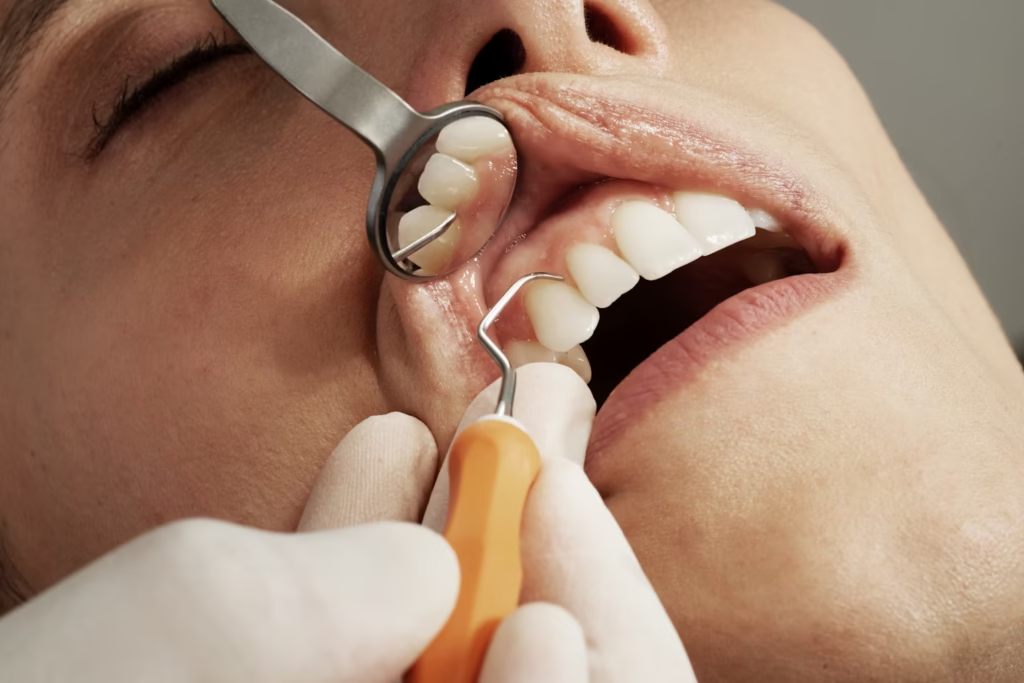
Imagine sitting down to enjoy your favorite meal when suddenly you hear an unexpected clicking sound coming from your dental implant. Your heart skips a beat—is something wrong? Should you be worried? If you’ve experienced a dental implant clicking noise, you’re not alone, and more importantly, you’re not necessarily facing a serious problem.
That small clicking sound can feel overwhelming, especially when you’ve invested time, money, and hope into restoring your smile. But here’s the reassuring truth: most clicking noises have simple explanations and straightforward solutions. Understanding what causes these sounds—and knowing when to take action—can help you maintain your confidence and protect your investment in your oral health.
Key Takeaways
- Most dental implant clicking noises are minor issues that can be easily resolved with professional adjustment or tightening
- Loose components or bite alignment problems are the most common causes of clicking sounds in dental implants
- Immediate dental consultation is recommended if clicking is accompanied by pain, swelling, or implant movement
- Regular maintenance and checkups can prevent most clicking issues from developing in the first place
- Not all implant sounds indicate problems—some patients naturally hear more sounds due to bone conduction differences
The Phenomenon of Clicking Noises in Dental Implants
When you first notice a dental implant clicking noise, it’s natural to feel concerned. Unlike your natural teeth, which are cushioned by a periodontal ligament, dental implants are directly fused to your jawbone through a process called osseointegration. This direct connection can sometimes transmit sounds differently than you might expect.
The clicking you hear isn’t necessarily a sign of implant failure or a serious complication. In fact, many patients experience occasional sounds from their implants, especially during the first few months after placement. These implant sound effects can range from subtle clicking to more noticeable tapping sounds when you bite down or chew.
What makes implant sounds different from natural tooth sounds is the way vibrations travel through the titanium implant directly into your bone structure. Your brain interprets these vibrations as audible clicks or taps, which can seem louder to you than they actually are to others around you.
Understanding this phenomenon is the first step toward addressing any concerns you might have about your implant’s health and function.

Common Causes of Dental Implant Clicking
Several factors can contribute to causes of implant clicking, and most of them are completely treatable. Let’s explore the most common implant noise reasons so you can better understand what might be happening with your dental implant.
Micro-movements at the Implant-Abutment Connection
One of the most frequent causes of clicking sounds involves tiny movements where the abutment (the connector piece) meets the implant itself. Even microscopic implant-abutment movement can create audible clicking sounds when you bite down or chew.
This micro-movement clicking typically occurs when:
- The abutment screw has slightly loosened over time
- Normal wear and tear creates small gaps between components
- The initial tightening wasn’t quite sufficient during placement
The good news? This issue is usually resolved with a simple adjustment appointment where your dentist can properly retighten the connection.
Loose or Improperly Tightened Components
Loose implant screws are perhaps the most straightforward cause of clicking noises. Your dental implant system consists of multiple components that must work together seamlessly:
- The implant fixture (in your jawbone)
- The abutment (connector piece)
- The crown (visible tooth portion)
When any of these connections become loose, you’ll likely hear clicking sounds during normal activities like eating or speaking. Implant component tightening is a routine procedure that your dentist can perform quickly and comfortably.
Signs that loose components might be causing your clicking include:
- Sounds that occur primarily when biting down
- Clicking that has gradually become more noticeable
- A slight feeling that something is “off” with your bite
Occlusion and Bite Alignment Problems
Sometimes the clicking isn’t from loose parts but rather from how your teeth come together when you bite. Occlusal adjustment issues can create bite alignment implant clicking when your implant crown doesn’t fit perfectly with your natural bite pattern.
This can happen when:
- Your bite has shifted slightly since implant placement
- The crown height needs minor adjustment
- Adjacent teeth have moved, affecting overall alignment
Your dentist can easily assess your bite and make precise adjustments to eliminate clicking sounds while ensuring comfortable chewing function.
Material and Acoustic Properties
The materials used in your dental implant can also influence sound transmission. Implant material sound varies depending on the type of crown material (porcelain, zirconia, or metal) and how it interacts with the titanium implant.
Acoustic effects dental implants create can be more noticeable in some patients due to:
- Individual bone density differences
- Crown material selection
- Personal sensitivity to sound vibrations
While you can’t change the materials after placement, understanding these factors can help put occasional sounds into perspective.
🦷 Dental Implant Clicking Assessment
Answer these questions to understand your situation better
When to See a Dentist About Clicking Implants
While many clicking sounds are harmless, certain dental implant problems clicking warrant immediate professional attention. Knowing when to schedule an appointment can help prevent minor issues from becoming major complications.
Contact your dentist promptly if you experience:
🔴 Pain or tenderness around the implant site along with clicking 🔴 Visible movement of the crown or implant when you touch it 🔴 Swelling or redness in the gum tissue surrounding the implant 🔴 Changes in your bite that developed along with the clicking 🔴 Difficulty chewing or avoiding certain foods due to discomfort
Schedule a routine appointment if:
- Clicking sounds have gradually increased over several weeks
- You notice the sound only with specific foods or movements
- The clicking is new but not accompanied by pain or movement
- You’re simply concerned and want peace of mind
Remember, it’s always better to visit your dentist early rather than wait for symptoms to worsen. Regular dental implant follow-up appointments are designed to catch and address these types of issues before they become problematic.
Your dentist has specialized tools and expertise to determine whether clicking sounds indicate a simple adjustment need or require more comprehensive treatment. Most patients find that their concerns are easily addressed with minor modifications to their implant system.
Treatment and Prevention Options for Implant Clicking
The good news about implant clicking is that most causes have straightforward solutions. Your dentist has several effective approaches to fix implant clicking and restore your comfort and confidence.
Professional Treatment Options
Component Tightening: The most common solution involves tightening loose screws or connections. This typically takes just a few minutes and provides immediate relief from clicking sounds.
Occlusal Adjustment: If your bite alignment is causing the clicking, your dentist can make precise adjustments to your crown’s surface. This ensures proper contact with opposing teeth and eliminates problematic sounds.
Abutment Replacement: In some cases, replacing the abutment (connector piece) resolves persistent clicking issues, especially if wear or damage has occurred over time.
Crown Modification: Sometimes the crown itself needs minor adjustments in shape or material to eliminate clicking sounds while maintaining proper function.
Preventive Measures for Long-term Success
Regular Maintenance Appointments: Consistent checkups allow your dentist to identify and address potential clicking issues before they become noticeable to you. Dental implant maintenance is crucial for preventing complications.
Proper Oral Hygiene: Keeping your implant area clean prevents gum disease around dental implants, which can contribute to component loosening and clicking sounds.
Avoiding Harmful Habits: Protecting your implant from excessive force helps maintain tight connections between components:
- Don’t chew ice or extremely hard objects
- Avoid using your teeth as tools
- Consider a night guard if you grind your teeth
Following Post-Treatment Instructions: Proper care during healing, including managing sensitivity and following medication guidelines, supports long-term implant stability.
How Hearing Implant Sounds Is Normal for Some Patients
Understanding implant sound perception can help put your concerns into perspective. Some patients naturally hear more sounds from their dental implants due to individual anatomical differences and how sound travels through bone.
The Science of Bone Conduction
Bone conduction dental implants create a direct pathway for sound vibrations to travel from your implant through your jawbone to your inner ear. This is different from natural teeth, which have a cushioning ligament that dampens vibrations.
Factors that influence how much you hear from your implant include:
- Bone density: Denser bone transmits sound more efficiently
- Implant position: Location in your mouth affects sound transmission
- Individual sensitivity: Some people are naturally more aware of internal sounds
- Crown material: Different materials create varying acoustic properties
When Sounds Are Completely Normal
Many patients experience harmless sounds that are simply part of having an implant:
- Subtle clicking when biting down on hard foods
- Occasional tapping sounds during chewing
- Different acoustic sensations compared to natural teeth
- Sounds that are more noticeable to you than to others
These normal acoustic effects dental implants typically:
- Don’t cause pain or discomfort
- Remain consistent over time
- Don’t interfere with normal function
- Aren’t accompanied by movement or looseness
If your clicking falls into this category, you can feel confident that your implant is functioning properly. Many patients find that they become less aware of these sounds over time as they adapt to their implant.
Frequently Asked Questions About Dental Implant Clicking Noise
Is clicking noise normal after getting dental implants?
Occasional clicking sounds can be normal, especially during the first few months after implant placement. However, persistent or loud clicking, particularly when accompanied by pain or movement, should be evaluated by your dentist. Most clicking issues are easily resolved with simple adjustments.
What causes clicking sounds in dental implants?
The most common causes include loose screws or connections between implant components, bite alignment issues, and normal sound transmission through the implant material. Unlike natural teeth, implants are directly connected to bone, which can make sounds more noticeable through bone conduction.
Can implant clicking indicate implant failure?
While clicking can sometimes signal a need for adjustment, it rarely indicates complete implant failure. True implant failure involves the loss of osseointegration (bone fusion) and typically includes significant mobility, pain, and other obvious symptoms. Most clicking issues are resolved with minor professional adjustments.
How can clicking be fixed or prevented?
Treatment options include tightening loose components, adjusting your bite alignment, or modifying the crown surface. Prevention involves maintaining excellent oral hygiene, attending regular checkups, avoiding extremely hard foods, and protecting your implant from excessive force. Proper implant care significantly reduces the likelihood of clicking issues.
Should I be worried about implant clicking noise?
Mild, occasional clicking without pain or movement is usually not concerning. However, you should contact your dentist if clicking is frequent, accompanied by discomfort, or if you notice any looseness in the implant. Early evaluation and treatment prevent minor issues from becoming more complex problems.
How long does it take to fix clicking implants?
Most clicking issues can be resolved in a single appointment lasting 15-30 minutes. Simple component tightening or bite adjustments are quick procedures that provide immediate relief. More complex issues might require additional visits, but the majority of patients experience rapid improvement after their first treatment appointment.
Will my insurance cover treatment for clicking implants?
Coverage varies by insurance plan and the specific cause of clicking. Routine maintenance and adjustments are often covered, especially if they’re part of ongoing implant care. Check with your insurance provider and dental office about coverage for your specific situation. Many offices offer warranty protection that covers certain types of adjustments.
Maintaining Your Investment: Long-term Implant Care
Your dental implant represents a significant investment in your oral health and quality of life. Protecting this investment means staying proactive about potential issues like clicking sounds and maintaining excellent ongoing care.
Building a Relationship with Your Dental Team
Communication is key to successful long-term implant care. Don’t hesitate to discuss any concerns, no matter how minor they might seem. Your dental team wants to help you maintain optimal implant health and function.
Regular professional cleanings and examinations allow your dentist to monitor your implant’s condition and catch potential issues early. Professional implant cleaning removes buildup that home care alone cannot address.
Supporting Your Implant’s Health at Home
Daily oral hygiene remains crucial for preventing complications that could lead to clicking or other problems:
- Brush twice daily with a soft-bristled toothbrush
- Use implant-specific floss or interdental brushes
- Consider an antimicrobial rinse recommended by your dentist
- Support healing with proper nutrition
Lifestyle factors also play a role in implant longevity:
- Avoid tobacco products, which impair healing and increase complication risk
- Limit alcohol consumption, which can interfere with bone health
- Manage stress, which can contribute to teeth grinding and excessive implant force
- Maintain overall health through regular medical checkups
Recognizing Your Implant’s Success
A successful dental implant should feel natural and function seamlessly with your remaining teeth. Signs of a healthy, well-functioning implant include:
- Comfortable chewing without pain or sensitivity
- Stable feel with no movement or looseness
- Healthy pink gums around the implant site
- Easy cleaning and maintenance
- Natural appearance that blends with your smile
When minor issues like clicking arise, remember that they’re typically easy to address and don’t diminish your implant’s overall success. With proper care and professional support, your dental implant can provide decades of reliable function and confidence.
Conclusion: Managing Dental Implant Clicking for Comfortable, Long-Lasting Results
Experiencing a dental implant clicking noise can initially feel concerning, but understanding the common causes and available solutions should give you confidence in addressing this issue. Most clicking sounds result from minor, easily correctable problems like loose components or bite alignment issues that your dentist can resolve quickly and comfortably.
The key to successful implant clicking care lies in prompt communication with your dental team and maintaining consistent oral health habits. Whether your clicking requires immediate attention or simple monitoring, professional evaluation provides the clarity and peace of mind you deserve.
Remember that your dental implant is designed to last for decades with proper care. Minor adjustments and maintenance are normal parts of the implant journey, not signs of failure or cause for alarm. By staying proactive about your oral health and working with experienced professionals, you can enjoy the full benefits of your implant investment.
Take action today by scheduling a consultation if you’re experiencing persistent clicking sounds. Your smile deserves expert care, and addressing concerns early ensures the best possible outcomes for your long-term oral health and comfort.
For comprehensive dental implant care and expert solutions to clicking concerns, contact our Dallas dental implant specialists who are committed to helping you maintain a healthy, confident smile for years to come.
Leave a Reply
Share your thoughts or ask a question about dental implants. Your email address will not be published.