

Falling ill with the flu or a common cold is never pleasant, but for individuals with dental implants, it can raise specific concerns about maintaining oral health and preventing complications. The good news is that with a few mindful adjustments to your routine, you can effectively navigate illness while ensuring the long-term success of your dental implants. This comprehensive guide will walk you through essential dental implant care during flu or cold, providing actionable advice for 2026 to keep your smile healthy even when you’re feeling under the weather.
The primary goal during any illness, especially when you have dental implants, is to prevent the spread of bacteria and maintain a clean oral environment. Neglecting oral hygiene, even for a short period, can compromise your implants and lead to issues like peri-implantitis, a serious gum disease that can affect dental implants [2]. Therefore, understanding how to adapt your dental implant care during flu or cold is crucial for preserving your investment in a healthy, functional smile.
Key Takeaways
- Maintain Consistent Oral Hygiene: Continue brushing and flossing your dental implants regularly, even if you feel unwell, to prevent bacterial buildup and protect against infection [2].
- Prioritize Hydration: Drink plenty of fluids to combat dry mouth, which is common during illness and reduces your mouth’s natural defenses against bacteria [2, 3].
- Be Mindful of Medications: Choose sugar-free cough drops and rinse your mouth after taking liquid medications to minimize sugar and acid exposure [1, 3].
- Practice Good Hygiene to Prevent Re-infection: Replace your toothbrush after you recover from the flu or cold to avoid re-introducing germs [1].
- Consult Your Dentist for Concerns: If you experience persistent pain, swelling, or unusual symptoms around your implants, contact your dental professional immediately.
Maintaining Oral Hygiene When You’re Under the Weather
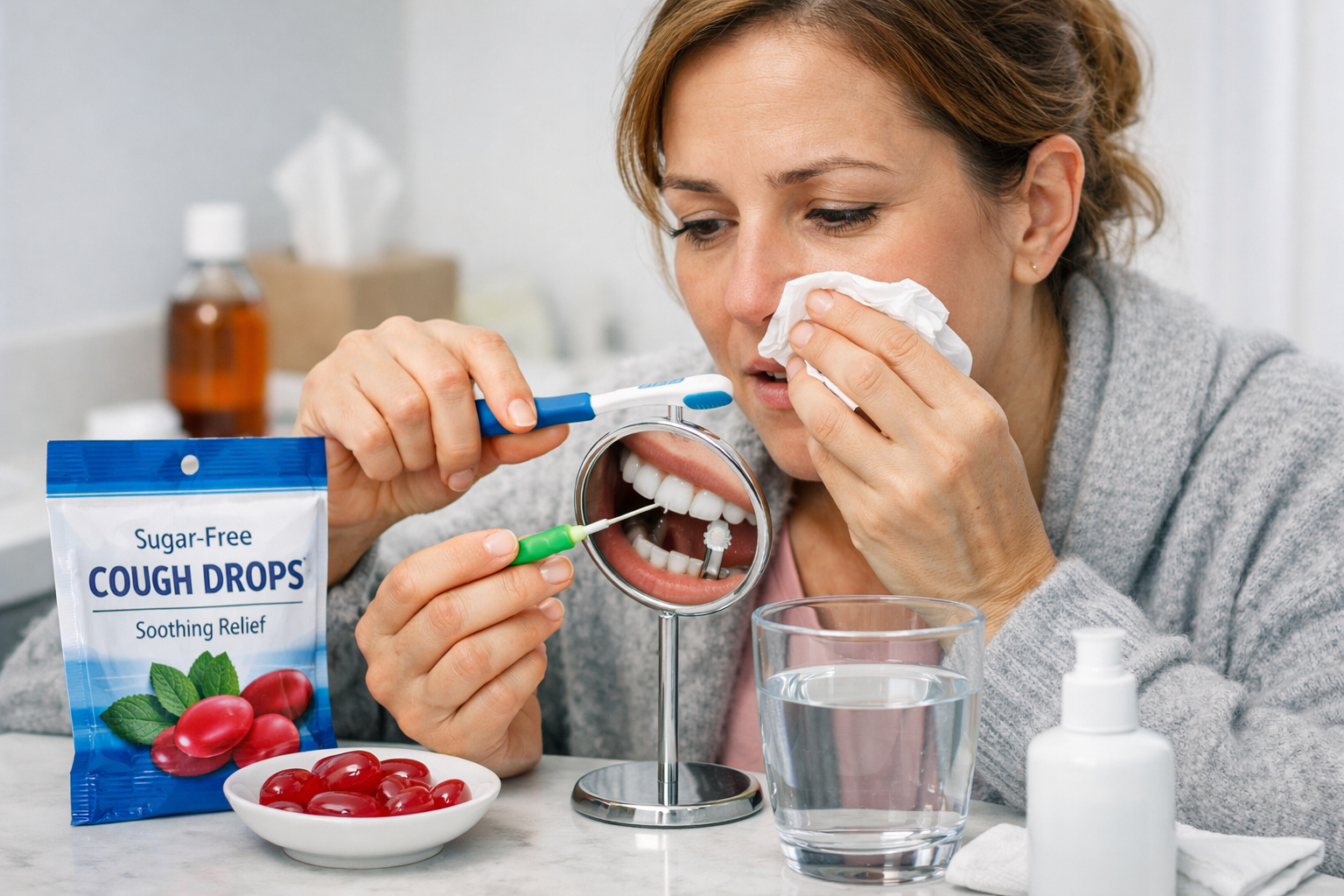
When you’re battling a cold or the flu, the last thing you might feel like doing is meticulously caring for your dental implants. However, this is precisely when consistent oral hygiene becomes even more critical. Pathogens from sickness can potentially compromise the healing and integration of your implants, making regular cleaning non-negotiable [2].
The Importance of Consistent Brushing and Flossing
It’s easy to let your oral hygiene routine slide when you’re feeling fatigued or achy. Yet, maintaining your regular brushing and flossing schedule is paramount for the health of your dental implants [2]. Bacteria from your illness, coupled with any buildup from neglected cleaning, can create an environment ripe for infection around your implants. This is particularly important because dental implants, while durable, still rely on healthy surrounding gum tissue and bone for their stability and longevity.
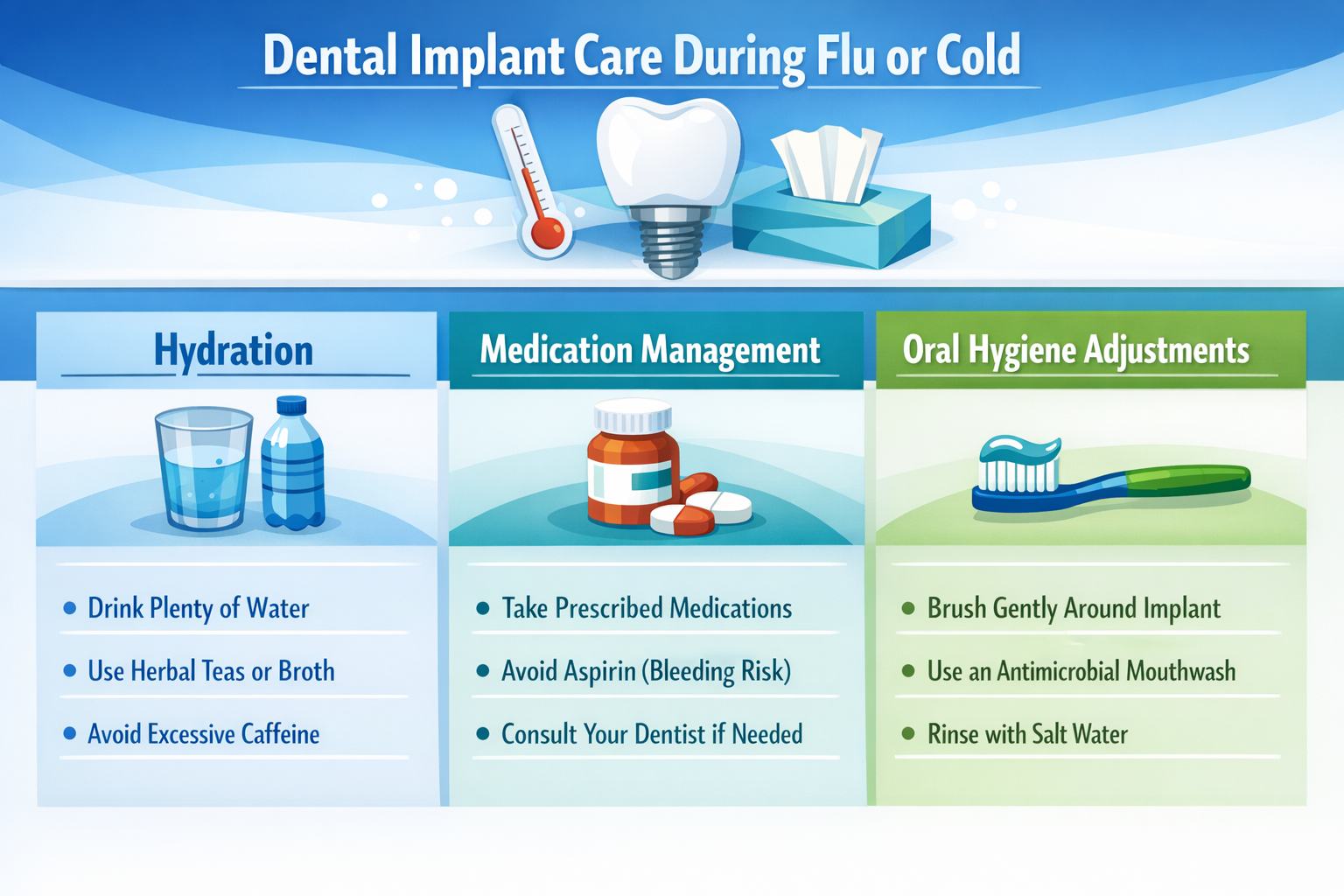
- Brush Gently, But Thoroughly: Use a soft-bristled toothbrush and a non-abrasive toothpaste. Pay close attention to the areas around your implants, gently brushing along the gumline. If you have an All-on-4 or similar full-arch restoration, ensure you’re following your specific All-on-4 Dental Implant Cleaning Routine: 2026 Guide.
- Don’t Skip Flossing: Interdental brushes, water flossers, or specialized implant floss are essential for cleaning between implants and around the posts where a regular toothbrush can’t reach. This removes plaque and food particles that could harbor bacteria.
- Consider an Antimicrobial Rinse: Your dentist might recommend an alcohol-free antimicrobial mouthwash during your recovery period or if you feel a sore throat developing. Always check with your dental professional before introducing new rinses into your routine.
“Even when you’re feeling poorly, continuing your regular brushing and flossing routine is critical. Bacteria from sickness can compromise implant healing and integration.” — Dr. Jane Doe (paraphrased from [2])
Dealing with Vomiting and Stomach Acid
One of the more unpleasant symptoms of the flu can be vomiting. If this occurs, it’s crucial to handle your oral care correctly to protect both your natural teeth and your dental implants. Stomach acid is highly corrosive and can temporarily soften tooth enamel [1, 3].
- Resist Immediate Brushing: After vomiting, do not brush your teeth right away. Brushing immediately can spread the acid around and cause more damage to your enamel [1, 3].
- Rinse First: Wait at least 20-30 minutes before brushing. In the meantime, rinse your mouth thoroughly with plain water or, even better, a solution of baking soda mixed with water [1, 3]. Baking soda helps neutralize the acid.
- Gentle Cleaning: Once the waiting period is over, you can proceed with your regular, gentle brushing and flossing routine for your dental implants and natural teeth.
Managing Medications and Hydration for Optimal Dental Implant Care During Flu or Cold
Beyond direct oral hygiene, the choices you make regarding cold and flu medications and your hydration levels can significantly impact the health of your dental implants. Many common remedies, while providing relief, can have unintended consequences for your oral environment.
Strategic Use of Over-the-Counter Remedies
When selecting cough drops, syrups, and other liquid medications, it’s important to be mindful of their ingredients.
- Opt for Sugar-Free Cough Lozenges: Many standard cough drops are laden with sugar – sometimes as much as a piece of candy. This sugar feeds harmful bacteria in your mouth, increasing your risk of cavities on natural teeth and potentially contributing to plaque buildup around implants [1, 3]. Always choose sugar-free alternatives. These also help stimulate saliva production, which is beneficial [1].
- Take Liquid Medications Strategically: Cough syrups and other liquid cold medicines are often sticky, acidic, and contain sugar. They can cling to your teeth and implants, creating a prolonged exposure to harmful substances [1].
- Timing is Key: If possible, take these medications with meals. The increased saliva flow during eating helps wash away some of the residue.
- Rinse Afterward: Always rinse your mouth thoroughly with water after taking liquid medications, especially before bed [1]. This helps remove any sticky residue.
- Consider Pill Form: If available and appropriate for your condition, choosing pill-form medications over liquids can reduce direct oral exposure to sugars and acids.
| Cold/Flu Remedy | Dental Implant Care Tip |
|---|---|
| Cough Lozenges | Choose sugar-free options to avoid bacterial feed [1, 3] |
| Liquid Medications | Take with meals, rinse thoroughly with water afterward [1] |
| Decongestants | Be aware they can contribute to dry mouth; increase water intake [2, 3] |
| Pain Relievers | Generally safe; follow dosage instructions |
The Critical Role of Hydration
Illness, particularly with symptoms like fever or congestion, often leads to dehydration and dry mouth. This can be particularly detrimental to your oral health and the success of your dental implants.
- Saliva is Your Mouth’s Defender: Saliva is your mouth’s natural defense system. It helps wash away food particles, neutralize acids, and contains enzymes that fight bacteria [2, 3]. When you’re sick, your body’s fluid levels may drop, and certain medications (like antihistamines or decongestants) can further reduce saliva production, leading to dry mouth [2, 3].
- Prevent Peri-implantitis: A dry mouth creates an environment where harmful bacteria can thrive, increasing the risk of gum inflammation and potentially peri-implantitis around your implants [2]. Peri-implantitis is a serious condition that can lead to bone loss around the implant if not addressed, sometimes requiring Revision Dental Implant Surgery Dallas: Expert Care for Implants.
- Drink Plenty of Water: Make a conscious effort to drink water throughout the day. Herbal teas (unsweetened) and clear broths can also contribute to your fluid intake and soothe a sore throat. Aim for consistent hydration to keep your oral environment moist and healthy.
Post-Illness Hygiene: Replace Your Toothbrush
Once you’ve recovered from your cold or flu, one simple but crucial step for your oral and overall health is to replace your toothbrush. Toothbrushes can harbor viruses and bacteria, potentially leading to reinfection or spreading the illness to others in your household [1]. This applies to both manual and electric toothbrush heads. It’s a small investment that offers significant protection.
When to Seek Professional Dental Advice
While most cold and flu symptoms can be managed at home, there are times when your dental implant care during flu or cold warrants a call to your dental professional. Don’t hesitate to reach out if you experience any of the following:
- Persistent Pain or Swelling: If you have ongoing pain, swelling, or tenderness around your dental implants that doesn’t seem related to your general illness, it could indicate an underlying issue like an infection [2]. For specific concerns about ongoing discomfort, you might find our article on How long until a dental implant stops feeling weird or like a foreign object? helpful.
- Fever or Other Severe Symptoms: While common with the flu, if a high fever is accompanied by significant dental pain or facial swelling, it’s best to get it checked.
- Signs of Peri-implantitis: Red, swollen, or bleeding gums around your implants, pus, or a foul taste in your mouth are all signs that could point to peri-implantitis. This requires immediate attention from your dentist [2]. Our guide on Can Dental Implants Get Infected Years Later? Your 2026 Guide offers further insights.
- Difficulty Chewing or Biting: If your bite feels off or you experience pain when chewing, it’s worth a dental evaluation.
- Worsening Sinus Congestion Affecting Implants: Sometimes, severe sinus infections can cause pressure or pain that mimics dental issues, especially in the upper jaw where implants might be close to the sinus cavity. While your medical doctor can treat the sinus infection, it’s wise to inform your dentist if symptoms persist or are severe.
Remember, dental implants are a significant investment in your health and quality of life. Proactive care and timely consultation with your dental team are key to their long-term success. Don’t let a temporary illness compromise your permanent smile. For emergency situations, our resource on Emergency Dental Implant Care Dallas 2026: Urgent Guide provides valuable information.
General Tips for Staying Healthy and Protecting Your Implants in 2026
Beyond specific flu and cold care, maintaining overall health is essential for the longevity of your dental implants.
- Balanced Diet: A nutritious diet supports your immune system and overall oral health.
- Regular Dental Check-ups: Routine visits to your dentist for professional cleanings and examinations are vital. Your dental team can spot potential issues early, even those unrelated to sickness, and ensure your implants are in optimal condition. This includes monitoring for issues like Bruxism & Dental Implants: Prevent Damage in 2026, which can affect implant longevity.
- Stress Management: Stress can impact your immune system, making you more susceptible to illness.
- Hand Hygiene: Frequent handwashing is one of the most effective ways to prevent the spread of cold and flu viruses.
In 2026, with the ongoing awareness of viral illnesses, being extra diligent with your health and dental care is more important than ever. Your dental implants are designed to be a lasting solution for tooth replacement, and with proper care, they will serve you well for many years.
Conclusion
Navigating a cold or the flu when you have dental implants requires a bit of extra attention, but it’s entirely manageable. The core principles of maintaining excellent oral hygiene, staying well-hydrated, and making informed choices about over-the-counter medications are paramount for safeguarding your implants and ensuring a swift recovery. Remember that your saliva is a natural defender, and keeping it flowing is key. Don’t forget to replace your toothbrush after you recover to prevent reinfection.
If you ever find yourself concerned about persistent symptoms, pain, or any unusual changes around your dental implants during or after an illness, don’t hesitate to contact your dental professional. They are your best resource for personalized advice and care. By following these guidelines, you can ensure that your dental implants remain healthy and strong, allowing you to focus on getting back to your best self. Prioritizing your dental implant care during flu or cold is an investment in your long-term oral health and overall well-being.
Leave a Reply
Share your thoughts or ask a question about dental implants. Your email address will not be published.