

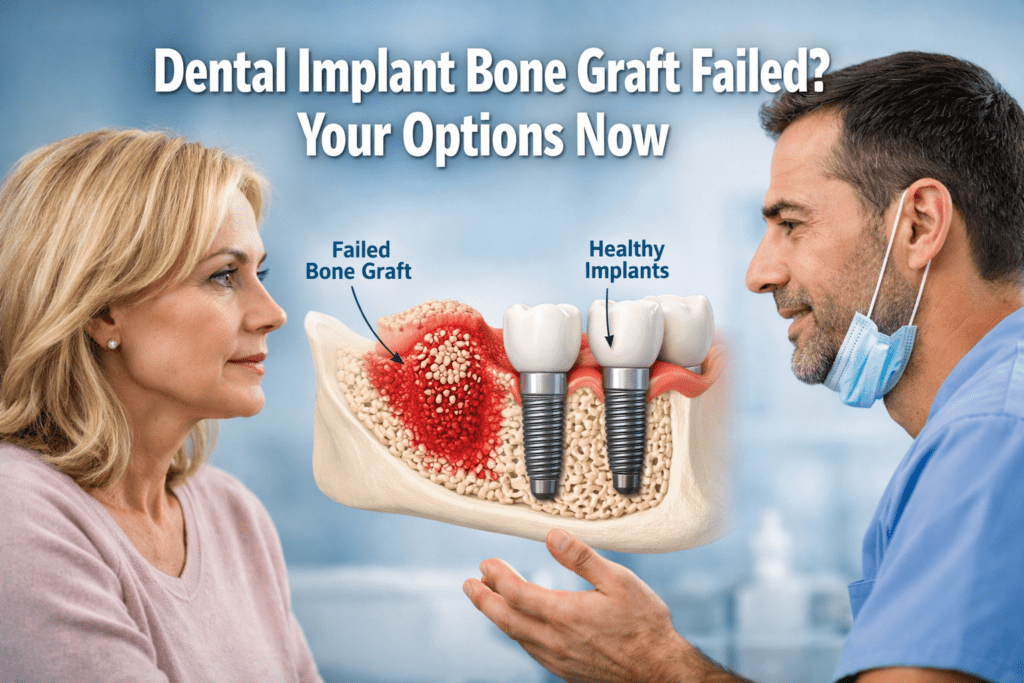
Quick Answer: If your dental implant bone graft has failed, it’s crucial to consult with your oral surgeon or periodontist promptly to diagnose the cause, which often involves infection or inadequate healing. Your options typically include addressing the underlying issue with antibiotics or debridement, followed by a potential revision bone graft, or exploring alternative implant solutions like zygomatic or mini implants if further grafting isn’t feasible or desired.
Key Takeaways
- Bone graft failure often stems from infection, inadequate healing, or insufficient blood supply.
- Early detection and intervention are critical to preserving oral health and increasing the chances of successful retreatment [8].
- Treatment typically begins by addressing the root cause, such as infection with antibiotics and debridement of failed graft material [1, 7].
- Revision bone grafting, often with guided bone regeneration (GBR) techniques, can be highly successful in rebuilding bone [1, 8].
- Alternative implant solutions, such as zygomatic or mini implants, may be viable for cases with significant bone loss where traditional grafting is challenging [7].
- A thorough re-evaluation by an experienced dental implant specialist in Dallas is essential to determine the most appropriate next steps.
- Healing time between graft attempts is crucial for optimal integration and success [1].
Understanding Why a Dental Implant Bone Graft Failed – Now What Are My Options?
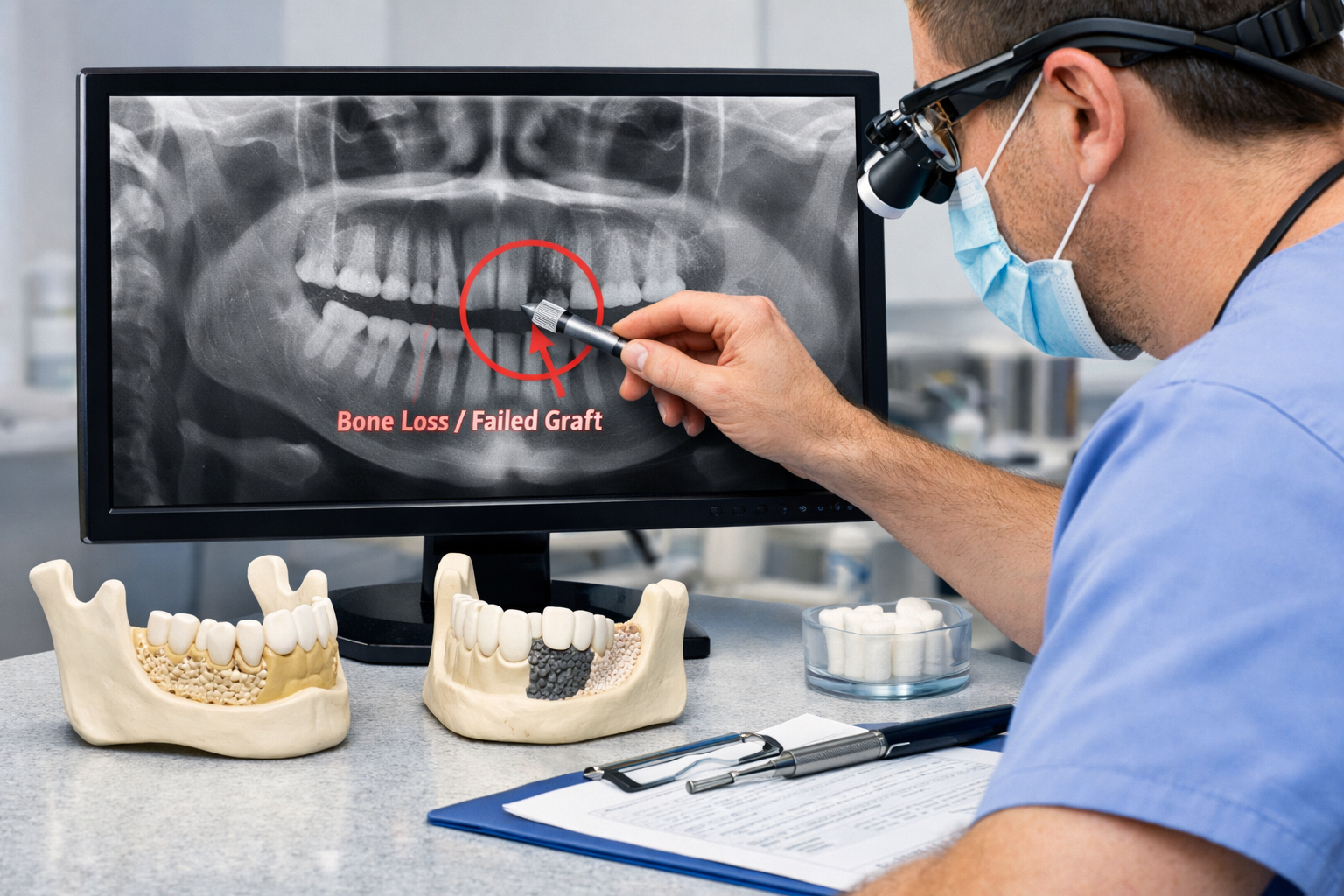
A dental implant bone graft can fail due to several factors, often related to infection, insufficient healing, or systemic health conditions, necessitating a careful re-evaluation of your oral health and treatment plan [7, 9]. When this occurs, the primary next step is to diagnose the precise cause of failure before considering further interventions. This situation, while concerning, is manageable with the right professional guidance.
Common reasons for bone graft failure include:
- Infection: This is a leading cause of failure. Bacteria can contaminate the graft site, preventing new bone formation and potentially leading to discomfort, swelling, and drainage [1, 7].
- Inadequate Blood Supply: Bone grafts rely on a healthy blood supply to integrate with existing bone. Factors like smoking, certain medical conditions (e.g., uncontrolled diabetes), or poor surgical technique can compromise blood flow [3, 4, 9].
- Insufficient Graft Material Integration: The grafted material may not successfully fuse with the patient’s natural bone, leading to a lack of stability [7].
- Premature Loading: Placing a dental implant or applying pressure to the graft site too soon can disrupt the healing process.
- Systemic Health Conditions: Certain conditions, such as autoimmune disorders, osteoporosis, or immunosuppression, can impair bone healing and regeneration [3].
- Poor Oral Hygiene: Inadequate post-operative care and hygiene can lead to infection and compromise the graft [6].
Identifying the specific reason for failure is paramount. Your dental implant specialist in Dallas will likely use diagnostic tools like X-rays, CBCT scans, and a thorough clinical examination to assess the graft site. This diagnostic phase is critical for determining a targeted and effective strategy for future [8].
Initial Steps: Addressing the Cause of Bone Graft Failure
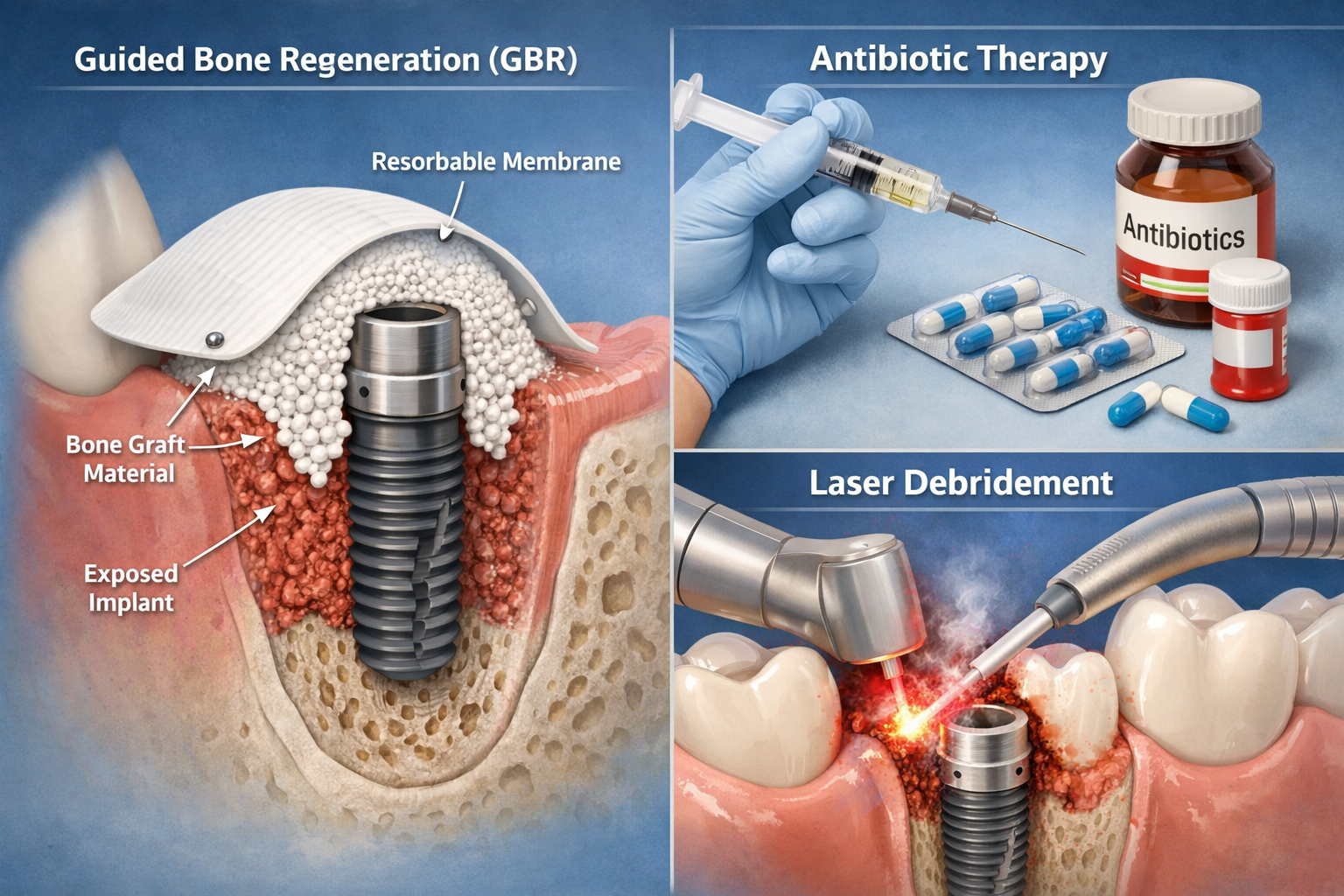
The first and most important step after a failed bone graft is to identify and treat the underlying cause, which often involves resolving infection or inadequate healing, typically starting with non-surgical approaches. This immediate intervention aims to stabilize the oral environment and prepare for potential further treatment [1, 7].
If infection is present, treatment will typically include:
- Antibiotic Therapy: Oral antibiotics are commonly prescribed to combat bacterial infections at the graft site [1].
- Mechanical Debridement: The affected area will be carefully cleaned to remove any infected or necrotic (dead) tissue and failed graft material [1, 7]. This may involve scaling and root planing around the site.
- Antimicrobial Rinses: Specialized mouth rinses can help reduce bacterial load and promote healing [8].
- Laser Therapy: In some cases, laser therapy may be used to effectively reduce bacteria and promote tissue healing [7].
If the failure is due to poor healing without active infection, your dentist might recommend:
- Observation: Sometimes, the body needs more time to heal, and a period of observation might be advised.
- Lifestyle Adjustments: Recommendations may include quitting smoking, improving blood sugar control if you have diabetes, or optimizing nutrition to support bone regeneration [3, 4].
- Medication Review: Assessing if any current medications are hindering the healing process.
It is crucial to follow all instructions from your dental professional diligently during this phase. This might also be an appropriate time to discuss sedation options for dental implants Dallas TX if future procedures are anticipated and anxiety is a concern.
Surgical Revision: Repeat Bone Grafting or Alternative Procedures
When a bone graft fails, surgical revision, often involving a second bone grafting procedure using techniques like guided bone regeneration (GBR), is a common and highly successful option to rebuild the necessary bone structure for future dental implant placement [1, 8]. However, depending on the severity of bone loss and patient factors, alternative implant solutions may also be considered.
Revision Bone Grafting
If the initial failure was addressed successfully and the site is healthy, a revision bone graft can be performed. Studies indicate that retreatment procedures for failed bone grafts can have a success rate over 81% [1]. This typically involves:
- Removal of Failed Material: Any remaining non-integrated graft material or compromised tissue is carefully removed [1].
- Site Preparation: The recipient site is prepared to promote new bone growth.
- New Graft Material: A new bone graft material (autogenous, allograft, xenograft, or alloplast) is placed. Often, this is combined with guided bone regeneration (GBR), where a barrier membrane is used to protect the graft and encourage bone cell growth while preventing soft tissue infiltration [8]. Bioactive glass combined with GBR has shown excellent results in resolving bone defects [8].
- Healing Period: A crucial healing period follows, allowing the new graft to integrate, which can take several months [1]. This waiting period is essential for establishing a stable foundation for dental implants.
Alternative Implant Solutions
For patients who have experienced significant bone loss, or where repeated grafting attempts are not advisable or desired, other types of dental implants may offer solutions:
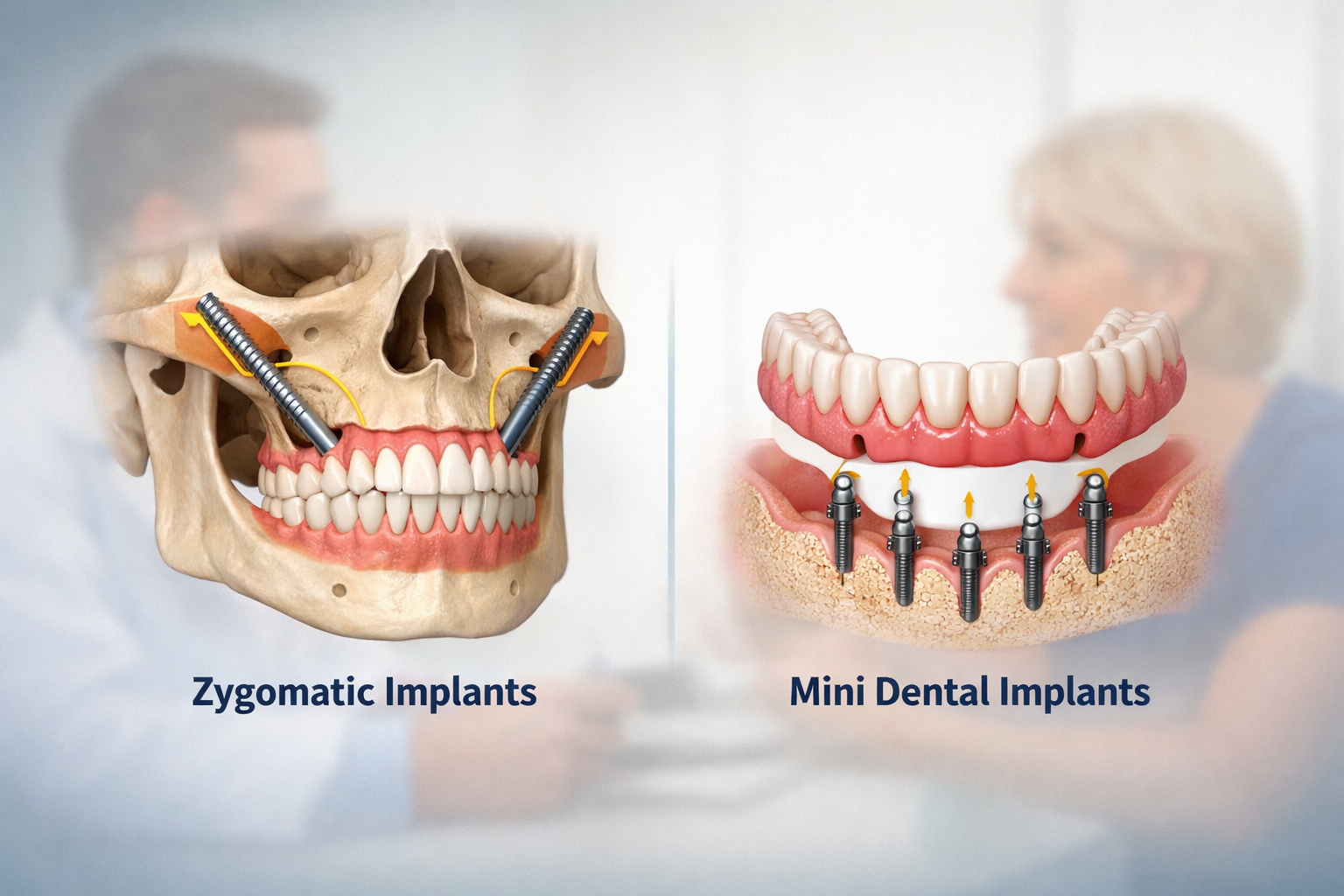
- Zygomatic Implants: These longer implants anchor into the cheekbone (zygoma) instead of the jawbone, bypassing areas of severe bone deficiency. They are a viable option for those with insufficient upper jawbone [7]. Learn more about Zygomatic Implants Dallas TX 2026: Costs, Benefits & No Bone.
- Mini Dental Implants (MDIs): While typically smaller in diameter, MDIs can sometimes be used in areas with less bone, particularly for stabilizing dentures. They are not always suitable for single tooth replacement but can be an option for certain cases [7]. Explore Mini Dental Implants Dallas TX 2026: $1,000-$2,000 Affordabl.
- Subperiosteal Implants: These custom-made frameworks fit on top of the jawbone, under the gum tissue. They are less common today but can be an option for patients who cannot undergo conventional bone grafting or endosteal implants due to bone atrophy. Information on Subperiosteal Implants Dallas TX 2026: $4k-$7k Option for Pa can be found on our site.
The decision between a revision graft and an alternative implant type will depend on a comprehensive evaluation of your specific bone structure, general health, and treatment goals. A consultation with an experienced oral surgeon or periodontist is essential to weigh these options.
Considerations for Cost, Timeline, and Recovery

Addressing a failed dental implant bone graft involves additional considerations for cost, an extended timeline, and a renewed recovery period, all of which should be thoroughly discussed with your Dallas dental implant provider. Planning for these aspects helps manage expectations and ensures a smoother process.
Cost Implications
- Revision Grafting: A second bone graft procedure will incur additional costs, which can range from a few hundred to several thousand dollars depending on the extent and type of graft material used, similar to the initial procedure [5].
- Implant Removal/Replacement: If the failed graft necessitates removal of a previously placed implant and replacement, these procedures will add to the overall expense [7].
- Diagnostic Fees: Further X-rays, CBCT scans, and consultations are necessary to plan the revision, contributing to the cost.
- Alternative Implant Costs: If alternative implant types like zygomatic or mini implants are chosen, their costs can vary significantly. For instance, zygomatic implants are typically more complex and thus more expensive than conventional implants.
- Insurance Coverage: It’s important to re-check with your dental insurance provider about coverage for revision procedures, as policies can vary. Exploring Dental Implant Monthly Payment Plans Dallas might be helpful.
Extended Timeline
- Diagnosis and Treatment of Failure: Identifying and treating the cause of the initial failure (e.g., infection) can take several weeks to months.
- Healing After Graft Removal/Debridement: If failed graft material needs to be removed, the site must heal sufficiently before a new graft can be placed.
- Revision Graft Healing: A second bone graft requires its own dedicated healing period, often 4-9 months, before an implant can be considered [1].
- Implant Placement and Osseointegration: After a successful revision graft, there will be the standard waiting period for implant placement and then an additional 3-6 months for osseointegration.
- Prosthetic Restoration: Finally, the crown or bridge will be attached, concluding the entire process. The total timeline for addressing a failed graft and achieving a final restoration can easily extend beyond a year.
Recovery
- Similar to Initial Procedure: The recovery from a revision bone graft will be similar to the initial procedure, involving discomfort, swelling, and dietary restrictions [17].
- Post-Operative Care: Diligent adherence to post-operative instructions, including medication, oral hygiene, and dietary guidelines, is crucial for successful healing and avoiding further complications [19].
- Potential for Increased Discomfort: Depending on the complexity of the revision, some patients may experience slightly more discomfort than the initial procedure. Understanding Pain Level & Recovery Timeline After Dental Implant Surgery Dallas can help manage expectations.
Managing these aspects requires open communication with your dental team to ensure you are fully informed and prepared for the journey ahead.
Choosing the Right Specialist in Dallas for Revision Procedures
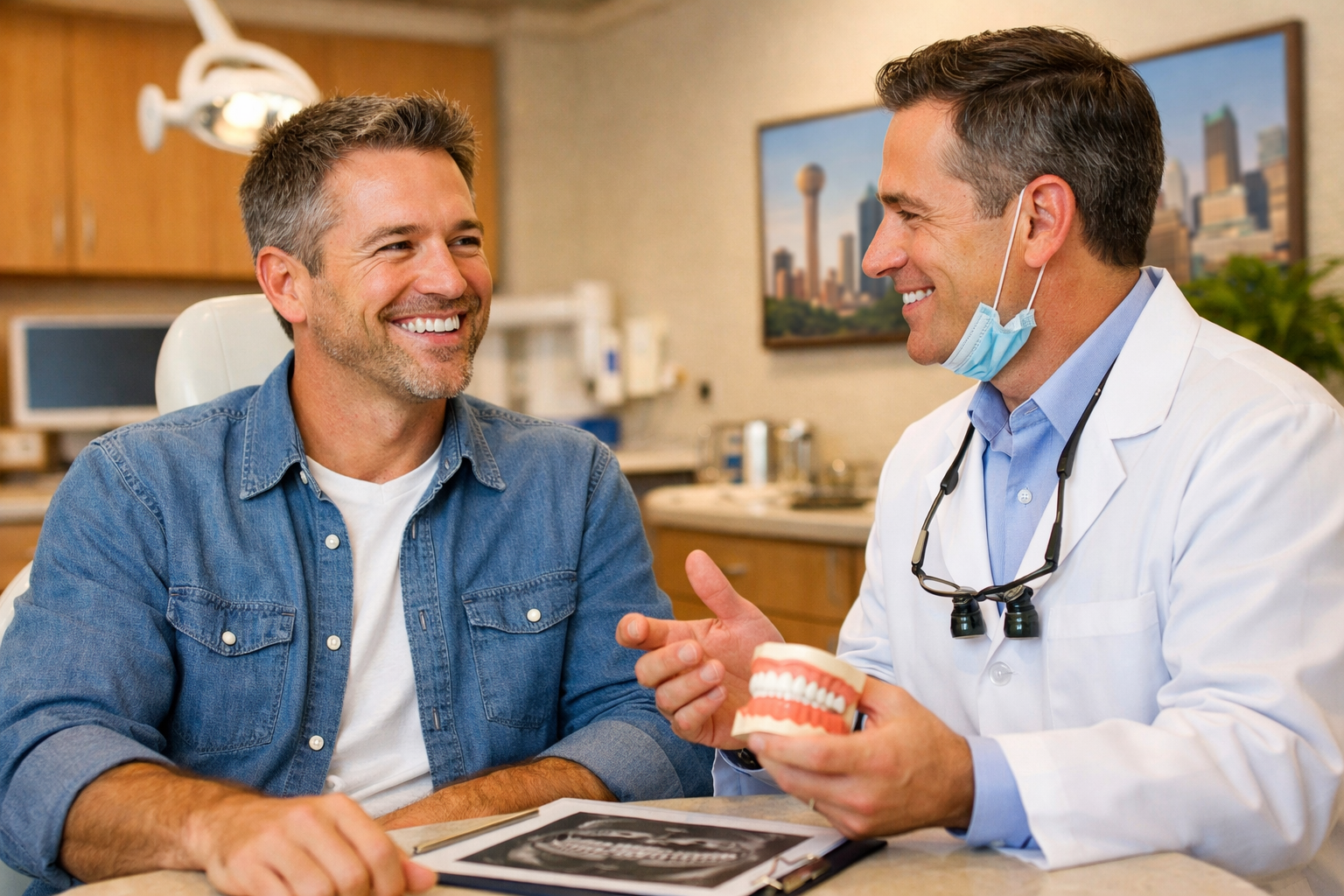
Selecting an experienced oral surgeon or periodontist in Dallas is paramount when facing a failed dental implant bone graft, as their expertise in complex revision procedures significantly influences the success of future treatments. Look for a specialist with a proven track record in diagnosing and treating bone graft complications and advanced implant dentistry.
Key factors to consider when choosing a specialist:
- Experience in Revision Surgeries: Inquire about their experience with bone graft failures and revision procedures. Specialists who regularly perform complex cases are generally better equipped.
- Advanced Diagnostic Tools: Ensure the clinic utilizes modern diagnostic tools like 3D CBCT imaging, which provides detailed insights into bone structure and potential issues [39].
- Comprehensive Treatment Planning: A good specialist will offer a thorough explanation of all available options, including their pros, cons, costs, and expected timelines. They should present a clear, individualized treatment plan.
- Team Approach: Often, a team approach involving a periodontist, oral surgeon, and restorative dentist provides the most comprehensive care.
- Patient Testimonials and Referrals: Seek out recommendations and reviews from other patients who have undergone similar complex procedures.
- Continuing Education: Look for dentists who are committed to continuing education in implant dentistry and advanced surgical techniques.
- Transparent Communication: The specialist should be clear about potential risks, complications, and realistic outcomes [3, 4].
- Technology and Techniques: Ask about the specific bone grafting materials, membranes, and techniques (e.g., GBR with bioactive glass) they utilize [8].
When you are considering comparing dental implant clinics in Dallas, prioritize those with extensive experience in managing complications. Don’t hesitate to ask detailed questions during your preparing for your dental implant consultation in Dallas to ensure you feel confident in your choice.
Conclusion
Experiencing a failed dental implant bone graft can be disheartening, but it is not the end of your journey toward a healthy, complete smile. By understanding the potential causes and available options, and by partnering with an experienced dental implant specialist in Dallas, you can confidently navigate the path toward successful tooth replacement. Whether through addressing infection, undergoing a revision bone graft, or exploring innovative alternatives like zygomatic implants, solutions are available. The most important step is to seek a thorough evaluation and personalized treatment plan from a trusted professional who prioritizes your long-term oral health and well-being.
Related Reading
- Dental Implants and Bone Loss: Prevention, Solutions, and How It
- The Longevity of Dental Implants in Dallas: What Factors Influence
- Navigating the Dental Implant Consultation: Key Questions for Dallas
References
[1] Can A Failed Bone Graft Be Fixed – https://diccolorado.com/implants/can-a-failed-bone-graft-be-fixed/
[2] How To Fix Dental Implant Failure Cip206 – https://www.rhodesfamilydental.com/blog/how-to-fix-dental-implant-failure-cip206
[3] What Are The Real Risks Of Dental Implant Surgery In 2026 – https://bajarsdental.com/what-are-the-real-risks-of-dental-implant-surgery-in-2026/
[4] Dental Implant Risks Complications In 2026 – https://www.oceanicdental.com/resource/dental-implant-risks-complications-in-2026
[5] Dental Implant Failure And Bone Grafting A Solution – https://www.nylaserdentistry.com/dental-implant-failure-and-bone-grafting-a-solution/
[6] Overcoming Dental Implant Failure Causes Prevention And Treatment Options – https://riverdistrictsmiles.com/overcoming-dental-implant-failure-causes-prevention-and-treatment-options/
[7] Failed Dental Implant Due To Bone Loss – https://int.livhospital.com/failed-dental-implant-due-to-bone-loss/
[8] Pmc3636934 – https://pmc.ncbi.nlm.nih.gov/articles/PMC3636934/
[9] Bone Graft Rejection And Infection Causes Symptoms And Management – https://www.implantcenterofmiami.com/Bone-Graft-Rejection-and-Infection-Causes-Symptoms-and-Management
[10] What To Do If Your Dental Implant Fails – https://legacydental.com/blog/what-to-do-if-your-dental-implant-fails/
Leave a Reply
Share your thoughts or ask a question about dental implants. Your email address will not be published.