

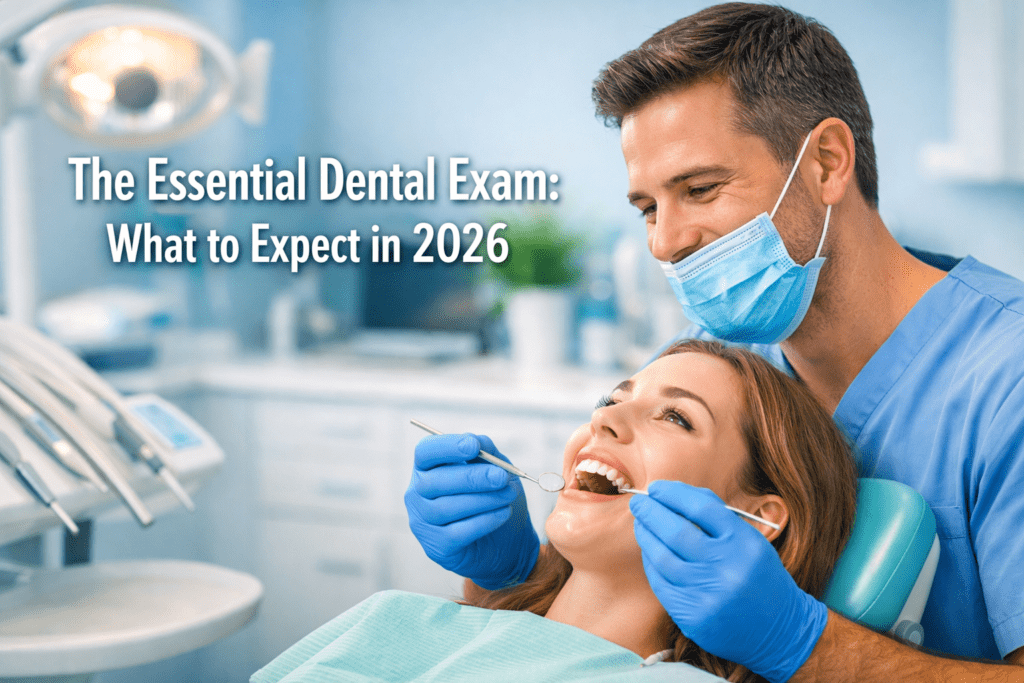
A dental exam is a crucial routine check-up performed by a dental professional to assess your oral health, identify potential issues early, and provide preventative care. These regular examinations, typically recommended once or twice a year, are vital for maintaining healthy teeth and gums, preventing serious dental problems, and can even reveal signs of overall health conditions.
Key Takeaways
- A dental exam is a thorough check-up of your teeth, gums, and mouth by a dental professional.
- It typically includes a visual inspection, dental X-rays, professional cleaning, and an oral cancer screening.
- Regular dental exams are essential for early detection of cavities, gum disease, and other oral health issues.
- Your dentist in Dallas will also discuss your overall health, diet, and oral hygiene habits.
- Early intervention identified through a dental exam can prevent more extensive and costly treatments down the line, such as complex restorative procedures or the need for dental implants in Dallas.
- The frequency of your dental exams may vary based on your individual oral health needs and risk factors.
- Don’t hesitate to ask questions about your oral health during your exam.
What Happens During a Comprehensive Dental Exam?
During a comprehensive dental exam, your dentist thoroughly inspects your entire mouth, not just your teeth, to evaluate your oral health. This typically involves a multi-step process designed to catch any potential problems early and ensure your smile remains healthy.
A standard dental exam usually begins with a review of your medical and dental history, followed by a detailed visual inspection of your mouth, teeth, gums, and other soft tissues. The dentist checks for signs of decay, gum disease, and other abnormalities. X-rays are often taken to reveal issues not visible to the naked eye, such as bone loss or decay between teeth. Finally, a professional cleaning is performed to remove plaque and tartar buildup.
Key Components of Your Dental Exam
- Medical and Dental History Review: Before any physical examination, your dentist will update your health records. This includes asking about any changes to your health, new medications, or dental concerns you might have. This information helps your dentist tailor the exam to your specific needs and identify any conditions that could impact your oral health, such as diabetes or heart disease, which can affect gum health.
- Visual Examination of Teeth and Gums: Your dentist will carefully inspect each tooth for signs of decay, cracks, or wear. They will also assess your gums for inflammation, bleeding, or recession, which are indicators of gum disease.
- Oral Cancer Screening: This crucial part of the exam involves checking your face, neck, lips, tongue, throat, and gums for any lumps, red or white patches, or other abnormalities that could indicate oral cancer. Early detection significantly improves treatment outcomes.
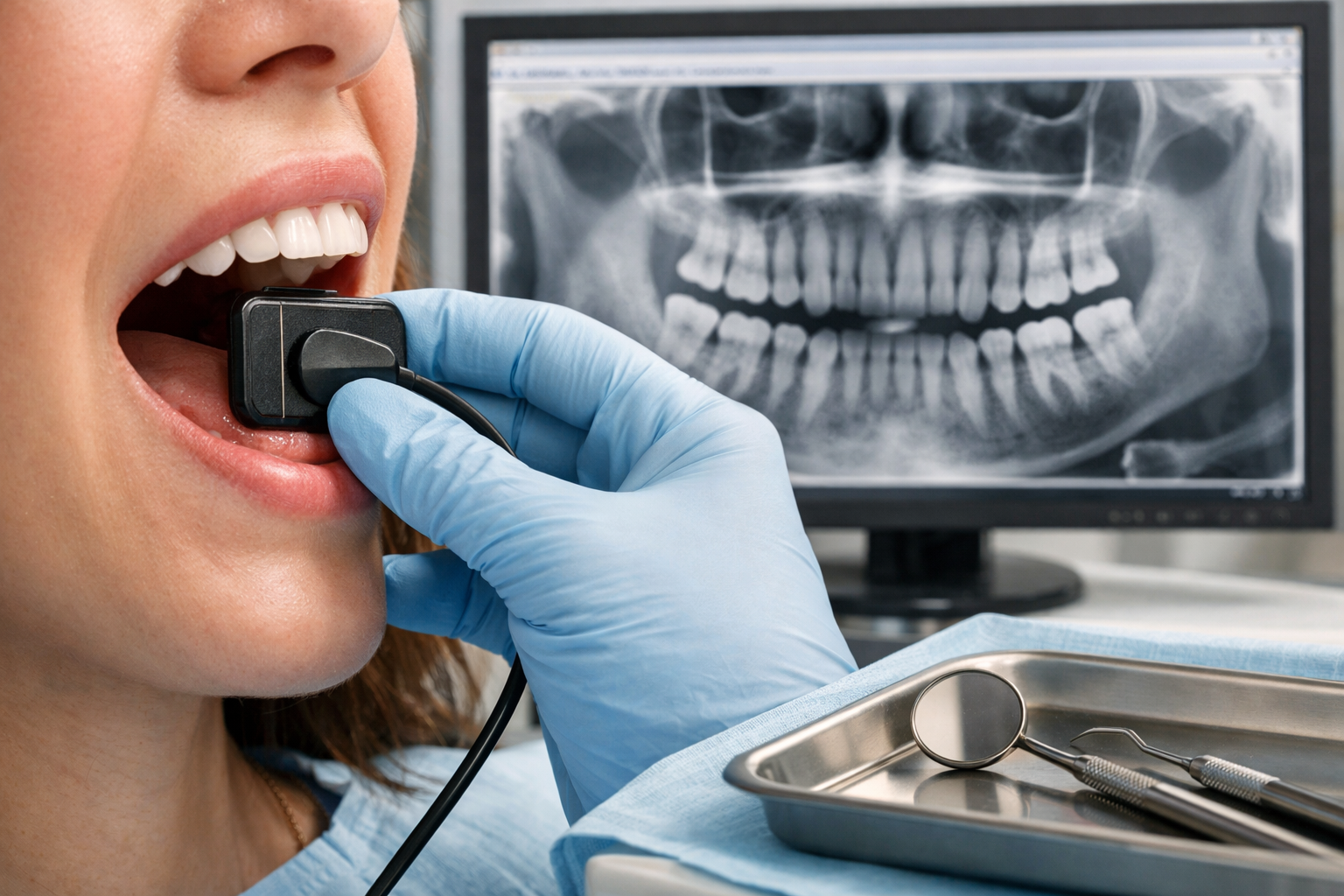
- Dental X-rays (Radiographs): X-rays provide a comprehensive view of your oral structures, revealing issues that are invisible during a visual exam. These might include:
- Cavities between teeth or under existing fillings.
- Bone loss due to gum disease.
- Impacted teeth, such as wisdom teeth.
- Problems with tooth roots or jawbone.
Digital X-rays used in modern Dallas dental offices are highly efficient and expose patients to minimal radiation.
- Periodontal (Gum) Examination: Your dentist or hygienist will use a small probe to measure the pockets between your teeth and gums. Healthy gums have shallow pockets, while deeper pockets can indicate gum disease.
- Bite and Jaw Assessment: The dentist will check your bite (occlusion) to ensure your teeth meet properly and examine your temporomandibular joints (TMJ) for any signs of dysfunction, such as clicking, popping, or pain.
- Professional Cleaning: A dental hygienist typically performs this part of the exam, removing plaque and hardened tartar from your tooth surfaces and along the gumline. This deep cleaning helps prevent cavities and gum disease.
- Personalized Oral Hygiene Advice: Based on their findings, your dental team will provide recommendations for improving your daily brushing and flossing habits, dietary adjustments, and other tips for maintaining optimal oral health at home.

Why Are Regular Dental Exams So Important for Your Oral Health?
Regular dental exams are paramount for maintaining long-term oral health because they enable early detection and preventative care, ultimately saving you from discomfort, extensive treatments, and higher costs down the road. Addressing minor issues before they escalate is key to preserving your natural teeth.
These routine visits help prevent the progression of common dental problems like cavities and gum disease. For instance, a small cavity detected early can be easily filled, while a neglected one can lead to root canal therapy or even tooth extraction. Similarly, early identification of gum inflammation can reverse gingivitis, preventing it from advancing to more severe periodontitis, which can cause tooth loss and may require complex interventions, including specialized gum treatments or even dental implants. A consistent schedule of dental exams helps ensure issues are caught when they are most manageable.
Benefits of Consistent Dental Check-ups
- Early Detection of Cavities: Small cavities are often asymptomatic. A dental exam and X-rays can reveal them before they cause pain or require more invasive procedures like root canals.
- Prevention of Gum Disease: Regular cleanings remove plaque and tartar that contribute to gingivitis and periodontitis. Early intervention can often reverse gingivitis and manage periodontitis, protecting your supporting bone structure. Maintaining good gum health is critical, especially if you are considering dental implants in Dallas TX, as healthy gums are essential for implant success.
- Oral Cancer Screening: This life-saving check screens for early signs of oral cancer, which is highly treatable when detected early.
- Identification of Other Oral Health Issues: Dentists can spot other problems like temporomandibular joint (TMJ) disorders, teeth grinding (bruxism), or even systemic health conditions that manifest in the mouth.
- Maintenance of Good Oral Hygiene: Professional cleanings remove stubborn plaque and tartar that brushing and flossing alone cannot. Your dentist and hygienist can also provide personalized advice to improve your daily oral care routine.
- Reduced Long-Term Costs: Proactive care through regular exams is generally less expensive than reactive treatment for advanced dental problems. Avoiding extractions, root canals, or the need for extensive tooth replacement options like full mouth dental implants means significant savings.
| Aspect | Benefits of Regular Dental Exams | Risks of Neglecting Dental Exams |
|---|---|---|
| Cavities | Early detection and simple fillings. | Advanced decay, pain, infection, root canal, or tooth extraction. |
| Gum Disease | Reversal of gingivitis, management of periodontitis, preserved bone. | Progression to severe periodontitis, bone loss, loose teeth, tooth loss. |
| Oral Cancer | Early detection dramatically increases survival rates. | Late diagnosis, extensive and complex treatment, lower survival rates. |
| Overall Health | Identification of systemic disease indicators (e.g., diabetes). | Undiagnosed health issues, complications from untreated oral infections. |
| Treatment Costs | Lower costs due to preventative care and minor interventions. | High costs for complex treatments like implants, bridges, or dentures. |
| Oral Hygiene | Professional cleaning, personalized advice, plaque/tartar removal. | Accumulation of plaque/tartar, bad breath, stained teeth, increased disease. |
How Can a Dental Exam Help Detect Issues Leading to Tooth Loss or the Need for Dental Implants?
A comprehensive dental exam plays a critical role in detecting early signs of conditions that could lead to tooth loss, thus potentially preventing the need for advanced tooth replacement solutions like dental implants. By identifying issues such as deep decay, significant gum disease, or severe cracks, dentists can intervene before the damage becomes irreversible.
During a dental exam, your dentist actively looks for indicators like extensive decay that compromises tooth structure beyond repair, or advanced periodontal disease which causes the bone supporting your teeth to erode. If such severe issues are identified, the dentist can discuss various tooth replacement options, including dental implants, and prepare a personalized treatment plan. Early detection also means you might have more choices for treatment, including less invasive and less costly alternatives than waiting until a tooth is completely lost.
Detecting Potential Causes of Tooth Loss
- Advanced Dental Decay: During an exam, X-rays reveal cavities that are too large or deep to be repaired with a simple filling. If decay reaches the pulp and causes irreversible damage, extraction might be necessary. A thorough dental exam helps catch these issues early.
- Severe Periodontal Disease: Also known as gum disease, this condition is a leading cause of tooth loss in adults. Your dental exam includes a periodontal assessment to measure gum pocket depths and check for bone loss around the teeth. If periodontitis is advanced, it can weaken the support structures of your teeth, making them loose and eventually leading to their loss. Early diagnosis allows for targeted treatment to save natural teeth.
- Dental Abscesses and Infections: Untreated infections can spread to the jawbone and surrounding teeth, weakening them and necessitating extraction. A dental exam can identify these infections through visual cues or X-rays.
- Cracked or Fractured Teeth: While minor cracks can often be repaired with fillings or crowns, severe fractures can extend deep into the tooth or root, making the tooth unsalvageable. Regular exams can help identify these issues before they worsen.
- Bone Loss: X-rays taken during your dental exam are crucial for visualizing bone density and detecting bone loss, which can compromise the stability of natural teeth. If significant bone loss is present, it not only threatens existing teeth but also impacts future dental implant procedure planning, potentially requiring additional procedures like bone grafting to support new implants.
- Poorly Managed Oral Hygiene: A lack of consistent oral hygiene can accelerate all of the above conditions. Your dentist can provide guidance to improve habits and prevent future issues.
If tooth loss is unavoidable, a dental exam also serves as the first step in exploring solutions like dental implants in Dallas. During your initial consultation, the dentist can assess your overall oral health, bone structure, and suitability for implant surgery. This comprehensive evaluation ensures that any missing teeth are addressed with the most appropriate and lasting solution.

What Should I Discuss with My Dallas Dentist During a Dental Exam?
When you attend a dental exam in Dallas, it’s important to have an open conversation with your dentist about your oral health, concerns, and any goals you have for your smile. This allows your dental professional to provide the most personalized and effective care.
Be prepared to discuss any discomfort, sensitivity, or changes you’ve noticed since your last visit. Also, mention your general health status, medications, and lifestyle habits like smoking, as these can significantly impact your oral health. If you are considering tooth replacement options or improving your smile, this is an excellent opportunity to ask about procedures like dental implants, their costs, and if you are a suitable candidate.
Key Topics to Cover During Your Dental Exam
- Any Pain, Sensitivity, or Discomfort:
- Location (specific tooth or general area).
- Triggers (hot, cold, sweet, chewing).
- Frequency and intensity.
- Changes in Your Mouth:
- Bleeding gums during brushing or flossing.
- Sores, lumps, or discolored patches.
- Dry mouth or bad breath.
- Any changes in your bite or jaw function.
- Overall Health Conditions and Medications:
- Diabetes, heart conditions, autoimmune diseases, etc.
- All current prescription and over-the-counter medications, including supplements, as these can affect oral health or dental treatments.
- Allergies.
- Lifestyle Habits:
- Smoking or vaping (important for dental implant success rates).
- Alcohol consumption.
- Dietary habits (e.g., frequent sugary drinks, acidic foods).
- Teeth grinding or clenching (bruxism).
- Oral Hygiene Practices:
- How often you brush and floss.
- Type of toothbrush (manual vs. electric).
- Use of mouthwash or other oral care products.
- Aesthetic Concerns and Goals:
- Desire for whiter teeth.
- Concerns about gaps, misalignment, or old fillings.
- Interest in cosmetic procedures.
- Questions About Tooth Replacement Options:
- If you have missing teeth, inquire about dental implants in Dallas, bridges, or dentures.
- Ask about the dental implant cost in Dallas, the procedure, recovery, and what to expect.
- Discuss financing options and insurance coverage for advanced treatments.
- Concerns About Anxiety or Fear:
- If you experience dental anxiety, discuss sedation options or strategies to make your visit more comfortable.
By engaging actively in these discussions, you empower your dentist to provide comprehensive, patient-first care that addresses both your immediate needs and long-term oral health education.
How Often Should I Schedule a Dental Exam in Dallas?
Generally, adults should schedule a dental exam and cleaning every six months, but the ideal frequency can vary based on individual oral health needs and risk factors. Your Dallas dentist will recommend a personalized schedule during your visit.
For individuals with good oral hygiene, no major dental issues, and low risk for cavities or gum disease, a yearly or bi-annual check-up might suffice. However, if you have a history of gum disease, frequent cavities, chronic health conditions like diabetes, are a smoker, or have dental implants, your dentist may recommend more frequent visits, perhaps every three to four months. It’s crucial to follow your dentist’s specific advice to maintain optimal long-term oral health.
Factors Influencing Dental Exam Frequency
- General Oral Health:
- Low Risk: Individuals with no cavities, healthy gums, and excellent oral hygiene may be recommended for annual check-ups.
- High Risk: Those with a history of cavities, gum disease, sensitive teeth, or frequent plaque buildup may need visits every 3-6 months.
- Presence of Gum Disease (Periodontitis): If you have or are prone to gum disease, your dentist might recommend more frequent cleanings and exams (e.g., every 3-4 months) to manage the condition and prevent further progression.
- Chronic Health Conditions: Conditions like diabetes, heart disease, and autoimmune disorders can impact oral health, making more frequent dental supervision necessary.
- Medications: Certain medications can cause dry mouth, which increases the risk of cavities and gum disease. Your dentist might suggest more frequent visits to monitor and manage these effects.
- Smoking or Tobacco Use: Smokers have a significantly higher risk of gum disease, oral cancer, and other oral health problems, warranting more frequent dental exams. If you smoke and are considering dental implants in Dallas TX, more frequent monitoring might be especially important.
- Presence of Dental Restorations: If you have crowns, bridges, or especially dental implants, regular check-ups are vital to ensure their longevity and to prevent peri-implantitis, a gum disease specific to implants.
- Pregnancy: Hormonal changes during pregnancy can increase the risk of gum inflammation (pregnancy gingivitis), making regular check-ups beneficial.
- Age: Children and seniors may have different needs. Children require regular exams to monitor development and prevent early decay, while seniors may face issues like root decay or managing existing restorations.
Consultation with a dentist in Dallas is the best way to determine the optimal schedule for your dental exams. They can assess your individual risk factors and recommend a preventative plan tailored to you.
How to Prepare for Your Dental Exam Appointment in Dallas
Preparing for your dental exam appointment in Dallas involves gathering necessary information and thinking about your oral health concerns to ensure a productive visit. This preparation helps your dental team provide the most thorough and personalized care.
Start by updating your medical history, noting any new medications or health changes, and jot down any questions or concerns you have about your teeth or gums. Also, ensure you know your dental insurance details if applicable. Arriving a few minutes early for your appointment can also help you fill out any necessary paperwork calmly.
Steps to Prepare for Your Dental Exam
- Update Your Medical and Dental History:
- Make a list of any new medications (prescription, over-the-counter, supplements).
- Note any changes in your general health, such as new diagnoses (e.g., diabetes, heart conditions) or allergies.
- Recall any past dental treatments or procedures, including if you’ve had dental implant surgery process or other tooth replacement options.
- List Your Oral Health Concerns:
- Write down any pain, sensitivity, bleeding, or unusual changes you’ve noticed in your mouth, teeth, or gums.
- Consider any aesthetic concerns you have about your smile.
- If you’re interested in dental implants in Dallas or other treatments, prepare questions about the procedure, cost, and suitability.
- Gather Insurance Information (if applicable):
- Bring your dental insurance card or policy details.
- Understand your coverage for preventative care and any potential treatments. Our guide on Navigating PPO vs. HMO Dental Insurance for Implants in Dallas can offer useful insights.
- Practice Good Oral Hygiene:
- Brush and floss thoroughly before your appointment. This makes it easier for the hygienist to clean your teeth and for the dentist to spot any issues.
- Be Prepared to Ask Questions:
- Don’t hesitate to ask your dentist about anything you don’t understand or want more information on. This could include explanations of findings, treatment recommendations, or advice on home care.
- If you have missing teeth, this is the time to ask about missing teeth solutions and how they might fit your needs.
- Arrive Early:
- Plan to arrive 10-15 minutes before your scheduled appointment time to complete any necessary paperwork calmly.
By taking these steps, you contribute to a more efficient and effective dental exam, ensuring your Dallas dentist has all the information needed to safeguard your oral health.
Understanding the Cost of a Dental Exam in Dallas
The cost of a dental exam in Dallas can vary, typically ranging from $50 to $200 for a basic check-up without X-rays or cleaning. However, most comprehensive visits combine the exam with cleaning and necessary diagnostics, which influences the total price.
Many dental insurance plans cover a significant portion, if not all, of routine dental exams and cleanings, recognizing their importance for preventative care. For those without insurance, clinics often offer membership plans, discounts for upfront payment, or payment plans to make regular visits more accessible. It’s always best to inquire about specific costs and payment options directly with your chosen Dallas dental office prior to your appointment.
Factors Affecting Dental Exam Costs
- Geographic Location: Costs can vary depending on the city and specific dental practice. Dallas, being a major metropolitan area, might have a range of prices.
- Inclusion of X-rays: Digital X-rays are typically an additional cost but are often essential for a comprehensive assessment. Different types of X-rays (e.g., bitewing, panoramic) have different price points.
- Professional Cleaning: A significant portion of the cost for a routine visit often covers the professional dental cleaning by a hygienist. The complexity of the cleaning (e.g., standard vs. deep cleaning for gum disease) will affect the price.
- Type of Exam:
- New Patient Exam: Often more comprehensive, including full mouth X-rays, and may be slightly more expensive.
- Recall Exam: Routine check-ups for established patients are typically less extensive.
- Emergency Exam: Focused on a specific problem, these can vary widely depending on the nature of the emergency and immediate treatments required.
- Dental Insurance Coverage: Most dental insurance plans cover 80-100% of preventative services like exams and cleanings. However, it’s crucial to understand your specific plan details, deductibles, and co-pays. Resources like Dallas Dental Implants HSA/FSA Eligible Expenses 2026 can help you utilize pre-tax dollars for dental care.
- Additional Services: If your exam reveals issues requiring further treatment (e.g., fillings, extractions, or a consultation with a dentist for dental implants), these services will incur additional costs not covered by the initial exam fee.
For transparent pricing and to avoid surprises, always confirm the estimated cost with your dental office in Dallas before your appointment. Many practices are willing to discuss payment options and help you understand your insurance benefits.
Frequently Asked Questions About Dental Exams
What is a dental exam?
A dental exam is a routine check-up by a dentist to assess your overall oral health, including your teeth, gums, and mouth, for any signs of disease or problems.
How often should I get a dental exam?
Most adults should get a dental exam and professional cleaning every six months, but your dentist may recommend more or less frequent visits based on your individual oral health needs.
Is a dental exam painful?
No, a standard dental exam is generally not painful. You might experience minor discomfort during cleaning if you have sensitive gums, but it should not be painful.
What is included in a typical dental exam?
A typical dental exam includes a review of your medical history, a visual inspection of your teeth and gums, an oral cancer screening, and often dental X-rays and a professional cleaning.
Why are X-rays part of a dental exam?
X-rays help your dentist detect problems not visible during a visual exam, such as cavities between teeth, bone loss, or issues with tooth roots.
Can a dental exam detect oral cancer?
Yes, a crucial part of every comprehensive dental exam is an oral cancer screening, where the dentist checks for any abnormal tissues or lesions in your mouth, face, and neck.
What if my dental exam reveals problems?
If problems like cavities or gum disease are found, your dentist will explain the findings, discuss patient safety and various treatment options, and help you create a personalized plan to address them.
Does dental insurance cover dental exams?
Most dental insurance plans cover preventative care, including routine dental exams and cleanings, often at 80-100% coverage. It’s best to check your specific policy details.
How long does a dental exam take?
A routine dental exam and cleaning typically take between 30 minutes to an hour, depending on the individual’s oral health and the thoroughness of the cleaning.
What is the difference between a dental exam and a dental cleaning?
A dental exam is the diagnostic part where the dentist checks for issues, while a dental cleaning is the therapeutic part where plaque and tartar are removed by a hygienist. They are often performed together.
Can a dental exam help prevent tooth loss?
Yes, by detecting issues like severe decay, gum disease, or fractures early, a dental exam allows for timely intervention, significantly reducing the risk of tooth loss and the potential need for missing teeth solutions like dental implants.
Should I tell my dentist about all my medications during an exam?
Absolutely. It is vital to inform your dentist about all medications, supplements, and health conditions, as they can affect your oral health and influence safe dental treatment decisions.
Conclusion
Regular dental exams are a cornerstone of effective oral healthcare and play a vital role in your overall well-being. By diligently attending these routine appointments, you equip your Dallas dentist with the opportunity to identify and address potential issues—from minor cavities to signs of gum disease or oral cancer—before they escalate into more complex and costly problems. These preventative measures are fundamental to maintaining your natural teeth for as long as possible and are crucial for supporting any existing dental restorations, including dental implants.
For residents in Dallas, embracing regular dental exams means investing in your long-term oral health and confidence. Whether you’re seeking to maintain a healthy smile, considering tooth replacement options, or simply prioritizing patient safety and preventative care, your dental exam is the essential first step. Don’t wait for discomfort to prompt a visit; schedule your comprehensive dental exam in 2026 to ensure a healthy, vibrant smile for years to come.
Leave a Reply
Share your thoughts or ask a question about dental implants. Your email address will not be published.