

When I first learned about the dental implant abutment procedure, I was amazed by how this small but crucial step transforms a titanium post into a foundation for your new tooth. The abutment acts as the vital connector between your implant and crown, making it one of the most important phases of your implant journey. Understanding this procedure can help ease your concerns and prepare you for what lies ahead.
Key Takeaways
• The abutment placement is a minor surgical procedure that typically takes 30-60 minutes and connects your implant to the final crown
• Healing time ranges from 2-6 weeks depending on your individual healing response and gum tissue health
• Proper aftercare is essential for successful integration and includes specific dietary restrictions and oral hygiene practices
• Success rates exceed 95% when performed by experienced dental professionals with proper patient compliance
• Temporary discomfort is normal and can be managed effectively with prescribed medications and home care techniques
Understanding the Dental Implant Abutment Procedure
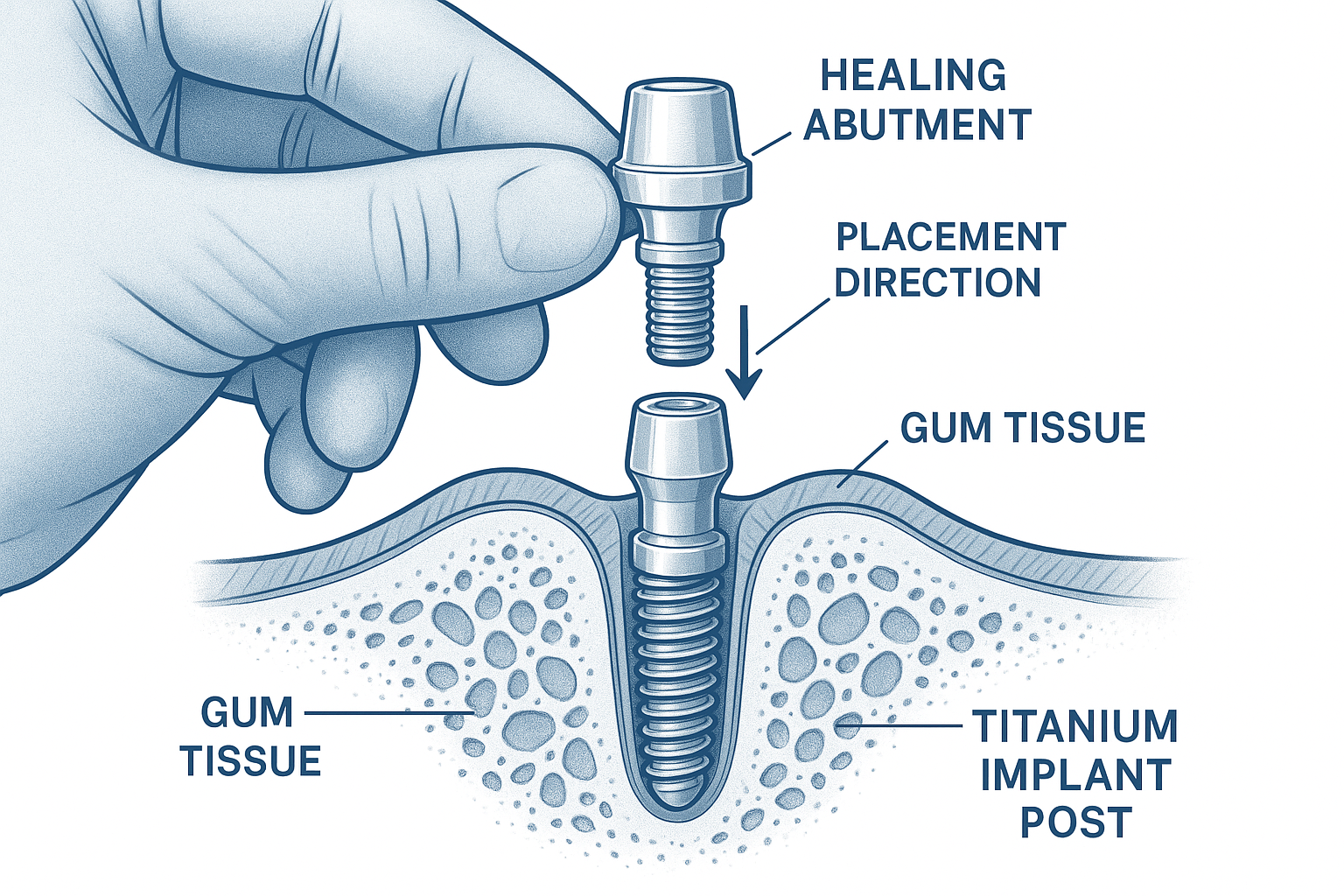
The dental implant abutment procedure represents a critical milestone in your tooth replacement journey. After your implant has successfully integrated with your jawbone through a process called osseointegration, the abutment serves as the connecting piece that will eventually support your new crown.
Think of the abutment as a specialized connector – it screws into the top of your implant and extends through your gum tissue, creating a stable platform for your final restoration. This small titanium or zirconia component plays a huge role in the long-term success of your implant.
What Happens During Abutment Placement
During the dental implant abutment procedure, your dentist will first ensure the implant has properly integrated with your bone. This typically occurs 3-6 months after initial implant placement. The procedure itself involves:
- Local anesthesia administration to ensure your comfort
- Gentle tissue removal over the implant site if needed
- Abutment attachment using precise torque specifications
- Tissue contouring to create optimal gum architecture
- Temporary crown placement in some cases
The entire process is remarkably straightforward, and most patients are surprised by how comfortable it feels. Your dental implant specialist will use specialized instruments to ensure perfect placement and alignment.
Preparing for Your Dental Implant Abutment Procedure
Proper preparation can significantly impact your procedure’s success and your comfort level. I always recommend patients take several important steps before their appointment.
Pre-Procedure Guidelines
24 Hours Before:
- Avoid alcohol and smoking completely
- Take prescribed antibiotics if recommended
- Eat a nutritious meal before your appointment
- Arrange transportation if sedation is planned
Day of Procedure:
- Brush and floss gently around the implant site
- Wear comfortable, loose-fitting clothing
- Bring a list of current medications
- Arrive 15 minutes early for paperwork
Medical Considerations
Certain health conditions may affect your dental implant abutment procedure. Be sure to inform your dentist about:
- Blood thinning medications
- Diabetes management
- Recent illnesses or infections
- Pregnancy or nursing status
- Allergies to medications or materials
Your dental team will review your medical history and may coordinate with your physician if necessary. This collaborative approach ensures the safest possible treatment experience.
Step-by-Step Breakdown of the Abutment Placement Process
Understanding each phase of the dental implant abutment procedure helps reduce anxiety and sets realistic expectations. Let me walk you through what actually happens during your appointment.
Phase 1: Assessment and Preparation (10-15 minutes)
Your dentist begins by examining the implant site and taking X-rays to confirm proper integration. They’ll check for any signs of inflammation or complications that might delay the procedure. Local anesthesia is administered to ensure complete comfort throughout the process.
Phase 2: Tissue Management (5-10 minutes)
If your implant was placed with a cover screw, your dentist will need to make a small opening in the gum tissue. This is typically done with a tissue punch or small incision. The area is carefully cleaned and prepared for abutment placement.
Phase 3: Abutment Installation (15-20 minutes)
The healing abutment or final abutment is carefully threaded into the implant using a specific torque value. This ensures a secure connection without over-tightening. Your dentist may need to adjust the abutment height to achieve optimal gum contours.
Phase 4: Final Adjustments (10-15 minutes)
Once the abutment is in place, your dentist will check the fit and make any necessary adjustments. They may take impressions for your final crown or place a temporary restoration. Post-operative instructions are provided before you leave.
🦷 Abutment Healing Timeline
Track your recovery progress after abutment placement
Recovery and Healing After the Dental Implant Abutment Procedure
The recovery period following your dental implant abutment procedure is typically much shorter and more comfortable than the initial implant placement. Most patients experience only mild discomfort and can return to normal activities within a few days.
What to Expect in the First 48 Hours
Immediate Post-Procedure (0-6 hours):
- Mild bleeding around the abutment site
- Numbness from local anesthesia wearing off
- Slight swelling beginning to develop
- Sensitivity when touching the area
First Day Recovery:
- Swelling peaks but remains manageable
- Discomfort similar to a minor dental procedure
- Ability to eat soft foods comfortably
- Normal speaking and daily activities
Managing Discomfort and Swelling
Effective pain management is crucial for a smooth recovery. I recommend a multi-faceted approach:
Medication Protocol:
- Take prescribed pain medication as directed
- Use over-the-counter anti-inflammatories if approved
- Apply ice packs for 15 minutes every hour
- Avoid aspirin which can increase bleeding
Natural Comfort Measures:
- Sleep with your head elevated
- Use warm salt water rinses after 24 hours
- Apply cold compresses to reduce swelling
- Stay well-hydrated with room temperature fluids
Signs of Normal vs. Concerning Healing
Understanding what’s normal during recovery helps you identify when to contact your dental team. Here’s what to expect:
Normal Healing Signs:
- ✅ Mild discomfort decreasing daily
- ✅ Slight swelling for 2-3 days
- ✅ Minor bleeding for first 24 hours
- ✅ Gradual return to normal eating
Contact Your Dentist If You Experience:
- ⚠️ Severe, increasing pain after day 3
- ⚠️ Excessive bleeding that won’t stop
- ⚠️ Signs of infection (fever, pus, foul taste)
- ⚠️ Abutment feeling loose or displaced
Aftercare Instructions for Optimal Healing
Proper aftercare following your dental implant abutment procedure significantly impacts your healing success and long-term implant health. Following these guidelines will help ensure optimal results.
Oral Hygiene During Recovery
Maintaining cleanliness around your abutment is essential while being gentle during the healing phase:
Week 1-2 Protocol:
- Brush teeth normally, avoiding the abutment area
- Use an antimicrobial mouth rinse if prescribed
- Gently rinse with warm salt water 2-3 times daily
- Avoid flossing directly around the abutment
Week 3+ Protocol:
- Resume gentle brushing around the abutment
- Begin careful flossing as directed
- Use a soft-bristled toothbrush
- Consider a water flosser for gentle cleaning
Dietary Recommendations
Your diet plays a crucial role in healing success. I recommend following a progressive approach:
Days 1-3: Soft Foods Only
- Smoothies and protein shakes
- Yogurt and pudding
- Mashed potatoes and soup
- Scrambled eggs and soft pasta
Days 4-14: Gradually Increase Texture
- Soft cooked vegetables
- Tender fish and chicken
- Soft fruits like bananas
- Well-cooked grains
Week 3+: Return to Normal Diet
- Gradually reintroduce harder foods
- Chew carefully around the abutment area
- Avoid extremely hard or sticky foods initially
- Listen to your comfort level
Activity Restrictions and Guidelines
While recovery is generally quick, certain activities should be modified:
First 48 Hours:
- Avoid strenuous exercise
- No heavy lifting over 10 pounds
- Limit talking and facial expressions
- Rest and allow your body to heal
Week 1-2:
- Light exercise is acceptable
- Avoid contact sports
- No swimming in pools or hot tubs
- Gradual return to normal activities
Long-Term Success and Maintenance
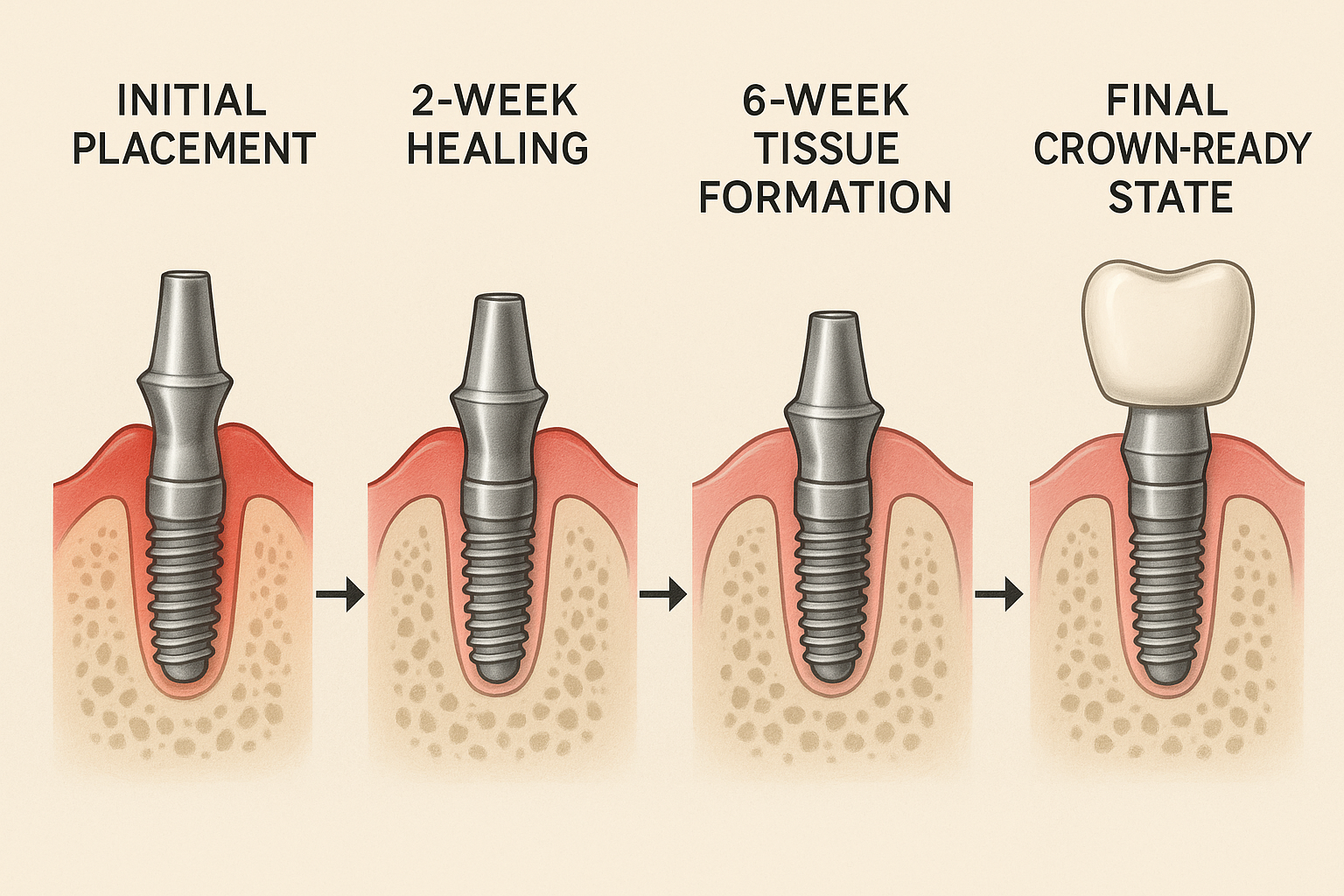
The success of your dental implant abutment procedure extends far beyond the initial healing period. Long-term care and maintenance are essential for preserving your investment and ensuring decades of function.
Ongoing Care Requirements
Daily Maintenance:
- Brush twice daily with fluoride toothpaste
- Floss around the abutment and crown
- Use an antimicrobial mouth rinse
- Consider a water flosser for deep cleaning
Professional Care:
- Schedule cleanings every 3-6 months
- Annual X-rays to monitor bone levels
- Professional implant maintenance cleanings
- Regular examinations for early problem detection
Factors That Influence Success
Several factors can impact the long-term success of your abutment and implant:
| Positive Factors | Risk Factors |
|---|---|
| Excellent oral hygiene | Smoking or tobacco use |
| Regular dental visits | Uncontrolled diabetes |
| Healthy lifestyle | Teeth grinding (bruxism) |
| Proper nutrition | Poor oral hygiene |
| No smoking | Excessive alcohol consumption |
Understanding these factors helps you make informed decisions about your oral health habits.
When to Contact Your Dental Team
Knowing when to seek professional help protects your implant investment:
Immediate Concerns (Call Same Day):
- Severe pain or swelling
- Abutment feels loose or moves
- Signs of infection or fever
- Excessive bleeding
Schedule an Appointment Soon:
- Persistent discomfort after one week
- Changes in bite or crown fit
- Gum recession around the abutment
- Any concerns about healing progress
Costs and Insurance Considerations
Understanding the financial aspects of your dental implant abutment procedure helps you plan effectively and maximize your benefits.
Typical Cost Breakdown
The abutment placement procedure represents one component of your total implant investment:
Abutment Procedure Costs:
- Standard abutment placement: $500-$800
- Custom abutment fabrication: $800-$1,200
- Anesthesia and facility fees: $100-$300
- Follow-up appointments: Usually included
Total Implant Investment:
- Initial implant placement: $1,500-$3,000
- Abutment and procedure: $500-$1,200
- Final crown restoration: $1,000-$2,500
- Total range: $3,000-$6,700
For comprehensive information about affordable dental implant options, consider consulting with experienced providers who offer various payment plans.
Insurance Coverage Options
Medical Insurance:
- May cover implants if tooth loss was due to accident or disease
- Often covers portion of bone grafting procedures
- Requires pre-authorization and documentation
Dental Insurance:
- Increasingly covering implant procedures
- May have waiting periods for major procedures
- Annual maximums typically apply
Alternative Financing:
- Practice payment plans
- Healthcare credit cards
- Personal loans for medical procedures
- Flexible spending accounts (FSA/HSA)
Choosing the Right Provider for Your Procedure
The success of your dental implant abutment procedure depends heavily on the skill and experience of your dental team. Selecting the right provider is one of the most important decisions you’ll make.
Qualifications to Look For
Essential Credentials:
- Board certification in oral surgery or periodontics
- Extensive implant training and continuing education
- Years of experience with implant procedures
- Modern facility with advanced technology
Advanced Qualifications:
- Fellowship training in implant dentistry
- Published research or teaching experience
- Membership in implant organizations
- Digital workflow capabilities
Questions to Ask Your Provider
Before proceeding with treatment, ask these important questions:
- How many abutment procedures do you perform annually?
- What is your success rate with implant procedures?
- Can you provide before and after photos of similar cases?
- What type of abutment do you recommend for my situation?
- How do you handle complications if they arise?
Technology and Techniques:
- Do you use digital impressions?
- What imaging technology do you employ?
- How do you ensure precise abutment placement?
- What sterilization protocols do you follow?
For those seeking experienced professionals, our team combines advanced training with state-of-the-art technology to ensure optimal outcomes.
Alternative Abutment Options
Not all abutments are created equal. Understanding your options helps you make informed decisions about your dental implant abutment procedure.
Types of Abutments Available
Standard Healing Abutments:
- Temporary placement during tissue healing
- Various heights to accommodate different tissue thicknesses
- Titanium construction for biocompatibility
- Replaced with final abutment at crown placement
Custom Abutments:
- Designed specifically for your anatomy
- Optimal emergence profile for natural appearance
- Better gum tissue adaptation
- Higher cost but superior aesthetics
Angled Abutments:
- Correct implant angulation issues
- Improve crown positioning
- Essential for proper bite alignment
- Available in various angles (15°, 25°, 30°)
Material Considerations
Titanium Abutments:
- ✅ Excellent biocompatibility
- ✅ Strong and durable
- ✅ Lower cost option
- ❌ May show through thin gums
Zirconia Abutments:
- ✅ Tooth-colored for aesthetics
- ✅ Excellent for front teeth
- ✅ Biocompatible ceramic material
- ❌ Higher cost
- ❌ Less forgiving if adjustments needed
The choice between materials often depends on the location of your implant and your aesthetic priorities. For detailed information about abutment-supported crowns, consult with your dental team about the best option for your specific situation.
Conclusion
The dental implant abutment procedure represents a crucial step in your journey toward a complete, functional smile. While the procedure itself is relatively minor compared to the initial implant placement, its importance cannot be overstated. The abutment serves as the vital link between your implant and final crown, making proper placement and healing essential for long-term success.
Throughout this guide, we’ve explored every aspect of the abutment procedure, from preparation and placement to recovery and long-term maintenance. The key to success lies in choosing an experienced provider, following post-operative instructions carefully, and maintaining excellent oral hygiene throughout the healing process.
Remember that the dental implant abutment procedure typically involves minimal discomfort and a relatively short recovery period. Most patients find the experience much more comfortable than they anticipated, especially when they’re well-prepared and know what to expect.
Your Next Steps
If you’re considering implant treatment:
- Schedule a consultation with a qualified implant specialist to discuss your specific needs
- Review your medical history and current medications with your dental team
- Understand the timeline from initial consultation to final crown placement
- Explore financing options to make treatment affordable and accessible
If you’re scheduled for abutment placement:
- Follow all pre-operative instructions provided by your dental team
- Prepare your recovery space with soft foods and comfort items
- Arrange transportation if sedation will be used
- Clear your schedule for adequate rest during the first few days
If you’re currently healing:
- Stick to your aftercare routine religiously for optimal results
- Contact your dentist immediately if you have any concerns
- Attend all follow-up appointments as scheduled
- Prepare for your crown placement appointment
The investment you’re making in dental implants will provide decades of improved function, aesthetics, and confidence. By understanding the dental implant abutment procedure and following proper care protocols, you’re setting yourself up for long-term success.
For more information about abutment placement procedures or to schedule your consultation, don’t hesitate to reach out to experienced professionals who can guide you through every step of your implant journey.
Your new smile is within reach, and the abutment procedure is an important milestone on that path. With proper care and professional guidance, you’ll soon be enjoying the benefits of a complete, functional, and beautiful smile that can last a lifetime.
Leave a Reply
Share your thoughts or ask a question about dental implants. Your email address will not be published.