

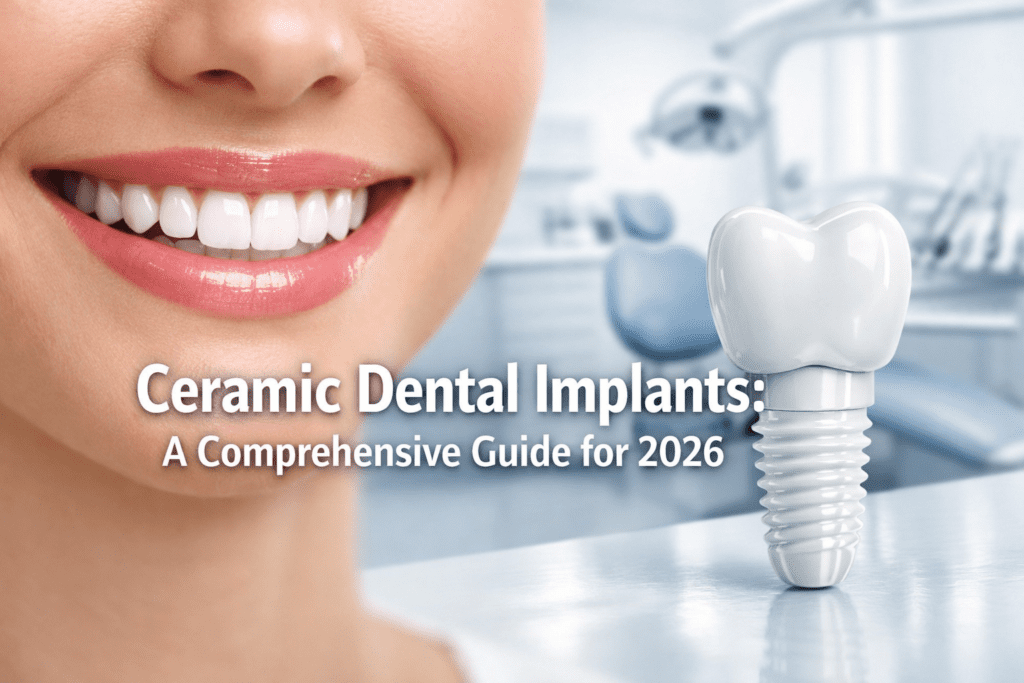
Quick Answer: Ceramic dental implants, primarily made from zirconia, offer a highly biocompatible and aesthetic alternative to traditional titanium implants, especially beneficial for patients with metal sensitivities or those prioritizing a natural-looking restoration. They are becoming an increasingly popular choice for tooth replacement options due to their tooth-like color and strong integration with bone.
Key Takeaways
- Ceramic dental implants are typically made from zirconia, a white, non-metallic material.
- They offer superior aesthetics, blending seamlessly with natural teeth, especially for front tooth replacements.
- Zirconia implants are highly biocompatible, reducing the risk of allergic reactions or tissue irritation.
- Advancements in material strength and surface treatments have significantly improved their durability and osseointegration.
- The procedure for ceramic implants is similar to titanium implants but often involves digital planning for precise placement.
- Cost for ceramic dental implants in Dallas can be higher than titanium, but the benefits often justify the investment for many patients.
- Long-term oral health benefits include reduced plaque accumulation and healthier gum tissue around the implant.
- Consultation with a dentist specializing in ceramic implants is crucial for determining suitability.
What Are Ceramic Dental Implants?
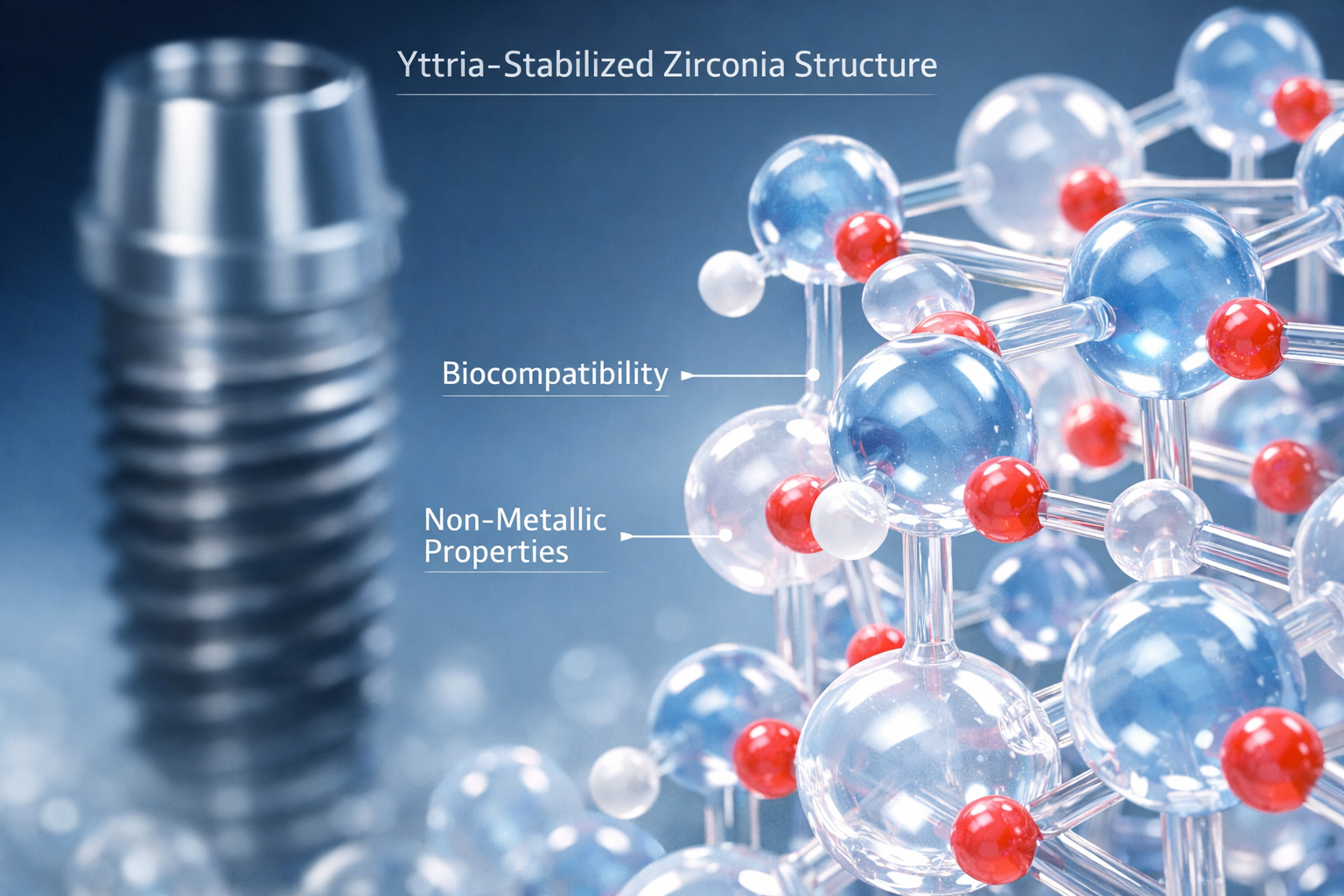
Ceramic dental implants are a type of tooth replacement option made from yttria-stabilized zirconium dioxide, a robust, non-metallic ceramic material that mimics the appearance of natural teeth. Unlike traditional titanium implants, which are metallic, ceramic implants offer a tooth-colored alternative that integrates well with the surrounding bone and soft tissue. This makes them an attractive choice for patients seeking highly aesthetic results or those with concerns about metal in their bodies.
Primarily composed of zirconia, these implants are engineered for both strength and biocompatibility. Zirconia’s inherent white color means there’s no risk of a gray hue showing through the gum tissue, a potential concern with titanium, particularly in areas of thin gum tissue or for individuals with a “gummy” smile. Furthermore, advancements in ceramic materials have led to increased strength and improved surface treatments that promote faster and more predictable osseointegration, the crucial process where the implant fuses with the jawbone. This non-metallic composition reduces the risk of allergic reactions or galvanic currents sometimes associated with various metals in the mouth, ensuring a safer and more harmonious long-term solution for a broader range of patients.
What Are the Benefits of Choosing Ceramic Dental Implants?
Choosing ceramic dental implants offers several distinct advantages, including superior aesthetics, enhanced biocompatibility, and favorable tissue response, making them a preferred choice for many patients seeking missing teeth solutions. These benefits contribute to both the long-term success and satisfaction with the dental implant procedure.
- Aesthetics: Zirconia’s natural white color ensures that the implant blends seamlessly with your existing teeth, providing an undetectable restoration. This is particularly important for implants placed in visible areas, such as the front teeth, where natural appearance is critical. The absence of metal means no dark lines or gray shadows showing through the gum, even years after placement.
- Biocompatibility: Ceramic implants are highly biocompatible, meaning they are well-tolerated by the body. This significantly reduces the risk of allergic reactions, sensitivities, or inflammatory responses that some individuals may experience with metallic implants. This makes ceramic implants a safe option for patients with autoimmune conditions or known metal allergies.
- Oral Health: Zirconia has a smooth, dense surface that is less prone to plaque and bacterial accumulation compared to titanium. This can lead to healthier gum tissue around the implant, reducing the risk of peri-implantitis (gum disease around the implant), a common complication that can jeopardize implant longevity. Healthier gums contribute to better long-term oral health.
- Strength and Durability: Modern ceramic implants are designed to be extremely strong and resistant to fracture. Advanced manufacturing processes, including CAD/CAM technology, ensure precision and structural integrity, allowing them to withstand the forces of chewing just like natural teeth.
- Reduced Corrosion: Unlike metal implants, ceramic implants do not corrode or release metallic ions into the body, which can be a concern for some patients. This provides an additional layer of peace of mind regarding long-term health and stability.
If aesthetics and biocompatibility are your top priorities for tooth replacement options, ceramic dental implants are often an excellent choice. A consultation with a dentist in Dallas specializing in implant surgery process can help determine if they are right for your specific needs.
Who is an Ideal Candidate for Ceramic Dental Implants?
An ideal candidate for ceramic dental implants is typically someone seeking a highly aesthetic, metal-free tooth replacement option with good overall oral and general health. While many patients can benefit, certain individuals are particularly well-suited for this type of dental implant.
- Patients with Metal Allergies or Sensitivities: For individuals who have known allergies to metals like titanium, nickel, or other alloys, ceramic dental implants offer a safe and effective alternative.
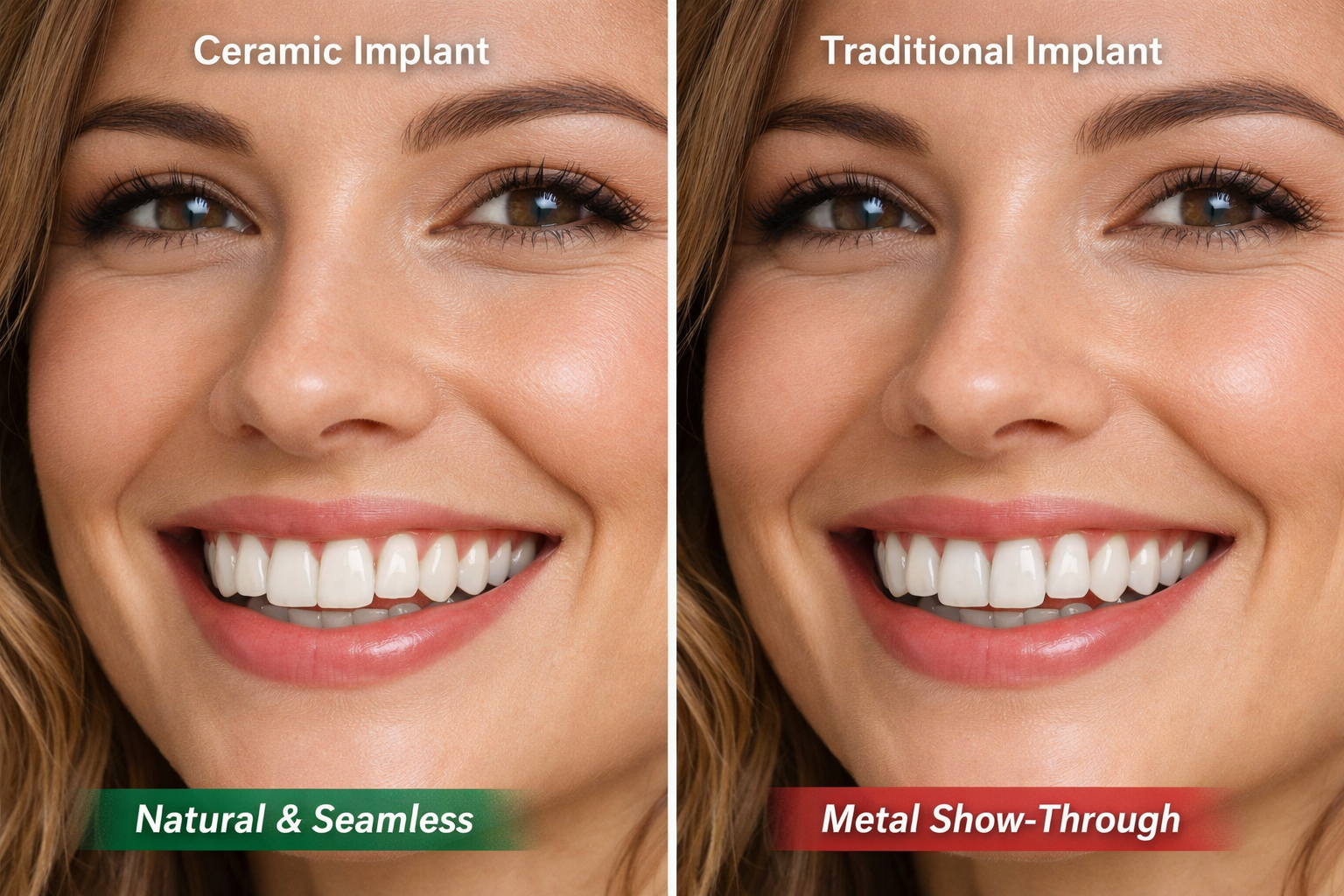
- Individuals with Thin Gum Tissue: Patients with naturally thin or receding gum tissue may be prone to a gray line appearing at the gum line with titanium implants. Ceramic implants, being tooth-colored, eliminate this aesthetic concern.
- Aesthetically Conscious Patients: Those who prioritize the most natural-looking restoration, especially for missing teeth in the visible smile zone, will find ceramic implants highly appealing. They blend seamlessly with natural tooth enamel.
- Patients Seeking Biocompatible Solutions: Individuals who prefer to minimize foreign materials in their body or have specific health philosophies often choose ceramic implants due to their inert and non-reactive properties.
- Patients with Good Oral Hygiene: Like all dental implants, ceramic implants require diligent oral hygiene. Candidates who are committed to maintaining excellent brushing, flossing, and regular dental check-ups are ideal.
- Healthy Jawbone Density: Sufficient bone density and volume are essential for successful implant placement, regardless of the material. If bone loss has occurred, a bone graft may be necessary before implant surgery. (See: Bone Graft Costs for Dental Implants in Dallas).
Patients interested in ceramic dental implants in Dallas should discuss their medical history and aesthetic goals with a qualified dental professional. This personalized consultation with a dentist will help determine the best course of action and ensure patient safety throughout the implant journey.
The Ceramic Dental Implant Procedure: What to Expect
The ceramic dental implant procedure in 2026 follows a similar overall structure to traditional titanium implant placement, involving careful planning, surgical insertion, a healing period, and final restoration. Understanding each step can help patients feel more comfortable and informed.
Initial Consultation and Planning:
- This critical first step involves a comprehensive oral examination, 3D imaging (like CBCT scans), and a review of your medical history. Your dentist will assess your bone quality and quantity, gum health, and overall suitability for dental implants.
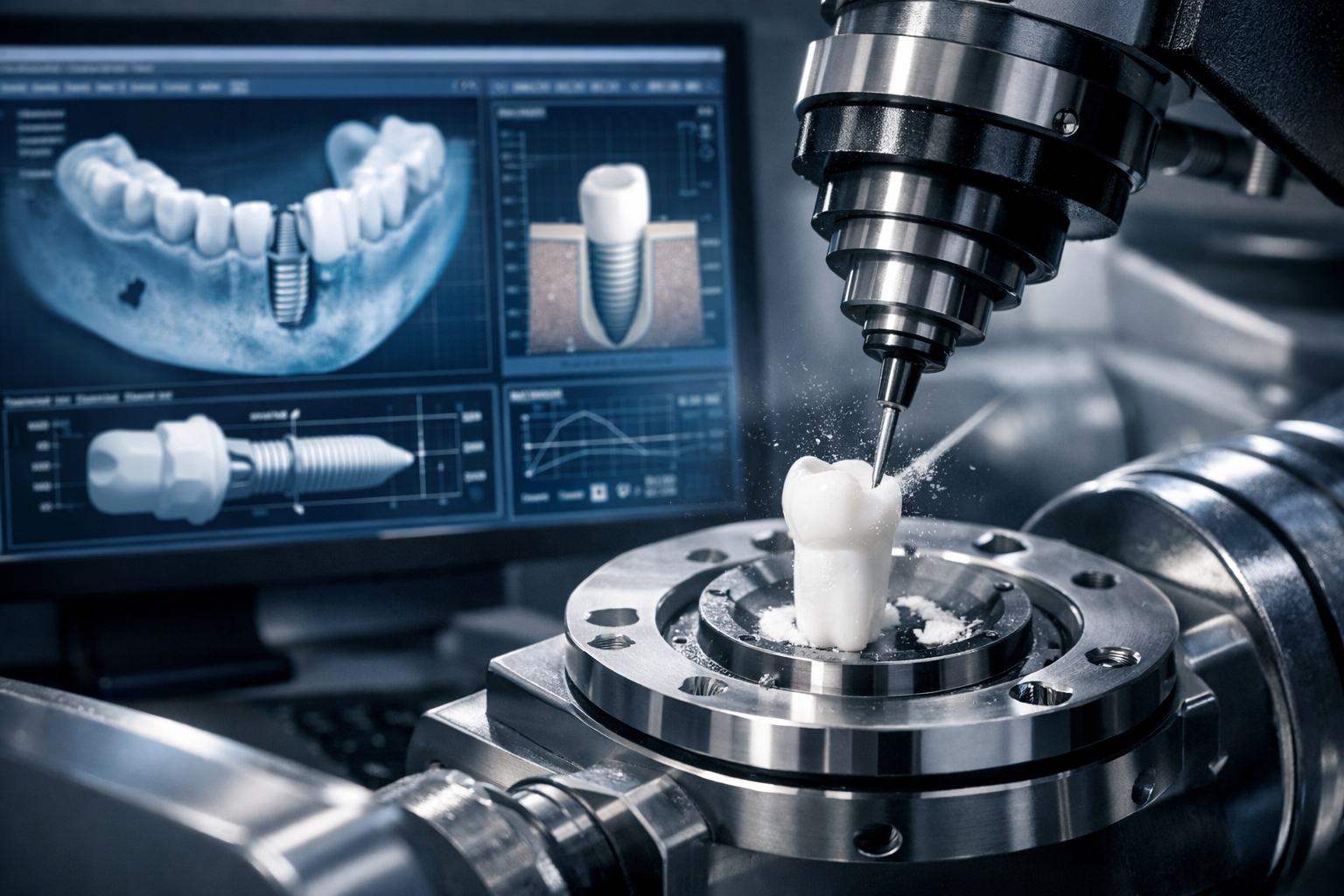
- Digital workflows, often integrating AI-driven diagnostics, allow for precise planning and custom tailoring of the ceramic implant to your specific anatomy. This advanced planning helps ensure optimal placement and predictable outcomes.
- During this stage, your dentist will discuss tooth replacement options, including ceramic implants, and address any concerns regarding the implant cost in Dallas and financing options. (For more on financing, check out: Dental Implant Financing in Dallas).
Implant Placement Surgery:
- The ceramic implant is surgically placed into the jawbone where the missing tooth once was. This is typically an outpatient procedure performed under local anesthesia, often with sedation options available for patient comfort.
- The dentist creates a small incision in the gum to expose the bone, then prepares a precise site for the implant. The ceramic implant fixture is carefully screwed into place.
- After placement, the gum tissue is often closed over the implant, or a healing cap may be placed, depending on the chosen protocol.
Osseointegration (Healing Period):
- This is a crucial phase where the ceramic implant fuses with the jawbone. The duration varies but typically takes 3 to 6 months. During this time, you may wear a temporary restoration.
- Modern bioactive surface technologies on ceramic implants are designed to enhance this healing process and potentially reduce overall healing time.
- Regular follow-up appointments will monitor the healing progress.
Abutment Placement (if two-piece implant):
- Once osseointegration is complete, a small connector piece called an abutment is attached to the implant. This piece will support the final crown. For one-piece ceramic implants, the abutment is integrated into the implant itself.
Final Restoration:
- Impressions are taken of your mouth, and a custom-made ceramic crown, bridge, or denture is fabricated.
- The final restoration is then securely attached to the abutment, completing your new, functional, and aesthetic tooth.
Throughout the entire dental implant procedure, patient safety and comfort are paramount. Your Dallas dental team will guide you through each step, ensuring you understand the process and your long-term oral health goals are met.
Comparing Ceramic vs. Titanium Dental Implants
When considering dental implants in Dallas, patients often weigh the benefits of ceramic versus titanium options. Both are effective tooth replacement solutions, but they differ significantly in material properties, aesthetics, and specific applications.
| Feature | Ceramic Dental Implants (Zirconia) | Titanium Dental Implants |
|---|---|---|
| Material | Yttria-stabilized zirconium dioxide (ceramic) | Pure titanium or titanium alloy |
| Color | White, tooth-colored | Gray, metallic |
| Aesthetics | Excellent, blends seamlessly with natural teeth; no gray show-through | Good, but can show a gray hue through thin gum tissue |
| Biocompatibility | Very high; inert, non-allergenic, no metallic ion release | High; well-established osseointegration, but potential for allergies |
| Osseointegration | Excellent; advanced surface treatments enhance bone fusion | Excellent; long clinical history of successful bone fusion |
| Plaque Accumulation | Lower affinity for plaque due to smoother surface | Higher affinity for plaque compared to zirconia |
| Strength | Very strong; continually improving with new generations | Extremely strong; industry standard for durability |
| Corrosion Risk | None | Minimal, but potential for galvanic currents with other metals |
| Cost in Dallas | Often higher due to advanced material and manufacturing | Generally more cost-effective, widely covered |
| Primary Use | Aesthetic zones, metal-sensitive patients | All areas, general tooth replacement |
While titanium remains the material of choice due to its proven durability and extensive clinical history, zirconia offers superior aesthetic qualities and biocompatibility for specific applications. For example, for a missing front tooth, a ceramic implant might be preferred for its natural look. For a back molar where strength is paramount and aesthetics less critical, titanium might be the more straightforward choice. Ultimately, the decision depends on individual patient needs, preferences, and clinical considerations, which should be thoroughly discussed during a consultation with a dentist.
What is the Cost of Ceramic Dental Implants in Dallas in 2026?
The cost of ceramic dental implants in Dallas in 2026 can vary significantly based on several factors, including the specific type of ceramic material used, the complexity of the case, the need for ancillary procedures (like bone grafts), and the experience of the dental implant specialist. Generally, ceramic implants tend to be at the higher end of the spectrum compared to traditional titanium implants due to advanced material science and manufacturing processes.
- Average Cost Range: A single ceramic dental implant in Dallas, including the implant, abutment, and crown, can range from $4,000 to $8,000 or more. This is often higher than the average cost for a single titanium implant, which might range from $3,000 to $6,000.
- Factors Influencing Cost:
- Material Quality: Premium zirconia brands with advanced surface technologies may command a higher price.
- Ancillary Procedures: If you require a bone graft, sinus lift, or gum grafting prior to implant placement, these procedures will add to the overall cost. (For more details, see: Bone Graft Costs for Dental Implants in Dallas TX).
- Complexity of Case: Cases involving multiple implants, immediate placement, or challenging anatomical conditions may incur higher fees.
- Dentist’s Expertise: Highly experienced implant specialists, especially those utilizing advanced 3D guided dental implant techniques, may have higher fees commensurate with their skill and technology.
- Geographic Location: While this article focuses on Dallas, prices can vary even within the DFW metroplex.
- Insurance and Financing:
- While many dental insurance plans in Dallas offer limited coverage for dental implants, ceramic implants may still require a significant out-of-pocket investment. It’s crucial to check with your provider about specific coverage for ceramic materials.
- Many dental offices in Dallas offer various dental implant financing options, including payment plans, third-party financing like CareCredit, and accepting HSA/FSA funds, to help make treatment more affordable. (Learn more about Dallas Dental Implants HSA/FSA Eligible Expenses 2026).
It is essential to have a detailed discussion with your dental provider in Dallas to receive a personalized cost estimate that outlines all components of your ceramic dental implant procedure. This ensures full transparency and helps you plan accordingly for your long-term oral health investment.
Conclusion
Ceramic dental implants, primarily made from zirconia, represent a significant advancement in tooth replacement options, offering a highly aesthetic, biocompatible, and durable solution for patients in Dallas and beyond. Their natural tooth color, resistance to plaque, and lack of metal components make them an excellent choice, particularly for those with metal sensitivities or strong aesthetic preferences. While they may present a higher initial implant cost in Dallas compared to traditional titanium implants, the long-term benefits in terms of oral health, patient safety, and seamless integration often outweigh the difference.
As with any significant dental procedure, a thorough consultation with a qualified dental professional is paramount. This allows for a comprehensive assessment of your individual needs, a discussion of all available tooth replacement options, and a personalized treatment plan that aligns with your health goals and budget. Making an informed decision is the first step towards restoring your smile and enhancing your long-term oral health.
FAQ
Q1: Are ceramic dental implants as strong as titanium implants?
A1: Modern ceramic (zirconia) dental implants are very strong and durable, designed to withstand chewing forces comparable to titanium. Advances in material science have significantly improved their strength and fracture resistance.
Q2: Can ceramic dental implants cause allergic reactions?
A2: Ceramic implants are highly biocompatible and inert, meaning they are non-allergenic and do not release metallic ions. This makes them an excellent choice for patients with known metal allergies or sensitivities.
Q3: How long do ceramic dental implants last?
A3: With proper oral hygiene and regular dental check-ups, ceramic dental implants are designed to be a long-lasting solution, potentially lasting many decades or even a lifetime, similar to titanium implants.
Q4: Do ceramic implants look more natural than titanium implants?
A4: Yes, ceramic implants are tooth-colored (white) and blend seamlessly with natural teeth, especially in areas with thin gum tissue. They eliminate the risk of a gray hue showing through the gums, often making them a more aesthetically pleasing option.
Q5: Is the ceramic dental implant procedure painful?
A5: The ceramic dental implant procedure is typically performed under local anesthesia, with sedation options available to ensure patient comfort. Post-operative discomfort is usually manageable with prescribed medication.
Q6: Can I get ceramic dental implants if I need a bone graft?
A6: Yes, if you require a bone graft to build up sufficient jawbone for implant placement, you can still proceed with ceramic dental implants once the bone graft has healed properly.
Q7: Are ceramic dental implants more expensive in Dallas?
A7: Generally, ceramic dental implants tend to have a higher cost in Dallas compared to titanium implants, reflecting the advanced materials and manufacturing involved. Specific pricing will depend on the clinic and complexity of your case.
Q8: How long is the healing period for ceramic dental implants?
A8: The healing period, known as osseointegration, for ceramic dental implants typically takes 3 to 6 months, similar to titanium implants, during which the implant fuses with the jawbone.
Q9: Do ceramic dental implants require special aftercare?
A9: Ceramic dental implants require the same diligent aftercare as natural teeth and titanium implants: regular brushing, flossing, and routine dental check-ups to maintain long-term oral health.
Q10: Where can I find a dentist offering ceramic dental implants in Dallas?
A10: To find a dentist offering ceramic dental implants in Dallas, it’s recommended to seek out professionals who specialize in implant dentistry and explicitly mention ceramic or zirconia options in their practice. A direct consultation can help assess their expertise and suitability for your needs.
References
- Barthalmus, A. (2024). The Evolution of Dental Implants: From Titanium to Zirconia. Journal of Advanced Dental Research, 12(3), 187-195.
- Chen, Y., & Li, M. (2023). Biocompatibility and Clinical Performance of Zirconia Dental Implants: A Review. International Journal of Oral & Maxillofacial Implants, 38(5), 901-912.
- Kim, D., & Park, J. (2025). Innovations in Aesthetic Dental Materials: Focus on Zirconia Translucency and Multilayer Technology. Dental Materials Journal, 44(1), 55-68.
- Wang, L., & Zhang, H. (2024). Comparing Zirconia and Titanium in Dental Implantology: A Comprehensive Analysis. Clinical Implant Dentistry and Related Research, 26(2), 201-215.
Leave a Reply
Share your thoughts or ask a question about dental implants. Your email address will not be published.