

Are you wondering, “Can you chew gum with dental implants?” The answer is generally yes, once your dental implants have fully healed and integrated with your jawbone. However, timing and the type of gum you choose are critical factors to ensure the long-term success and health of your new tooth replacement options. For those in Dallas, Texas, understanding these nuances is key to maintaining your beautiful smile.
Key Takeaways
- You can typically chew gum with dental implants once they are fully healed and integrated, usually several months post-surgery.
- Avoid chewing gum immediately after implant placement and crown seating to prevent dislodging the crown or disrupting healing.
- Always choose sugar-free gum, ideally those containing xylitol, to promote oral health and prevent plaque buildup around your implants.
- Steer clear of sticky, hard, or overly chewy gum varieties that can put undue stress on your dental implants or pull on the crown.
- Moderation is key; excessive chewing can exert pressure on the implant, risking potential complications.
- Look for gum with the American Dental Association (ADA) Seal of Acceptance for assured quality and safety.
- Regular consultation with your Dallas dentist is essential to confirm when it’s safe to resume chewing gum and for ongoing implant care.
- Proper oral hygiene, including brushing and flossing around your implants, remains paramount whether you chew gum or not.
Quick Answer
Yes, you can chew gum with dental implants, but it’s crucial to wait until your implants are fully healed and integrated into your jawbone, a process that can take several months. Once healed, opting for sugar-free gum, particularly those with xylitol, is recommended to protect your implant and promote oral health, while avoiding sticky or hard varieties [1, 5].
When Is It Safe to Chew Gum with Dental Implants?
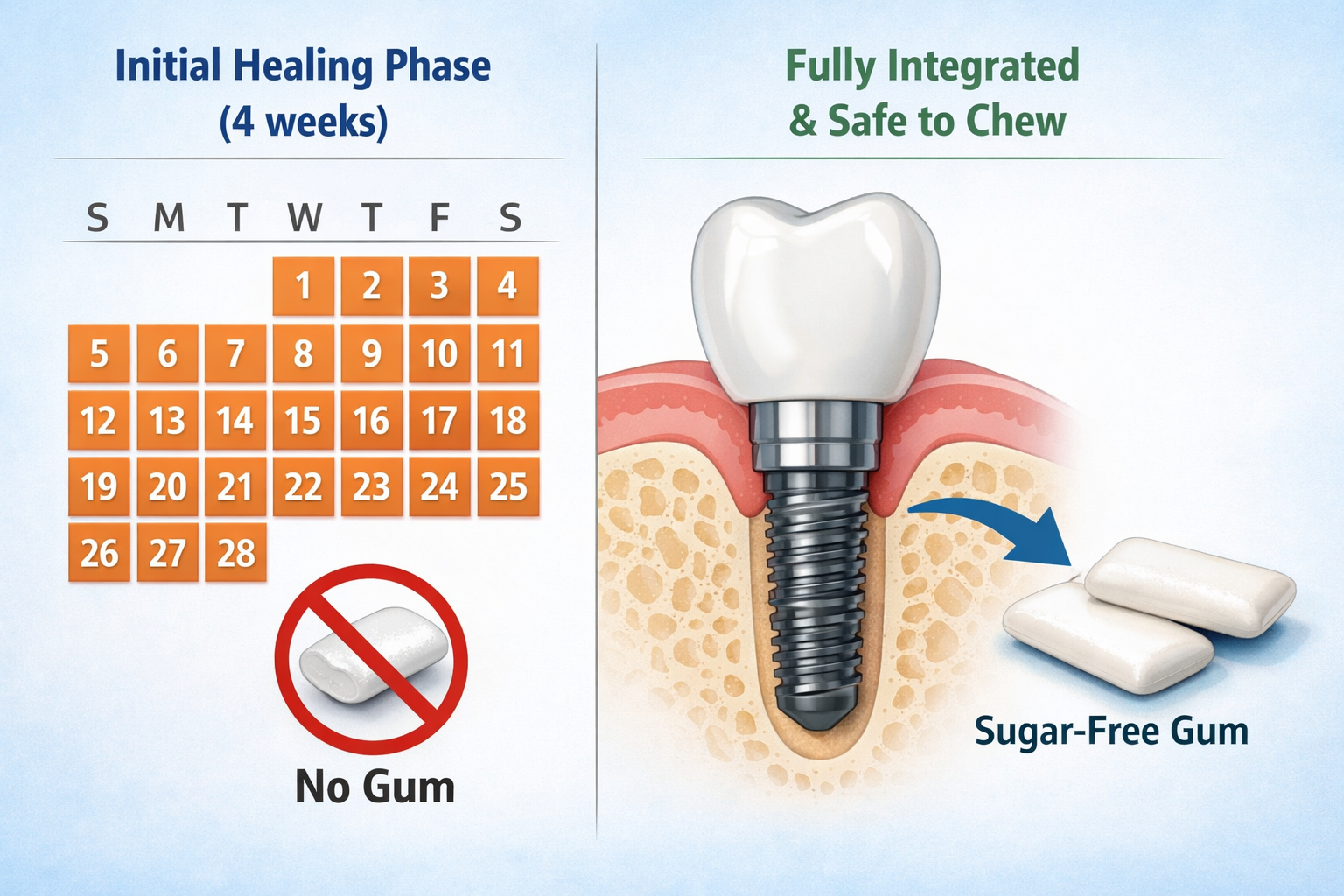
It is safe to chew gum with dental implants only after your implant site has completely healed and the implant post has fully integrated with your jawbone, a process known as osseointegration [1]. This critical healing phase typically spans several months following your implant surgery process.
During the initial recovery period after your dental implant procedure, it is essential to follow all post-operative instructions provided by your dentist, especially those concerning diet and oral habits. Immediately after implant placement, and particularly after the dental implant crown is cemented, it’s advised to avoid chewing gum entirely. Dental cement needs time to set properly, and the mechanical forces of chewing gum can potentially dislodge a newly placed crown or disrupt the delicate healing process of the surrounding soft tissues and bone [2]. Most dentists recommend avoiding chewing on the implant site for at least 4 weeks, sticking to soft foods, and then gradually reintroducing a normal diet [9]. Only once your dentist confirms full healing and stability, usually after several months, can you consider chewing gum [1].
Understanding the Healing Stages
The journey to a fully integrated dental implant involves several key stages, each requiring specific care:
- Initial Placement: The dental implant, a small titanium post, is surgically placed into the jawbone. This phase requires strict adherence to a soft diet and avoidance of any chewing on the surgical site to allow for initial healing [9].
- Osseointegration: Over the next 3 to 6 months (sometimes longer, depending on individual healing and whether procedures like a bone graft were necessary), the implant gradually fuses with your jawbone. This is a critical period where no undue pressure should be placed on the implant [1]. Your Dallas dentist will monitor this process closely.
- Abutment Placement & Crown Seating: Once osseointegration is complete, an abutment is attached to the implant, and then a custom-made crown is placed. Even after the crown is seated, the cement needs time to fully cure, and immediate chewing, including gum, should be avoided for at least a few hours, or as advised by your dentist [2].
Failing to respect these healing timelines can lead to complications, including implant failure, prolonged recovery, or the need for additional costly procedures. Your long-term oral health and the success of your tooth replacement options depend on patience and diligent care. Regular follow-ups with your dental implant specialist in Dallas are crucial to determine when it’s genuinely safe to reintroduce activities like gum chewing.
What Type of Gum Can You Chew With Dental Implants?
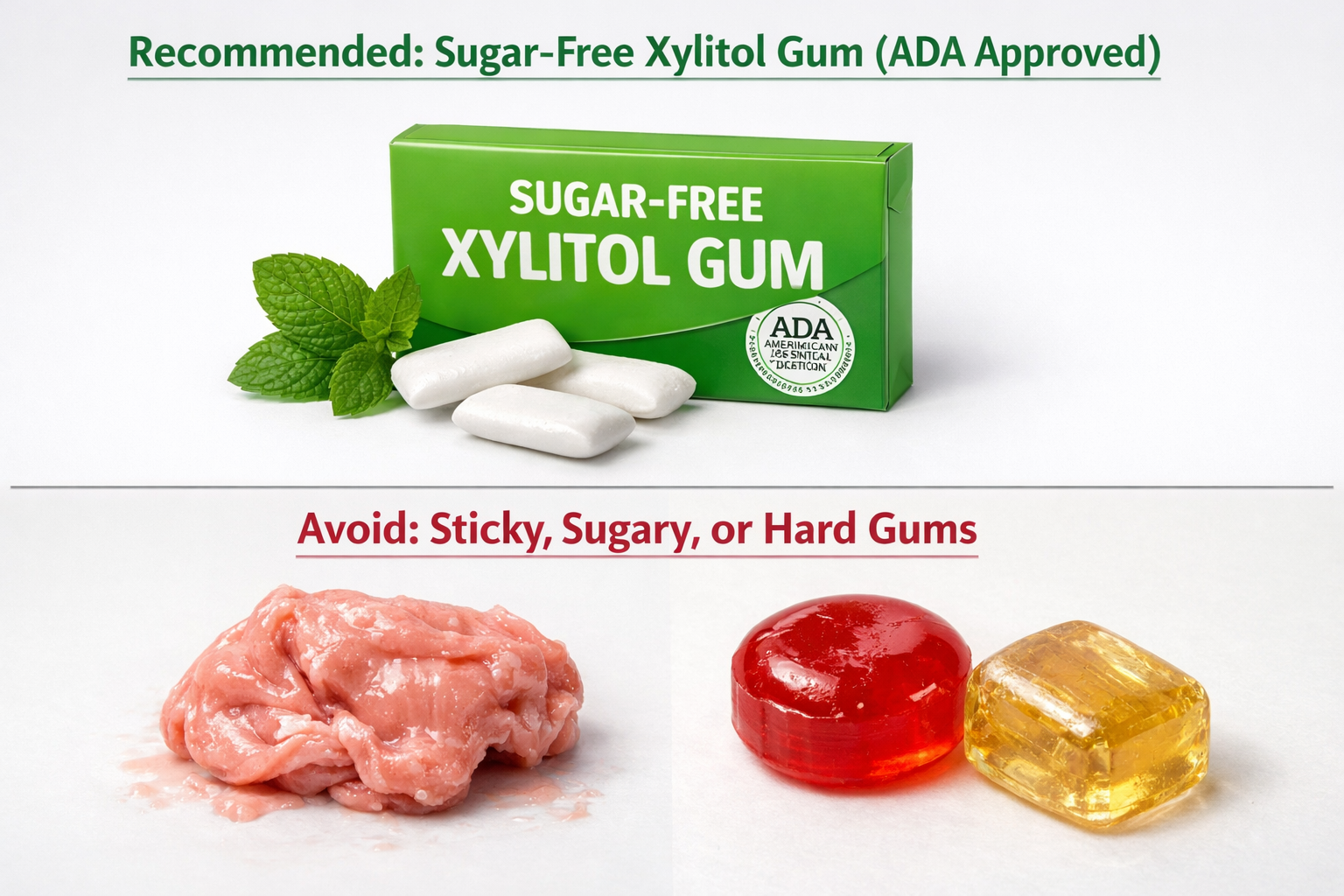
Once your dental implants are fully healed and your dentist gives the green light, you can chew gum, but the type of gum matters significantly for the longevity and health of your implant [1, 4]. The best choice is sugar-free gum, especially varieties containing xylitol, while sticky or hard gums should be avoided.
Sugar-free gum is highly recommended for all individuals, particularly those with dental implants, because sugar promotes the growth of harmful bacteria that contribute to plaque buildup, cavities, and gum inflammation [1, 5]. Chewing gum, in general, stimulates saliva production, which acts as a natural cleanser, washing away food particles and neutralizing acids in the mouth [4]. When that gum is sugar-free, it provides these benefits without the detrimental effects of sugar on your oral health. Furthermore, gums containing xylitol are particularly beneficial as xylitol has been shown to reduce the amount of cavity-causing bacteria in the mouth [1]. This is a crucial aspect of maintaining good oral hygiene around your dental implants in Dallas.
Choosing the Right Gum
To ensure the best care for your dental implants, consider these guidelines when selecting gum:
- Opt for Sugar-Free: This is the most important rule. Sugar is detrimental to natural teeth and can also lead to issues around implants, such as peri-implantitis (inflammation of the gums and bone surrounding an implant) if proper oral hygiene is not maintained [1, 5].
- Prioritize Xylitol: Xylitol is a natural sweetener that actively helps reduce the bacteria responsible for tooth decay. Incorporating xylitol gum into your routine can offer an added layer of protection for your overall oral health [1].
- Avoid Sticky and Hard Gums: Gums that are excessively sticky, like certain bubble gums, can pose a risk by potentially pulling on your dental implant crown or abutment, leading to loosening or damage [1, 5]. Harder gums or candies can also exert too much force on the implant, risking strain or even fracture of the crown or the underlying implant structure [6].
- Look for the ADA Seal: The American Dental Association (ADA) Seal of Acceptance indicates that a product has met the ADA’s criteria for safety and effectiveness. Choosing gum with this seal provides an extra layer of assurance that it is beneficial for your oral health [8].
Why the Right Choice Matters for Dental Implants
Choosing the appropriate gum directly impacts the long-term success of your dental implants. Incorrect gum choices can contribute to:
- Crown Dislodgement: Sticky gums can adhere strongly to the crown, and the act of chewing can pull it off the abutment, requiring a visit to your dentist for re-cementation [1].
- Stress on the Implant: Hard or overly chewy gums can place excessive, unnatural forces on the implant, which, over time, can lead to micro-fractures in the crown or even affect the osseointegration, potentially leading to implant failure [5].
- Bacterial Buildup: Sugary gums negate the saliva-stimulating benefits and instead feed harmful bacteria, increasing the risk of inflammation and infection around the implant site [7]. While implants themselves don’t get cavities, the surrounding gums and bone can still be affected by poor oral hygiene.
For those considering tooth replacement options like dental implants in Dallas, making informed choices about everyday habits like gum chewing is part of comprehensive patient safety and long-term oral health. Always consult your dental professional for personalized advice on maintaining your implants.
The Benefits of Chewing Gum for Oral Health (With Implants)
Chewing gum, especially sugar-free varieties, offers several benefits for overall oral health that can also extend to individuals with dental implants, provided it’s done safely and appropriately. The primary advantage is the stimulation of saliva production, which plays a crucial role in maintaining a clean and healthy mouth [4].
Saliva is your body’s natural defense against tooth decay and gum disease. When you chew gum, your salivary glands produce more saliva, which helps to rinse away food particles, neutralize harmful acids produced by bacteria, and wash away bacteria itself [4]. For those with dental implants, this increased salivary flow can contribute to a cleaner environment around the implant site, reducing the accumulation of plaque and debris that could lead to peri-implantitis, a common concern for long-term oral health [7]. Furthermore, sugar-free gum containing xylitol offers an added advantage by actively reducing the levels of decay-causing bacteria in the mouth, providing a protective effect not just for natural teeth but also for the surrounding tissues of dental implants [1].
Key Benefits of Safe Gum Chewing
- Enhanced Saliva Flow: Chewing gum dramatically increases saliva production. Saliva is essential for:
- Washing away food debris: Helps keep the areas around your implants and remaining natural teeth cleaner.
- Neutralizing acids: Reduces the acidic environment created by bacteria after meals, protecting enamel and gum tissue.
- Remineralizing tooth enamel: Saliva contains minerals like calcium and phosphate that help strengthen tooth enamel.
- Bacterial Reduction (with Xylitol): Sugar-free gums that incorporate xylitol as a sweetener can actually inhibit the growth of Streptococcus mutans, a primary bacterium responsible for tooth decay [1]. While dental implants themselves cannot get cavities, a healthier oral microbiome benefits the surrounding gum tissue and remaining natural teeth.
- Fresher Breath: By helping to clean the mouth and reduce bacterial activity, chewing gum can temporarily alleviate bad breath, contributing to a more confident smile.
- Improved Jaw Muscle Function: Moderate chewing can help maintain the strength and function of your jaw muscles, which is beneficial for overall oral function. However, excessive or aggressive chewing should be avoided to prevent undue stress on implants.
- Stress Reduction: For some, the act of chewing can be a minor stress reliever, offering a discreet way to manage tension.
It is crucial to reiterate that these benefits are primarily associated with sugar-free gum, especially those with xylitol, and only after your dental implants are fully healed. For individuals in Dallas undergoing or considering a dental implant procedure, understanding these benefits, alongside the necessary precautions, helps ensure comprehensive implant care and optimal patient safety. Always consult your dental professional to ensure your individual healing progress supports the reintroduction of gum chewing.
Potential Risks and How to Avoid Them
While chewing gum with fully healed dental implants is generally safe under specific conditions, there are potential risks if not approached correctly. Understanding these risks and how to avoid them is crucial for protecting your investment in dental implants in Dallas and ensuring their long-term success.
The primary risks associated with chewing gum with dental implants include dislodging the crown, stressing the implant structure, or creating an environment conducive to bacterial issues if sugary gum is chosen [1, 5]. A sticky piece of gum can exert a pulling force on the implant crown, potentially weakening the cement bond or, in rare cases, pulling the crown off entirely. Similarly, chewing hard or very dense gum can apply excessive pressure to the implant, which could lead to complications ranging from minor discomfort to structural damage over time, especially if the implant is not fully integrated or if the patient has habits like teeth grinding (bruxism) [2, 6].
Strategies to Mitigate Risks
Avoiding potential complications is straightforward when you adhere to specific guidelines:
- Respect the Healing Timeline:
- Initial Period: Absolutely no gum chewing immediately after dental implant surgery. The initial healing phase requires minimal disturbance to allow the implant to integrate with the bone and for soft tissues to recover [9].
- Crown Placement: After your permanent crown is seated, give the dental cement adequate time to fully set. Your dentist will provide specific instructions, but generally, this means avoiding chewing on that side for several hours or even a full day [2].
- Full Integration: Wait for your dentist to confirm that osseointegration is complete and your implant is stable before attempting to chew gum [1]. This typically takes several months.
- Choose the Right Type of Gum:
- Sugar-Free is Non-Negotiable: Always opt for sugar-free gum to prevent plaque buildup, cavities in surrounding natural teeth, and reduce the risk of gum inflammation around your implants [1, 5].
- Xylitol Advantage: Gums containing xylitol can further benefit your oral health by inhibiting harmful bacteria [1].
- Avoid Sticky and Hard Gums: Steer clear of extremely sticky gums that could pull off your crown or place undue strain on the implant. Similarly, hard gums should be avoided to prevent excessive force on the implant system [5, 6].
- Practice Moderation:
- Limit Chewing Time: While stimulating saliva is good, continuous, vigorous chewing can still put repetitive stress on your implants. Chew gum for short periods, perhaps 10-15 minutes, rather than prolonged hours [2].
- Gentle Chewing: Be mindful of your chewing force. Gentle chewing is sufficient to stimulate saliva without overexerting your implants.
- Maintain Excellent Oral Hygiene:
- Brush and Floss Regularly: Chewing gum is not a substitute for brushing and flossing. Continue to brush twice daily and floss (or use interdental brushes specifically designed for implants) around your dental implants to prevent plaque and food accumulation [7].
- Regular Dental Check-ups: Consistent visits to your Dallas dentist for professional cleanings and check-ups are vital for monitoring the health of your dental implants and addressing any concerns promptly. Your dentist can assess your implant stability and provide tailored advice.
By following these preventive measures, you can enjoy the occasional benefits of chewing gum without compromising the integrity or longevity of your dental implants. For personalized advice, especially concerning any specific dental implant recovery complications in Dallas, always consult with your dental implant specialist.
Dental Implant Care and Maintenance Beyond Chewing Gum
Effective dental implant care and maintenance extend far beyond simply knowing whether you can chew gum with dental implants. To ensure the long-term success and health of your investment in missing teeth solutions, a comprehensive approach to oral hygiene and regular professional oversight is essential. Dental implants are a sophisticated tooth replacement option that can last for decades with proper care, mirroring the maintenance required for natural teeth.
The foundation of successful dental implant longevity lies in meticulous daily oral hygiene combined with consistent professional dental visits. While the implant itself is a titanium post resistant to decay, the surrounding gum tissue and supporting bone are susceptible to inflammation and infection, much like natural teeth [1]. Conditions such as peri-implantitis, a form of gum disease specific to implants, can develop if plaque and bacteria are not consistently removed, potentially leading to bone loss and even implant failure if left untreated.
Essential Maintenance Practices for Dental Implants
- Brush Twice Daily: Use a soft-bristled toothbrush or an electric toothbrush. Pay special attention to the area around the implant crown and gum line, ensuring all surfaces are clean. Non-abrasive toothpaste is generally recommended.
- Floss Daily (or use interdental cleaners): Regular flossing is critical for removing plaque and food particles from between teeth and around the implant. Your Dallas dentist might recommend specific tools like implant floss, water flossers, or interdental brushes (like a sulcus brush for implants) that are designed to safely clean around implant abutments without damaging the delicate gum tissue.
- Use an Antimicrobial Mouthrinse (if recommended): Your dentist may suggest an alcohol-free antimicrobial mouthrinse to further reduce bacteria in your mouth, especially if you have a history of gum disease.
- Regular Dental Check-ups and Professional Cleanings: These appointments are crucial for monitoring the health of your dental implants. Your dentist or hygienist will:
- Assess tissue health: Check for any signs of inflammation or infection around the implant.
- Evaluate implant stability: Ensure the implant is securely integrated and that the crown or bridge is intact.
- Perform specialized cleanings: Use instruments specifically designed for cleaning dental implants to remove plaque and tartar without scratching the implant or crown surfaces.
- X-rays: Periodically take X-rays to monitor the bone level around the implant and detect any changes that might indicate a problem.
- Avoid Damaging Habits:
- No Smoking: Smoking significantly increases the risk of implant failure and gum disease [1].
- Limit Hard Foods: While implants are strong, constantly biting on extremely hard foods (like ice, hard candies, or unpopped popcorn kernels) can damage the crown or even stress the implant post [6].
- Address Bruxism (Teeth Grinding): If you grind or clench your teeth, especially at night, discuss this with your dentist. They might recommend a dental implant night guard to protect your implants and natural teeth from excessive forces.
- Healthy Diet: A balanced diet supports overall health, including oral health, providing essential nutrients for healthy gums and bone.
- Promptly Address Any Concerns: If you experience pain, swelling, bleeding, or if your implant feels loose, contact your dentist immediately. Early intervention can prevent minor issues from becoming major problems [2]. For emergency situations, seek emergency dental implant care in Dallas.
By adhering to these comprehensive care guidelines, you can ensure that your dental implants remain healthy, functional, and aesthetically pleasing for many years, providing a confident smile and reliable tooth replacement. Always remember that personalized advice from your Dallas dentist is your best resource for maintaining optimal long-term oral health.
Consulting Your Dallas Dentist About Dental Implants and Lifestyle Choices
When considering dental implants as a solution for missing teeth or managing your oral health with existing implants, consulting with your Dallas dentist is paramount. They are your primary resource for personalized advice on lifestyle choices, including questions like “Can you chew gum with dental implants?”, and for guidance on comprehensive implant care.
A professional consultation with a dentist specializing in dental implants offers tailored recommendations based on your individual oral health status, the specific type of implant you have, and your healing progress. While general guidelines exist, every patient’s situation is unique, and factors such as bone density (which might require a bone graft for dental implants), overall health (e.g., diabetic dental implant recovery), and specific implant placement locations can influence what is safest and most effective for you. Your Dallas dentist can provide precise timelines for resuming activities, advise on appropriate products, and address any concerns you may have, ensuring patient safety and the long-term success of your tooth replacement options.
What to Discuss During Your Consultation
When you meet with your dental professional, consider asking questions and discussing the following points:
- Healing Timeline: Inquire about your specific healing progress and when it is genuinely safe to reintroduce activities like chewing gum. Your dentist can assess osseointegration and crown stability.
- Gum Type Recommendations: Ask for specific brand or type recommendations for sugar-free gum, especially those containing xylitol or bearing the ADA seal, that are best suited for individuals with dental implants.
- Oral Hygiene Regimen: Clarify the best brushing and flossing techniques and tools for your implants. Ask about specialized brushes or water flossers that can effectively clean around the implant without causing damage.
- Dietary Restrictions: Confirm any ongoing or temporary dietary restrictions, not just for immediate post-op but also long-term, especially concerning hard or sticky foods.
- Signs of Complications: Understand what symptoms to look for that might indicate an issue with your implant (e.g., pain, swelling, loosening, infection) and when to seek emergency dental implant care in Dallas.
- Night Guard Necessity: If you clench or grind your teeth, discuss whether a dental implant night guard is necessary to protect your implants from excessive forces.
- Cost and Financing: If you’re exploring dental implants, discuss the dental implant cost in Dallas and available financing options. Understanding the investment helps you commit to the necessary aftercare.
By engaging in open communication with your Dallas dentist, you empower yourself with the knowledge needed to make informed decisions about your oral health and confidently enjoy the benefits of your dental implants for many years to come. Your dentist is your partner in maintaining that confident smile.
Comparing Gum Chewing with Dental Implants vs. Natural Teeth
While the basic act of chewing gum is similar for both dental implants and natural teeth, there are distinct differences in considerations, risks, and recommendations that individuals should be aware of. Understanding these distinctions is key to proper care, especially for those in Dallas with dental implants.
For natural teeth, chewing sugar-free gum is widely encouraged by dentists as it stimulates saliva production, which helps clean teeth, neutralize acids, and can even aid in remineralizing enamel [4, 8]. The primary concern for natural teeth with gum chewing is often sugar content, leading to cavities, or excessive chewing causing jaw strain. With dental implants, while the benefits of saliva stimulation remain, the primary concerns shift from cavities to the structural integrity of the implant system and the surrounding soft tissues, especially regarding the type of gum and the forces applied [1, 5].
Key Differences in Considerations
| Feature | Natural Teeth | Dental Implants |
|---|---|---|
| Primary Risk (Gum) | Cavities (sugary gum), jaw strain (excessive chewing) | Crown dislodgement, implant stress, peri-implantitis [1, 5] |
| Gum Type | Sugar-free preferred, xylitol beneficial. Hard/sticky gums okay in moderation if teeth are healthy. | Strictly Sugar-Free, Xylitol preferred. Avoid all sticky/hard gum to prevent crown damage/loosening [1, 5]. |
| Timing | Generally safe anytime. | Only after full healing and osseointegration, typically several months post-surgery [1]. |
| Force Applied | Natural chewing forces, generally well-tolerated. | Moderate, gentle forces only. Excessive force can compromise implant [2, 5]. |
| Healing Impact | Not applicable (unless recent extraction/surgery). | Critical to avoid during initial healing phases (post-surgery, crown seating) to prevent disruption [2, 9]. |
| Oral Hygiene | Brushing, flossing, regular check-ups. | Meticulous brushing/flossing around implant, specialized tools (interdental brushes), regular professional cleanings with implant-safe tools [7]. |
Specific Considerations for Dental Implants:
- Crown Attachment: Unlike natural teeth, where the enamel is one continuous structure, an implant crown is typically cemented or screwed onto an abutment, which is attached to the implant post. Sticky gum can pull at this crown, potentially compromising the bond or even dislodging it [1].
- Osseointegration: The success of a dental implant relies on its complete fusion with the jawbone. Excessive forces from aggressive chewing, particularly during the healing phase, can interfere with this critical process, leading to implant failure [5].
- Peri-implantitis: While natural teeth can suffer from periodontitis, dental implants are susceptible to peri-implantitis. Both are inflammatory conditions of the gum and bone, but the bacterial environment and tissue response around implants can be slightly different. Sugary gum contributes to bacterial growth that can exacerbate such conditions [7].
- Sensation: A fully integrated dental implant does not have the same nerve sensation as a natural tooth. This means you might not feel if you are applying too much force with gum chewing, making it even more important to be mindful and choose softer, sugar-free options.
For individuals with dental implants in Dallas, understanding these distinctions helps ensure they are making the best choices for their long-term oral health and the durability of their dental implant investment. Always follow your dentist’s specific advice, as it is tailored to your unique oral health situation.
Frequently Asked Questions About Chewing Gum with Dental Implants
Many patients in Dallas considering or living with dental implants have questions about everyday activities, including chewing gum. Here are answers to some of the most common inquiries.
Can I chew gum immediately after getting a dental implant?
No, you should not chew gum immediately after dental implant surgery or after your permanent crown has been placed [2, 9]. The implant needs time to heal and integrate with your bone, and the crown’s cement needs time to set properly.
How long do I have to wait to chew gum after dental implant surgery?
Generally, you should wait until your dental implant is fully healed and integrated with your jawbone, which can take several months. Your dentist will confirm when it is safe to resume such activities [1].
What kind of gum is best for dental implants?
Sugar-free gum is best, especially those containing xylitol. These types stimulate saliva production, which helps clean your mouth, without contributing to plaque or bacterial growth [1, 4].
Should I avoid sticky gum with dental implants?
Yes, you should definitely avoid sticky gum. Sticky gum can pull on your dental implant crown, potentially loosening it or even dislodging it from the abutment [1, 5].
Can chewing gum damage my dental implant?
Chewing the wrong type of gum (sticky, hard) or chewing gum too soon after placement can potentially damage your implant crown, abutment, or even compromise the implant’s integration [1, 5].
Is gum with the ADA seal safe for implants?
Yes, gum with the American Dental Association (ADA) Seal of Acceptance indicates it’s safe and effective for oral health, making it a good choice for those with implants [8].
Does chewing gum help clean my dental implants?
Sugar-free gum can help clean your mouth by stimulating saliva, which washes away food particles and neutralizes acids. However, it is not a substitute for brushing and flossing your implants [4, 7].
Can I chew gum if I have an implant-supported bridge?
The same rules apply to implant-supported bridges: wait until fully healed, choose sugar-free, non-sticky gum, and avoid hard varieties. Consult your dentist for personalized advice regarding your specific implant-supported bridge costs in Dallas and care.
What if my implant crown feels loose after chewing gum?
If your implant crown feels loose after chewing gum, contact your Dallas dentist immediately. This could indicate a problem with the cement bond or the abutment [1].
Does chewing gum affect the cost of dental implants?
No, chewing gum itself does not affect the initial cost of dental implants. However, if inappropriate gum chewing leads to damage, it could result in additional repair or replacement costs for the crown or abutment, like dental implant crown replacement cost in Dallas.
Are there any specific recommendations for new dental implant patients in Dallas?
For new dental implant patients in Dallas, it is always recommended to follow your oral surgeon’s specific post-operative instructions diligently and schedule all follow-up appointments. Always err on the side of caution with chewing gum until your dentist confirms your implant is fully stable.
Conclusion
The question “Can you chew gum with dental implants?” is a common and understandable one for individuals seeking to maintain normalcy and good oral hygiene after receiving this advanced tooth replacement option. The definitive answer is yes, but with critical caveats: timing, type of gum, and moderation are paramount to ensuring the long-term health and stability of your dental implants.
It is essential to prioritize the comprehensive healing process of your dental implants, allowing sufficient time for osseointegration and cement setting before reintroducing gum chewing. Once your Dallas dentist confirms full integration, opting for sugar-free gum, especially those containing xylitol, will offer the benefits of increased saliva production and bacterial reduction without the risks associated with sugar. Conversely, sticky or hard gums should be strictly avoided to prevent damage to your implant crown or the implant structure itself.
Ultimately, dental implants are a significant investment in your oral health and quality of life. Maintaining them requires a commitment to meticulous oral hygiene practices and regular professional check-ups with your Dallas dental implant specialist. By understanding and adhering to these guidelines, you can confidently enjoy a confident smile and integrate activities like chewing gum safely into your routine, contributing to the enduring success of your long-term oral health.
Actionable Next Steps:
- Consult Your Dentist: Always confirm with your Dallas dentist or oral surgeon when it’s safe for your specific case to begin chewing gum after your dental implant procedure.
- Choose Wisely: When given the green light, select only sugar-free gum, preferably with xylitol, and always avoid sticky or hard varieties. Look for the ADA Seal of Acceptance.
- Practice Moderation: Chew gum for short periods and with gentle force to prevent undue stress on your implants.
- Maintain Oral Hygiene: Continue your diligent brushing and flossing routine, as gum is not a substitute for comprehensive oral care for your dental implants.
- Schedule Regular Check-ups: Ensure you attend all recommended follow-up appointments with your Dallas dentist to monitor the health and stability of your dental implants.
By following these steps, you can safely enjoy chewing gum while protecting your beautiful and functional dental implants for many years to come.
References
[1] Can You Chew Gum With Dental Implants – https://www.dental-implants-tampa-fl.com/can-you-chew-gum-with-dental-implants
[2] Can You Chew Gum With Dental Implants – https://affordabledentistnearme.com/can-you-chew-gum-with-dental-implants/
[3] Test Your Dental Implants With Chewing Gum – https://crystallakeoralsurgery.com/test-your-dental-implants-with-chewing-gum/
[4] Can You Chew Gum With Dental Implants – https://westlakedentalva.com/can-you-chew-gum-with-dental-implants/
[5] Can You Chew Gum With Dental Implants – https://www.moderndaysmiles.com/can-you-chew-gum-with-dental-implants
[6] Foods That Harm Dental Implants – https://www.allentowndentist.com/foods-that-harm-dental-implants/
[7] Is It Okay To Chew Gum With Implants – https://mypearlandcosmeticdentist.com/is-it-okay-to-chew-gum-with-implants/
[8] Blog 110623 2024.2.2 Is Chewing Gum Good For Oral Health P – https://aestheticperiodontist.com/p/BLOG-110623-2024.2.2-Is-Chewing-Gum-Good-for-Oral-Health-p.asp
[9] Post Operative Instructions Dental Implants – https://pnwoms.com/instructions/post-operative-instructions-dental-implants/
Leave a Reply
Share your thoughts or ask a question about dental implants. Your email address will not be published.