

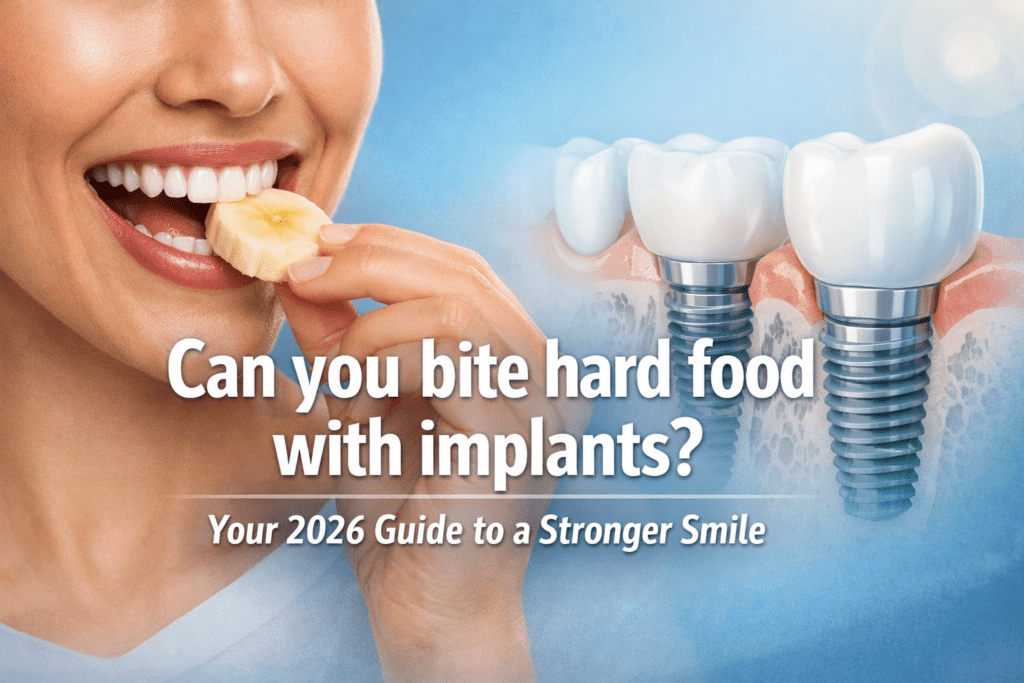
For individuals with missing teeth, dental implants in Dallas offer a life-changing solution, restoring both function and aesthetics. A common and crucial question many patients have is: “Can you bite hard food with implants?” The answer is generally yes, but with important considerations regarding healing time, proper care, and ongoing dietary awareness. While dental implants are designed to be strong and durable, replicating the function of natural teeth, the journey to confidently biting into hard foods requires patience and adherence to your dentist’s guidelines.
Key Takeaways
- During the initial 1-3 month healing period, avoid hard, crunchy, or sticky foods to ensure proper osseointegration [4][5].
- Even after full healing, it’s wise to exercise caution with extremely hard foods like ice or very tough candies to prevent damage [1][5].
- Dental implants are designed for strength, allowing you to gradually reintroduce a wider range of foods after the recommended healing time [7].
- Cutting harder foods into smaller, manageable pieces can help protect your dental implants in the long term [6].
- Regular check-ups and good oral hygiene are essential for the longevity and function of your dental implants.
Can You Bite Hard Food With Implants During the Healing Phase?
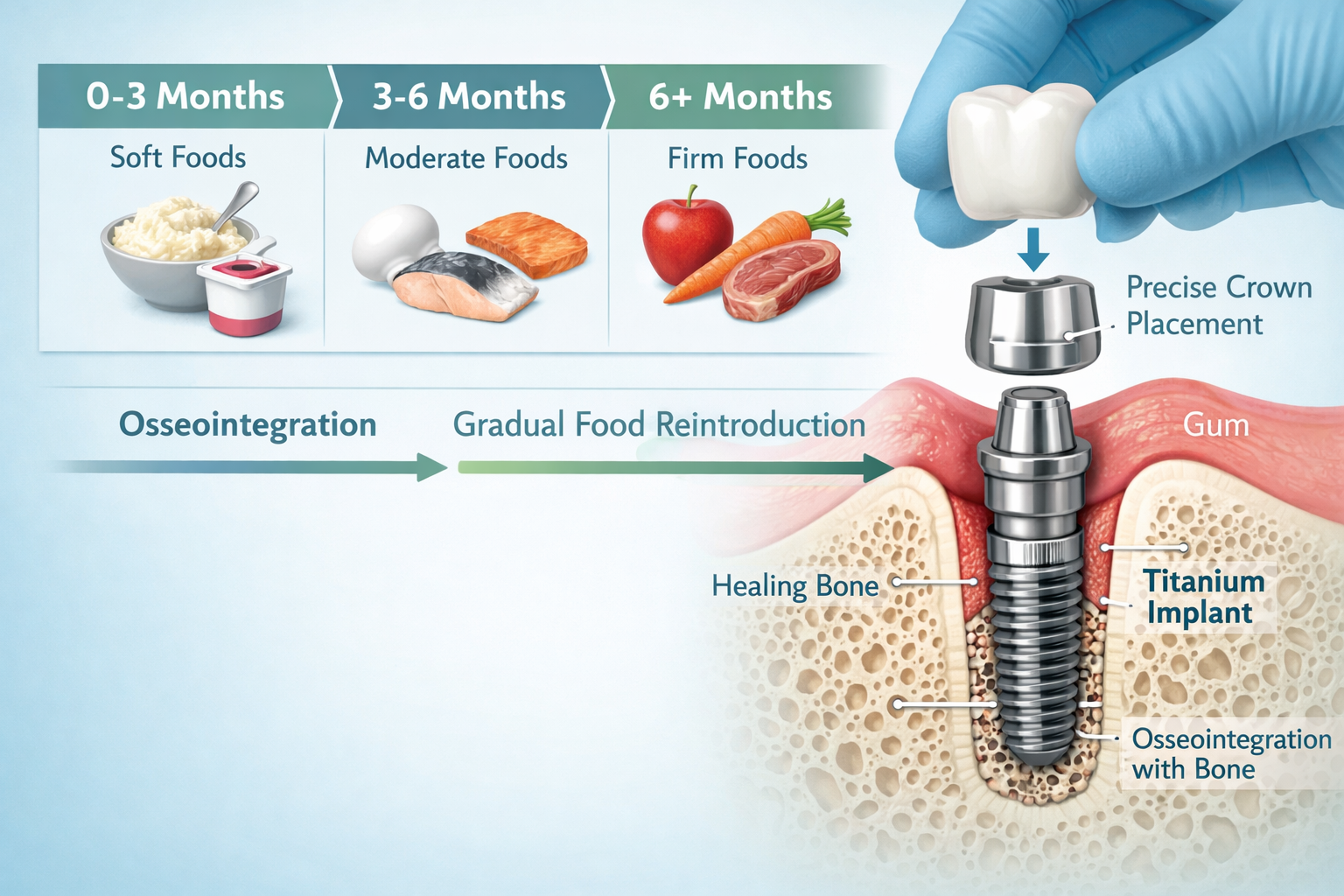
No, you generally cannot bite hard food with implants during the initial healing phase. Immediately following your dental implant surgery, it is crucial to adhere to a diet of soft foods to allow the implant to properly integrate with your jawbone, a process known as osseointegration [4]. This critical period typically lasts between 1 to 3 months, though it can extend longer depending on individual healing rates and the complexity of the procedure [5].
During this initial recovery period, the implant post, which is a small titanium screw, is fusing directly with the bone. Applying excessive force, such as biting hard food directly, can disrupt this delicate process, potentially leading to implant failure, pain, or discomfort [4][5]. It’s essential to protect the surgical site from undue stress.
Why Soft Foods Are Essential After Implant Surgery
- Osseointegration Protection: The titanium implant needs undisturbed time to bond with the jawbone. Hard foods can create micro-movements, hindering or preventing this fusion [4].
- Preventing Damage: Biting down forcefully on hard or crunchy items can damage the surgical site, the temporary crown (if placed), or even the implant itself before it’s fully stable [5].
- Comfort and Pain Management: Chewing hard foods can cause significant discomfort and pain in the tender surgical area. Sticking to soft foods minimizes irritation.
- Reduced Risk of Complications: Avoiding challenging foods lowers the risk of complications such as infection or implant failure, which can lead to further treatment and increased implant cost in Dallas.
What to Avoid During Initial Healing
During the first few weeks, you should strictly avoid a range of foods. These include:
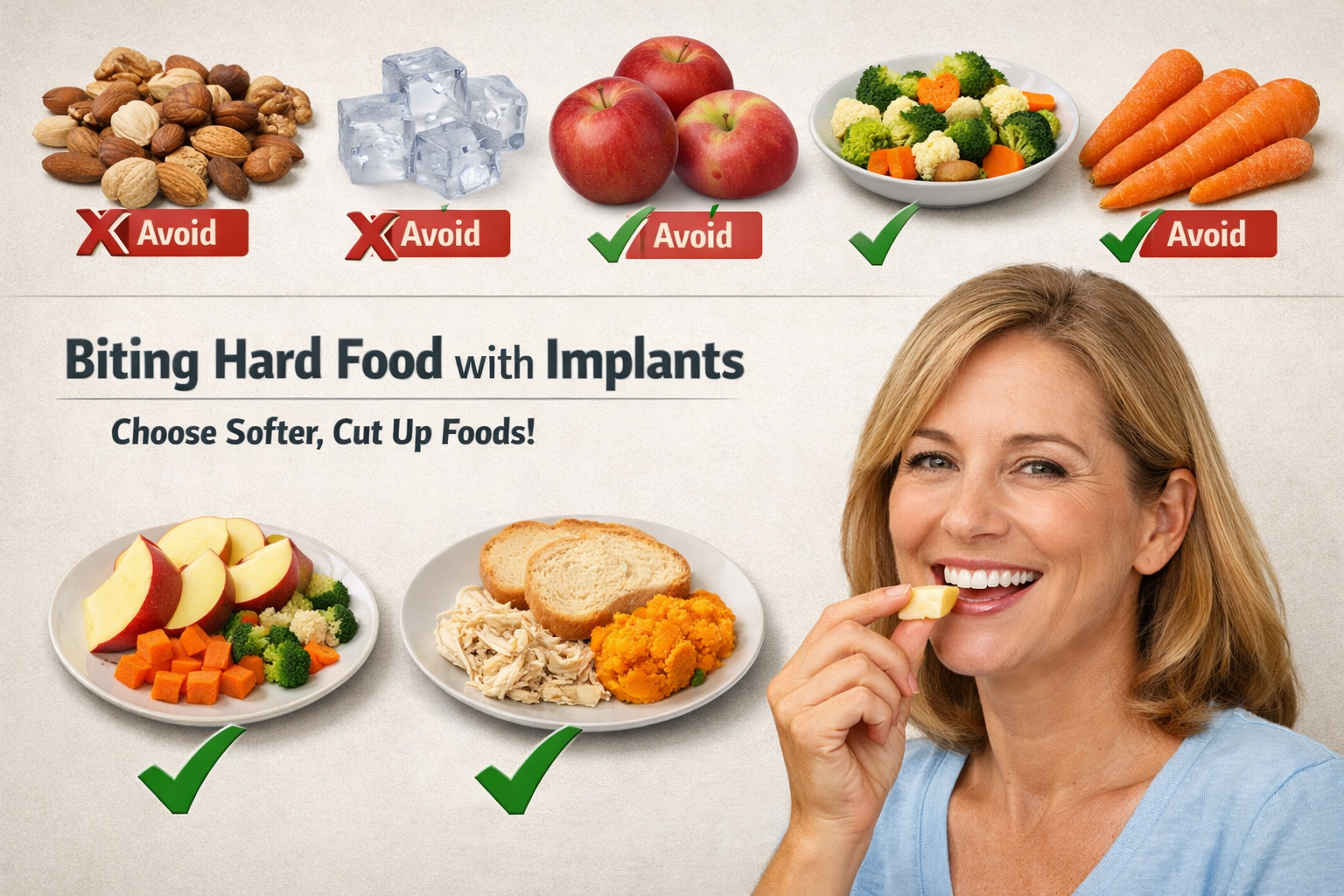
- Hard foods: Nuts, hard candies, ice, popcorn kernels, hard bread crusts [1][4].
- Crunchy foods: Chips, crackers, raw carrots or apples (unless cut into very small pieces and chewed carefully away from the implant site) [1][3].
- Sticky foods: Chewing gum, caramel, sticky candies [1].
- Foods with small seeds: Berries with tiny seeds, poppy seeds, sesame seeds, as these can get trapped and irritate the surgical area [1].
- Extremely hot or cold foods/drinks: While not directly related to biting force, extreme temperatures can cause sensitivity.
Your dentist will provide specific post-operative dietary instructions tailored to your individual dental implant procedure. It’s vital to follow these closely for optimal healing and the long-term success of your new tooth replacement options. If you have questions about specific foods, always consult with your dental professional.
How Long Until You Can Bite Hard Food With Implants?
The timeline for when you can safely bite hard food with implants varies, but generally, patients need to wait a minimum of 3 months, and often up to 6 months, for complete osseointegration before gradually reintroducing tougher foods [4]. While some stability may be achieved earlier, full bone fusion is critical for long-term implant success.
Waiting at least 12 weeks before even attempting to chew tough foods with your implants is often recommended, as the implants have not fully fused with the jawbone before this point [4]. The exact duration depends on several factors, including the individual’s healing capacity, the quality of their bone, the location of the implant, and whether additional procedures like bone grafting were performed. For instance, if you required a bone graft, the bone graft healing for dental implants will add to your overall recovery timeline.
Phases of Dietary Progression
- Immediate Post-Surgery (1-2 weeks): Strictly soft foods and liquids. Think smoothies, yogurt, mashed potatoes, soups, and scrambled eggs [2].
- Early Healing (2 weeks – 3 months): Progress to softer, chewable foods that don’t require heavy biting force. Examples include pasta, cooked vegetables, soft fish, and tender meats cut into small pieces [5].
- Mid-Healing (3-6 months): As osseointegration advances, you can gradually reintroduce a wider variety of foods, carefully testing your comfort levels [5]. Avoid direct biting on hard foods with the implant site.
- Full Integration (6+ months): Once your dentist confirms full osseointegration and the permanent crown is in place, you can typically return to a normal diet, though continued caution with extremely hard or sticky items is always advised [7].
Gradual Reintroduction and Caution
When reintroducing harder foods, do so gradually. Start with items that have some resistance but aren’t excessively hard. For example, instead of biting directly into a whole apple, cut it into small slices [6]. This approach allows your jaw and the surrounding tissues to adapt and helps prevent undue stress on the newly integrated implant. It’s important to listen to your body and avoid any food that causes discomfort. Regular follow-up appointments with your Dallas dental implant specialist are crucial to monitor healing and guide your dietary progression.
Understanding Dental Implant Strength and Durability
Dental implants are renowned for their strength and durability, designed to function much like natural teeth once fully integrated into the jawbone. This robust nature comes from the titanium post, which fuses with the bone, and the high-quality prosthetic crown placed on top.
The remarkable strength of a dental implant stems from a biological process called osseointegration. This is where the titanium implant post becomes a part of your jawbone, creating a stable and lasting anchor [4]. This fusion is what allows dental implants to withstand significant chewing forces. Modern dental implants are engineered with biocompatible materials and advanced designs to maximize this integration and provide a strong foundation for your new tooth.
Components Contributing to Strength
- Titanium Post: Titanium is biocompatible, meaning the body accepts it readily. Its ability to fuse with bone is unmatched, forming an incredibly strong bond that mimics a natural tooth root [4].
- Abutment: This connector piece links the implant post to the crown. It’s typically made of titanium, gold, or zirconia and is designed for strength and a precise fit.
- Prosthetic Crown: The visible part of the implant, the crown, is custom-made from durable materials like porcelain or ceramic, designed to withstand daily chewing forces and blend seamlessly with your natural teeth.
How Implants Compare to Natural Teeth
While dental implants are incredibly strong, it’s important to understand how they compare to natural teeth:
- Natural teeth have a periodontal ligament that provides a slight cushioning effect and sensory feedback, allowing you to feel the pressure when biting. This helps prevent you from biting too hard.
- Dental implants lack this ligament, meaning they have a direct connection to the bone. This offers exceptional stability but less proprioception (the sense of force). Therefore, patients with implants might need to be more mindful of the force they apply, particularly when biting into very hard objects.
Ultimately, once fully healed, well-maintained dental implants can provide chewing efficiency comparable to natural teeth. However, just like natural teeth, they are not indestructible and require mindful care to prevent damage. This is why a consultation with a dentist is always recommended to understand specific guidelines for your situation.
What Foods to Always Approach with Caution (Even After Healing)
Even after your dental implants are fully integrated and you’ve received the green light to resume a normal diet, there are certain hard foods that should always be approached with caution. While implants are strong, consistent exposure to extreme forces can still pose risks to the prosthetic crown, the abutment, or even the implant post itself [1][5]. Think of your dental implants as valuable investments in your oral health; protecting them ensures their longevity.
The goal is to prevent unnecessary wear, chipping, or cracking of the crown, and to avoid putting excessive stress on the underlying implant structure. Long-term restrictions apply even after healing; continued exposure to hard, crunchy foods can crack crowns, damage implant posts, and weaken implant structures over time [1][5].
Specific Foods Requiring Caution
- Ice: Chewing on ice is a common culprit for damaging both natural teeth and dental crowns. Its extreme hardness and coldness can lead to cracks or fractures in implant crowns [1].
- Hard Candies: Items like lollipops, jawbreakers, or other very hard candies can exert immense pressure when bitten directly, risking damage to the implant crown [3].
- Popcorn Kernels: Unpopped kernels are notoriously hard and can easily chip or crack a crown if bitten unexpectedly [1].
- Nuts with Hard Shells: While the nutmeat itself might be fine, attempting to crack a nut shell with your teeth (natural or implanted) is highly discouraged [1].
- Very Hard Bread Crusts: Baguettes or other breads with extremely tough crusts can be challenging. Consider cutting them into smaller, more manageable pieces [6].
- Foods That Require Tearing: Tough meats or bagels might require significant tearing forces that could strain your implants. Cutting these into small, bite-sized pieces is a safer approach.
- Crunchy Snacks: Chips, pretzels, or other crunchy snacks, while generally safe, should be eaten mindfully, especially if they are particularly hard or sharp.
Practical Strategies for Protecting Your Implants
- Cut foods into small pieces: This is perhaps the most important rule. For items like raw apples, carrots, or tough meats, cut them into small, chewable portions rather than biting directly [6].
- Chew carefully: Be mindful of where and how you chew. Distribute chewing forces evenly across all your teeth, including your implants.
- Avoid using implants as tools: Never use your teeth—natural or implanted—to open packages or bottles.
- Regular Dental Check-ups: Consistent visits to your dentist in Dallas allow for professional cleaning and examination of your implants, ensuring any potential issues are caught early.
By being aware of these foods and adopting careful eating habits, you can significantly extend the life of your dental implants and maintain excellent long-term oral health.
The Role of Oral Hygiene in Implant Longevity
Maintaining excellent oral hygiene is paramount for the long-term success and longevity of your dental implants. While implants themselves cannot get cavities, the surrounding gum tissues and bone are susceptible to peri-implantitis, a form of gum disease specific to implants, which can lead to bone loss and potential implant failure if left untreated. Just as with natural teeth, diligent daily care prevents plaque buildup and maintains a healthy environment for your tooth replacement options.
Proper oral hygiene directly impacts how well your implants function and how long they last, including their ability to withstand biting forces. A healthy gum line around your implant helps protect the underlying bone, which is the foundation for the implant’s stability and strength.
Essential Oral Hygiene Practices for Dental Implants
- Brushing Twice Daily: Use a soft-bristled toothbrush and a non-abrasive toothpaste. Brush gently around the implant crown and gum line to remove plaque and food debris. Electric toothbrushes with soft heads can be very effective.
- Daily Flossing: Flossing is crucial for removing plaque from between your teeth and around the implant. Special floss designed for implants, or water flossers, can be particularly effective for reaching areas around the implant post.
- Interdental Brushes: These tiny brushes can clean tight spaces between implants and natural teeth, or under implant-supported bridges, where regular floss might struggle.
- Antiseptic Mouthwash: Your dentist might recommend a non-alcoholic antiseptic mouthwash to help control bacteria and promote gum health, especially if you have a history of gum disease.
- Regular Professional Cleanings: Schedule regular cleanings with a dental hygienist who is experienced in caring for dental implants. They use specialized tools that are safe for implant surfaces and can thoroughly clean areas you might miss. These appointments also allow your dentist to monitor the health of your implants and surrounding tissues.
Why Hygiene Matters for Biting Hard Foods
A healthy gum and bone structure around your implant is what provides its stable foundation. If peri-implantitis develops due to poor hygiene, it can lead to inflammation, gum recession, and ultimately bone loss around the implant. As the bone support weakens, the implant’s stability decreases, making it more vulnerable to stress from biting hard foods and increasing the risk of complications. Therefore, stellar oral hygiene directly contributes to the structural integrity that allows you to confidently use your dental implants for a wide range of foods. For more information on potential issues, you can read about Can Dental Implants Get Infected Years Later?.
When to Consult Your Dentist in Dallas
Knowing when to consult your dentist in Dallas is a critical aspect of managing your dental implants and ensuring their long-term health and function, especially if you’re concerned about biting hard foods. While implants are designed to be durable, certain symptoms or situations warrant immediate professional attention to prevent minor issues from becoming major problems. Your dental implant provider is your best resource for maintaining your oral health education.
It’s better to be proactive than reactive when it comes to dental implant care. If you experience any unusual symptoms or changes, contacting your dentist promptly can save you discomfort, additional procedures, and potentially higher costs down the line.
Signs You Should Contact Your Dentist
- Persistent Pain or Discomfort: While some soreness is normal immediately after surgery, persistent pain, throbbing, or discomfort around the implant site, especially weeks or months later, is a red flag [4].
- Swelling or Redness: Continued or new swelling, redness, or tenderness in the gum tissue around the implant could indicate an infection or inflammation [4].
- Bleeding: If you notice bleeding when brushing or flossing around the implant, or spontaneous bleeding, it’s a sign to seek professional advice. For more details, see our guide on Spitting Blood After Dental Implant: Is It Normal?.
- Implant Looseness: If your implant feels loose, wobbly, or moves when you touch it, this is a serious concern and requires immediate attention. It could indicate a failure of osseointegration or a problem with the abutment or crown.
- Difficulty Chewing: If biting or chewing, even soft foods, becomes difficult or painful, it’s important to have your implant evaluated.
- Crown Damage: If your implant crown chips, cracks, or breaks, your dentist needs to assess and repair or replace it. Continued use of a damaged crown can affect the underlying implant.
- Changes in Bite: Any changes in how your teeth come together, or if your implant feels “high” after it was placed, should be checked by your dentist.
- Unusual Odor or Taste: A persistent bad taste or odor from around the implant area can be a sign of infection.
The Importance of Regular Check-ups
Beyond specific concerns, regular dental implant follow-up appointments are crucial. These visits allow your dentist to:
- Monitor Osseointegration: Check the stability and health of your implant.
- Assess Gum Health: Screen for signs of peri-implantitis or other gum issues.
- Evaluate Crown Integrity: Ensure your prosthetic crown is in good condition and fits properly.
- Review Oral Hygiene: Provide guidance and tips for effective home care.
- Address Biting Concerns: Discuss your comfort level with different foods and provide personalized advice on what you can bite hard food with implants.
If you are experiencing any of these symptoms or have questions about your dental implants in Dallas, do not hesitate to schedule a consultation with a dentist. Early intervention can prevent minor issues from becoming complex and costly problems. For more information, you can explore our resources on finding Top 10 Dental Implant Specialists Dallas TX.
Frequently Asked Questions About Biting Hard Food with Implants
1. Can I eat steak with dental implants?
Yes, you can typically eat steak with dental implants once they are fully healed and your permanent crown is in place. However, it’s advisable to cut the steak into smaller, manageable pieces to avoid excessive tearing forces, which can put undue stress on your implants [6].
2. Is there anything I can never eat with dental implants?
While dental implants are very strong, it’s generally recommended to always exercise caution with extremely hard or sticky items such as ice, very hard candies (like jawbreakers), popcorn kernels, and certain nuts that require cracking shells [1][5]. These can potentially chip or crack your implant crown or put excessive pressure on the implant.
3. How soon after implant surgery can I chew normally?
Normal chewing, especially involving tougher foods, can typically resume after 3 to 6 months, once the implant has fully integrated with the jawbone (osseointegration) and your permanent crown is placed [4]. Your dentist will provide specific guidance based on your individual healing process.
4. What happens if I bite something hard too soon after getting an implant?
Biting something hard too soon can disrupt the osseointegration process, where the implant fuses with your jawbone. This can lead to implant movement, pain, infection, or even implant failure, requiring further treatment [4][5].
5. Do dental implants feel like natural teeth when chewing?
Once fully integrated and healed, dental implants can feel very similar to natural teeth when chewing. They provide a stable and strong foundation, allowing for efficient biting and chewing [7]. However, they lack the periodontal ligament of natural teeth, meaning you may not have the same subtle sensory feedback when biting down very hard.
6. Can I bite an apple with a dental implant?
After your dental implants are fully healed and have their permanent crowns, you can generally eat an apple. However, to protect your implant, it’s often recommended to cut the apple into slices rather than biting directly into the whole fruit [6].
7. Does chewing hard food damage the implant itself or just the crown?
Chewing excessively hard food primarily risks damaging the prosthetic crown, which can chip, crack, or become loose [1][5]. However, sustained or extreme force can also put stress on the abutment and, in rare cases, the implant post, potentially leading to complications or even implant failure, especially if osseointegration is not complete.
Conclusion
The ability to confidently bite into a wide range of foods is one of the significant benefits of choosing dental implants as a tooth replacement option. While the answer to “Can you bite hard food with implants?” is ultimately yes, it comes with important caveats. The success and longevity of your dental implants heavily depend on careful adherence to post-operative instructions during the crucial healing period and a mindful approach to your diet even after full integration.
During the initial 1-3 months post-surgery, a soft food diet is essential to allow for undisturbed osseointegration [4][5]. Once healed and your permanent crown is in place, you can gradually reintroduce harder foods, but always with caution. Extremely hard items like ice or very tough candies should be minimized, and cutting foods into smaller pieces is a smart habit to adopt [1][6].
Ultimately, dental implants are a robust and long-lasting solution for missing teeth, designed to restore your ability to eat, speak, and smile with confidence. By following your dentist’s guidance, maintaining excellent oral hygiene, and being mindful of your dietary choices, you can protect your investment and enjoy the full benefits of your dental implants for many years to come. If you are considering dental implants in Dallas or have questions about caring for existing ones, a consultation with a dentist is always the best next step to ensure optimal oral health and informed decision-making.
Key Takeaways
- During the initial healing phase (1-3 months), strictly adhere to a soft food diet to support osseointegration and prevent complications [4][5].
- Once fully healed and with permanent crowns, dental implants allow for eating most foods, but continued caution with extremely hard items (e.g., ice, hard candies) is advised [1][7].
- Gradually reintroduce harder foods, cutting them into smaller pieces to reduce direct biting pressure on implants [5][6].
- Dental implants are exceptionally strong due to titanium’s fusion with the jawbone, providing stability similar to natural teeth [4].
- Consistent oral hygiene, including brushing, flossing, and regular professional cleanings, is crucial for preventing peri-implantitis and maintaining implant longevity.
- Any persistent pain, swelling, looseness, or damage to your implant or crown should prompt an immediate consultation with your Dallas dental professional.
- Understanding the dental implant procedure and committing to proper care ensures the best long-term outcome for your oral health and chewing function.
References
[1] Foods Not To Eat With Dental Implants – https://www.drdaynes.com/blog/foods-not-to-eat-with-dental-implants/
[2] Dental Implant Recovery Soft Foods Guide – https://www.diamondfamilydental.net/dental-implant-recovery-soft-foods-guide/
[3] Foods Not To Eat With Dental Implants New York Ny Near You – https://www.artofdentistryny.com/foods-not-to-eat-with-dental-implants-new-york-ny-near-you/
[4] Guide To Eating After Getting Dental Implants – https://okcoms.com/blog/guide-to-eating-after-getting-dental-implants/
[5] Guide To Eating After Dental Implants – https://foothilldentalimplants.com/blog/guide-to-eating-after-dental-implants/
[6] What You Can And Cannot Eat With Dental Implants – https://www.drbowyer.com/blog/what-you-can-and-cannot-eat-with-dental-implants/
[7] Watch Out For These Foods To Avoid After Dental Implants – https://www.nuviasmiles.com/blog/watch-out-for-these-foods-to-avoid-after-dental-implants
[8] Can Dental Implants Let You Eat Without Restrictions – https://www.firsthilldentalcenter.com/dental-implant/can-dental-implants-let-you-eat-without-restrictions/
[9] What Can I Eat And Avoid After A Root Canal – https://dentonsmilesdentistry.com/what-can-i-eat-and-avoid-after-a-root-canal/
Leave a Reply
Share your thoughts or ask a question about dental implants. Your email address will not be published.