

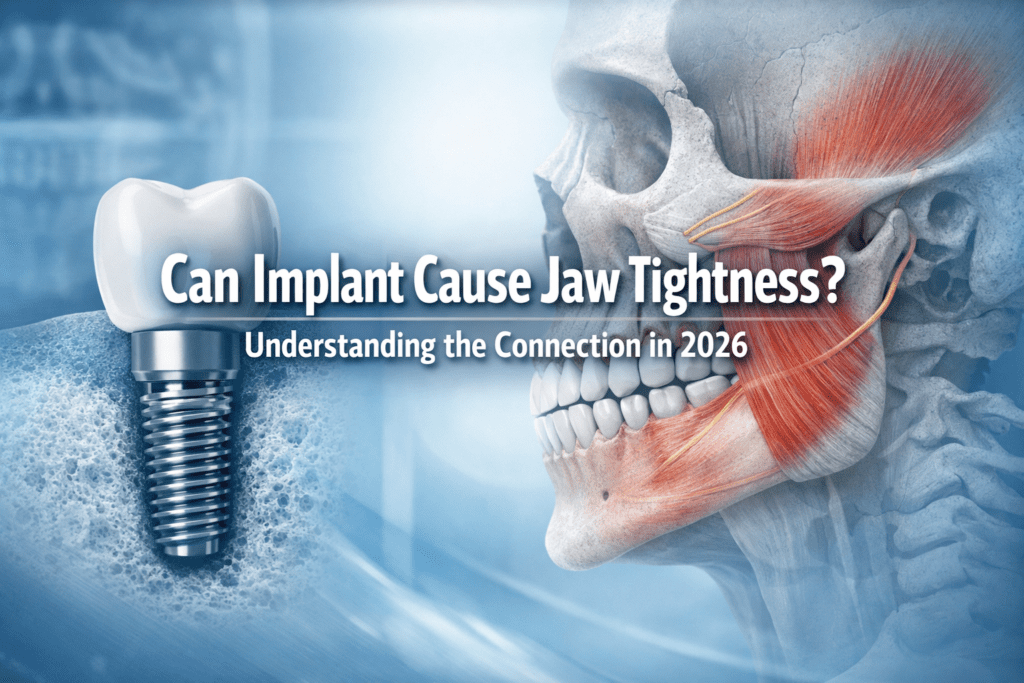
Experiencing jaw tightness after a dental implant procedure can be a concerning symptom, leaving many wondering if their new tooth replacement is the cause. While dental implants are a highly effective and safe solution for missing teeth, occasional jaw discomfort, including tightness, can arise. This article will explore the various reasons why you might experience jaw tightness following an implant, differentiate between normal post-operative sensations and potential complications, and guide you on when to seek professional advice, especially for dental implants in Dallas.
Key Takeaways
- Jaw tightness after a dental implant can be a normal, temporary post-operative symptom due to muscle strain or swelling.
- Persistent or severe jaw tightness, especially if accompanied by pain or clicking, may indicate a temporomandibular joint (TMJ) issue or other complication.
- Factors such as extended jaw opening during surgery, pre-existing TMJ disorders, implant position, or bruxism can contribute to jaw tightness.
- Proper post-operative care, including rest, soft foods, and pain management, is crucial for minimizing discomfort.
- If jaw tightness doesn’t improve or worsens after the initial healing period, consult your dental implant specialist in Dallas for an evaluation.
- A dental implant night guard can be an effective preventative measure if bruxism is a contributing factor to jaw tightness.
- Early identification and treatment of the underlying cause are vital for successful healing and long-term oral health.
- Choosing an experienced dental professional for your dental implant procedure can minimize risks and complications.
Quick Answer
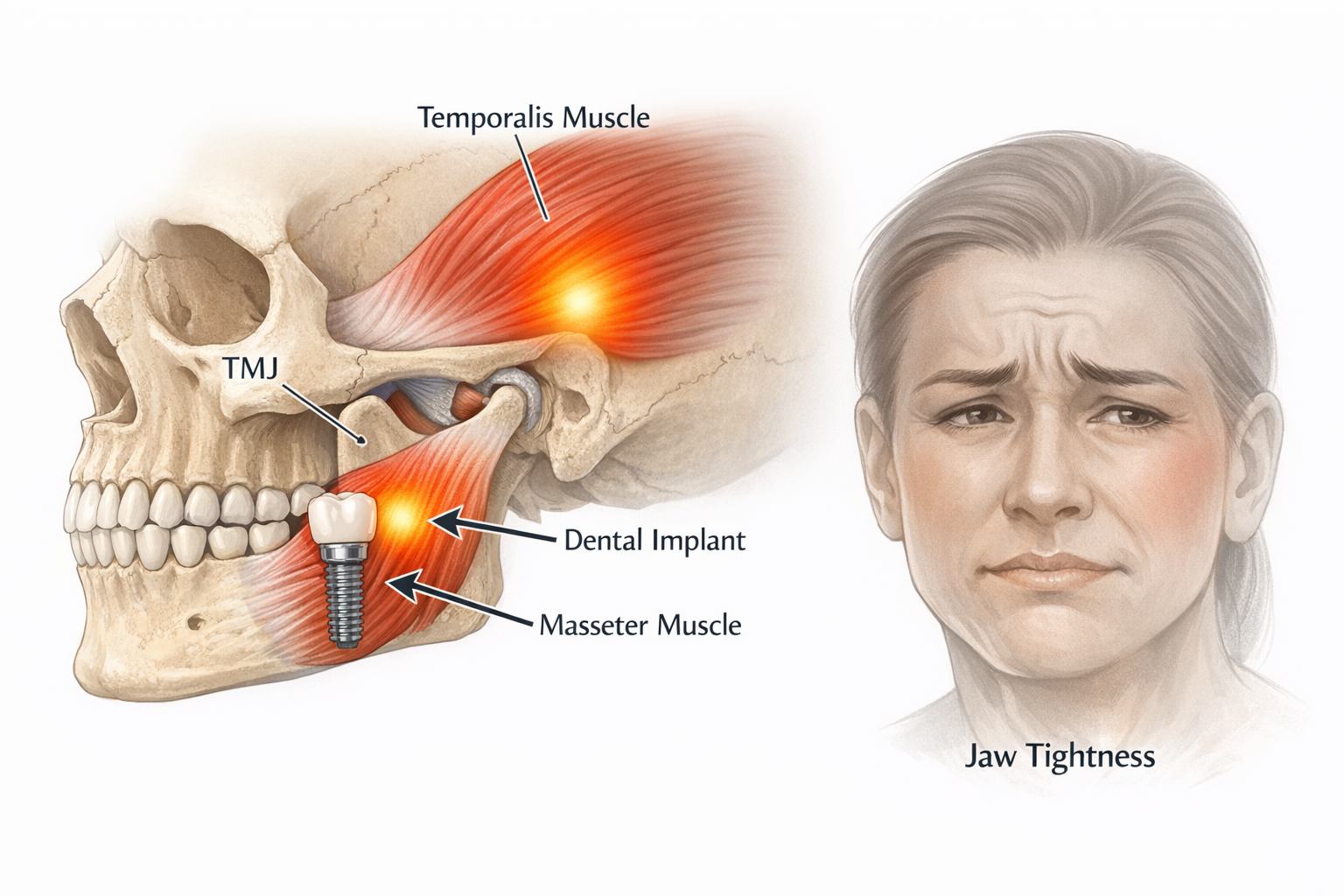
Yes, a dental implant can cause jaw tightness, though it is often a temporary and normal response to the procedure. This tightness typically stems from the jaw muscles being held open for an extended period during implant surgery or from inflammation and swelling in the surrounding tissues. If the tightness persists, worsens, or is accompanied by severe pain, it could indicate a more significant issue, such as a temporomandibular joint (TMJ) disorder or an improperly placed implant, requiring professional evaluation.
Can a Dental Implant Cause Jaw Tightness?
A dental implant can indeed cause jaw tightness, primarily as a transient post-operative symptom. This initial tightness is usually a direct result of the implant surgery process itself. The jaw muscles, known as masticatory muscles (like the masseter and temporalis), can become strained from being held open during the procedure or from the trauma and inflammation in the surgical area.
Understanding Post-Operative Jaw Tightness
Following any oral surgery, including a dental implant procedure, it’s common to experience some degree of discomfort, swelling, and muscle stiffness. This is part of the body’s natural healing response. The muscles around the jaw may feel tight or sore, making it difficult to open your mouth wide. This sensation is often likened to muscle fatigue after a strenuous workout.
- Muscle Strain: During the dental implant procedure, your mouth needs to be held open for an extended period, sometimes for an hour or more, depending on the complexity of the implant surgery process. This sustained open position can strain the jaw muscles, leading to soreness and tightness post-surgery.
- Inflammation and Swelling: The surgical site will experience some inflammation and swelling as part of the normal healing process. This swelling can extend to the surrounding soft tissues and muscles, contributing to a feeling of tightness in the jaw.
- Anesthesia Effects: While local anesthesia numbs the area, the injection itself can sometimes cause temporary muscle soreness or stiffness.
- Protective Spasm: The jaw muscles may involuntarily tense up as a protective mechanism in response to perceived trauma, which can result in tightness.
Typically, this initial post-operative jaw tightness should subside within a few days to a week as the swelling reduces and the muscles recover. If the tightness is severe, interferes significantly with eating or speaking, or does not improve over time, it warrants further investigation by your dental professional.
How Dental Implant Procedures May Affect Jaw Muscles
The precise nature of dental implant placement involves manipulating the jawbone and surrounding tissues, which can inadvertently impact the delicate balance of the jaw muscles and temporomandibular joint (TMJ). Even with careful technique, the surgical process can create conditions that lead to jaw tightness.
The Surgical Impact on Masticatory Muscles
Dental implant surgery requires the dental surgeon to access the jawbone to precisely place the titanium implant post. This process, especially when involving bone grafting or multiple implants, can influence the muscle groups responsible for jaw movement.
- Extended Mouth Opening: As mentioned, maintaining an open mouth during the implant surgery process can stretch and fatigue the muscles, similar to how other muscles feel after prolonged exertion. This can lead to a condition known as trismus, or reduced jaw opening.
- Nerve and Tissue Manipulation: While rare, slight irritation or compression of nerves or soft tissues during surgery can lead to altered muscle function and subsequent tightness. Modern techniques, such as 3D guided implant surgery used by many Dallas TX dentists, help minimize these risks by improving precision [5].
- Changes in Occlusion (Bite): Although the final crown is placed after healing, even temporary changes to your bite during the implant placement phase or immediately after can trigger muscle guarding, leading to jaw tightness. It’s crucial for your dentist to ensure proper bite alignment once the permanent crown is placed to avoid long-term issues.
It’s important to differentiate between temporary surgical discomfort and persistent, problematic jaw tightness. Your dental implant specialist in Dallas will monitor your healing process and address any concerns regarding muscle function. For information on post-operative care, you might find our guide on Dental Implant Complications Dallas helpful.
Can Implant Placement Affect Your TMJ?
Yes, the placement of a dental implant can sometimes affect your temporomandibular joint (TMJ), which connects your jawbone to your skull. While not a direct cause, the surgical process or subsequent changes to your bite can exacerbate pre-existing TMJ issues or, in rare cases, contribute to new symptoms like jaw tightness, pain, or clicking sounds in the joint.
Understanding the TMJ Connection
The TMJ is a complex joint, and any disruption to its delicate balance can lead to disorders (TMDs). While dental implant procedures are generally safe and beneficial, their potential impact on the TMJ should not be overlooked, particularly if a patient has a history of TMJ issues [2].
- Pre-existing TMJ Disorders: Individuals with a history of TMJ disorders are more susceptible to experiencing exacerbated symptoms, including jaw tightness, after oral surgery. The stress of the procedure and prolonged mouth opening can trigger a flare-up. It’s vital to inform your dentist about any TMJ history during your initial consultation with a dentist.
- Changes in Bite Alignment (Occlusion): Although a primary benefit of dental implants is restoring proper bite function, an improperly aligned implant crown or prosthesis can alter your bite. Even a subtle change can create uneven pressure on your TMJ, leading to muscle strain, discomfort, and jaw tightness. This is why precise restorative work and regular follow-up appointments are critical.
- Clenching and Grinding (Bruxism): If the new implant or crown feels slightly “off,” some individuals may subconsciously clench or grind their teeth (bruxism), especially at night. Bruxism puts immense stress on the TMJ and masticatory muscles, resulting in significant jaw tightness and pain. A dental implant night guard is often recommended in such cases to protect the implant and alleviate TMJ strain.
- Surgical Trauma: While rare, direct trauma or prolonged retraction of tissues near the joint during surgery could potentially irritate the TMJ, leading to temporary symptoms.
If you suspect your jaw tightness or other symptoms are related to your TMJ following an implant, it’s crucial to seek professional evaluation. Early diagnosis and intervention can prevent chronic issues and ensure the long-term success of your tooth replacement options.
When Is Jaw Tightness a Concern After an Implant?
While some temporary jaw tightness is normal after dental implant surgery, persistent, severe, or worsening symptoms should be considered a concern and prompt a visit to your dental professional. Differentiating between normal healing discomfort and a potential complication is key for patient safety and successful outcomes.
Red Flags and When to Seek Help
It’s essential to monitor your symptoms closely during the recovery period for dental implants. While minor discomfort is expected, certain signs suggest that your jaw tightness might be more than just a passing post-operative sensation.
- Persistent or Worsening Tightness: If the jaw tightness does not improve after the first week, or if it progressively worsens, it’s a cause for concern. Normal post-surgical tightness should gradually diminish.
- Severe Pain: While some pain is expected, intense or unbearable pain that isn’t managed by prescribed pain medication, especially if it concentrates around the implant site or radiates to the ear, head, or neck, needs immediate attention.
- Difficulty Opening Mouth (Trismus): If you find it increasingly difficult to open your mouth wide enough to eat, speak, or maintain oral hygiene, this severe form of jaw tightness, known as trismus, requires professional evaluation [6].
- Clicking, Popping, or Grinding Sounds: New or exacerbated sounds from your TMJ when opening or closing your mouth, especially if accompanied by pain, can indicate TMJ dysfunction.
- Changes in Bite: If your teeth no longer fit together comfortably after the initial healing and prosthetic placement, or if you feel uneven pressure, this can contribute to jaw tightness and needs adjustment.
- Swelling or Redness Beyond the First Few Days: While initial swelling is normal, prolonged or increasing swelling, especially with redness or warmth, could indicate infection. For more details on warning signs, refer to our article on Dental Implant Failure Symptoms.
- Fever or Malaise: Systemic symptoms like fever, chills, or a general feeling of being unwell are clear indicators of a potential infection or other complication requiring urgent dental care.
If you experience any of these symptoms after receiving dental implants in Dallas, contact your dental implant specialist immediately. Early intervention is crucial to address potential issues and ensure your long-term oral health.
Causes of Jaw Tightness Unrelated to Implants
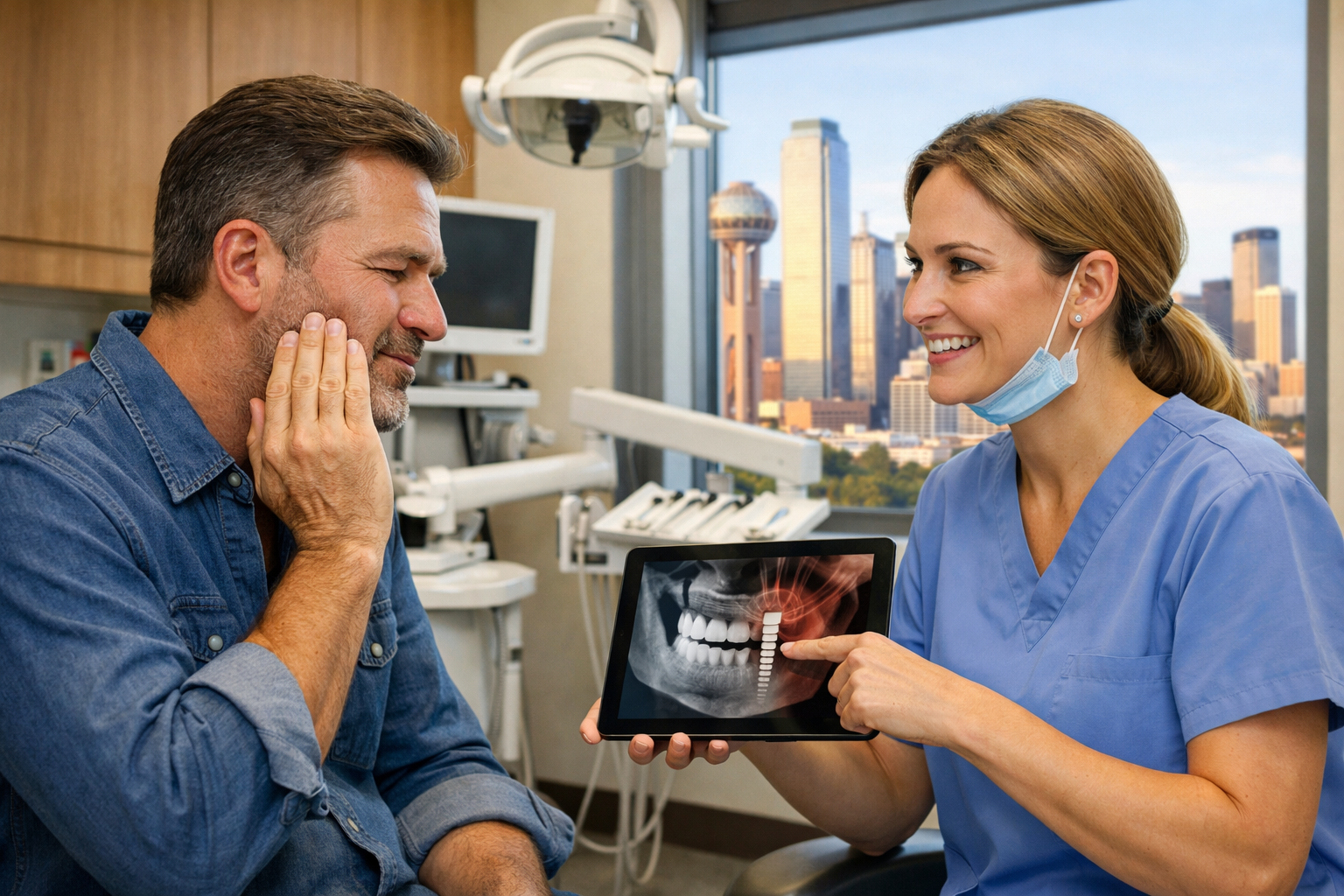
It’s important to remember that jaw tightness can stem from various causes completely unrelated to a dental implant procedure. When assessing discomfort, your dentist will consider both implant-specific factors and broader oral health conditions.
Common Non-Implant Related Causes of Jaw Tightness
Even if you’ve recently had a dental implant, persistent jaw tightness might be due to underlying conditions or habits that existed beforehand or developed independently.
- Temporomandibular Joint Disorder (TMD): TMDs are a common cause of jaw tightness, pain, and dysfunction. These can be caused by stress, teeth grinding, arthritis, or injury to the jaw joint. The implant procedure might simply exacerbate a pre-existing, undiagnosed TMD [2].
- Bruxism (Teeth Grinding or Clenching): Habitual grinding or clenching of teeth, often occurring subconsciously during sleep, places immense stress on the jaw muscles and TMJ, leading to chronic tightness, headaches, and tooth wear. This is a significant factor, whether you have implants or not.
- Stress and Anxiety: Psychological stress often manifests as physical tension, including clenching the jaw muscles. This can lead to chronic jaw tightness and pain.
- Myofascial Pain Syndrome: This chronic pain disorder affects the muscles and fascia (the connective tissue that covers muscles). Trigger points in jaw muscles can cause referred pain and tightness.
- Dental Malocclusion (Bad Bite): An uneven bite, whether natural or due to other dental work (not the implant itself), can cause compensatory muscle strain leading to tightness.
- Other Dental Procedures: Other recent dental work, such as fillings, crowns on natural teeth, or root canals, could also contribute to temporary jaw discomfort.
- Oral Habits: Chewing gum excessively, biting nails, or holding objects between your teeth can overwork jaw muscles.
- Systemic Conditions: Certain medical conditions, like fibromyalgia or some autoimmune diseases, can present with musculoskeletal pain, including jaw tightness.
A comprehensive evaluation by your dentist is essential to accurately diagnose the cause of your jaw tightness. They will consider your medical history, oral habits, and the specifics of your dental implant to determine the best course of action.
Managing and Preventing Jaw Tightness After Implants
Managing and preventing jaw tightness after a dental implant involves a combination of diligent post-operative care, lifestyle adjustments, and professional guidance. The goal is to facilitate comfortable healing and ensure the long-term success of your implant.
Strategies for Relief and Prevention
Effective strategies can significantly reduce the likelihood and severity of jaw tightness, contributing to a smoother recovery for your dental implants in Dallas.
- Follow Post-Operative Instructions Carefully: Adhere strictly to your dentist’s instructions regarding medication, diet, and oral hygiene. This is the first line of defense against complications.
- Pain Management: Take prescribed pain relievers and anti-inflammatory medications as directed to control discomfort and reduce swelling, which can alleviate muscle tension.
- Soft Diet: Stick to soft foods for the recommended period. Chewing hard or chewy foods can strain jaw muscles and the healing implant site.
- Rest: Allow your body ample time to rest and recover. Avoid strenuous activities that might put pressure on your jaw.
- Apply Cold and Warm Compresses:
- Cold Compress: Apply an ice pack to the outside of your jaw in the first 24-48 hours to reduce swelling and numb the area.
- Warm Compress: After the initial swelling subsides (usually after 48 hours), warm compresses can help relax tight muscles and improve blood circulation.
- Gentle Jaw Exercises: Your dentist might recommend gentle jaw stretching exercises once appropriate, to help restore normal range of motion and prevent stiffness. Do not attempt these without professional guidance, especially during the initial healing phase.
- Practice Stress Reduction: If stress contributes to jaw clenching, consider relaxation techniques like meditation, deep breathing exercises, or gentle yoga to reduce overall muscle tension.
- Wear a Night Guard (if prescribed): If bruxism (teeth grinding or clenching) is identified as a factor, a custom-fitted dental implant night guard can protect your implant, natural teeth, and TMJ from excessive forces, preventing jaw tightness.
- Maintain Excellent Oral Hygiene: Keeping the implant site clean prevents infection, which can cause pain and inflammation that contribute to tightness. Our guide on All-on-4 Dental Implant Cleaning Routine offers comprehensive tips.
- Regular Follow-up Appointments: Attend all scheduled follow-up appointments with your dental implant specialist in Dallas. These visits are crucial for monitoring healing, checking your bite, and addressing any emerging concerns like persistent jaw tightness. For more, see Dallas Dental Implant Follow-Up.
- Avoid Excessive Jaw Movement: During the initial recovery, try to limit wide yawning, extensive talking, or other activities that put undue strain on your jaw.
By actively participating in your recovery and communicating openly with your dental team, you can effectively manage and prevent jaw tightness, contributing to a comfortable and successful outcome for your dental implant.
The Importance of Professional Consultation in Dallas, TX
When experiencing jaw tightness or any unusual symptoms after a dental implant, professional consultation with an experienced dental implant specialist in Dallas, TX, is paramount. Self-diagnosis and delayed treatment can lead to more significant complications and compromise the long-term success of your tooth replacement.
Why Expert Evaluation is Crucial
A skilled dental professional can accurately diagnose the cause of your jaw tightness and recommend the most appropriate and effective treatment plan. Choosing the right expert is a key step in ensuring patient safety and optimal results for dental implants in Dallas.
- Accurate Diagnosis: Only a qualified dentist or oral surgeon can determine if your jaw tightness is a normal post-surgical reaction, a sign of TMJ dysfunction, an issue with the implant itself, or an unrelated condition. They have the expertise and diagnostic tools, such as X-rays or 3D scans, to pinpoint the exact cause.
- Personalized Treatment Plan: Based on the diagnosis, your dental professional can tailor a treatment plan specifically for your needs. This might involve adjusting your bite, prescribing specific exercises, recommending a night guard, or, in rare cases, suggesting revision dental implant surgery.
- Preventing Complications: Early intervention is critical. Ignoring persistent jaw tightness can lead to chronic pain, further TMJ damage, or even impact the integration of your dental implant. Addressing issues promptly ensures long-term oral health.
- Ensuring Implant Longevity: Proper care and management of any post-operative issues contribute directly to the successful integration and longevity of your dental implants. An expert ensures your implant investment is protected.
- Peace of Mind: Experiencing discomfort after surgery can be stressful. A professional consultation provides reassurance, answers your questions, and guides you through the recovery process with confidence.
If you are experiencing jaw tightness or any other concerns after your dental implant procedure, do not hesitate to schedule a follow-up with your dental implant specialist in Dallas. Their expertise is invaluable in navigating your recovery and safeguarding your smile. For help finding the right professional, consult our guide on How to Choose a Dental Implant Dentist Near You.
FAQs
Is it normal to have a tight jaw after implant surgery?
Yes, it is often normal to experience some jaw tightness or stiffness after dental implant surgery. This is typically due to the muscles being held open for an extended period during the procedure and general post-operative swelling and inflammation. It should gradually improve within a few days to a week.
How long does jaw tightness last after a dental implant?
For most patients, post-operative jaw tightness from a dental implant should subside within 3-7 days as initial swelling goes down and muscles recover. If it persists beyond this period or worsens, it’s advisable to consult your dentist.
Can a dental implant cause TMJ problems?
While dental implants themselves typically don’t cause TMJ problems, the surgical procedure can exacerbate pre-existing TMJ disorders, and an improperly aligned implant crown can alter your bite, potentially leading to TMJ pain and jaw tightness.
What helps with jaw tightness after oral surgery?
Applying cold compresses initially (first 24-48 hours) and then warm compresses, taking prescribed pain relievers and anti-inflammatory medications, eating a soft diet, and avoiding excessive jaw movement can help alleviate jaw tightness after oral surgery. Gentle jaw exercises may be recommended by your dentist once appropriate.
Should I be worried about jaw pain after a dental implant?
Mild to moderate jaw pain is normal after a dental implant. However, if the pain is severe, persistent, worsening, or accompanied by symptoms like fever, difficulty opening your mouth, or new clicking/popping sounds, you should contact your dental implant specialist immediately.
Can teeth grinding affect my dental implant?
Yes, teeth grinding (bruxism) can significantly affect your dental implant by placing excessive stress on the implant, the surrounding bone, and your jaw muscles. This can lead to jaw tightness, implant complications, or even failure over time. A night guard is often recommended to protect implants if you grind your teeth.
What are the signs of dental implant complications?
Signs of dental implant complications include persistent severe pain, significant swelling beyond the initial few days, pus or discharge, numbness, fever, implant mobility, or the implant feeling “off” or uncomfortable in your bite. Jaw tightness that doesn’t resolve or worsens can also be a sign.
Conclusion
The journey to restoring a missing tooth with a dental implant in Dallas is a significant step towards enhancing your long-term oral health. While some degree of jaw tightness is a common and usually temporary side effect of the procedure, understanding its potential causes and knowing when to seek professional help is vital. Whether it’s a normal muscle reaction, an exacerbation of a pre-existing TMJ condition, or a sign of an underlying issue, prompt and informed action ensures the best possible outcome.
At Dental Implant Education – Dallas TX, we emphasize patient-first care and comprehensive oral health education. If you’re experiencing persistent jaw tightness or any other concerns after your dental implant procedure, we strongly encourage you to schedule a consultation with a dentist. An expert evaluation can accurately diagnose the cause, provide tailored solutions, and help safeguard your investment in your smile. By working closely with your dental professional, you can navigate your recovery confidently and enjoy the full benefits of your new tooth replacement.
References
[1] File – https://journals.plos.org/plosone/article/file?type=printable&id=10.1371%2Fjournal.pone.0340355 (2025)
[2] Pmc12818635 – https://pmc.ncbi.nlm.nih.gov/articles/PMC12818635/ (2025)
[3] Whats New In Dental Implants For 2025 – https://www.coastaldental.com.au/whats-new-in-dental-implants-for-2025/ (2025)
[4] Clinical Study January 2026 Patient Perspectives On Immediate Zirconia Implant Therapy – https://www.swissdentalsolutions.com/us/blog/clinical-study-january-2026-patient-perspectives-on-immediate-zirconia-implant-therapy (2026)
[5] The Implant Surge In 2026 And What It Means For Missing Tooth Solutions – https://trinitydentalcares.com/the-implant-surge-in-2026-and-what-it-means-for-missing-tooth-solutions/ (2026)
[6] Dental Implant Risks Complications In 2026 – https://www.oceanicdental.com/resource/dental-implant-risks-complications-in-2026 (2026)
[7] Eastman Institute Awarded 2 9 Million To Study Dental Implant Failures – https://www.urmc.rochester.edu/news/story/eastman-institute-awarded-2-9-million-to-study-dental-implant-failures (2024)
[8] Pmc12896764 – https://pmc.ncbi.nlm.nih.gov/articles/PMC12896764/ (2025)
Leave a Reply
Share your thoughts or ask a question about dental implants. Your email address will not be published.