

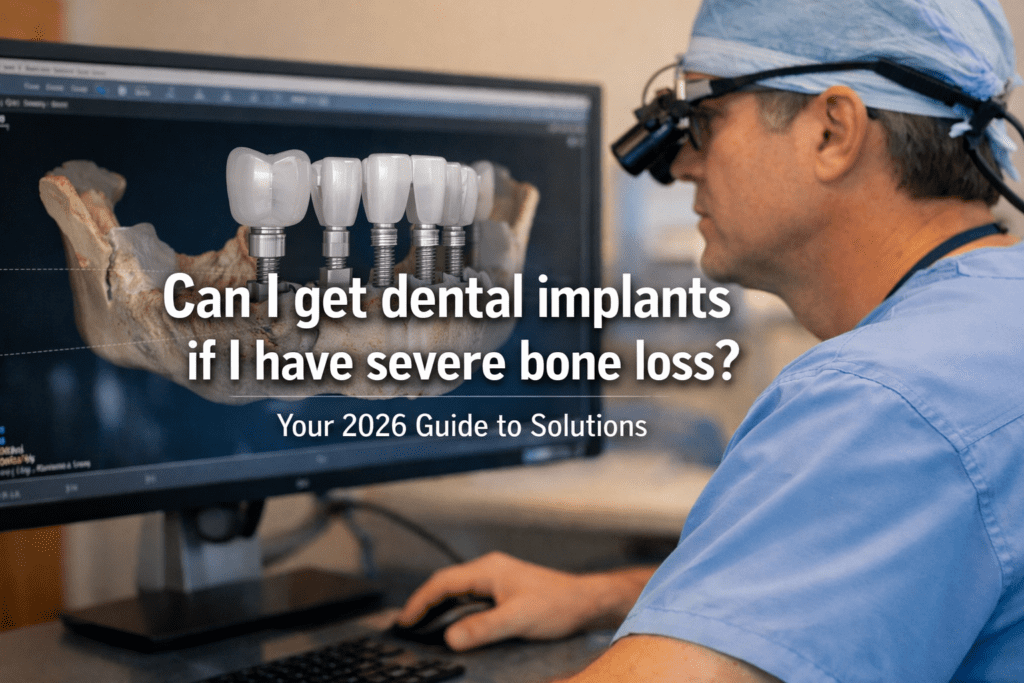
Many individuals facing significant tooth loss or long-term denture wear often wonder, “Can I get dental implants if I have severe bone loss?” The reassuring answer is that in most cases, yes, you can. While severe bone loss in the jaw can complicate the placement of conventional dental implants, advancements in dental technology and surgical techniques offer multiple effective solutions. This article will explore how dental implants in Dallas can still be a viable and long-lasting tooth replacement option, even with compromised bone density, and what steps are involved in achieving a stable, healthy smile.
Key Takeaways
- Severe bone loss does not automatically disqualify you from receiving dental implants.
- Bone grafting is a highly effective procedure to rebuild jawbone volume, making implant placement possible.
- Specialized implant techniques like zygomatic implants or All-on-4 can bypass the need for extensive bone grafting in certain cases.
- Success rates for dental implants, even with augmentation, are very high, often comparable to those placed in native bone.
- A thorough consultation with an experienced dental implant specialist in Dallas is essential to determine the best approach for your unique oral health needs.
- Early intervention and professional guidance are key to successful long-term oral health and considering missing teeth solutions.
- The overall dental implant procedure may involve additional steps and healing time when bone loss is present.
Quick Answer
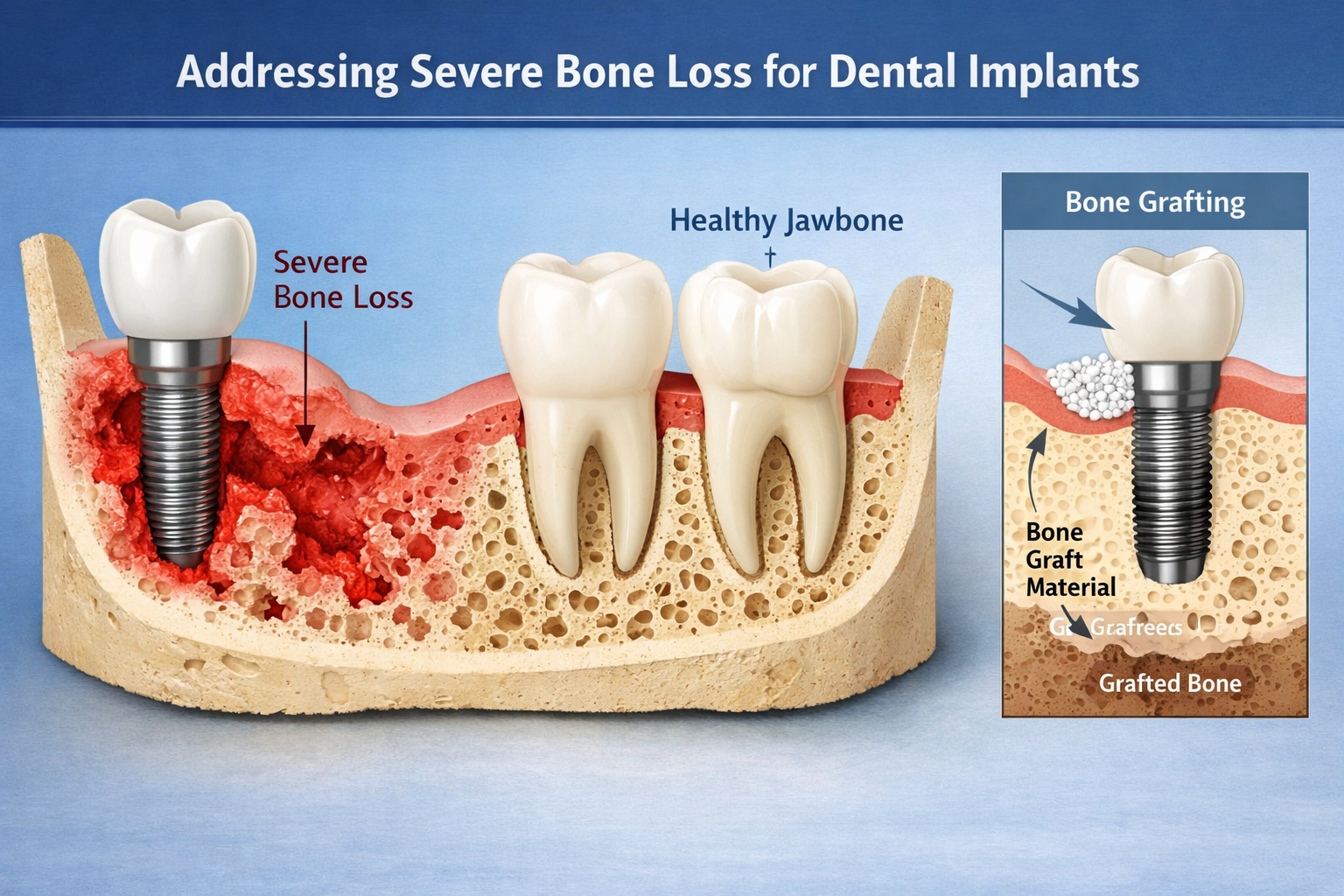
Yes, you can often get dental implants even with severe bone loss, thanks to modern dental advancements. Procedures like bone grafting, where bone material is added to rebuild the jaw, or specialized implants such as zygomatic implants, which anchor into stronger cheekbones, are highly effective solutions. A detailed assessment by a qualified dental implant specialist is crucial to determine the most suitable treatment plan for your specific condition.
Understanding Bone Loss and Dental Implants
Bone loss in the jaw is a common issue that often arises after tooth extraction or due to conditions like periodontal disease. When a tooth is lost, the jawbone beneath it no longer receives the stimulation it needs from chewing, leading to a process called resorption, where the bone gradually shrinks. This reduction in bone volume can make it challenging to place conventional dental implants, as they require a certain amount of healthy bone to securely integrate.
Dental implants are small, titanium posts that are surgically placed into the jawbone, acting as artificial tooth roots. Over time, the bone grows around these posts in a process called osseointegration, creating a strong, stable foundation for a dental crown, bridge, or denture. Adequate bone density and volume are critical for the long-term success of this process [3]. Without sufficient bone, an implant might not have the stability it needs to fuse properly, potentially leading to failure.
Can I Get Dental Implants If I Have Severe Bone Loss? Addressing the Challenge
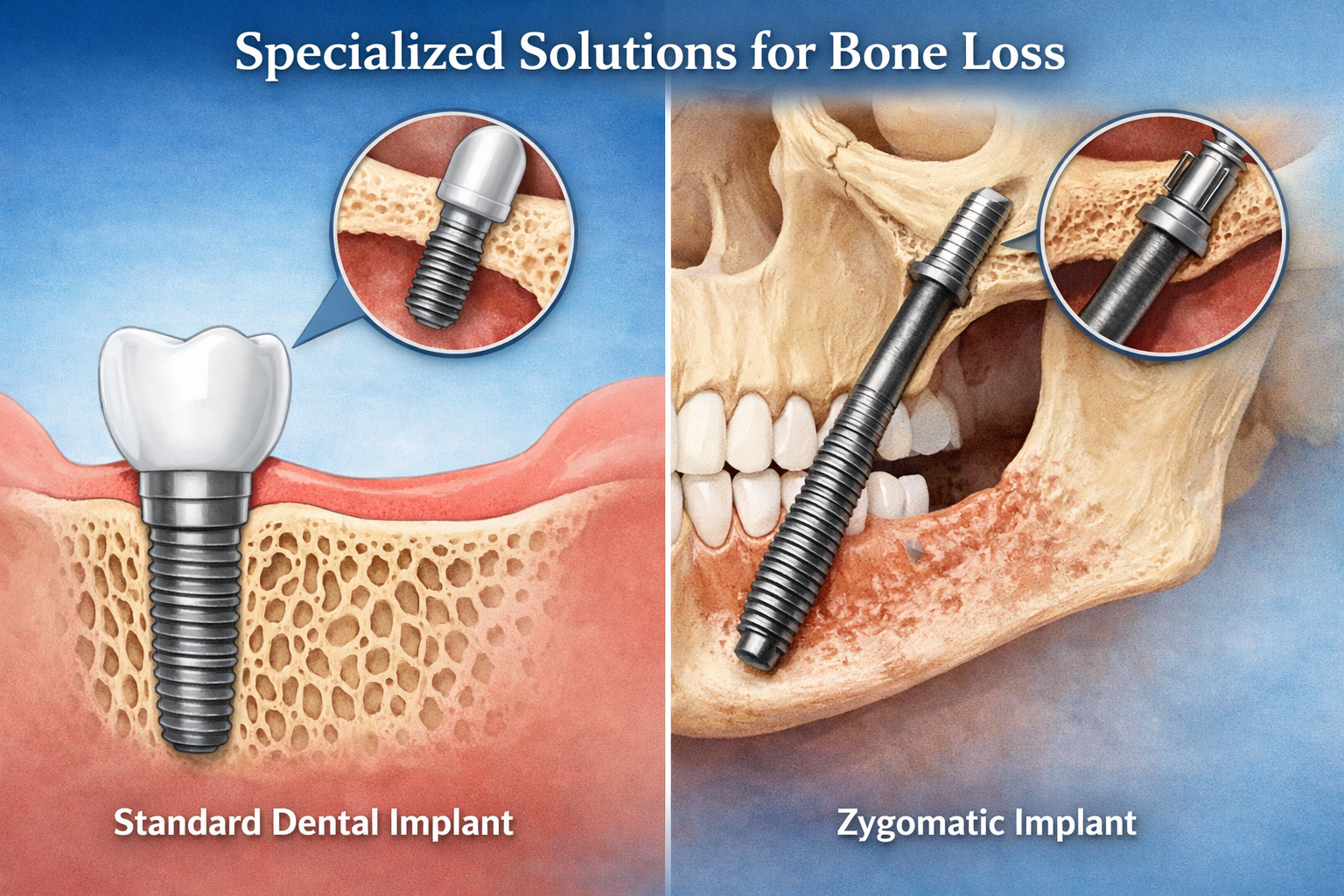
Yes, even with severe bone loss, getting dental implants is often possible through a range of advanced treatments designed to rebuild or utilize existing bone structures [1]. Modern dentistry offers tailored solutions for individuals who might have previously been told they were not candidates for traditional implants. This involves a careful assessment of your bone quality and quantity using advanced imaging techniques, such as 3D CT scans, to create a precise treatment plan.
Solutions for Severe Bone Loss
- Bone Grafting: This is the most common and effective solution for rebuilding jawbone volume and density. During a bone graft procedure, your dentist adds bone material to the areas where it’s deficient. This material can come from your own body (autograft), a donor (allograft), an animal source (xenograft), or synthetic materials (alloplast). The graft stimulates the body to grow new bone, creating a stable foundation for eventual implant placement. Success rates for implants placed with simultaneous bone augmentation are high, achieving a 97.8% success rate in a large study, comparable to those placed in native bone [2]. For more details on the associated costs, consider reviewing our guide on [Bone Graft Costs for Dental Implants in Dallas TX](https://dallasdentalimplantcost.com/bone-graft-costs-for-dental-implant s-in-dallas-tx-necessity-pricing-and-alternatives/).
- Sinus Lifts: If bone loss has occurred in the upper jaw, particularly near the sinus cavities, a sinus lift (or sinus augmentation) may be necessary. This procedure involves lifting the sinus membrane and adding bone graft material to create more vertical bone height for implants.
- Ridge Augmentation: This technique helps restore the natural contour of the jawbone if it has become indented or narrow after tooth loss. Bone graft material is placed to increase the width and/or height of the ridge.
- Growth Factors: Sometimes, special growth factors derived from your own blood (like Platelet-Rich Fibrin, or PRF) can be used alongside bone grafts to accelerate healing and promote new bone formation.
Specialized Implant Techniques for Bone Loss
Beyond traditional bone grafting, specific implant techniques have been developed to address severe bone loss, particularly when grafting is not preferred or sufficient. These approaches allow many patients to receive stable dental implants without extensive bone regeneration.
Zygomatic Implants
Zygomatic implants are a specialized solution for individuals with severe bone loss in the upper jaw, particularly when traditional bone grafts or sinus lifts are not feasible. Instead of anchoring into the maxilla (upper jawbone), these longer implants are placed into the zygoma, or cheekbone, which offers a denser and more stable foundation [1].
- Benefits: Zygomatic implants often allow for immediate loading (placement of prosthetic teeth soon after surgery), reducing treatment time. They bypass the need for lengthy bone grafting procedures and their associated healing times.
- Success Rate: These implants boast a high long-term survival rate of 96.5% [1], making them a reliable option for complex cases.
- Considerations: Zygomatic implants require highly specialized surgical expertise due to their proximity to delicate anatomical structures.
All-on-4® and All-on-6® Dental Implants
The All-on-4® and All-on-6® dental implant procedures are revolutionary options for replacing an entire arch of missing teeth, often overcoming moderate to severe bone loss challenges. These techniques utilize strategically angled implants to maximize contact with existing bone, frequently avoiding the need for extensive bone grafting [1].
- Mechanism: Typically, four or six implants are placed in each jaw arch. The posterior implants are angled to engage denser bone in the front of the jaw, circumventing areas of low bone density in the back.
- Immediate Function: Many patients can receive a temporary set of prosthetic teeth on the same day as their implant surgery, allowing them to leave with a functional and aesthetic smile.
- Suitability: These procedures are ideal for patients who have lost most or all of their teeth and desire a fixed, permanent solution that closely mimics natural teeth, even with some bone compromise. For those in Dallas considering this option, you can learn more about All-on-4 Dental Implants in Dallas: Cost Breakdown, Timeline.
| Solution | Best For | Requires Bone Grafting? | Typical Healing Time (before final prosthesis) |
|---|---|---|---|
| Traditional Implant + Bone Graft | Single or multiple missing teeth with localized bone defects | Yes, typically 4-9 months for graft healing | 4-9 months (graft) + 3-6 months (implant) |
| Zygomatic Implants | Severe upper jaw bone loss, full arch replacement | No, bypasses jawbone | Often immediate load |
| All-on-4®/6® Implants | Full arch replacement with moderate bone loss | Often minimizes or avoids | Often immediate load |
| Short Dental Implants | Limited vertical bone height (less severe loss) | Often not needed | 3-6 months |
The Dental Implant Procedure with Bone Loss
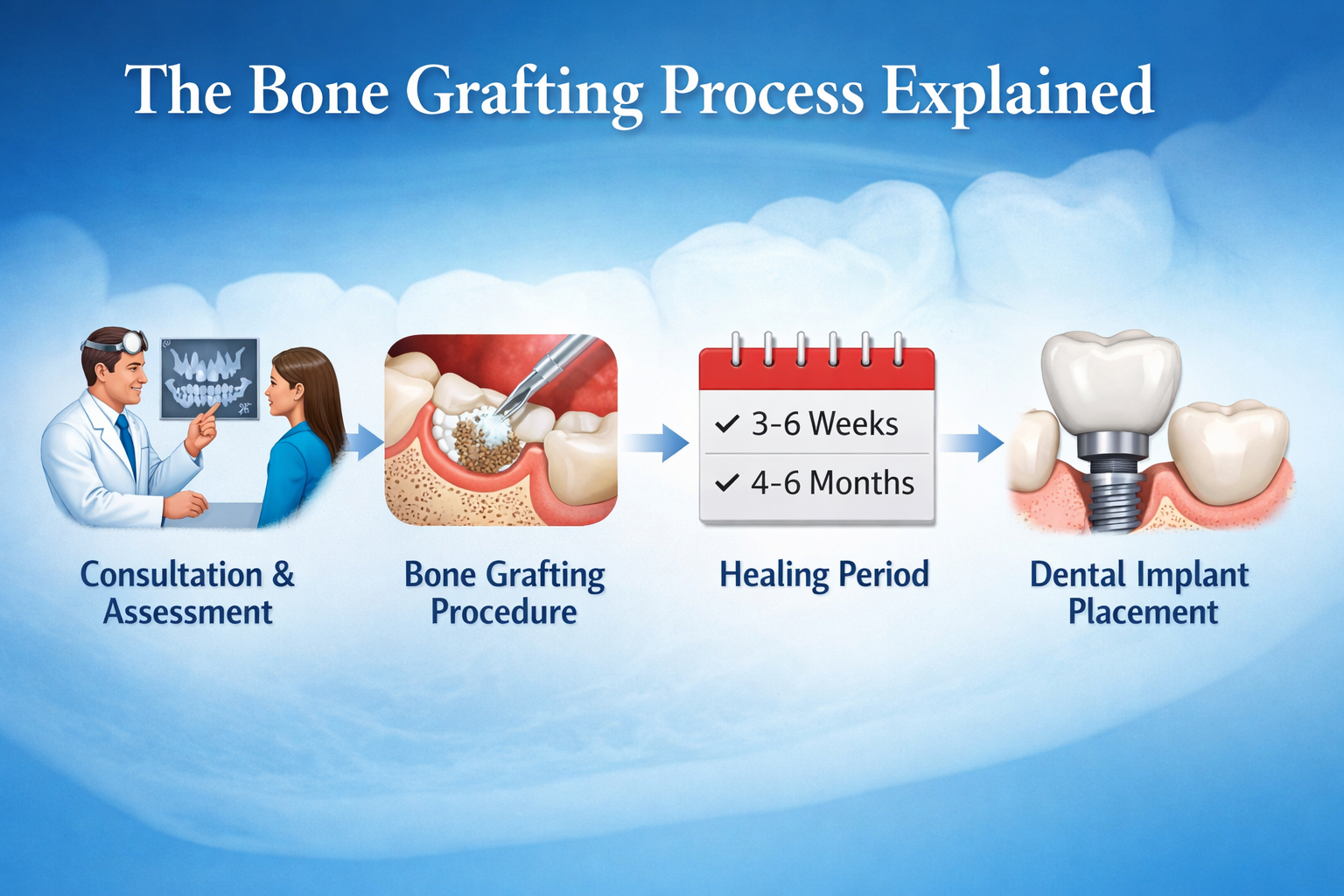
The journey to receiving dental implants when bone loss is present involves a few additional steps compared to a straightforward implant placement. Understanding this process can help patients in Dallas prepare for their treatment.
- Comprehensive Examination and Planning: The first step is a thorough evaluation by a dental implant specialist. This includes a review of your medical history, a detailed oral examination, and advanced imaging (such as 3D CT scans) to precisely map the bone structure, identify areas of loss, and plan the ideal placement for dental implants in Dallas. This initial consultation with a dentist is crucial for determining suitability and discussing tooth replacement options.
- Bone Grafting (if necessary): If significant bone loss is identified, a bone grafting procedure will be performed first. The type of graft material and technique used will depend on the extent and location of the bone loss. For example, if you need a sinus lift, the procedure would address the upper jaw. After the graft, a crucial healing period is required, during which the graft material integrates with your existing bone, promoting new bone growth. This can range from a few months to almost a year, depending on the individual and the extent of the graft [1]. You can explore the estimated Bone Graft Healing for Dental Implants: Your 2026 Timeline.
- Dental Implant Placement: Once the bone graft has fully healed and sufficient bone volume has been established, the dental implant procedure can proceed. The titanium implant posts are surgically placed into the newly regenerated bone.
- Osseointegration Period: Following implant placement, another healing period is necessary for osseointegration – where the implant fuses directly with the jawbone. This typically takes 3-6 months.
- Abutment Placement and Restoration: After successful osseointegration, an abutment (a connector piece) is attached to the implant, and then the custom-made dental crown, bridge, or denture is secured to the abutment, completing your new smile.
Key Considerations for Healing and Success
- Patience is Key: The process of bone regeneration and osseointegration requires time. Rushing the process can compromise the long-term success of the implants.
- Oral Hygiene: Meticulous oral hygiene is paramount throughout the healing process and after final restoration to prevent infection and ensure the longevity of your implants.
- Regular Check-ups: Adhering to your dentist’s follow-up schedule is vital for monitoring healing and ensuring optimal outcomes.
- Smoking: Smoking significantly impairs healing and increases the risk of implant failure. Quitting smoking is strongly recommended for anyone considering dental implants.
Cost and Longevity of Dental Implants with Bone Loss
When considering “Can I get dental implants if I have severe bone loss?”, it’s important to understand the financial investment and the long-term benefits. The overall cost will typically be higher for patients requiring bone grafting or specialized implants due to the additional procedures, materials, and surgical expertise involved. For those researching implant cost in Dallas, it’s worth noting that bone graft costs for dental implants can vary based on the type and extent of the graft needed [1]. You can also review comprehensive guides like Unveiling the Cost of 2 Dental Implants with Bone Grafting in 2025.
Despite the added initial investment, dental implants offer exceptional long-term value and contribute significantly to overall long-term oral health.
Longevity and Success Rates
- High Success Rates: Dental implants, including those placed after bone augmentation, boast very high success rates. Standard implants achieve 95-98% success with adequate bone [3]. Augmented implants also show comparable success rates of 97.8% [2].
- Long-Term Survival: Research indicates that dental implants maintain a 97% success rate at 10 years, and 4 out of 5 implants continue functioning after 20 years [4]. A 20-year meta-analysis found prospective studies showed 92% implant survival rates and retrospective studies showed 88% survival rates [6]. This data highlights that once the initial osseointegration is successful, implants are a highly durable missing teeth solution.
- Early Failures: In augmented implant cases, roughly 70% of failures occur within the first year, meaning that once initial healing and integration are achieved, the implants are very likely to last for many years [2].
It’s important to have a transparent discussion with your Dallas dental implant specialist about the comprehensive implant cost in Dallas, including all necessary pre-procedures, so you can make an informed decision about your oral health education.
Alternatives and Informed Decision-Making
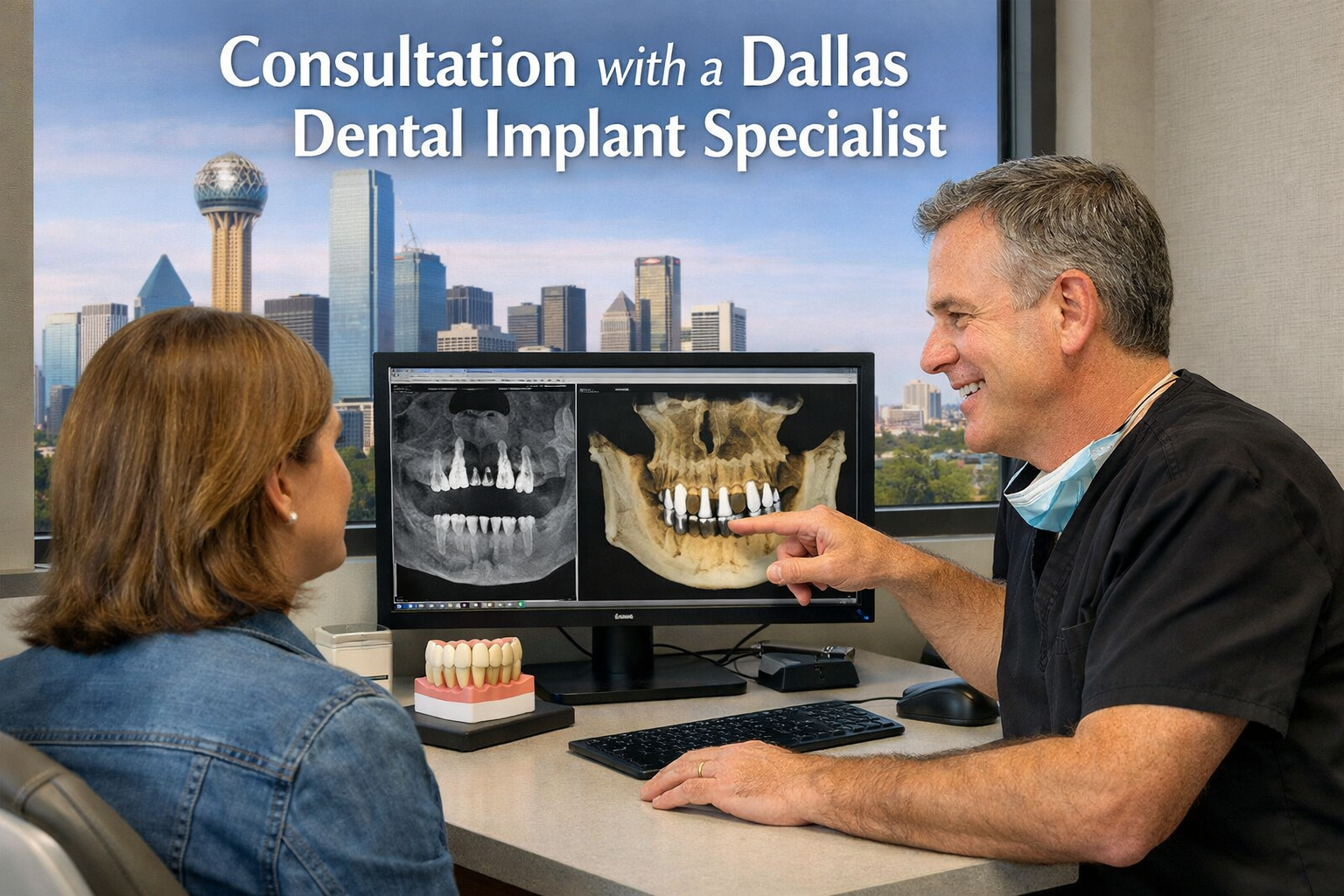
While dental implants are often the preferred long-term solution for missing teeth, especially for those concerned about bone loss, it’s beneficial to be aware of other tooth replacement options and how they compare. Making an informed decision is a cornerstone of patient safety and optimal long-term oral health.
Other Tooth Replacement Options
- Dentures (Removable): Traditional dentures are a less invasive and often more affordable option for replacing multiple or all teeth. However, they do not prevent bone loss, can be less stable, and may require frequent adjustments. For patients with significant bone loss, implant-supported dentures (like snap-in dentures) can offer enhanced stability without requiring an implant for every missing tooth.
- Dental Bridges: A dental bridge can replace one or more missing teeth by crowning the adjacent natural teeth and using them as anchors for the prosthetic tooth (or teeth). While quicker than implants, bridges require altering healthy teeth and do not stimulate the jawbone beneath the missing tooth, potentially leading to further bone loss over time. A 2025 study found that saving natural teeth through periodontal regeneration offered comparable long-term benefits to dental implants, with only 4 natural teeth lost versus 2 implant failures in respective groups over 20 years [5]. This emphasizes that preserving natural teeth when possible is also a highly effective long-term strategy.
Encouraging Informed Decision-Making
Choosing the right missing teeth solutions is a personal decision that should be made in consultation with a qualified dental professional.
- Consultation with a Dentist: Begin with a detailed consultation with a dental implant specialist in Dallas, TX. They can assess your specific situation, discuss your suitability for various procedures, and explain the potential outcomes, risks, and benefits.
- Understand the Procedure: Ask questions about every step of the dental implant procedure, including any pre-procedures like bone grafting, healing timelines, and what to expect during recovery.
- Review Costs: Get a clear understanding of the full implant cost in Dallas, including all phases of treatment and potential future maintenance. Inquire about payment plans or financing options.
- Consider Long-Term Benefits: While the upfront cost for dental implants with bone loss may be higher, consider the long-term benefits in terms of stability, aesthetics, function, and prevention of further bone loss, which can make them a cost-effective choice over time.
Your dental implant specialist will provide personalized guidance to help you choose the best path to restore your smile and confidence.
Conclusion
The question, “Can I get dental implants if I have severe bone loss?” is frequently asked, and the answer is overwhelmingly positive in the vast majority of cases. Modern dental implantology, with techniques such as bone grafting, sinus lifts, and specialized implant systems like zygomatic and All-on-4 implants, provides effective and highly successful pathways to a restored smile, even for those with significant bone deficiencies.
While the process may involve additional steps and healing time, the long-term benefits of dental implants – including improved oral health, chewing function, aesthetics, and prevention of further bone loss – make them an invaluable investment. For anyone in Dallas considering dental implants, especially with concerns about bone loss, the most crucial first step is a comprehensive consultation with an experienced dental implant specialist. They can accurately assess your unique oral health situation, present the most suitable tooth replacement options, and develop a personalized treatment plan to help you achieve a stable, confident smile.
References
[1] Denture Implants For Low Bone Density – https://www.imagineyoursmile.com/blog/denture-implants-for-low-bone-density/ [2] Pmc12843187 – https://pmc.ncbi.nlm.nih.gov/articles/PMC12843187/ [3] How Bone Density Affects Dental Implant Success Rates – https://www.ora4x.com/blog/how-bone-density-affects-dental-implant-success-rates/ [4] Dental Implant Failure Rates What The Research Actually Says And What It Means For You – https://biteclubchi.com/dental-implant-failure-rates-what-the-research-actually-says-and-what-it-means-for-you/ [5] Study Shows Long Term Benefits Of Saving Hopeless Teeth – https://www.efp.org/press-media/study-shows-long-term-benefits-of-saving-hopeless-teeth/ [6] Pmc11416373 – https://pmc.ncbi.nlm.nih.gov/articles/PMC11416373/
Leave a Reply
Share your thoughts or ask a question about dental implants. Your email address will not be published.