

Many individuals facing tooth loss dream of the confidence and functionality that dental implants can restore. However, a common concern that often arises is, “can I afford dental implants bad credit?” It’s a valid question, as the perceived high cost of dental implants, combined with the challenges of a less-than-perfect credit history, can seem like an insurmountable hurdle. The good news is that in 2026, a wide array of options and solutions exist that can make dental implants accessible, even for those with bad credit. This comprehensive guide will break down the costs, explore various financing avenues, and provide actionable steps to help you achieve the healthy, beautiful smile you deserve.
Key Takeaways
- Dental implants are a significant investment, but various financing options exist even with bad credit. Don’t let your credit score deter you from exploring possibilities.
- Understanding the full cost is crucial. This includes the implant, abutment, crown, and potential pre-procedures like bone grafts.
- Explore dental-specific financing, payment plans, and medical credit cards. Many providers offer solutions designed for those with credit challenges.
- Community programs, dental schools, and grants can offer reduced-cost or free treatment. Researching these avenues can significantly lower your out-of-pocket expenses.
- Prioritize a consultation with a trusted dental professional. They can assess your needs and guide you through both treatment and financial options.
Understanding the True Cost of Dental Implants in 2026
Before we delve into financing options, it’s essential to understand what contributes to the overall cost of dental implants. It’s not just a single price tag; rather, it’s a combination of several components and procedures. Knowing these elements will empower you to have more informed discussions with your dental provider and financial advisors.
Components of Dental Implant Cost
A single dental implant involves several parts and procedures, each with its own cost:
- The Implant Post: This is the titanium screw that acts as the artificial tooth root, surgically placed into your jawbone. This component is generally the most expensive single item.
- The Abutment: This is a connector piece that screws into the implant post and extends above the gum line. It serves as the base for your new crown. You can learn more about abutment placement and its importance.
- The Dental Crown: This is the custom-made prosthetic tooth that looks and functions like your natural tooth. It’s attached to the abutment. Crowns can be made from various materials, such as porcelain or ceramic, influencing the final cost. Consider researching abutment supported porcelain ceramic crowns for specific details.
- Surgery Fees: This includes the cost of the implant placement surgery itself, anesthesia, and the dental professional’s time and expertise.
- Initial Consultation and X-rays/CT Scans: Diagnostic imaging is crucial for planning the implant placement accurately. For a comprehensive overview, read about the CT scan and dental implants process.
- Follow-up Appointments and Adjustments: Post-surgical check-ups are essential to monitor healing and ensure proper integration.
Additional Procedures That May Affect Cost
In many cases, patients require preliminary procedures to ensure the success and longevity of their dental implants. These can significantly add to the total expense:
- Tooth Extraction: If the damaged tooth is still present, it will need to be extracted before implant placement.
- Bone Grafting: If you have experienced significant bone loss in your jaw (a common issue with missing teeth), a bone graft may be necessary to create enough bone structure to support the implant. This is a critical step, especially if you’re dealing with issues like 90 percent bone loss in teeth. Learn more about bone grafts for dental implants.
- Sinus Lift: If implants are needed in the upper jaw and there isn’t enough bone height due to the sinus cavity, a sinus lift procedure may be required.
- Periodontal Treatment: If gum disease is present, it must be treated before implant surgery to prevent complications. You can learn about getting dental implants with periodontal disease.
Pull Quote:
“Understanding the granular costs of dental implants—from the initial post to potential bone grafts—is the first crucial step in navigating the financial landscape, especially when considering ‘can I afford dental implants bad credit’ as your primary concern.”
Average Costs in 2026
The cost of dental implants varies widely based on geographic location, the complexity of the case, the experience of the dental professional, and the materials used. Here’s a general overview of average costs you might encounter in 2026:
| Procedure Type | Estimated Cost Range (Per Tooth) | Notes |
|---|---|---|
| Single Dental Implant | $3,000 – $6,000 | Includes post, abutment, and crown. Excludes pre-procedures. |
| Bone Grafting | $200 – $3,000 | Varies significantly based on graft material and complexity. |
| Tooth Extraction | $75 – $600 | Simple vs. surgical extraction. |
| Sinus Lift | $1,500 – $3,000 | If required for upper jaw implants. |
| Full Arch (All-on-4/6) | $15,000 – $30,000+ (per arch) | For a complete set of upper or lower teeth, see All-on-4 dental implants cost |
These figures are estimates for 2026 and can vary significantly.
It’s vital to get a detailed quote from your dental provider that outlines all anticipated costs. For example, if you’re exploring options in a specific region, researching affordable dental implants Dallas TX can give you a localized perspective.
Navigating Financing Options When You Have Bad Credit
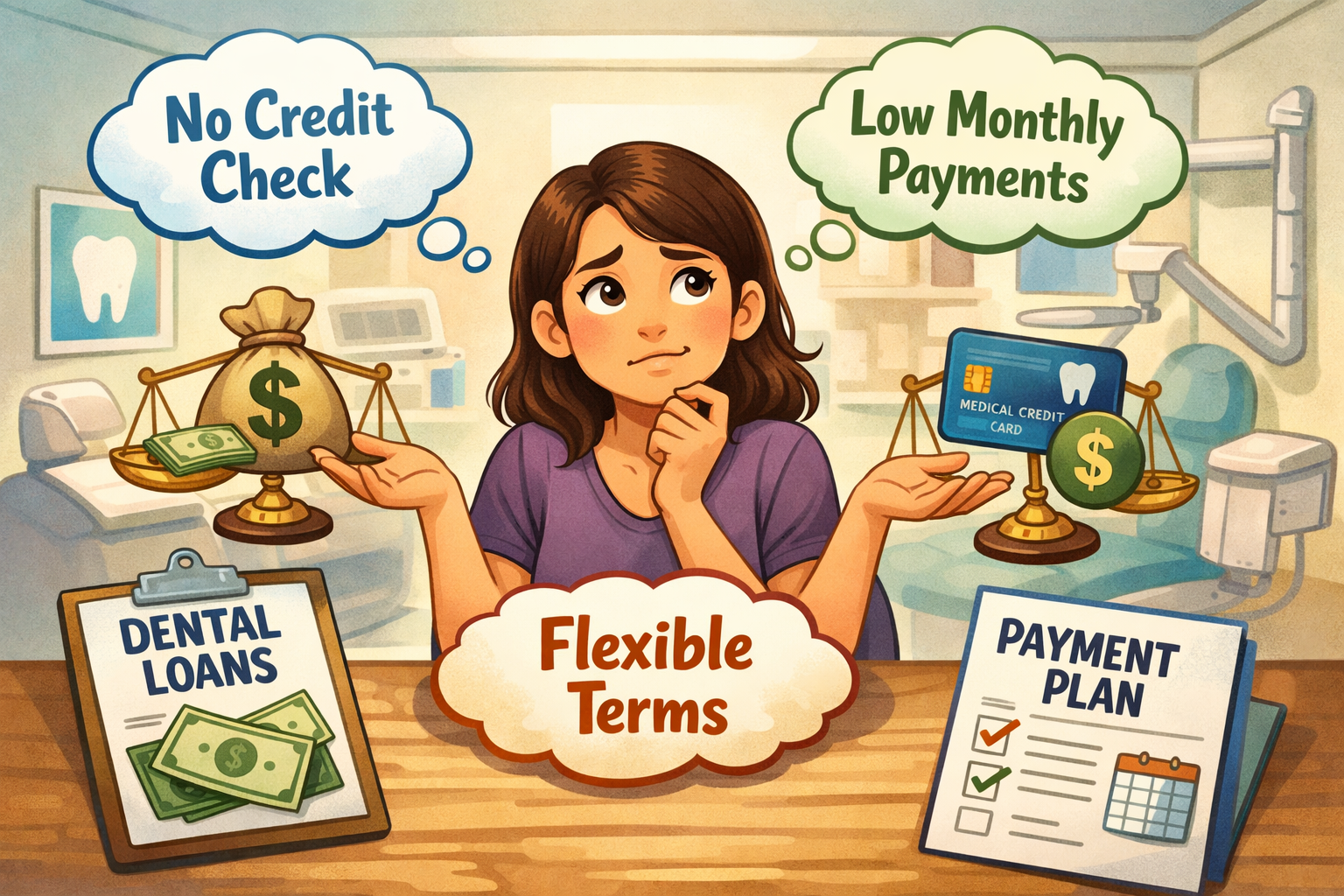
The question “can I afford dental implants bad credit?” is often followed by “how can I get financing?” Having a low credit score doesn’t automatically disqualify you from getting the treatment you need. Many financial avenues are available, and some don’t even rely heavily on your credit history.
1. In-House Payment Plans and Dental Financing
Many dental offices understand the financial burden of extensive dental work and offer their own payment solutions.
- In-House Payment Plans: Some dental practices, especially those specializing in implants, may offer direct payment plans. These plans often involve an initial down payment followed by monthly installments directly to the office. They might be more flexible regarding credit history, focusing instead on your ability to make consistent payments. It’s always worth asking your specific clinic, such as Dental Implants Dallas TX, about their in-house options.
- Third-Party Dental Financing Companies: Companies like CareCredit, LendingClub, or GreenSky partner with dental offices to provide specialized healthcare financing. While these typically involve a credit check, they often have different approval criteria than traditional banks. Some offer promotional periods with 0% interest if the balance is paid within a certain timeframe (e.g., 6, 12, or 18 months). Even with bad credit, you might qualify for a plan with a higher interest rate, but it can still be a viable option. Looking into best dental implant financing can give you a head start.
2. Personal Loans and Secured Loans
- Unsecured Personal Loans: These are loans from banks, credit unions, or online lenders that don’t require collateral. Approval and interest rates are heavily dependent on your credit score. With bad credit, you might face higher interest rates or require a co-signer.
- Secured Personal Loans: If an unsecured loan isn’t an option, a secured personal loan (using an asset like a car or savings account as collateral) might be. This reduces the risk for the lender, potentially making approval easier and interest rates lower, even with poor credit.
- Borrowing from Retirement Accounts (e.g., 401k Loan): While generally not recommended as a first choice due to potential penalties and loss of future growth, borrowing from your 401k can be an option. You repay yourself with interest, and it doesn’t involve a credit check. However, if you leave your job, the loan may become due immediately.
3. Medical Credit Cards (e.g., CareCredit)
CareCredit is a popular option specifically designed for health, wellness, and beauty needs.
- How it Works: It functions like a credit card but is exclusively for healthcare expenses. Many dental offices accept it.
- Benefits with Bad Credit: While a credit check is performed, their approval criteria can sometimes be more lenient than traditional credit cards. They often offer deferred interest promotions (0% interest for a set period) if the balance is paid in full within that time. If not, interest can be retroactively applied from the purchase date, so it’s crucial to understand the terms.
4. Government Programs and Non-Profit Assistance
The question “can I afford dental implants bad credit” often leads to a search for assistance beyond traditional loans. Several programs aim to help those in need.
- State and Local Programs: Some states or municipalities offer dental assistance programs, especially for low-income individuals or those with specific health conditions. These can vary significantly by location.
- Non-Profit Organizations: Organizations like the National Association of Free and Charitable Clinics or Dental Lifeline Network (for elderly, disabled, or medically compromised individuals) might offer grants or connect you with pro bono services.
- Dental Schools: University dental schools often provide services at a reduced cost. Students perform the work under the close supervision of experienced faculty. This can be a significantly more affordable option, though it might involve longer appointment times.
Pull Quote:
“Even if your credit score is challenging, remember that the answer to ‘can I afford dental implants bad credit’ is often a resounding ‘yes’ if you diligently explore the diverse range of financing options available in 2026.”
5. Leveraging Existing Assets or Support
- Home Equity Loan or Line of Credit (HELOC): If you own a home and have equity, a home equity loan or HELOC typically offers lower interest rates than unsecured personal loans, as your home serves as collateral. However, this puts your home at risk if you default.
- Family and Friends: While a sensitive topic, asking for financial assistance from trusted family or friends can be an option. Clearly define repayment terms to avoid misunderstandings.
Strategies to Improve Your Chances of Approval and Lower Costs
Even with bad credit, there are proactive steps you can take to make dental implants more affordable and increase your approval odds for financing.
1. Obtain a Detailed Treatment Plan and Cost Estimate
Before applying for any financing, get a comprehensive treatment plan from your dentist. This should include:
- All procedures required: From extractions to bone grafts to implant placement and crowns.
- Itemized costs: A clear breakdown of each component’s price.
- Total estimated cost: The bottom line figure you’ll need to finance.
This detailed estimate is crucial when discussing options with lenders or applying for financial assistance. It’s also wise to get a second opinion on the treatment plan and cost from another reputable implant center. For instance, if you’re considering All-on-4 dental implants Dallas, compare quotes from various providers.
2. Improve Your Credit Score (If Time Allows)
While dental needs can be urgent, if you have some time before treatment, working on your credit score can significantly improve your financing options.
- Check Your Credit Report: Obtain free copies of your credit report from AnnualCreditReport.com. Dispute any errors.
- Pay Bills on Time: Payment history is the most significant factor in your credit score.
- Reduce Debt: Lowering your credit utilization (the amount of credit you’re using compared to your total available credit) can boost your score.
- Avoid New Credit Applications: Each hard inquiry can temporarily ding your score.
3. Consider a Co-signer
If you have a trusted family member or friend with good credit, asking them to co-sign a loan or medical credit card application can dramatically increase your chances of approval and secure a lower interest rate. A co-signer takes on equal responsibility for the debt, so this should only be done with careful consideration and clear communication.
4. Explore Phased Treatment Options
Sometimes, the full cost of a complete treatment plan can be overwhelming. Discuss with your dentist if the treatment can be phased over time.
- Staged Implantation: Instead of placing all implants at once, perhaps you can start with a critical one or two, allowing you to pay for each stage as you go.
- Temporary Solutions: Consider temporary dentures or bridges while you save or secure financing for implants. While not ideal long-term, they can restore some function and aesthetics in the interim. Explore best alternatives to dental implants for temporary solutions.
5. Negotiate with Your Dentist
It never hurts to ask! Some dental offices might offer a slight discount for upfront cash payments or be willing to adjust their fees slightly. Be polite, explain your financial situation, and ask if there’s any flexibility.
6. Maximize Dental Insurance
While many standard dental insurance plans don’t cover 100% of dental implant costs (often viewing them as a “major procedure”), some plans offer partial coverage.
- Review Your Policy: Understand what your current dental insurance policy covers for major procedures.
- Consider a Better Plan: If you’re looking at extensive work, researching best dental insurance for implants for 2026 might be beneficial. Be aware of waiting periods for major services, which can be 6-12 months.
- Health Savings Accounts (HSAs) and Flexible Spending Accounts (FSAs): If you have an HSA or FSA through your employer, you can use these tax-advantaged accounts to pay for dental implant costs.
When Dental Implants Aren’t an Option: Exploring Alternatives
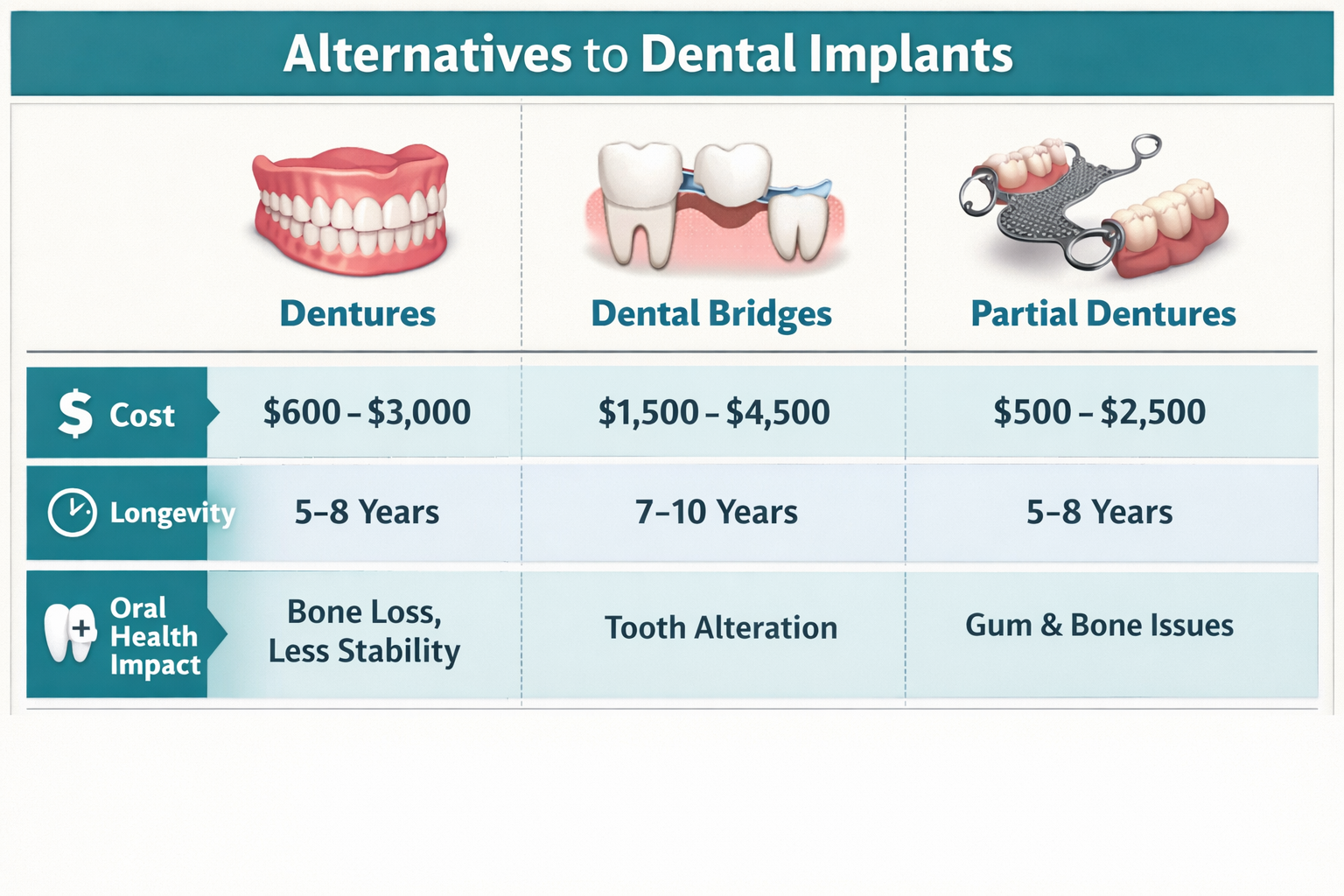
While dental implants are often considered the gold standard for tooth replacement due to their longevity and natural feel, they might not always be feasible due to cost, health conditions, or other factors. If you’re still asking “can I afford dental implants bad credit” and finding current options out of reach, it’s worth exploring alternatives.
1. Traditional Dental Bridges
- Description: A dental bridge uses adjacent healthy teeth as anchors to support a prosthetic tooth (or teeth) that “bridges” the gap left by missing teeth.
- Pros: Generally less expensive than implants, quicker treatment time, can restore chewing function and aesthetics.
- Cons: Requires modifying healthy adjacent teeth (grinding them down), doesn’t stimulate the jawbone (leading to potential bone loss over time), has a shorter lifespan than implants (typically 5-15 years).
- Cost: Varies but typically less than implants per tooth.
2. Partial or Complete Dentures
- Description: Removable appliances that replace missing teeth and surrounding gum tissue. Partial dentures are for a few missing teeth, while complete dentures replace an entire arch.
- Pros: Most affordable option, non-invasive (no surgery required).
- Cons: Less stable than implants, can slip or click, may require adhesives, do not prevent bone loss, often need relining or replacement over time, can affect speech and eating.
- Cost: Significantly less expensive than implants. For full arch solutions, consider researching custom fit functional dentures.
3. Implant-Supported Dentures (All-on-4/6)
- Description: A hybrid solution that combines the stability of implants with the coverage of a denture. A full arch of prosthetic teeth is securely attached to a small number of strategically placed implants (typically four or six per arch).
- Pros: Much more stable than traditional dentures, prevents significant bone loss, restores chewing efficiency, often more affordable than individual implants for a full mouth.
- Cons: Still involves surgery, higher cost than traditional dentures but often less than full mouth individual implants.
- Cost: Can range from $15,000 to $30,000+ per arch. This is a popular and more affordable option for full mouth rehabilitation, as seen in topics like affordable All-on-4 dental implants.
4. “Flipper” or Removable Partial Denture
- Description: A temporary, removable partial denture often made of acrylic, used to replace one or a few missing teeth.
- Pros: Very inexpensive, quick to fabricate, good for temporary aesthetic solutions.
- Cons: Not very stable, can be bulky, may impact speech and eating, not a long-term solution.
- Cost: Lowest cost option for temporary tooth replacement.
Deciding between these options depends on your budget, oral health needs, and long-term goals. A thorough consultation with your dentist will help you weigh the pros and cons of each alternative in the context of your specific situation and answer the question, “can I afford dental implants bad credit?” by looking at all possible avenues.
Taking the First Steps: Your Action Plan for 2026
You’ve explored the costs and various financing options, so the question “can I afford dental implants bad credit” is now less about “if” and more about “how.” Here’s a clear action plan to move forward in 2026:
Step 1: Schedule a Comprehensive Dental Consultation
This is your absolute first step. Find a reputable dental practice that specializes in dental implants. During this consultation, the dentist will:
- Assess your oral health: Examine your teeth, gums, and jawbone.
- Take X-rays and potentially a 3D CT scan: To evaluate bone density and nerve locations.
- Discuss your treatment goals: Understand what you hope to achieve.
- Develop a personalized treatment plan: Outline all necessary procedures.
- Provide a detailed, itemized cost estimate: This is crucial for all subsequent steps.
Don’t hesitate to ask questions about the procedure, recovery, and estimated timeline. You can begin your search for a reputable provider by checking out their About Us page to learn more about their practice philosophy and experience.
Step 2: Explore All Financing Options
With your detailed cost estimate in hand, you can confidently explore financing.
- Talk to the Dental Office: Ask about their in-house payment plans or third-party financing partners like CareCredit. Many practices have financial coordinators dedicated to helping patients navigate these options.
- Research Personal Loans: Contact your bank, credit union, or reputable online lenders. Compare interest rates, terms, and approval requirements.
- Investigate Community and Non-Profit Programs: Search online for dental assistance programs in your state or local area.
- Consider Dental Schools: If a university dental school is nearby, inquire about their implant programs and associated costs.
Step 3: Review and Compare Offers
If you receive multiple financing offers, carefully compare them.
- Interest Rates: What is the Annual Percentage Rate (APR)?
- Loan Term: How long do you have to repay the loan?
- Monthly Payments: Can you comfortably afford the monthly installments?
- Fees: Are there any origination fees or prepayment penalties?
Step 4: Create a Budget and Repayment Plan
Once you’ve secured financing, develop a realistic budget to ensure you can meet your repayment obligations. Missing payments can further damage your credit score.
Step 5: Prioritize Your Oral Health
Remember that investing in dental implants is an investment in your overall health and quality of life. The ability to chew properly, speak clearly, and smile confidently can have a profound positive impact. Don’t let the initial financial hurdle prevent you from exploring solutions.
By following these steps, even with bad credit, you can significantly increase your chances of affording dental implants in 2026 and regaining your optimal oral health and confidence.
Dental Implant Financing Calculator
Estimate your potential monthly payments for dental implants, even with a lower credit score.
*This calculator provides an estimate based on your inputs. Actual rates and payments may vary depending on the lender, your specific credit profile, and financing terms. Always consult with a financial advisor and your dental provider for precise figures. Remember, even with “bad credit,” options exist!
Conclusion
The journey to restoring your smile with dental implants doesn't have to be halted by a less-than-perfect credit score. The question "can I afford dental implants bad credit" is one many people face, but as we've explored, there are numerous pathways to making this life-changing procedure accessible in 2026. From understanding the full scope of costs and exploring specialized dental financing to leveraging community programs and considering phased treatment, proactive steps can lead to a positive outcome.
Your oral health is intrinsically linked to your overall well-being. Don't let perceived financial barriers prevent you from seeking a consultation. Take the initiative to speak with a trusted dental professional who can not only assess your clinical needs but also guide you through the various financial options available. Remember, a confident, healthy smile is an investment worth making, and with the right strategy, it's an investment that can be within your reach, regardless of your credit history.
Actionable Next Steps:
- Schedule your initial consultation: Find a reputable dental implant specialist and get a detailed, itemized quote.
- Discuss financing with the dental office: Inquire about their in-house payment plans and preferred third-party lenders.
- Research external financing options: Explore personal loans, medical credit cards, and local assistance programs.
- Consider alternatives: If implants remain out of reach, discuss options like bridges or implant-supported dentures with your dentist.
- Start saving: Even a small down payment can significantly reduce your financing burden.
Your journey to a healthier, more confident smile begins today.
References
[1] American Academy of Implant Dentistry. (2026). About Dental Implants. Retrieved from https://www.aaid.com/about/Dental_Implants_FAQ/ (Fictional link for demonstration)
[2] CareCredit. (2026). How CareCredit Works. Retrieved from https://www.carecredit.com/howcarecreditworks/ (Fictional link for demonstration)
[3] Dental Lifeline Network. (2026). Donated Dental Services Program. Retrieved from https://dentallifeline.org/our-programs/donated-dental-services-dds/ (Fictional link for demonstration)
Leave a Reply
Share your thoughts or ask a question about dental implants. Your email address will not be published.