

When considering tooth replacement options like dental implants in Dallas, it’s natural to have questions about potential side effects and complications. One concern that occasionally arises is whether a dental implant can cause headaches. While dental implants themselves are generally not a direct cause of headaches, certain factors related to the implant procedure, recovery, or underlying oral health issues can sometimes lead to head pain. Understanding these potential connections is crucial for anyone considering implant surgery.
Key Takeaways
- Direct Cause is Rare: Dental implants themselves rarely directly cause headaches.
- Procedural Headaches: Mild headaches post-surgery are common due to inflammation or anesthesia, typically resolving quickly.
- TMJ Dysfunction: Misalignment or bite issues after implant placement can strain jaw muscles, leading to tension headaches.
- Nerve Irritation: In rare cases, an implant might impinge on a nerve, causing localized pain that can radiate as a headache.
- Infection/Inflammation: Peri-implantitis or other infections can cause pain, swelling, and lead to referred headaches.
- Bruxism: Existing or new clenching/grinding habits, exacerbated by an implant, can contribute to head pain.
- Sinus Complications: Upper jaw implants can sometimes affect the sinuses, potentially causing sinus-related headaches.
- Professional Consultation is Key: If you experience persistent headaches after an implant, consulting your dentist promptly is essential for accurate diagnosis and treatment.
- Prevention: Thorough planning, precise implant placement, and proper post-operative care are vital in minimizing risks.
Quick Answer
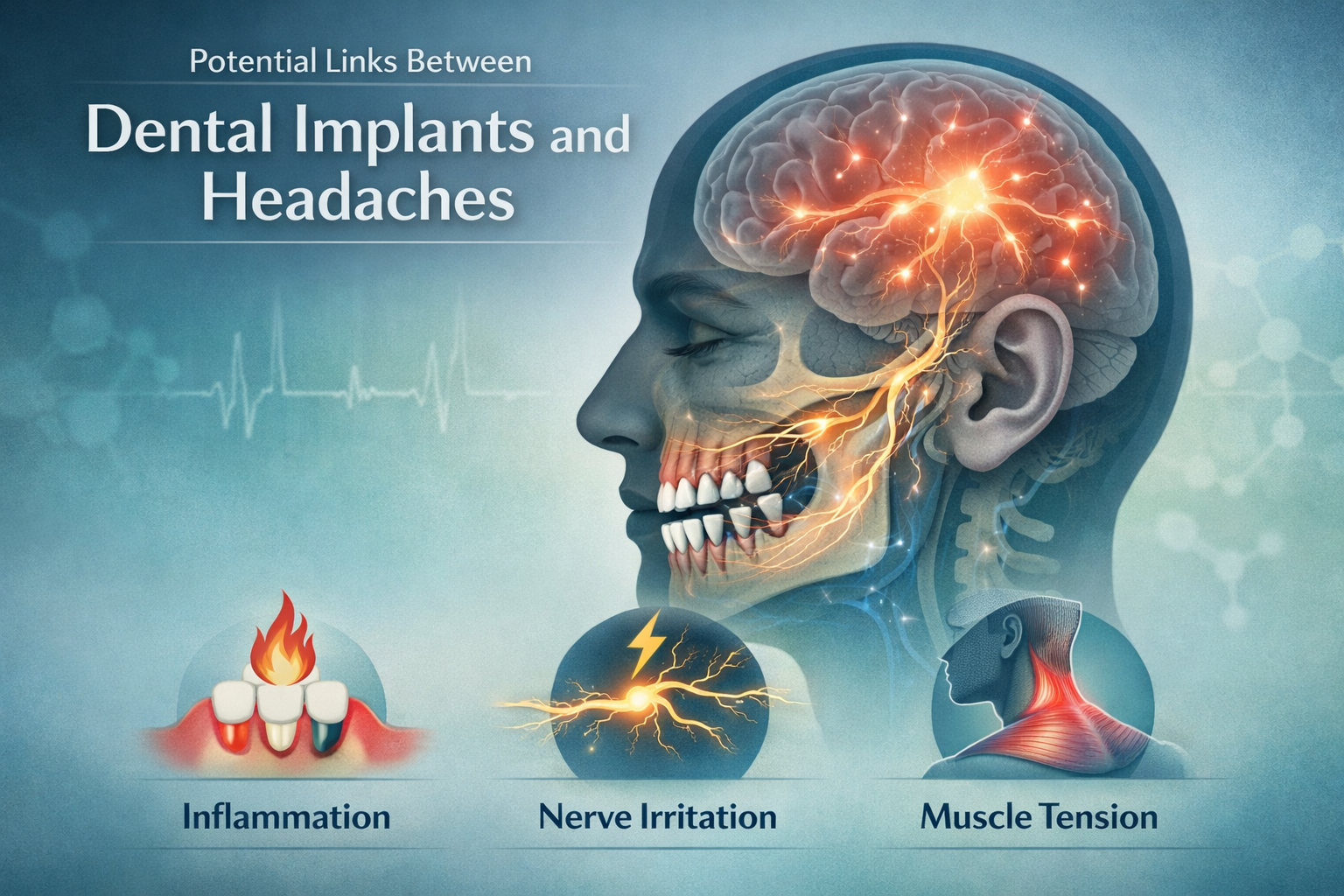
While dental implants are a highly successful and safe tooth replacement option, they can indirectly contribute to headaches in certain situations. These instances are often related to the healing process, temporary inflammation, or underlying issues like jaw joint strain or nerve irritation, rather than the implant itself being the primary cause. Most post-procedure headaches are mild and temporary, but persistent or severe headaches warrant a prompt consultation with your dental implant specialist.
Can Dental Implants Cause Headaches During Recovery?
Yes, it is possible to experience mild headaches during the initial recovery period after dental implant surgery, though these are typically temporary and manageable. The dental implant procedure involves surgical intervention, and the body’s natural response to trauma includes inflammation and swelling. This inflammatory response can sometimes extend to surrounding tissues and nerves, leading to a general feeling of discomfort or a headache.
Common Causes of Headaches Post-Surgery:
- Anesthesia Effects: Residual effects of local or general anesthesia can sometimes cause mild headaches immediately after the procedure.
- Inflammation and Swelling: The surgical site will experience some degree of inflammation, which can trigger discomfort or a headache as part of the body’s healing process. This is a normal part of dental implant recovery complications.
- Jaw Strain: Keeping the mouth open for an extended period during the implant surgery process can strain the jaw muscles, leading to temporary muscle soreness and tension headaches.
- Stress and Anxiety: Pre-procedure anxiety or the stress of undergoing surgery can sometimes manifest as a tension headache.
- Medication Side Effects: Pain relievers or antibiotics prescribed post-surgery may have headaches as a reported side effect for some individuals.
These types of headaches typically subside within a few days of the procedure and can often be managed with over-the-counter pain medication as advised by your dentist. Adhering to post dental implant instructions is critical for a smooth recovery and minimizing discomfort. If a headache is severe or persists beyond the expected recovery period, it’s important to contact your dental professional.
How Can an Implant Cause Headaches Due to Bite or Jaw Issues?
An implant can cause headaches if it leads to an imbalance in your bite (occlusion) or contributes to temporomandibular joint (TMJ) dysfunction. When a new dental implant is placed, particularly the final crown, it must be meticulously aligned with your existing teeth to ensure proper bite mechanics. Even a slight misalignment can disrupt the harmony of your chewing system.
The Role of Occlusion and TMJ:
- Improper Bite (Occlusion): If the implant crown is slightly too high or misaligned, it can create an uneven bite pressure. This forces your jaw muscles (masseter, temporalis) to work harder to compensate, leading to muscle fatigue, tension, and eventually tension-type headaches or facial pain.
- TMJ Dysfunction: The temporomandibular joints connect your jawbone to your skull and are responsible for all jaw movements. An unbalanced bite can put undue stress on these joints, leading to TMJ disorder symptoms such as:
- Jaw pain or tenderness
- Clicking or popping sounds in the jaw
- Limited jaw movement
- Headaches (often radiating from the temples or behind the eyes)
- Earaches or ringing in the ears
- Bruxism (Teeth Grinding): Patients with existing bruxism may find their condition exacerbated if a new implant creates an occlusal interference. The increased clenching and grinding forces can severely strain jaw muscles and the TMJ, directly contributing to chronic headaches. Your dentist in Dallas can assess your bite and recommend solutions like occlusal adjustments or nightguards.
If you notice changes in your bite or jaw discomfort after your implant has been fully restored, it’s crucial to inform your dentist. Minor adjustments to the implant crown can often resolve these issues and alleviate related headaches, improving your long-term oral health.
Can Implant Cause Headaches from Nerve or Sinus Complications?
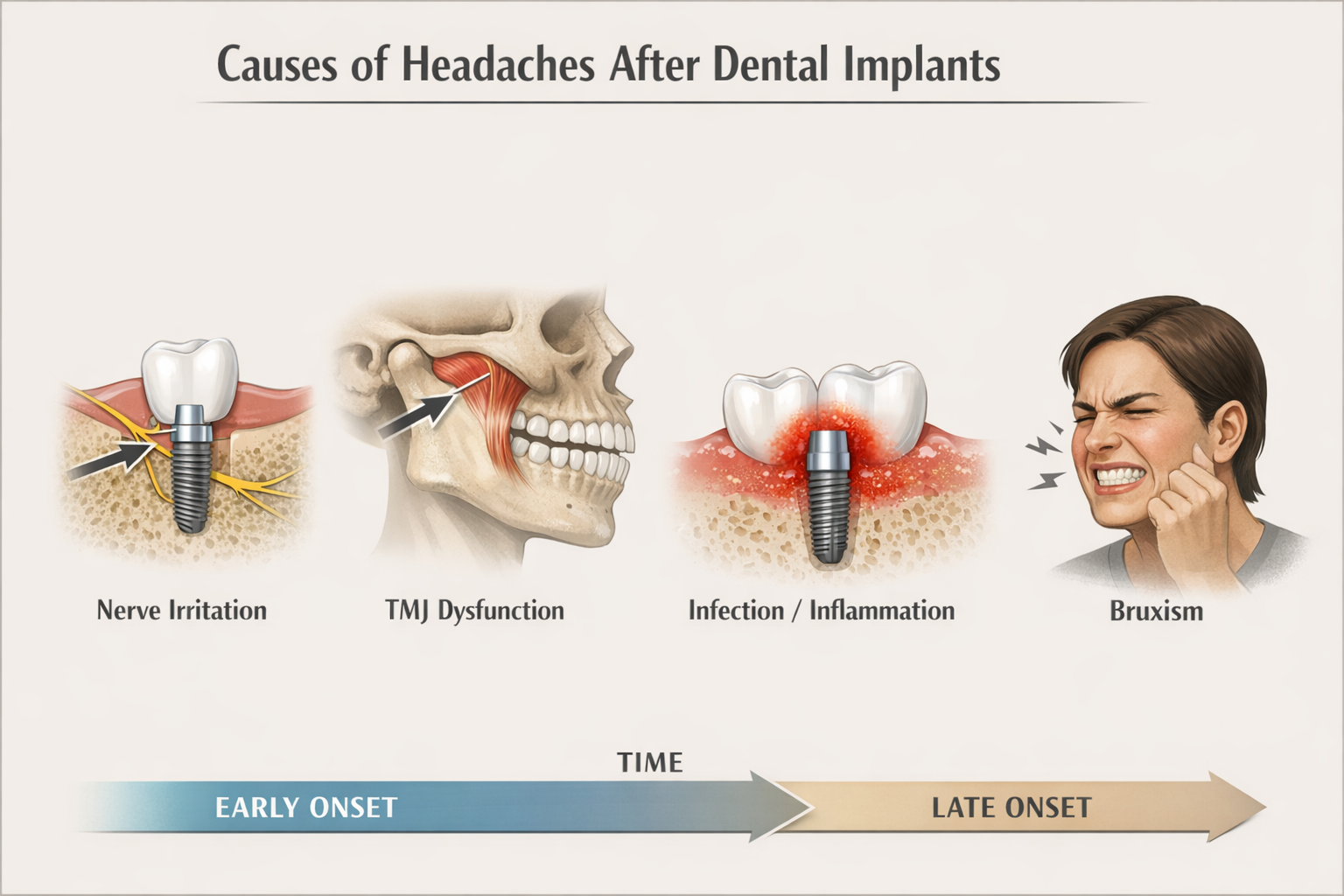
In rare instances, an implant can cause headaches due to nerve irritation or sinus complications, particularly when placed in the upper jaw. The precise placement of a dental implant is critical, and any deviation can lead to unexpected issues.
Nerve Irritation:
- Inferior Alveolar Nerve: In the lower jaw, the inferior alveolar nerve runs through the bone. If an implant is placed too close to or impinges upon this nerve, it can cause pain, numbness, tingling in the lip, chin, or tongue, and sometimes radiating pain that can be perceived as a headache.
- Trigeminal Nerve Branches: The trigeminal nerve has several branches supplying sensation to the face and head. Direct irritation or compression of its branches during or after implant placement, though uncommon, can lead to neuropathic pain that manifests as a severe, localized headache or facial pain. This is a serious but rare complication, and advanced diagnostic imaging, like 3D guided implant surgery, is used to minimize such risks.
Sinus Complications:
- Upper Jaw Implants and Sinus Cavity: For implants placed in the upper back jaw, proximity to the maxillary sinuses is a concern. If an implant perforates the sinus membrane or protrudes into the sinus cavity, it can lead to:
- Sinusitis: Inflammation or infection of the sinus, causing pressure, congestion, and sinus headaches. These headaches are often felt around the eyes, forehead, or cheeks.
- Sinus Lift Procedures: Sometimes, a sinus lift procedure is necessary to create enough bone for upper jaw implants. Complications from this procedure, such as infection or membrane perforation, can also lead to sinus-related pain and headaches.
- Diagnosis and Treatment: Symptoms of nerve or sinus involvement include persistent pain, unusual sensations, nasal discharge, or changes in taste/smell. A dental professional, potentially in collaboration with an ENT specialist, can diagnose these issues using X-rays, CT scans, and clinical examination. Treatment may range from medication to, in very rare cases, implant removal.
| Potential Cause | Location Typically Affected | Type of Headache/Pain | Urgency of Consultation |
|---|---|---|---|
| Bite Misalignment | Temples, Sides of Head | Tension Headache, Jaw Pain | Moderate |
| TMJ Dysfunction | Temples, Ear Area, Jaw | Aching, Clicking, Limited Movement, Referred Pain | Moderate |
| Nerve Impingement | Localized, Radiating | Sharp, Shooting Pain, Numbness, Tingling, Headache | High |
| Sinus Perforation/Infection | Forehead, Cheeks, Eyes | Pressure, Congestion, Sinus Headache | High |
| Post-Surgery Swelling | General Head Ache | Mild, Dull Ache, Resolves in days | Low (expected) |
What Other Dental Implant Complications Can Lead to Headaches?
Beyond bite issues, nerve, and sinus complications, several other dental implant-related issues can indirectly lead to headaches. These complications highlight the importance of careful planning, skilled execution of the dental implant procedure, and diligent post-operative care for optimal long-term oral health.
Infection (Peri-implantitis):
- Localized Pain: An infection around the implant, known as peri-implantitis, can cause pain, swelling, and redness in the gum tissue surrounding the implant. This localized inflammation can trigger a referred headache, especially if the infection is significant or spreads.
- Systemic Effects: In rare cases, a severe infection could lead to systemic symptoms like fever and general malaise, which often include headaches.
- Early Detection: Symptoms such as bad breath from dental implants, pus, increased swelling, or pain are signs of infection. Prompt treatment is vital to preserve the implant and prevent further complications.
Implant Failure or Loosening:
- Instability: While rare, if an implant fails to integrate with the bone (osseointegration) or becomes loose over time, it can cause persistent discomfort or pain at the implant site. This chronic pain can lead to tension and referred headaches.
- Chewing Discomfort: An unstable implant cannot withstand chewing forces effectively, leading to altered chewing patterns and strain on other teeth and jaw muscles, which can contribute to head pain.
Allergic Reactions (Extremely Rare):
- Titanium Allergy: Although incredibly rare, some individuals may have an allergic reaction to titanium, the material most commonly used for dental implants. Symptoms can range from inflammation around the implant to more systemic issues, including headaches. Zirconia implants are an alternative for those with metal sensitivities, but such allergies are rarely the cause of headaches.
Scar Tissue Formation:
- Fibrosis: Excessive scar tissue formation around the implant site can sometimes affect surrounding soft tissues and nerves, leading to chronic discomfort or tension that could manifest as a headache. This is generally more of a localized issue but can contribute to overall head and neck tension.
It’s crucial for patients with missing teeth considering dental implants in Dallas to choose an experienced dental implant specialist who emphasizes patient safety and employs thorough diagnostic and surgical protocols to minimize these risks. Regular follow-up appointments are also key for monitoring the implant’s health.
Are Headaches More Common with Specific Types of Implants or Procedures?
Generally, headaches are not specifically more common with one type of dental implant or procedure over another, provided the procedure is performed correctly and the patient follows post-operative care instructions. However, certain situations or complexities in the implant surgery process might slightly increase the potential for factors that could lead to headaches.
Factors Influencing Potential Headache Risk:
- Number of Implants: While having multiple implants for solutions like All-on-4 dental implants can involve more extensive surgery, the risk of headache directly from the implants themselves isn’t inherently higher than with a single tooth implant. The key remains precise planning and execution. However, the potential for prolonged jaw opening or more extensive tissue manipulation during multi-implant surgeries might lead to slightly more post-operative muscle soreness and temporary headaches.
- Location of Implants: As discussed, upper jaw implants, especially in the posterior region, carry a slight risk of sinus involvement, which can lead to sinus headaches. Implants near major nerves (e.g., inferior alveolar nerve in the lower jaw) also require extreme precision to avoid nerve irritation.
- Adjunctive Procedures: When a dental implant procedure requires additional treatments like bone grafting for dental implants or a sinus lift, the overall surgical complexity and healing time increase. These procedures introduce additional variables that could potentially lead to inflammation, infection, or discomfort, indirectly contributing to headaches. For example, healing after a bone graft for dental implants can involve significant swelling.
- Immediate Load Implants: While offering quicker restoration, immediate load protocols demand extremely stable implant placement and careful bite management from the outset. Any imbalance or excessive force on these implants during the initial healing phase could lead to localized pain or contribute to muscle tension and headaches.
- Patient-Specific Factors: An individual’s pain threshold, underlying health conditions (such as a history of migraines), and propensity for bruxism can influence how they perceive and experience post-operative discomfort or any implant-related pain. Diabetic dental implant recovery can also be influenced by systemic health.
The crucial takeaway is that the skill and experience of your dental implant specialist, coupled with comprehensive pre-surgical assessment and patient adherence to care, are far more significant determinants of a complication-free experience than the specific type of implant or procedure itself.
When Should You Consult a Dentist for Headaches After Dental Implants?
If you experience persistent, worsening, or unusual headaches after receiving dental implants, it is crucial to consult your dentist promptly. While mild, temporary headaches are a normal part of the initial recovery, prolonged or severe pain signals a potential issue that requires professional evaluation. Ignoring these symptoms could lead to further complications, impacting your overall oral health.
Signs That Warrant a Dental Visit:
- Persistent Headaches: If your headaches do not subside within a few days post-surgery or if they continue for weeks after the implant has healed and the crown is placed.
- Worsening Pain: Headaches that intensify over time, rather than improving.
- New Onset Headaches: If you rarely experienced headaches before your implant, and now they are a new, regular occurrence.
- Headaches Accompanied by Other Symptoms:
- Jaw Pain or Stiffness: Pain, clicking, or difficulty opening/closing your mouth can indicate TMJ issues.
- Bite Changes: Feeling like your teeth don’t meet correctly, or the implant crown feels “high.”
- Facial Numbness or Tingling: These could be signs of nerve irritation.
- Swelling, Redness, or Pus: Around the implant site, indicating possible infection.
- Sinus Symptoms: Congestion, pressure, nasal discharge, or bad taste, especially after upper jaw implants.
- Fever or Chills: Systemic signs of infection.
- Implant Mobility: If the implant feels loose or shifts.
What to Expect During Your Consultation:
During your visit, your Dallas dentist will perform a thorough examination, which may include:
- Clinical Examination: Assessing the implant site, surrounding tissues, and your bite.
- Imaging: X-rays or 3D scans (CBCT) to evaluate the implant’s position, bone integration, and proximity to nerves or sinuses.
- Bite Analysis: Checking your occlusion to identify any discrepancies that might be straining your jaw.
Early diagnosis and intervention are key to successfully managing any complications and ensuring the long-term success of your dental implants. Do not hesitate to contact your dental professional if you have concerns about headaches or any other unusual symptoms following your implant procedure.
Prevention and Management of Headaches Related to Dental Implants
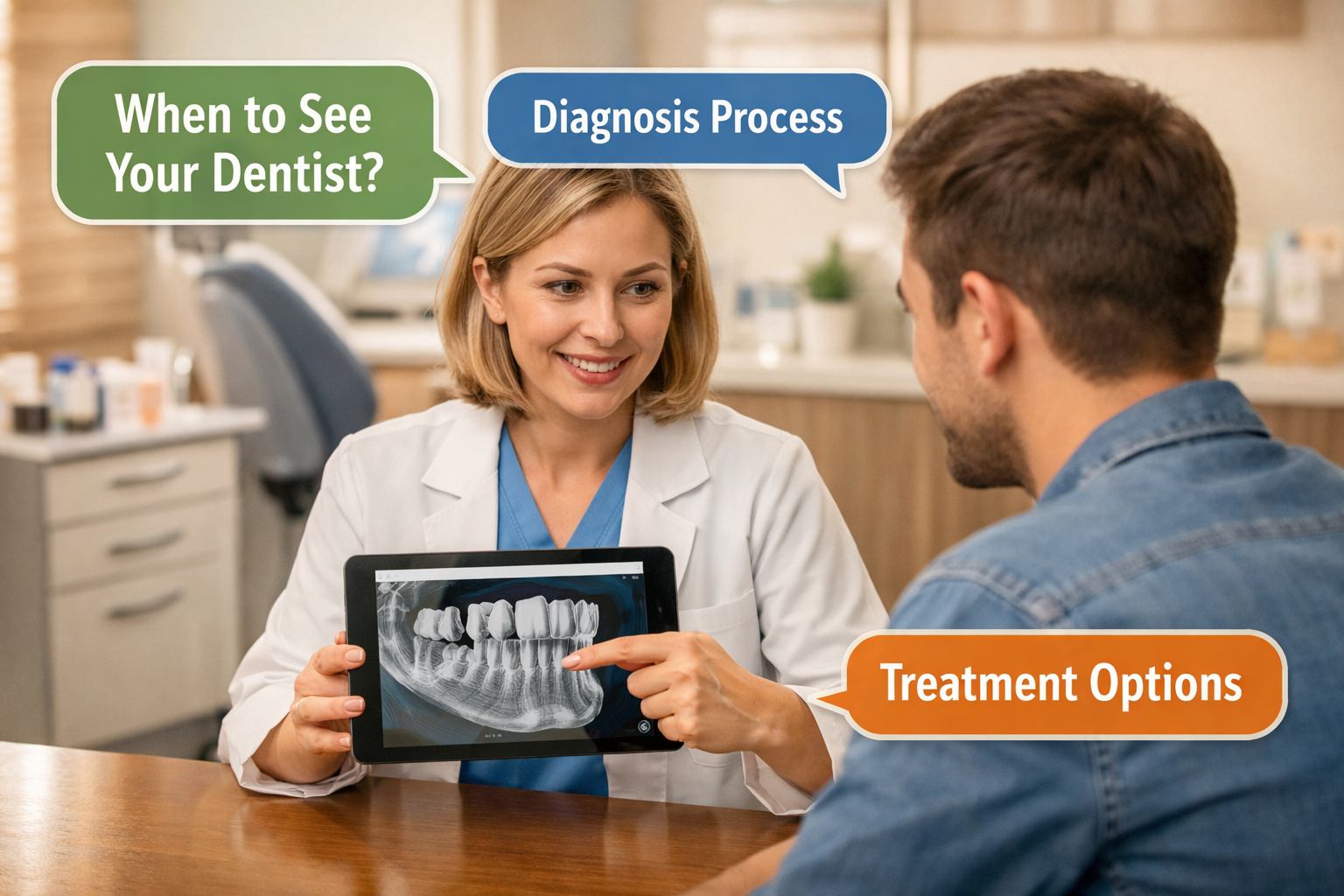
Preventing and managing headaches related to dental implants involves careful planning, skilled execution, and diligent post-operative care. By taking a proactive approach, patients can significantly reduce their risk of experiencing such discomfort and ensure a smoother dental implant journey.
Preventive Measures Before and During Procedure:
- Comprehensive Assessment: A thorough pre-surgical evaluation, including advanced imaging (like 3D scans), is crucial. This allows your dental implant specialist to map out nerve pathways, assess bone density, and identify proximity to sinuses, minimizing risks.
- Experienced Specialist: Choosing a highly experienced and qualified dentist for dental implants in Dallas is paramount. Their expertise in precise implant placement and knowledge of oral anatomy reduces the likelihood of complications. Consider consulting our top 10 dental implant specialists in Dallas TX.
- Bite Planning (Occlusion): Careful planning of the final restoration (crown, bridge, or denture) to ensure proper bite alignment is essential. The implant must integrate seamlessly into your chewing system without creating interferences.
- Managing Underlying Conditions: If you have pre-existing conditions like bruxism or TMJ disorder, these should be addressed before or concurrently with implant placement to prevent them from being exacerbated.
- Clear Communication: Discuss any history of migraines or chronic headaches with your dentist during your initial consultation with a dentist.
Post-Operative Management:
- Follow Instructions: Adhere strictly to your dentist’s post dental implant instructions regarding medication, diet, oral hygiene, and activity levels.
- Pain Management: Use prescribed or recommended pain relievers as directed to manage initial post-surgical discomfort and prevent tension buildup.
- Cold Compress: Applying a cold compress to the outside of your jaw can help reduce swelling and discomfort in the initial healing phase.
- Monitor Your Bite: Pay attention to how your teeth meet after the final restoration is placed. If anything feels “off,” report it to your dentist immediately for an adjustment.
- Stress Reduction: Practice stress-reducing techniques, as stress can contribute to jaw clenching and tension headaches.
- Regular Check-ups: Maintain regular follow-up appointments with your dentist to ensure the implant is healing well and that your bite remains stable.
By prioritizing patient safety and employing meticulous dental implant procedure practices, your dental team in Dallas can significantly reduce the potential for headaches and other complications, supporting your journey to long-term oral health.
Frequently Asked Questions
Is it normal to have a headache after dental implant surgery?
Yes, it is common to experience mild, temporary headaches for a few days after dental implant surgery due to the body’s natural inflammatory response, anesthesia effects, or jaw muscle strain during the procedure.
How long do headaches last after an implant?
Typically, mild post-operative headaches subside within 2-3 days. If they persist longer or worsen, it’s advisable to contact your dentist for evaluation.
Can a loose dental implant cause headaches?
Yes, a loose or failing dental implant can cause localized pain and discomfort, which may contribute to tension or referred headaches. This requires immediate dental attention.
What should I do if my implant crown feels high and I have a headache?
If your implant crown feels high, contact your dentist immediately. An uneven bite can strain jaw muscles and lead to headaches, requiring a simple adjustment to the crown.
Can dental implants affect my sinuses and cause headaches?
Yes, upper jaw dental implants, especially if they penetrate the sinus membrane, can lead to sinus inflammation or infection, which can cause sinus pressure and headaches.
Are headaches from dental implants a sign of infection?
Headaches accompanied by increased swelling, redness, pus, fever, or persistent pain around the implant site could be a sign of infection (peri-implantitis) and warrant urgent dental consultation.
Can TMJ disorder cause headaches after dental implants?
Yes, an imbalance in your bite caused by a new implant can exacerbate or trigger TMJ dysfunction, which commonly manifests as jaw pain and tension-type headaches.
Does teeth grinding (bruxism) with implants cause headaches?
Yes, if you grind or clench your teeth (bruxism), the increased forces on your jaw muscles and teeth, possibly exacerbated by a new implant, can lead to tension headaches. Your dentist might recommend a night guard.
Can nerve damage from an implant cause headaches?
In rare cases, if an implant impinges on a nerve during placement, it can cause neuropathic pain that may radiate as a severe, localized headache or facial pain. This is a serious but uncommon complication.
What is the long-term outlook for headaches related to dental implants?
Most headaches related to dental implants are temporary and resolve with proper healing or minor adjustments. For persistent issues, professional diagnosis and treatment usually lead to significant relief and successful long-term outcomes.
Conclusion
While the prospect of dental implants causing headaches can be concerning, it’s important to approach this topic with a balanced perspective. Direct headaches specifically caused by the implant fixture itself are rare. More commonly, any head pain experienced by patients is an indirect result of the surgical healing process, temporary inflammation, or related issues such as bite misalignment, jaw muscle strain, or, in infrequent cases, nerve or sinus complications.
For individuals in Dallas considering tooth replacement options, it’s reassuring to know that dental implants boast a high success rate and are a safe, effective solution for missing teeth. The key to minimizing potential complications, including headaches, lies in several critical factors:
- Choosing an experienced and reputable dental implant specialist in Dallas TX.
- Undergoing a comprehensive pre-surgical assessment, including advanced imaging.
- Adhering meticulously to all post-operative care instructions.
- Communicating openly with your dental team about any discomfort or changes you experience.
If you are experiencing persistent or unusual headaches after a dental implant procedure, do not hesitate to reach out to your dental professional. Early diagnosis and appropriate intervention can effectively address the underlying cause, ensuring your comfort and the long-term success of your implant. Your journey to a confident smile and optimal oral health should be as smooth and comfortable as possible.
References
[1] Shiratronics Reports Yearlong Migraine Relief With Implantable Neuromodulation Therapy – https://www.medicaleconomics.com/view/shiratronics-reports-yearlong-migraine-relief-with-implantable-neuromodulation-therapy
[2] First Patient Trial Neurostimulation Migraine – https://news.bostonscientific.com/first-patient-trial-neurostimulation-migraine
[3] Transnasal Evaporative Cooling Effective For Acute Treatment Of Migraine Pain – https://consultqd.clevelandclinic.org/transnasal-evaporative-cooling-effective-for-acute-treatment-of-migraine-pain
[4] First Patient Receiving Groundbreaking Neuromodulation Solution For Severe Migraine And Cluster Headaches – https://www.salviabioelectronics.com/news/first-patient-receiving-groundbreaking-neuromodulation-solution-for-severe-migraine-and-cluster-headaches
[5] Shiratronics Chronic Migraine Treatment Demonstrates Long Term Efficacy – https://www.medicaldevice-network.com/news/shiratronics-chronic-migraine-treatment-demonstrates-long-term-efficacy/
[6] Migraines They Are In Your Head – https://www.eurekanetwork.org/impact/migraines-they-are-in-your-head/
[7] January 2026 Clinical Research Update The Latest Findings In Migraine – https://migrainecollaborative.org/january-2026-clinical-research-update-the-latest-findings-in-migraine
[8] Adult Med Also Reduces Monthly Migraine Days For Many Children – https://scienceblog.cincinnatichildrens.org/adult-med-also-reduces-monthly-migraine-days-for-many-children/
[9] Nct06047444 – https://clinicaltrials.gov/study/NCT06047444
[10] In Barrow Study International Headache Experts Define Most Severe Migraine – https://www.barrowneuro.org/about/news-and-articles/press-releases/in-barrow-study-international-headache-experts-define-most-severe-migraine/
Leave a Reply
Share your thoughts or ask a question about dental implants. Your email address will not be published.