

When considering tooth replacement options like dental implants in Dallas, many patients focus on aesthetics, function, and cost. However, a less frequently discussed but equally important aspect is how the procedure and the implants themselves might influence your sleep. The question, “Can implant affect sleep?” is a valid one, and understanding the potential temporary and long-term impacts is crucial for anyone embarking on this journey. This article provides a comprehensive, medically responsible overview to help you make informed decisions about your oral health.
Key Takeaways
- Temporary Sleep Disturbances are Common Post-Surgery: Most sleep issues related to dental implants are temporary, occurring immediately after the implant surgery process due to discomfort, swelling, and medication side effects.
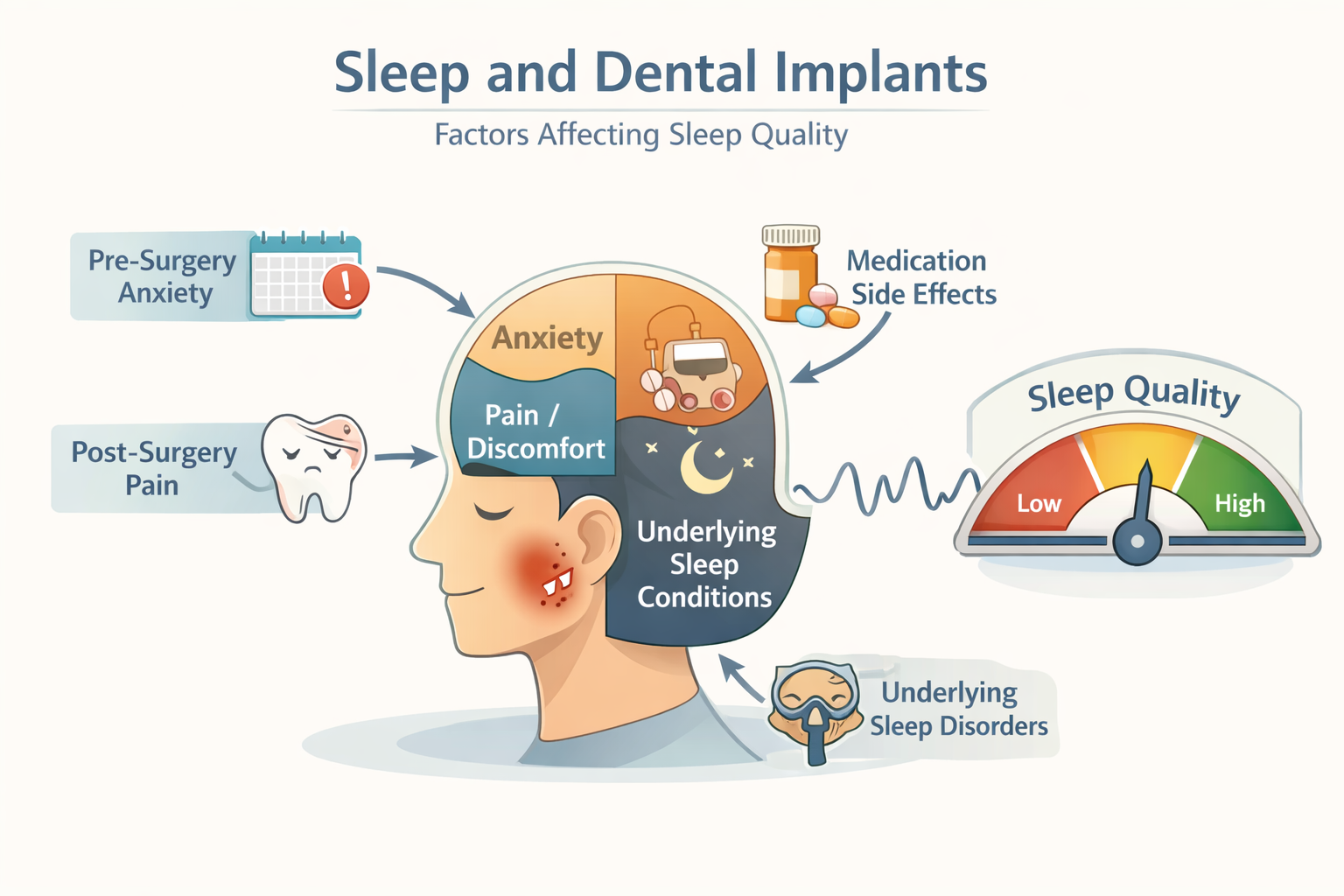
- Anxiety Plays a Role: Pre-surgery anxiety can significantly impact sleep quality before the procedure.
- Underlying Sleep Conditions are Key: Pre-existing conditions like sleep apnea or bruxism (teeth grinding) can complicate both recovery and long-term implant success. Addressing these is vital.
- Proper Post-Operative Care is Crucial: Following post dental implant instructions rigorously can minimize discomfort and aid better sleep.
- Long-Term Impact is Generally Positive: Once healed, successful dental implants typically improve sleep by resolving issues caused by missing teeth, such as discomfort, difficulty eating, or concerns about denture stability.
- Consult Your Dentist about Sleep Concerns: Always discuss any sleep-related worries with your dental team, especially if you have a history of sleep disorders.
- Sedation Can Aid During Procedure: For patients with significant anxiety, dental implant with sedation can help manage stress during the procedure, which may indirectly lead to better post-op sleep.
Quick Answer
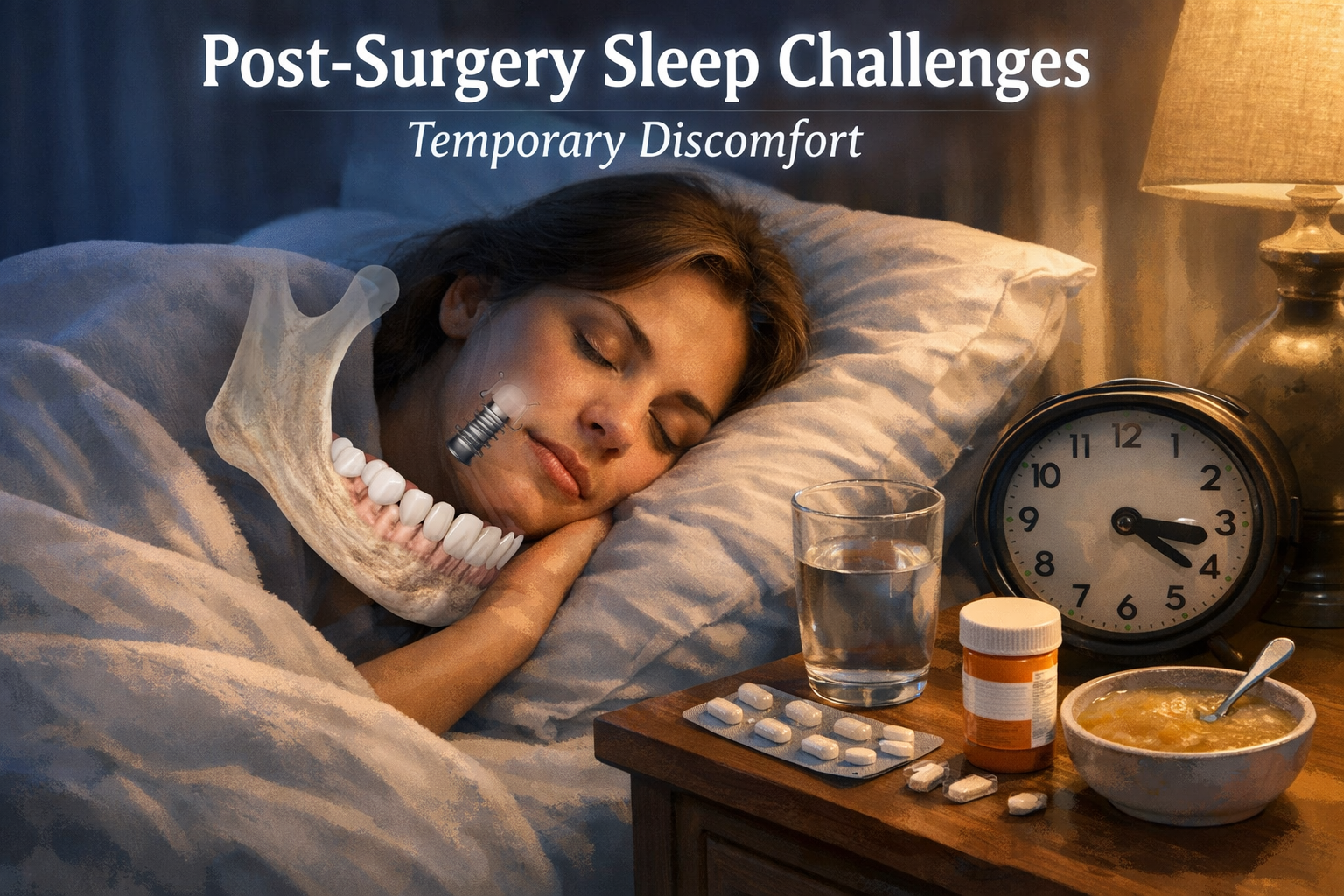
Yes, dental implant procedures can temporarily affect sleep, primarily due to post-surgical discomfort, swelling, and medication side effects. However, once healed, successful dental implants are generally associated with improved sleep quality, as they alleviate problems caused by missing teeth or unstable dentures, contributing positively to long-term oral health and overall well-being.
How Can Implant Affect Sleep Immediately After Surgery?
Immediately following dental implant surgery, it is common to experience temporary sleep disturbances. This impact is primarily due to a combination of factors including surgical discomfort, swelling, the effects of anesthesia, and prescribed medications. While these effects are usually short-lived, understanding them can help patients prepare for a smoother recovery.
During the initial recovery phase, patients in Dallas TX undergoing a dental implant procedure might find their sleep interrupted by:
- Pain and Discomfort: The most direct impact comes from the surgical site itself. Even with pain medication, some degree of soreness or throbbing can make it difficult to find a comfortable sleeping position or stay asleep.
- Swelling and Bruising: These common post-operative symptoms can add to discomfort, especially if they affect the jaw or facial muscles. Elevating the head with extra pillows can help reduce swelling and may improve comfort for sleeping.
- Anesthesia and Sedation Effects: While immediate effects wear off quickly, residual grogginess or an altered sleep-wake cycle can occur for a day or two after receiving dental implant with sedation.
- Medication Side Effects: Prescribed pain relievers, antibiotics, and anti-inflammatory drugs can sometimes cause side effects like nausea, drowsiness (which can sometimes lead to fragmented sleep), or agitation, all of which can interfere with restorative sleep.
- Anxiety and Stress: It’s natural to feel some anxiety about the procedure and recovery, which can contribute to restless sleep even before the physical discomfort sets in. Managing this stress through relaxation techniques can be beneficial.
- Dietary Restrictions: A soft food diet can sometimes lead to feelings of hunger or dissatisfaction, potentially affecting sleep quality if not managed properly.
To minimize these temporary effects, diligent adherence to post-op dental implant instructions is vital. This includes proper medication timing, applying ice packs to reduce swelling, and maintaining good oral hygiene. Most patients find that sleep patterns return to normal within a few days to a week as the initial healing progresses.
What Are the Long-Term Implications of Dental Implants on Sleep Quality?
In the long term, successful dental implants generally improve sleep quality, rather than negatively affecting it. This positive impact stems from addressing underlying oral health issues that may have previously contributed to sleep disturbances. By providing a stable, functional, and aesthetically pleasing solution for missing teeth, dental implants can resolve several chronic problems.
Patients considering tooth replacement options like dental implants in Dallas often experience improved sleep due through:
- Elimination of Discomfort from Missing Teeth: Gaps from missing teeth can lead to chewing difficulties, jaw pain, or shifting teeth, all of which can cause discomfort that disrupts sleep. Dental implants restore complete functionality, alleviating these issues.
- Stabilizing Dentures: For those transitioning from traditional dentures, implant-supported dentures (or overdentures) offer significantly enhanced stability. Loose dentures can cause irritation, sores, or even accidentally dislodge during sleep, leading to discomfort and anxiety. Implants eliminate these concerns, providing a secure fit that allows for undisturbed rest.
- Improved Chewing Function: The ability to eat a full range of foods comfortably with dental implants ensures better nutrition, which indirectly supports overall health and sleep quality. Issues with eating due to missing teeth can lead to digestive problems or discomfort that impacts sleep.
- Enhanced Oral Health: Dental implants contribute to better overall oral health education by preventing bone loss in the jaw and maintaining the alignment of remaining teeth. A healthy mouth is less prone to pain or infection, which could otherwise interfere with sleep.
- Boosted Confidence and Reduced Stress: Having a complete, healthy smile can significantly reduce self-consciousness and stress related to appearance or eating in public. Reduced psychological stress often translates to better sleep. This is a significant benefit for long-term oral health.
While the healing time for senior dental implant patients may vary, the eventual outcome is typically improved quality of life and better sleep. Ultimately, once the implant has fully integrated and the restoration is in place, the vast majority of patients report no negative long-term impact on their sleep from the implants themselves; instead, they often experience a considerable improvement.
Can Implant Affect Sleep if There are Underlying Oral Health or Sleep Conditions?
Yes, if underlying oral health issues or pre-existing sleep conditions are present, they can certainly influence how a dental implant affects sleep, both during recovery and in the long term. These conditions can complicate the healing process, introduce new challenges, or exacerbate existing sleep disturbances. Addressing these concerns with your dental team is crucial for patient safety and optimal outcomes.
Patients in Dallas seeking solutions for missing teeth should discuss any of the following with their dentist:
- Bruxism (Teeth Grinding): Patients who grind or clench their teeth, especially during sleep, put excessive force on dental implants. This can lead to complications such as implant failure, crown fracture, or chronic jaw pain (TMJ issues), all of which can significantly affect sleep quality. A nightguard is often recommended to protect implants and natural teeth if bruxism is diagnosed. For those with severe teeth grinding damage, finding solutions to protect your implants is essential.
- Sleep Apnea: This serious sleep disorder, characterized by pauses in breathing during sleep, can affect overall health and wound healing. While dental implants do not cause sleep apnea, untreated sleep apnea can potentially impact recovery due to compromised oxygen levels or chronic inflammation. Conversely, addressing significant dental issues with implants might indirectly improve breathing in some mild cases if the missing teeth contributed to airway collapse, though this is not a primary treatment for sleep apnea. Advances in sleep medicine, including AI models that predict disease risk from polysomnography data, are continually evolving to identify and manage such conditions more effectively [3, 4].
- Gum Disease/Periodontitis: Active gum disease around natural teeth can pose a risk for peri-implantitis, an inflammatory condition affecting the tissues around dental implants. Inflammation and infection can cause pain and discomfort, leading to disturbed sleep.
- Temporomandibular Joint (TMJ) Disorders: Pre-existing TMJ issues, often characterized by jaw pain, clicking, or limited movement, can be exacerbated by dental procedures or stress. Discomfort in the jaw joint can make it difficult to sleep comfortably.
- General Health Conditions: Chronic illnesses like diabetes, autoimmune disorders, or conditions requiring specific medications can affect healing and overall sleep quality. It is essential to provide a complete medical history to your dental implant specialist in Dallas.
A thorough consultation with a dentist in Dallas TX, including a review of your medical and dental history and a discussion about any sleep concerns, is paramount. If a sleep disorder is suspected, your dentist may recommend further evaluation by a sleep specialist. Understanding these connections helps ensure a smoother dental implant journey and supports long-term oral health.
Sleep and Oral Health: A Two-Way Street
Research indicates a clear link between sleep quality and various health outcomes. For instance, poor sleep quality has been associated with outcomes in assisted reproductive technology (ART) [1]. While this specific study isn’t directly about dental implants, it highlights the broader understanding that quality sleep is foundational to healing and bodily functions. Similarly, advancements in machine learning interventions are being explored to improve sleep quality across various populations [2]. These developments underscore the growing recognition of sleep as a critical health indicator.
Strategies to Improve Sleep During Dental Implant Recovery in 2026
Improving sleep during dental implant recovery is crucial for comfort, healing, and overall well-being. By proactively implementing certain strategies, patients in Dallas TX can minimize sleep disturbances and promote a smoother, more restful recovery process.
Here are actionable steps to enhance sleep during the post-operative period for your dental implant procedure:
- Manage Pain Effectively:
- Adhere to Medication Schedule: Take prescribed pain medication as directed by your dentist, even if you feel okay. Staying ahead of the pain can prevent it from escalating and disrupting your sleep.
- Over-the-Counter Options: Discuss with your dentist if over-the-counter pain relievers like ibuprofen or acetaminophen can supplement your prescription, ensuring you don’t exceed recommended dosages.
- Control Swelling:
- Cold Compress: Apply ice packs to the outside of your cheek near the surgical site for 20 minutes on, 20 minutes off, during the first 24-48 hours. This significantly reduces swelling.
- Elevate Your Head: Use an extra pillow or two, or sleep in a recliner, to keep your head elevated. This helps minimize swelling and discomfort, making it easier to sleep.
- Prepare Your Sleeping Environment:
- Dark, Quiet, Cool: Ensure your bedroom is dark, quiet, and kept at a comfortable, cool temperature to optimize sleep conditions.
- Avoid Stimulants: Refrain from caffeine and alcohol, especially in the hours leading up to bedtime. While tempting, coffee after dental implant surgery should be approached with caution, as it can interfere with healing and sleep [https://dentalimplantsdallastx.com/coffee-after-dental-implant-surgery-your-comprehensive-guide-to-safe-sips-and-speedy-healing/].
- Follow Dietary Guidelines:
- Soft Foods: Stick to a soft diet as recommended by your dentist. Eating foods that require minimal chewing reduces strain on the surgical site.
- Hydration: Drink plenty of water. Dehydration can lead to fatigue and general discomfort.
- Practice Good Oral Hygiene (Carefully):
- Gentle Rinsing: Use the prescribed mouthwash or warm salt water rinses as directed. Keeping the surgical site clean is vital for preventing infection, which could cause pain and disrupt sleep.
- Avoid Disturbing the Site: Do not poke, prod, or aggressively brush the surgical area.
- Manage Anxiety:
- Relaxation Techniques: Practice deep breathing exercises, meditation, or listen to calming music before bed.
- Communication with Your Dentist: If anxiety is high, discuss it with your dentist in Dallas. They may offer strategies or resources, including discussing dental implant with sedation for the procedure itself, which can ease pre-surgery stress.
- Limit Screen Time: The blue light emitted from phones, tablets, and computers can interfere with melatonin production, making it harder to fall asleep. Avoid screens at least an hour before bed.
By taking these steps, patients can significantly improve their comfort and sleep quality during the crucial healing phase, supporting a successful outcome for their dental implants in Dallas. For detailed guidance on recovery, refer to our comprehensive post dental implant instructions.
Comparing Sleep Quality: Before and After Dental Implants
Many individuals considering dental implants are often managing sleep issues caused by their current oral health challenges. Understanding the potential changes in sleep quality from before to after the dental implant procedure can highlight the overall benefits of this tooth replacement option.
| Feature | Before Dental Implants (with missing teeth or unstable dentures) | After Dental Implants (healed and restored) |
|---|---|---|
| Chewing Comfort | Often difficult, leading to food restrictions, discomfort, and potential indigestion, which can impact sleep. | Full chewing ability restored, allowing for a balanced diet and comfortable eating, promoting better digestion and sleep. |
| Jaw Pain/Discomfort | May experience jaw pain, headaches, or TMJ issues due to misaligned bite, shifting teeth, or unstable prosthetics. | Jaw stability is restored, bite is corrected, significantly reducing or eliminating pain that could disrupt sleep. |
| Oral Irritation | Loose dentures can cause sores, rubbing, or irritation; exposed gums from missing teeth can be sensitive. | Implants are stable and integrated, eliminating irritation from movement, allowing for peaceful sleep. |
| Confidence/Anxiety | Self-consciousness about smile or fear of dentures dislodging can cause stress and anxiety, leading to restless sleep. | Restored confidence in smile and function reduces anxiety, promoting mental relaxation conducive to sleep. |
| Speech Clarity | May be affected by missing teeth or ill-fitting dentures, leading to frustration or subconscious stress. | Improved speech clarity, reducing stress and enhancing overall comfort. |
| Nutritional Intake | Limited diet due to chewing issues can lead to nutritional deficiencies impacting overall health and sleep. | Ability to eat a wide variety of healthy foods, supporting better systemic health and sleep. |
| Airway Obstruction | In some specific cases, severe tooth loss or poorly fitting prosthetics could contribute to subtle airway issues (though implants are not a primary sleep apnea treatment). | Restored dental arch can support proper oral structure. Note: Implants do not treat sleep apnea but can address oral factors. |
This comparison clearly illustrates that while the immediate post-surgical period may bring temporary sleep challenges, the long-term benefits of dental implants for sleep quality are substantial. By addressing chronic discomfort and functional issues, dental implants in Dallas offer a path to improved long-term oral health and a more restful night’s sleep. Patients interested in understanding the full scope of benefits for missing teeth solutions should consult with a qualified professional.
Why is it Important to Discuss Sleep with Your Dental Implant Specialist in Dallas?
Discussing your sleep habits and any pre-existing sleep conditions with your dental implant specialist in Dallas is critically important for several reasons. This open communication ensures patient safety, optimizes treatment planning, and contributes significantly to the long-term success of your dental implant procedure.
A comprehensive understanding of your sleep profile allows your dental team to:
- Assess and Mitigate Risks:
- Bruxism Detection: If you grind or clench your teeth (bruxism), either consciously or during sleep, your dentist needs to know. Bruxism can place undue stress on new implants, potentially leading to complications like implant failure or damage to the crown. Knowing this allows them to recommend protective measures, such as a custom nightguard.
- Sleep Apnea Considerations: While dental implants do not treat sleep apnea, untreated severe sleep apnea can impact wound healing and overall health. Your dentist can assess if a referral to a sleep specialist for diagnosis or management is necessary before or during your dental implant journey. Current developments in sleep medicine, including new AI models for disease risk prediction, emphasize the increasing focus on integrated care [3, 4].
- Optimize Anesthesia and Sedation: Your sleep patterns and any history of sleep disorders can influence the choice and dosage of sedation options during your implant surgery. For instance, dental implant with sedation may be tailored based on your individual needs and sensitivities.
- Tailor Post-Operative Instructions: If you’re prone to restless sleep or have specific sensitivities, your dentist can provide more personalized post-op dental implant instructions to manage pain, swelling, and discomfort, thereby improving your ability to rest.
- Manage Expectations: By discussing potential temporary sleep disturbances, your dental team can help you prepare for and manage the initial recovery phase more effectively, reducing anxiety.
- Ensure Long-Term Oral Health: Addressing sleep-related issues proactively, especially those impacting oral structures (like bruxism), contributes to the longevity and success of your dental implants and your overall oral health. A specialist will want to ensure your implants are a solution for long-term oral health.
- Holistic Patient Care: A responsible dental implant education approach considers the whole patient, not just the missing teeth. Understanding how dental implants in Dallas integrate into your broader health picture, including sleep, reflects a patient-first philosophy.
Therefore, when you have your initial consultation with a dentist about dental implant costs in Dallas or the procedure itself, be open and honest about your sleep habits. This collaborative approach between you and your dental implant specialist is key to achieving the best possible outcome for your smile and your overall well-being.
The Role of Sedation in Managing Sleep-Related Anxiety for Dental Implant Patients
For many patients, the idea of dental implant surgery can provoke significant anxiety, which in itself can disrupt sleep leading up to the procedure. Sedation plays a crucial role in alleviating this pre-operative stress, indirectly contributing to better rest both before and immediately after the dental implant procedure.
- Reducing Pre-Procedure Anxiety: Opting for dental implant with sedation can transform a potentially stressful experience into a calm one. Sedation options, ranging from nitrous oxide to oral conscious sedation or IV sedation (often referred to as “twilight sleep”), help patients relax deeply during the surgery. This reduction in anxiety prior to the procedure can prevent sleepless nights leading up to the appointment.
- Ensuring Comfort During the Procedure: Sedation allows the dental implant specialist in Dallas to perform the implant surgery process efficiently while the patient remains comfortable and often remembers little to nothing of the procedure. This lack of traumatic memory can prevent post-traumatic stress or anxiety from affecting sleep during recovery.
- Facilitating Easier Post-Op Recovery: While sedation effects wear off, the absence of high stress during surgery can mean the patient’s body is less tense, potentially leading to less overall inflammation and a more relaxed state entering recovery. This can indirectly aid in falling asleep more easily in the initial hours post-surgery, though direct effects of the sedative might also cause drowsiness.
It’s important to note that while sedation helps manage anxiety and discomfort during the procedure, patients should still follow all post-op instructions carefully, including pain management and swelling control, to ensure optimal sleep during the recovery period. A thorough consultation with a dentist will help determine the most appropriate sedation method for individual needs, contributing to patient safety and a more comfortable journey towards a restored smile.
Conclusion: Finding Rest and Restoration with Dental Implants

The question “Can implant affect sleep?” delves into an important facet of overall well-being often overlooked when considering dental implant procedures. While it’s true that the initial post-surgical period may bring temporary sleep disturbances due to discomfort, swelling, and medication, these effects are typically short-lived and manageable with proper care. In the long term, successful dental implants in Dallas generally contribute to significantly improved sleep quality. By replacing missing teeth, stabilizing dentures, and restoring full chewing function, implants eliminate chronic sources of discomfort and anxiety that often plague individuals with compromised oral health.
For those considering this transformative tooth replacement option, it is paramount to engage in open communication with your dental implant specialist in Dallas. Discussing any pre-existing sleep conditions like bruxism or sleep apnea, as well as your general sleep habits, allows your dental team to tailor treatment plans, mitigate risks, and provide personalized post-operative care instructions. Techniques such as effective pain management, swelling reduction, and considering dental implant with sedation can help ensure a more comfortable experience and restful recovery.
Ultimately, dental implants are not just about aesthetics; they are a comprehensive solution for long-term oral health that can profoundly enhance your quality of life, including the invaluable benefit of restorative sleep. If you have missing teeth and are exploring options, we encourage you to schedule a consultation with a dentist at Dental Implant Education in Dallas, TX, to discuss how dental implants can bring both a confident smile and peaceful rest back into your life in 2026.
Related Reading
- Factors Affecting Implant Cost in Dallas | Complete Pricing Guide
- Dental Implant Complications Dallas | Recovery & Prevention
- Post Dental Implant Instructions: Essential Recovery Guide 2
- Full Mouth Dental Implants Dallas: 2026 Cost Comparison and
- Senior Dental Implant Healing Time: Your 2026 Guide
FAQ
Is it normal to have trouble sleeping after an implant?
Yes, it is normal to experience some difficulty sleeping immediately after dental implant surgery due to discomfort, swelling, and medication side effects. These issues are typically temporary and subside within a few days to a week as healing progresses.
Can dental pain cause sleep problems?
Yes, any kind of dental pain, including post-surgical discomfort, can significantly disrupt sleep by making it difficult to find a comfortable position, fall asleep, or stay asleep.
How long does it take for swelling to go down after a dental implant?
Significant swelling usually peaks within 48-72 hours after dental implant surgery and then gradually subsides over the next 5-7 days. Minor residual swelling might persist slightly longer.
Can I sleep on my side after a dental implant?
It is generally recommended to sleep with your head elevated and avoid sleeping directly on the surgical site for the first few days after a dental implant to minimize swelling and protect the healing area.
What helps with pain after dental implant surgery?
Pain after dental implant surgery is typically managed with prescribed pain medication, over-the-counter pain relievers (as advised by your dentist), cold compresses to reduce swelling, and adherence to all post-operative instructions.
Does sleep apnea affect dental implant success?
While sleep apnea does not directly cause dental implant failure, untreated severe sleep apnea can impact overall health and wound healing. It’s important to discuss any sleep apnea diagnosis with your dentist for comprehensive care planning.
Should I take pain medication before bed after an implant?
Yes, taking prescribed pain medication before bed, as directed by your dentist, is often recommended to help manage discomfort overnight and promote more restful sleep during the initial recovery period.
Can anxiety about dental work affect my sleep?
Yes, anxiety about upcoming dental implant surgery or concerns about recovery can significantly impact sleep quality, leading to restless nights even before the procedure takes place.
Will dental implants improve my overall quality of life, including sleep?
Once healed, successful dental implants often improve overall quality of life, including sleep, by restoring chewing function, eliminating discomfort from missing teeth or unstable dentures, and boosting confidence.
What should I do if my sleep problems persist after dental implant healing?
If sleep problems persist long after the dental implant has healed and initial recovery is complete, it’s advisable to consult with your dentist or a general physician to rule out other underlying health or sleep conditions.
References
[1] Sleep quality’s association with assisted reproductive technology (ART) outcomes – https://pmc.ncbi.nlm.gov/articles/PMC12852276/
[2] Machine learning interventions to improve sleep quality – https://www.researchprotocols.org/2026/1/e76415
[3] An AI model (SleepFM) that predicts disease risk from polysomnography data – https://med.stanford.edu/news/all-news/2026/01/ai-sleep-disease.html
[4] sciencedaily – https://www.sciencedaily.com/releases/2026/01/260109023114.htm
[5] Jp Morgan 2026 Signals Renewed Interest Sleep Medicine – https://www.pharmexec.com/view/jp-morgan-2026-signals-renewed-interest-sleep-medicine
[6] What To Expect In Sleep And Sinus Care In 2026 – https://chicagoent.com/sleep-health/what-to-expect-in-sleep-and-sinus-care-in-2026/
[7] grc – https://www.grc.org/sleep-regulation-and-function-conference/2026/
Leave a Reply
Share your thoughts or ask a question about dental implants. Your email address will not be published.