

Are you considering dental implants in Dallas, TX, to replace missing teeth, but worried about their long-term stability? A common concern among individuals exploring tooth replacement options is whether a dental implant can shift over time. The quick answer is that while rare, dental implants can shift if proper osseointegration fails or if complications arise, but with modern techniques and proper care, they are designed for exceptional stability and longevity.
Dental implants are widely recognized as a durable and effective solution for restoring smiles, but understanding the factors that contribute to their success—and potential challenges—is crucial for patients. Our goal at Dental Implant Education – Dallas TX is to provide clear, factual information to help you make informed decisions about your oral health.
Key Takeaways
- Exceptional Stability: Dental implants are designed to be a permanent, stable solution for missing teeth, thanks to the biological process of osseointegration.
- Osseointegration is Key: Successful integration of the titanium implant post with the jawbone is the primary factor preventing implant shift.
- Causes of Shifting (Rare): While uncommon, an implant can shift due to failed osseointegration, peri-implantitis (gum disease around the implant), trauma, poor surgical placement, or excessive biting forces.
- Early vs. Late Shifts: Instability can occur shortly after surgery due to healing complications or much later due to chronic issues like infection or bone loss.
- Prevention is Paramount: Adhering to post-operative instructions, maintaining rigorous oral hygiene, and attending regular dental check-ups are vital for long-term implant success.
- Professional Consultation: If you experience any signs of implant instability, immediate consultation with a qualified dentist or oral surgeon in Dallas is essential.
- High Success Rates: Dental implants boast very high success rates, typically over 95%, highlighting their reliability when properly placed and cared for [4].
- Factors for Success: Patient health, bone quality, surgeon’s expertise, and proper aftercare all significantly influence implant stability.
Quick Answer
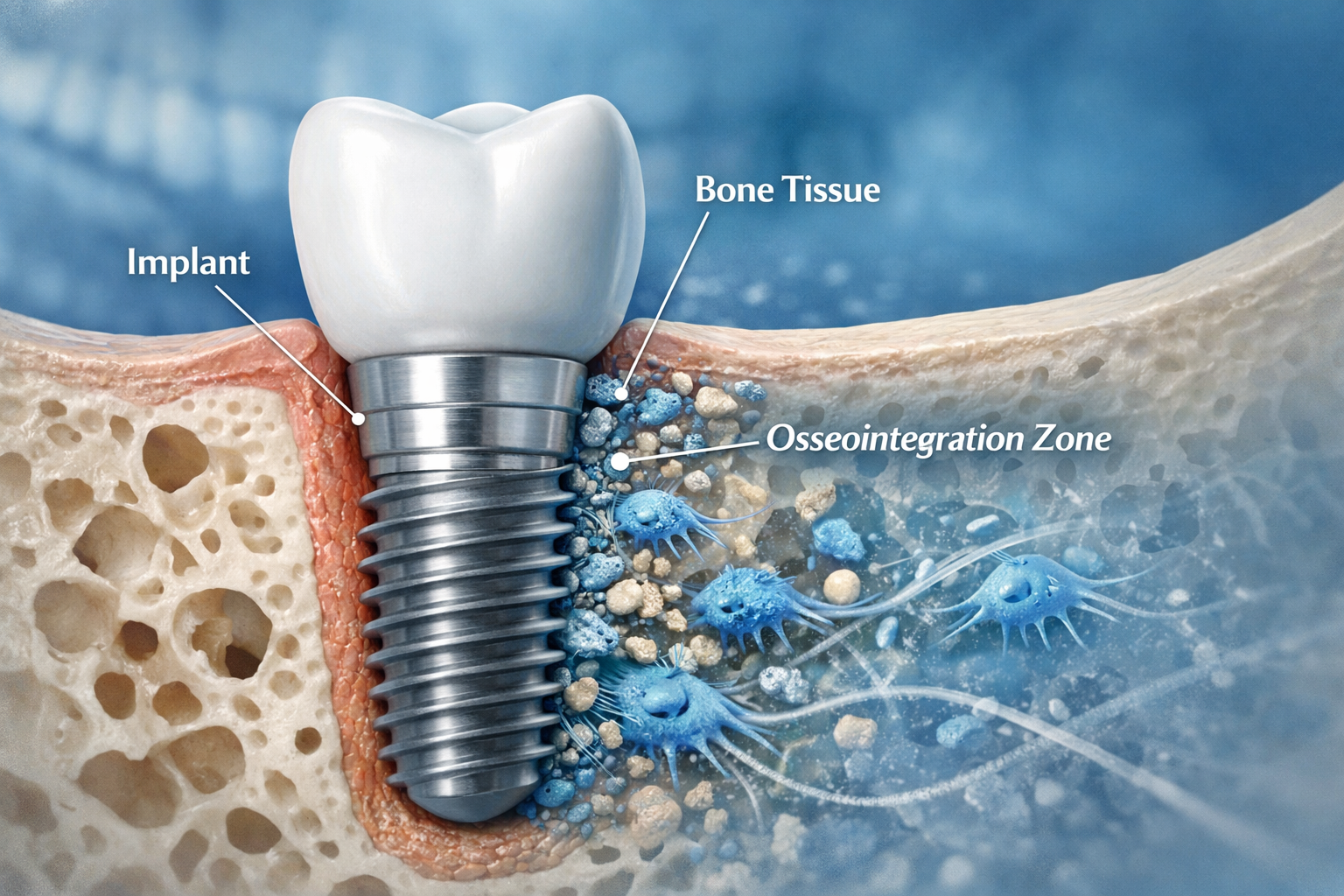
No, a properly integrated dental implant should not shift over time under normal circumstances. Dental implants are surgically placed into the jawbone, where they fuse with the bone in a process called osseointegration, providing a stable foundation similar to a natural tooth root. However, in rare instances, factors such as infection, insufficient bone support, traumatic injury, or complications during healing can compromise this integration and potentially lead to an implant shifting or failing.
Understanding Dental Implant Stability: How Can Implant Shift Over Time?
Dental implants are considered the gold standard for tooth replacement because they replicate the stability of natural teeth. The question, “Can implant shift over time?” is often rooted in a misunderstanding of how implants work. The stability of a dental implant hinges almost entirely on a biological process called osseointegration.
Osseointegration is the direct structural and functional connection between living bone and the surface of a load-bearing artificial implant [2]. Essentially, the jawbone grows around and into the surface of the titanium implant post, creating a strong, permanent bond. This process typically takes several months, during which the implant must remain undisturbed. Once osseointegration is complete, the implant becomes a fixed part of your jaw, preventing it from shifting or moving like a natural tooth root.
However, if osseointegration does not occur successfully, or if it’s compromised after initially forming, an implant can shift. This is why thorough planning, precise surgical placement by an experienced dental professional, and meticulous post-operative care are absolutely crucial.
Factors Contributing to Initial Implant Stability
Several factors are vital for achieving strong initial stability, which is a prerequisite for successful osseointegration and preventing an implant shift:
- Bone Density and Quality: Adequate bone volume and density at the implant site are critical. The implant needs sufficient healthy bone to anchor into.
- Surgical Technique: The precision and skill of the oral surgeon during the dental implant procedure are paramount. Proper angulation, depth, and avoiding overheating the bone during drilling are essential. Dentists in Dallas TX using 3D guided implant surgery can significantly enhance precision [25].
- Implant Design: The shape, surface texture, and thread design of the implant itself can influence how well it integrates with the bone. Modern implants are engineered to optimize osseointegration.
- Absence of Infection: Any pre-existing infection at the surgical site must be addressed before implant placement, as infection can severely hinder healing and osseointegration.
If these initial conditions are not met, the implant might exhibit micromotion during the healing phase, preventing proper bone integration and increasing the risk of an implant shift before it even becomes fully functional.
What Causes a Dental Implant to Shift After Osseointegration?
While rare, a dental implant that has successfully integrated can still experience movement, prompting the question, “Can implant shift over time?” This typically indicates a significant underlying issue that needs immediate attention. Once an implant is osseointegrated, it should feel stable and function like a natural tooth.
The primary causes for a previously stable dental implant to shift are usually related to bone loss or infection around the implant, or significant trauma. Understanding these potential complications is part of responsible oral health education.
Common Reasons for Post-Osseointegration Movement:
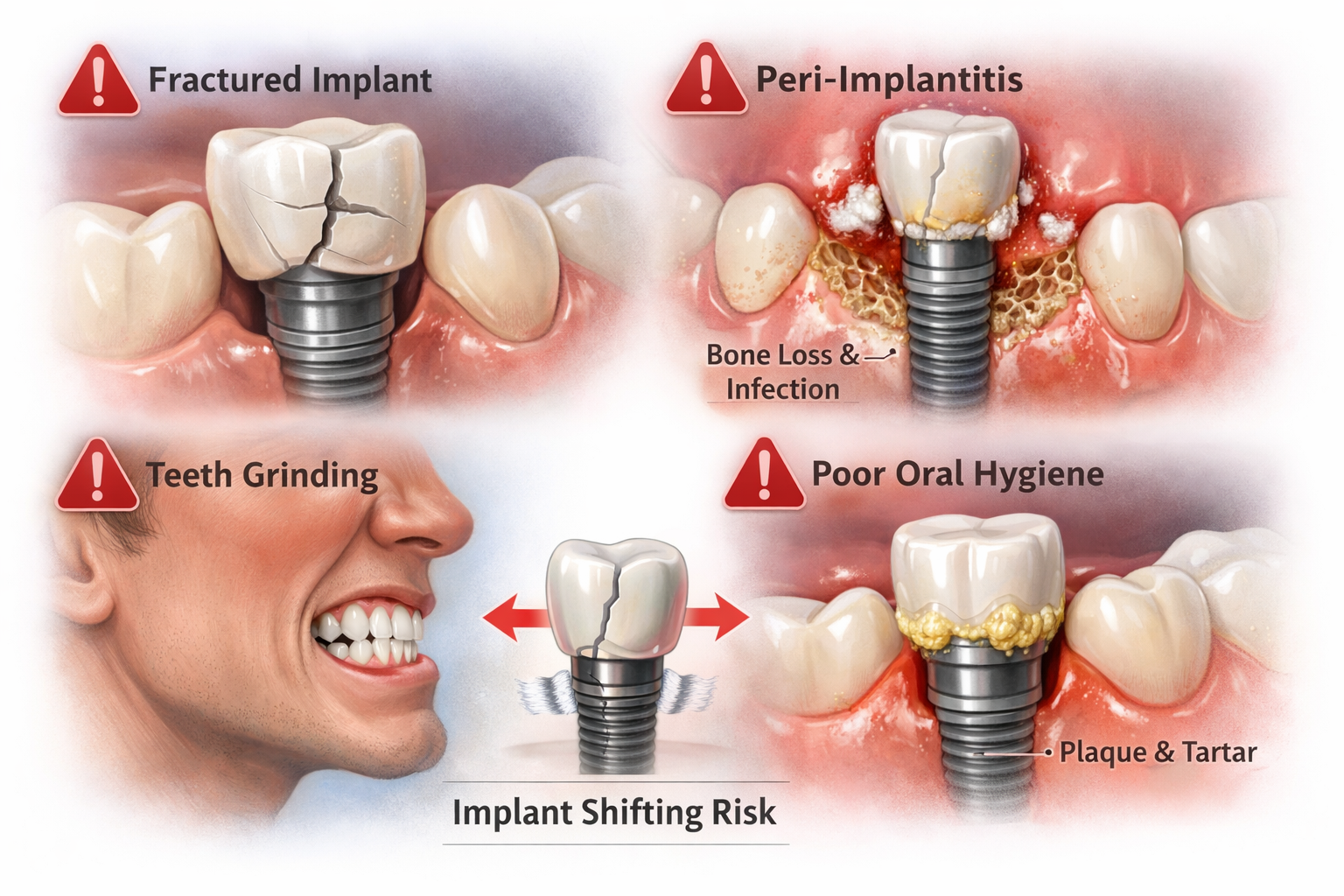
- Peri-implantitis: This is a serious inflammatory condition affecting the gum and bone tissues surrounding a dental implant [2]. Similar to periodontitis (gum disease) around natural teeth, peri-implantitis can lead to progressive loss of the bone supporting the implant. As the bone deteriorates, the implant loses its stable anchor and can begin to loosen and shift. Poor oral hygiene is a leading cause, allowing bacteria to accumulate and trigger inflammation.
- Traumatic Injury: A strong direct impact to the face or mouth, such as from an accident or sports injury, can exert forces great enough to dislodge or damage a previously stable implant. This can fracture the bone around the implant or even cause the implant itself to break.
- Excessive Occlusal Forces (Biting Forces): Habitual clenching or grinding of teeth (bruxism) can place undue stress on dental implants. Over time, these excessive forces can lead to bone loss around the implant or fatigue failure of the implant components, eventually causing the implant to loosen. A dentist might recommend a nightguard to protect implants from these forces.
- Insufficient Bone Support: While implants are placed into existing bone, underlying bone density can change over many years due to various factors. If the surrounding bone significantly degrades over time (e.g., due to osteoporosis or natural bone resorption), the implant’s stability can be compromised. This is especially relevant if the initial bone quality was borderline or if a bone graft was performed without sufficient long-term maintenance.
- Implant Fracture: Although modern dental implants are made from strong, biocompatible materials like titanium, they are not immune to fracture under extreme or prolonged stress [8]. A fractured implant can lead to instability and require removal.
- Component Loosening: Sometimes, it’s not the implant itself that shifts, but rather the prosthetic components attached to it, such as the abutment or the crown. These parts are typically screwed into the implant, and if the screws loosen, the crown or abutment might feel wobbly, giving the sensation that the implant is shifting. This is often easily corrected by tightening or replacing the component.
Recognizing the signs of these issues early is crucial for effective intervention and to minimize the risk of total implant failure. Regular check-ups with your dentist are vital for monitoring the health of your dental implants.
How to Prevent Your Dental Implant from Shifting Over Time
Preventing a dental implant from shifting over time involves a combination of diligent personal care and regular professional oversight. While some factors are beyond a patient’s control (like surgical precision), much of the long-term success depends on commitment to oral health. For patients with dental implants in Dallas, ensuring long-term oral health is a shared responsibility between you and your dental team.
Essential Prevention Strategies:
- Maintain Excellent Oral Hygiene: This is perhaps the most critical factor. Brush and floss your dental implants just as you would natural teeth. Specific tools, like a sulcus brush for implants, can help clean around the implant base effectively [27]. Poor hygiene is the leading cause of peri-implantitis, which directly threatens implant stability.
- Regular Dental Check-ups and Cleanings: Visiting your dentist regularly (typically every six months) allows them to monitor the health of your implants, gums, and surrounding bone. They can identify early signs of peri-implantitis or other issues before they become severe. Professional cleanings are essential to remove plaque and tartar buildup that regular brushing might miss.
- Avoid Habits That Damage Teeth: Refrain from biting on hard objects (ice, pens, fingernails) or using your teeth as tools. If you grind or clench your teeth (bruxism), discuss this with your dentist. A custom nightguard can protect your implants and natural teeth from excessive forces.
- Follow Post-Operative Instructions Carefully: During the initial healing phase, strict adherence to your dentist’s post-op dental implant instructions is paramount [15]. This includes dietary restrictions, medication protocols, and specific cleaning guidelines to ensure undisturbed osseointegration.
- Address Health Conditions Promptly: Certain systemic health conditions, like uncontrolled diabetes, can affect bone healing and gum health, potentially impacting implant longevity. Managing these conditions effectively is important for overall patient safety and implant success [17].
- Report Any Concerns Immediately: If you notice any unusual sensations, pain, swelling, bleeding, or perceived movement around your dental implant, contact your dentist in Dallas without delay. Early intervention can often prevent minor issues from escalating into significant complications.
By committing to these preventive measures, you significantly increase the likelihood that your dental implants will remain stable, functional, and beautiful for many years, providing a durable solution for your missing teeth.
Recognizing the Signs of a Shifting Dental Implant
Knowing what to look for can help you identify a problem early if you suspect your implant might be shifting. Early detection and intervention are critical to preserving your dental implant and preventing further complications.
Signs to Watch For:
- Perceived Movement: The most obvious sign is if the implant or the crown attached to it feels loose when you touch it, bite down, or even when speaking. This could range from a subtle wobble to noticeable movement.
- Pain or Discomfort: While some soreness is normal after initial implant surgery, persistent pain, especially accompanied by throbbing or tenderness around the implant site long after healing, is a red flag.
- Swelling or Redness: Inflammation of the gums around the implant, appearing red, swollen, or unusually tender, can indicate an infection like peri-implantitis.
- Bleeding: Gums that bleed easily around the implant during brushing or flossing are a common sign of gum inflammation or infection.
- Receding Gums: If the gum line around the implant starts to pull back, exposing more of the implant post, it could indicate bone loss or infection.
- Difficulty Chewing: If chewing becomes uncomfortable or painful on the side of the implant, or if your bite feels uneven, it might suggest an issue with the implant’s stability.
- Pus or Discharge: The presence of pus around the implant or in the surrounding gum tissue is a clear sign of infection and requires immediate professional attention.
- Changes in Bite: If your implant-supported crown or bridge suddenly feels “high” or your bite feels off, it could be a sign of component loosening or implant instability.
If you experience any of these symptoms, especially if they are new or worsening, it’s imperative to schedule a consultation with your dental professional in Dallas immediately. Do not attempt to fix or ignore the issue.
What to Do If You Suspect Your Implant Has Shifted
If you notice any signs that your dental implant might be shifting, the most important action is to seek professional dental care without delay. Prompt intervention can often save the implant or address the underlying issue before it becomes more severe.
Steps to Take:
- Contact Your Dentist Immediately: Schedule an appointment with the dentist or oral surgeon who placed your implant, or another experienced implant specialist in Dallas. Clearly describe your symptoms and concerns.
- Avoid Self-Diagnosis or Home Remedies: Do not attempt to push, pull, or adjust the implant yourself. Avoid home remedies, as they can worsen the situation or mask symptoms that a dentist needs to evaluate.
- Maintain Oral Hygiene (Gently): Continue to brush and floss gently around the implant area, unless advised otherwise by your dentist. Good hygiene is still important, but avoid aggressive brushing that might cause further irritation.
- Follow Dietary Recommendations: Your dentist may advise you to avoid chewing on the affected side or stick to a soft diet to minimize stress on the implant until it can be examined.
- Attend Your Appointment: During the consultation, the dentist will conduct a thorough examination, which may include X-rays or 3D scans, to determine the exact cause of the movement. They will assess the extent of bone loss, check for infection, and evaluate the integrity of the implant components.
Potential Interventions for a Shifting Implant:
- Tightening Components: If only the crown or abutment is loose, tightening or replacing the screw may resolve the issue.
- Treatment for Peri-implantitis: If infection is present, the dentist will thoroughly clean the area, remove infected tissue, and may prescribe antibiotics. In some cases, surgical intervention (e.g., bone grafting) may be necessary to restore lost bone support.
- Bone Grafting: If bone loss is the primary cause, bone grafting might be considered to regenerate the lost bone around the implant, though success depends on the severity of the loss.
- Implant Removal: In severe cases where the implant is significantly compromised, infected beyond repair, or has failed to integrate properly, removal of the implant may be the only option. After removal, the site will need to heal, and a new implant may be placed once conditions are favorable, or other tooth replacement options will be discussed.
Early detection and appropriate treatment are key to managing implant complications. For more information on preventing and managing complications, you can refer to our guide on Dental Implant Complications Dallas | Recovery & Prevention.
Long-Term Success Rates and Expected Durability of Dental Implants
The concern, “Can implant shift over time?”, is often alleviated by understanding the impressive long-term success rates of modern dental implants. Dental implants are known for their exceptional durability and longevity, often lasting many decades, if not a lifetime, with proper care.
Statistics and Factors Influencing Longevity:
- High Success Rates: Studies consistently show that dental implants have a success rate of over 95% over 10 years, and often much longer [4]. This makes them one of the most reliable tooth replacement options available today.
- Durability: The titanium posts themselves are incredibly durable and designed to withstand the forces of chewing. The longevity typically depends more on the surrounding bone and gum tissue health, as well as the crown or prosthesis attached to the implant.
- Patient Factors: The patient’s overall health plays a significant role. Non-smokers, individuals with good oral hygiene habits, and those without uncontrolled systemic diseases (like diabetes) generally experience higher success rates. For specific considerations for seniors, our guide on Senior Dental Implant Healing Time: Your 2026 Guide might be helpful.
- Professional Expertise: The experience and skill of the implant dentist or oral surgeon are crucial for proper placement and initial osseointegration. This ensures the implant has the best possible start.
- Maintenance: Regular follow-up appointments and diligent home care are non-negotiable for long-term implant success. Just like natural teeth, implants need cleaning and monitoring.
While individual results can vary, the vast majority of patients enjoy stable, functional, and aesthetically pleasing dental implants for a very long time. The advancements in dental implant technology continue to improve outcomes, making them a wise investment in long-term oral health [7].
Choosing the Right Professional for Your Dental Implants in Dallas
The expertise of your dental professional is a crucial factor in preventing your implant from shifting over time and ensuring its long-term success. Selecting the right team for your dental implant procedure in Dallas, TX, is a decision that significantly impacts your oral health journey.
Key Considerations When Choosing a Dentist:
- Experience and Specialization: Look for a dentist or oral surgeon with extensive experience in implant dentistry. They should have a proven track record of successful implant placements. Specialists like periodontists or oral and maxillofacial surgeons often have advanced training in implant surgery.
- Advanced Technology: A practice that utilizes modern technology, such as 3D imaging (CBCT scans) and computer-guided implant surgery, indicates a commitment to precision and patient safety [25]. These technologies help plan implant placement with extreme accuracy, minimizing risks.
- Comprehensive Consultation: A good implant provider will offer a thorough initial consultation, including a detailed examination, discussion of your medical history, bone assessment, and a clear explanation of the dental implant procedure, potential risks, and expected outcomes. They should openly discuss all tooth replacement options.
- Patient-Centered Approach: Choose a dental office that prioritizes patient comfort, education, and clear communication. They should be willing to answer all your questions and alleviate any concerns, creating a reassuring environment.
- Ongoing Care and Support: A reputable practice will emphasize the importance of post-operative care and long-term maintenance. They should provide clear instructions for recovery and schedule regular follow-up appointments to monitor your implant’s health. For example, understanding Post-Op Dental Implant Instructions: 2026 Recovery Guide is part of comprehensive care.
- Transparent Cost Information: While focusing on quality, it’s also important that the clinic provides clear and transparent information regarding implant cost in Dallas, including all associated fees.
- Reviews and Testimonials: Check patient reviews and testimonials to gauge the experiences of others with the practice.
At Dental Implant Education – Dallas TX, we encourage all prospective patients to conduct thorough research and engage in a detailed consultation with a dentist before committing to any procedure. Your choice of a dental professional is paramount to achieving a stable, lasting smile.
FAQ: Can Implant Shift Over Time?
Q1: Is it normal for a new dental implant to feel a little loose after surgery?
A1: No, a new dental implant should feel firmly placed after surgery. While some soreness and swelling are normal during the initial healing phase, any sensation of looseness or movement is not normal and should be reported to your dentist immediately.
Q2: How long does it take for a dental implant to become fully stable?
A2: Dental implants typically take 3 to 6 months to fully integrate with the jawbone (osseointegration) and become stable. This healing time can vary based on individual healing capabilities, bone quality, and whether bone grafting was required.
Q3: What are the main warning signs that an implant might be shifting?
A3: Key warning signs include any perceived movement, persistent pain, swelling or redness around the implant, bleeding gums, or pus discharge. If you experience any of these, contact your dentist.
Q4: Can poor oral hygiene cause an implant to shift?
A4: Yes, poor oral hygiene can lead to peri-implantitis, an infection that damages the bone supporting the implant. This bone loss can cause the implant to loosen and eventually shift.
Q5: If my implant feels loose, does it always mean it needs to be removed?
A5: Not necessarily. Sometimes, it’s the implant crown or abutment that has loosened, which can often be tightened or replaced. However, if the implant itself has lost osseointegration or is severely infected, removal may be required.
Q6: Can clenching or grinding my teeth affect my dental implant stability?
A6: Yes, chronic teeth clenching or grinding (bruxism) can place excessive forces on dental implants, potentially leading to bone loss around the implant or fracturing components over time, which can cause an implant to shift. A nightguard is often recommended.
Q7: Are older dental implants more likely to shift than newer ones?
A7: While modern implant designs and surgical techniques have improved success rates, older implants that have been well-maintained and are still surrounded by healthy bone are generally stable. However, long-term issues like peri-implantitis or natural bone changes can affect any implant over time.
Q8: What is peri-implantitis and how does it relate to implant shifting?
A8: Peri-implantitis is an inflammatory disease affecting the soft and hard tissues surrounding an osseointegrated dental implant, leading to progressive bone loss. As the supporting bone deteriorates, the implant loses its stability and can begin to shift.
Q9: Can trauma or injury cause a stable implant to shift?
A9: Yes, a significant traumatic injury to the face or mouth can directly impact the implant area, potentially dislodging a previously stable implant or damaging the surrounding bone.
Q10: What is the success rate of dental implants, reducing the risk of shifting?
A10: Dental implants boast a very high success rate, typically over 95% over 10 years, when properly placed and cared for [4]. This high success rate indicates a low likelihood of an implant shifting over time under normal conditions.
Conclusion
The question “Can implant shift over time?” is a natural concern when considering such an important oral health investment. While dental implants are exceptionally stable and designed for a lifetime of service, it’s crucial to understand that their stability relies heavily on successful osseointegration, meticulous oral hygiene, and regular professional care.
In rare cases, factors like peri-implantitis, trauma, or excessive biting forces can compromise an implant’s stability, leading to movement. However, by choosing an experienced dental professional for your dental implants in Dallas, adhering to post-operative instructions, and committing to diligent long-term oral health practices, you significantly reduce the risk of an implant shift.
At Dental Implant Education – Dallas TX, we are dedicated to providing clear, medically responsible information to help you navigate your journey toward a healthy, confident smile. If you are experiencing missing teeth or considering tooth replacement options, we encourage you to schedule a consultation with a qualified dentist to discuss your specific needs and ensure long-term oral health. Your smile deserves the best possible care.
References
[1] Dental Implant Trends United States – https://www.allinthefamilydental.com/blog/dental-implant-trends-united-states/
[2] Pmc6854267 – https://pmc.ncbi.nlm.nih.gov/articles/PMC6854267/
[3] Tooth Loss And Implant Demand Trends – https://www.bonitadelrey.com/blog/tooth-loss-and-implant-demand-trends/
[4] pubmed.ncbi.nlm.nih.gov – https://pubmed.ncbi.nlm.nih.gov/41674219/
[5] The Implant Surge In 2026 And What It Means For Missing Tooth Solutions – https://trinitydentalcares.com/the-implant-surge-in-2026-and-what-it-means-for-missing-tooth-solutions/
[6] onlinelibrary.wiley – https://onlinelibrary.wiley.com/doi/pdf/10.1111/jre.70088
[7] Evolving Dental Implant Solutions Journey From Traditional To Modern – https://clarahyundmd.com/blog/our-office/2026/14834/evolving-dental-implant-solutions-journey-from-traditional-to-modern/
[8] Blogpost – https://trinitydentalarts.com/BlogPost?slug=dental-implant-technology-2026
[9] Dental Implants Could Feel More Real Teeth – https://now.tufts.edu/2025/06/11/dental-implants-could-feel-more-real-teeth
[10] Whats New In Dental Implants For 2025 – https://www.coastaldental.com.au/whats-new-in-dental-implants-for-2025/
Leave a Reply
Share your thoughts or ask a question about dental implants. Your email address will not be published.