

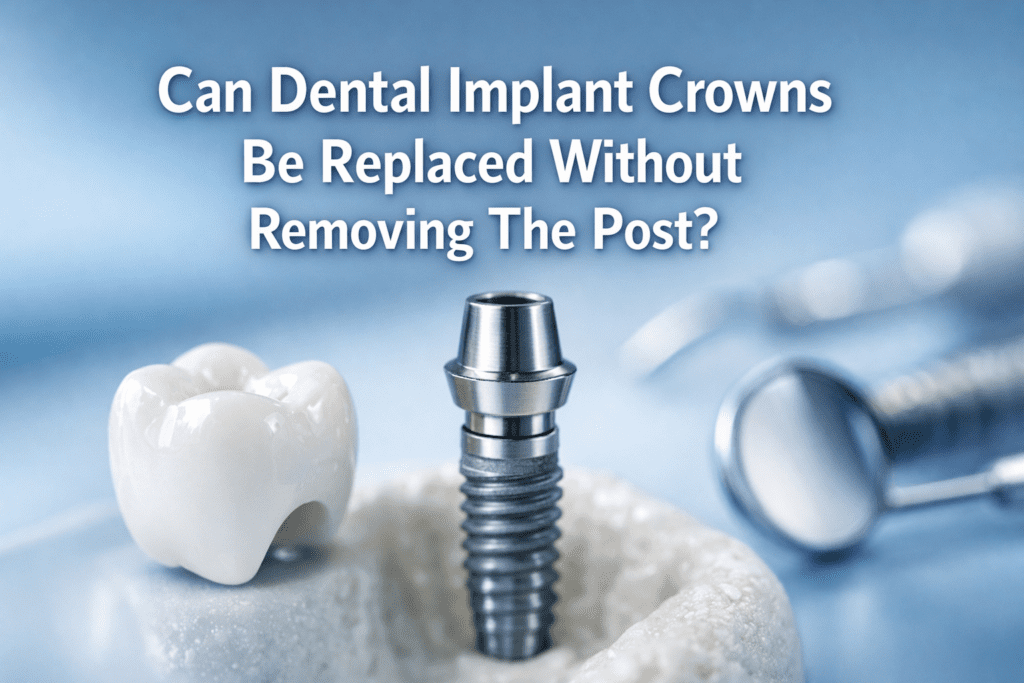
Quick Answer: Yes, in most cases, a dental implant crown can be replaced without disturbing or removing the underlying dental implant post. The crown is typically affixed to an abutment, which in turn connects to the implant post. This design allows for the independent replacement of the crown if it becomes damaged, worn, or aesthetically compromised, preserving the stable implant fixture within the jawbone.
Key Takeaways
- Crowns are Replaceable: Dental implant crowns are designed to be replaceable components of the implant system [6].
- Post Remains Intact: The underlying titanium implant post (fixture) is usually left undisturbed in the jawbone during a crown replacement.
- Abutment Connection: The crown connects to an abutment, which is the intermediary piece between the crown and the implant post [1].
- Retention Methods Matter: The ease of replacement can depend on whether the crown is screw-retained or cement-retained [1].
- Assessment is Key: A comprehensive dental evaluation is necessary to determine if only the crown needs replacement or if the abutment also requires attention [7].
- Longevity Expectations: While implant posts can last a lifetime with proper care, crowns typically need replacement every 10-15 years due to wear or damage [6].
- Professional Expertise: Replacing an implant crown requires the skill and precision of an experienced dentist or oral surgeon.
Understanding Dental Implant Components: Why the Post Stays
Yes, the design of modern dental implants specifically allows for the crown to be replaced without removing the implant post itself. A dental implant system comprises three main parts: the implant post (the screw-like fixture surgically placed into the jawbone), the abutment (a connector piece), and the crown (the visible tooth replacement) [1]. This modular design is crucial because the implant post is intended to integrate with the bone and provide long-term stability, often lasting a lifetime. If the crown becomes damaged or worn, the dentist can access and remove only the crown, or sometimes the crown and abutment, while leaving the securely integrated post untouched. This preserves the foundation of your tooth replacement solution.
The primary goal of dental implant treatment, including dental implants in Dallas, is to provide a durable and long-lasting solution for missing teeth. This is achieved by creating a strong bond between the titanium implant post and the jawbone through a process called osseointegration. Once this bond is established, disturbing the post can compromise its stability and the overall success of the implant. Therefore, dental professionals prioritize preserving the implant post whenever possible during maintenance or replacement procedures.
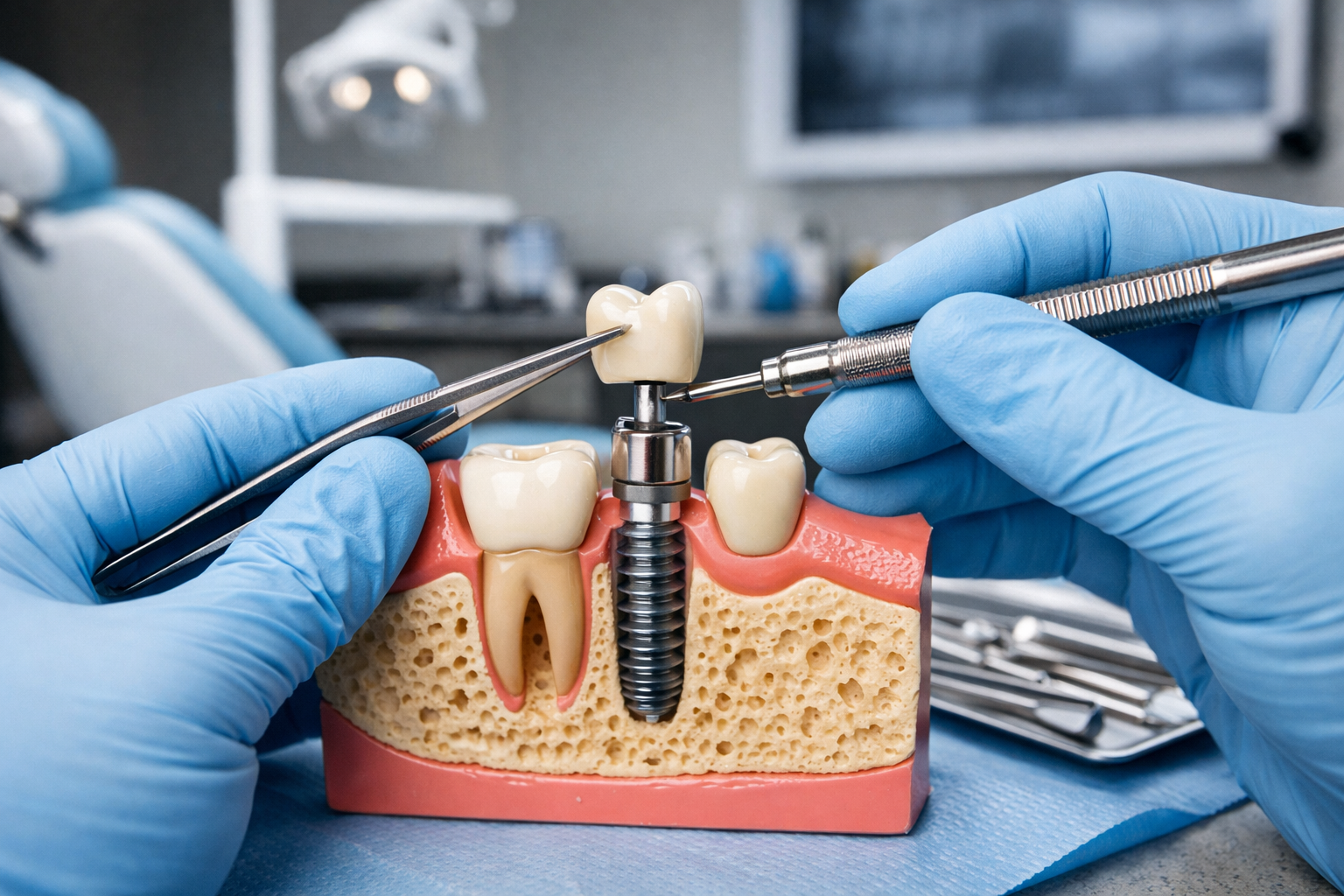
Can Dental Implant Crown Be Replaced Without Removing Post? Exploring the Process
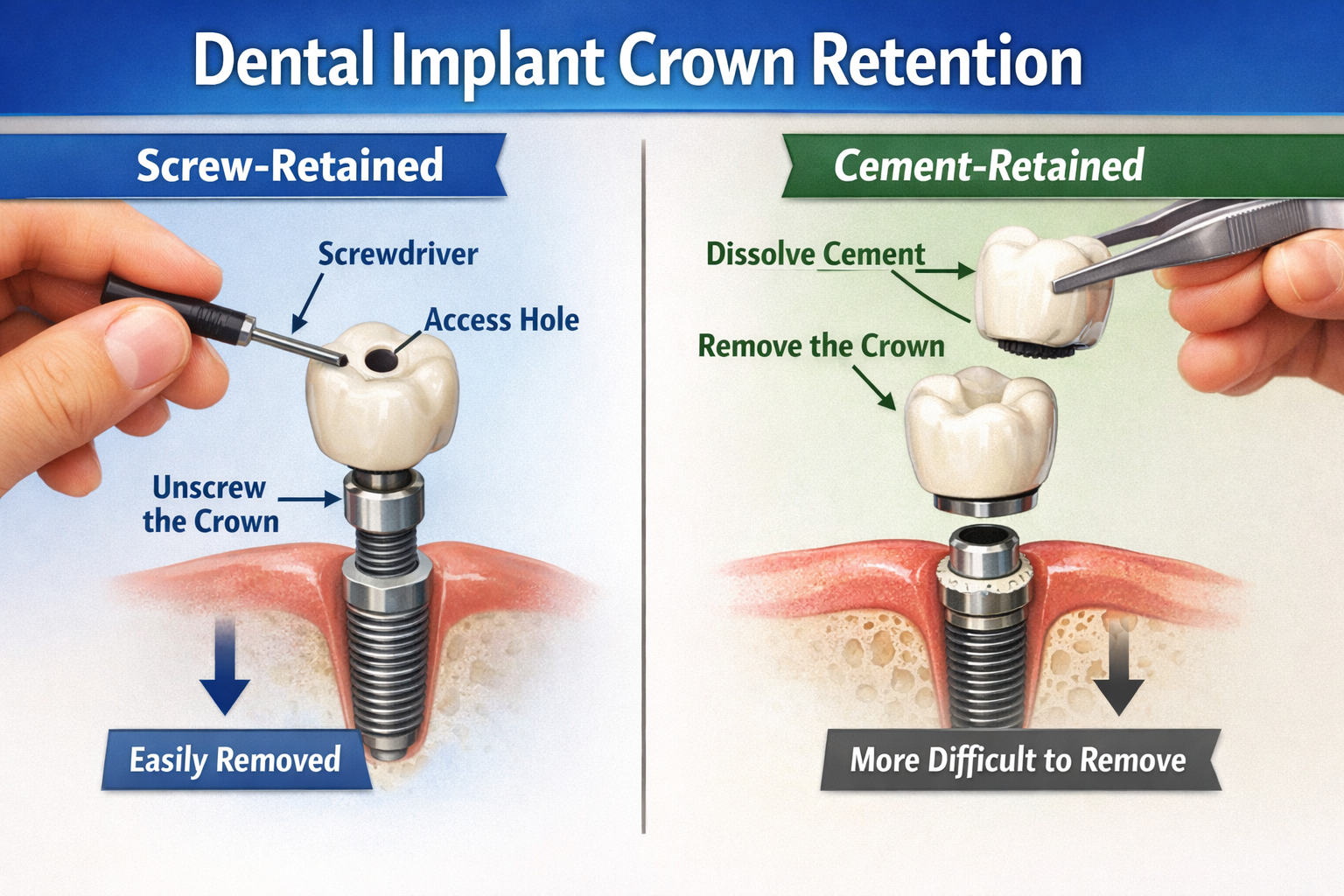
Replacing a dental implant crown without removing the post is a routine procedure in dentistry. The specific steps depend on how the crown is attached to the abutment. Most crowns are either screw-retained or cement-retained [1]. For screw-retained crowns, the process involves carefully accessing and removing the small screw that secures the crown to the abutment, allowing the crown to be lifted off. For cement-retained crowns, the dentist will gently work to break the bond of the dental cement, enabling the crown to be separated from the abutment [1]. In either scenario, the abutment, which connects to the post, generally remains stable. However, if the abutment itself is damaged or worn, it might also need replacement, which can usually be done without removing the implant post [7].
Steps for Crown Replacement
- Assessment: The dentist examines the existing crown, abutment, and surrounding tissues to determine the cause of replacement and the integrity of the underlying components. X-rays may be taken to assess the implant post’s stability and bone health.
- Anesthesia: Local anesthetic is typically administered to ensure patient comfort during the procedure.
- Crown Removal (Screw-Retained): For screw-retained crowns, the dentist locates the access channel, usually a small hole on the biting surface or back of the crown. A specialized tool is used to unscrew and remove the crown [4].
- Crown Removal (Cement-Retained): For cement-retained crowns, the dentist uses specific instruments and techniques to carefully loosen and break the cement seal, allowing the crown to be gently lifted from the abutment [1].
- Abutment Check: Once the crown is removed, the dentist inspects the abutment for any damage, wear, or signs of instability. If the abutment is sound, it remains in place. If it needs replacement, this is typically done by unscrewing it from the implant post, which also stays put [7].
- Impression and Fabrication: New impressions (digital or traditional) are taken of the abutment to ensure the new crown fits perfectly. This impression is sent to a dental lab to custom-fabricate the replacement crown.
- Temporary Crown (Optional): A temporary crown may be placed while the permanent one is being made, especially for visible teeth.
- New Crown Placement: Once the new crown is ready (which usually takes 2-4 weeks [7]), it is tried in and, if satisfactory, cemented or screwed onto the abutment.
Screw-Retained vs. Cement-Retained Crowns: Impact on Replacement
The method used to attach a dental implant crown significantly influences how easily it can be replaced without disturbing the implant post. Screw-retained crowns are generally simpler to remove because they are attached directly to the abutment (or sometimes directly to the implant post) with a small screw [1]. This screw can be accessed and removed, allowing the crown to be lifted off with relative ease. This makes them highly retrievable for repair, cleaning, or replacement of the crown or abutment.
Cement-retained crowns, on the other hand, are bonded to the abutment using dental cement [1]. While this method can offer a very natural appearance with no visible screw access hole, removing a cement-retained crown requires the dentist to carefully break the cement bond. This process needs to be precise to avoid damaging the underlying abutment or implant post. Although removal might be slightly more involved than with screw-retained crowns, it is still routinely performed without removing the implant post. The choice between these two retention methods often depends on factors like the implant’s position, bite forces, and aesthetic considerations. Your dentist in Dallas can discuss which option is best for your specific case.
The Role of the Abutment in Crown Replacement
The abutment plays a critical role in whether a dental implant crown can be replaced without removing the post. Acting as a bridge, the abutment connects the prosthetic crown to the underlying dental implant post, which is fused with the jawbone [1]. When a crown needs replacement, the dentist primarily focuses on the connection between the crown and the abutment. If the abutment is stable and undamaged, only the crown will be removed and replaced. However, if the abutment shows signs of wear, damage, or improper fit, it may also need to be replaced. Fortunately, the abutment is usually designed to be removable from the implant post, meaning a new abutment can often be placed without disturbing the deeply integrated implant fixture [7]. This protects the long-term success of your tooth replacement options.
When an Abutment Might Need Replacement
- Damage or Fracture: The abutment can sometimes fracture due to excessive force, manufacturing defects, or trauma.
- Wear and Tear: Over many years, the abutment surface might wear down, affecting the fit of a new crown.
- Poor Fit: If the original abutment didn’t fit perfectly, or if minor changes in gum tissue require a different contour, a new abutment might be necessary to ensure optimal aesthetics and function for the new crown.
- Material Degradation: Though rare with high-quality materials, some abutment materials can degrade over time.
- Design Change: Advancements in dental technology or a desire for improved aesthetics might lead to choosing a different abutment design with the new crown. For example, a custom-milled abutment might be chosen over a stock abutment for better gum tissue support and crown aesthetics.
Common Reasons for Replacing an Implant Crown
Dental implant crowns, while highly durable, are subject to the same wear and tear as natural teeth and may need replacement over time, typically every 10-15 years, although some can last longer [6]. The underlying implant post, however, can last for decades or even a lifetime with proper oral health education and care [6]. When you’re considering tooth replacement options, it’s helpful to understand why a crown might need attention.
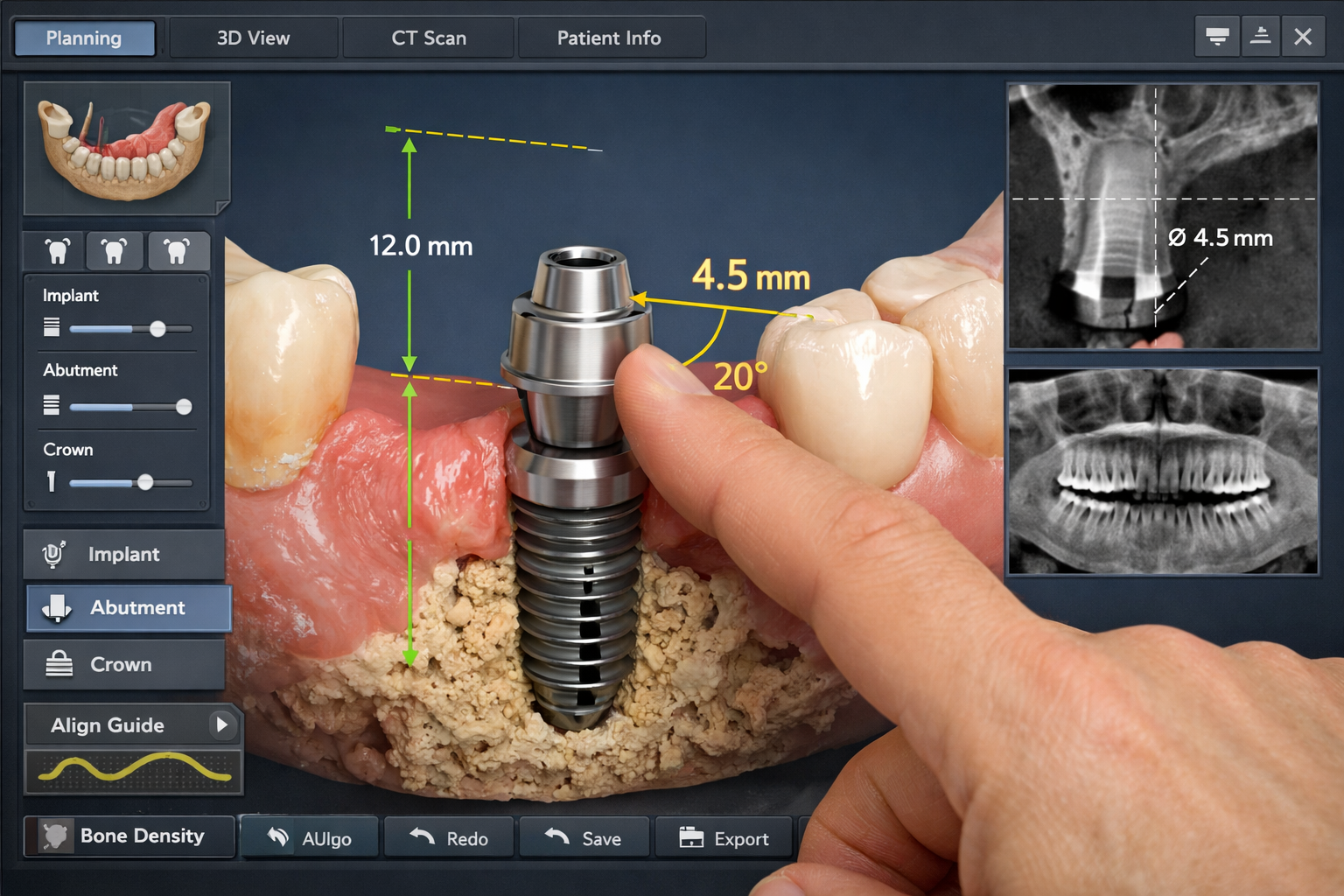
Here are the common reasons why a patient might need to replace an implant crown:
- Wear and Tear: Constant chewing and biting forces can gradually wear down the biting surface of the crown, leading to a loss of original tooth anatomy.
- Fracture or Chipping: While strong, ceramic or porcelain crowns can chip or crack due to trauma, biting on hard objects, or excessive clenching/grinding (bruxism) [8].
- Aesthetic Concerns: Over time, crowns can stain, lose their original luster, or simply no longer match the surrounding natural teeth if those teeth have changed in shade or position. Patients seeking a smile makeover for missing front teeth in Dallas often opt for new crowns.
- Gum Recession: As gums naturally recede with age or due to periodontal issues, the margin of the crown (where it meets the gumline) can become visible, creating an unappealing dark line. A new crown can be designed to address this.
- Loose Crown: Although rare with a properly placed crown, the cement or screw holding the crown in place can fail, leading to a loose crown [4]. This often just requires re-cementing or re-tightening, but sometimes indicates a need for replacement if the crown itself is compromised.
- Abutment Issues: As mentioned, if the abutment beneath the crown becomes loose or damaged, the crown may need to be replaced in conjunction with the abutment [7].
- Progression of Periodontal Disease: While the implant itself is not susceptible to cavities, peri-implantitis (a gum disease affecting implants) can impact the surrounding soft tissues and bone, sometimes necessitating the removal and replacement of the crown to address the underlying infection and facilitate cleaning.
Advantages and Considerations of Crown-Only Replacement
The ability to replace only the dental implant crown without removing the implant post offers significant advantages for patients in Dallas and beyond. It simplifies the procedure, reduces potential discomfort and recovery time, and is generally more cost-effective than replacing the entire implant system. This approach leverages the long-term stability of the osseointegrated implant post while allowing for maintenance of the visible, functional part of the tooth.
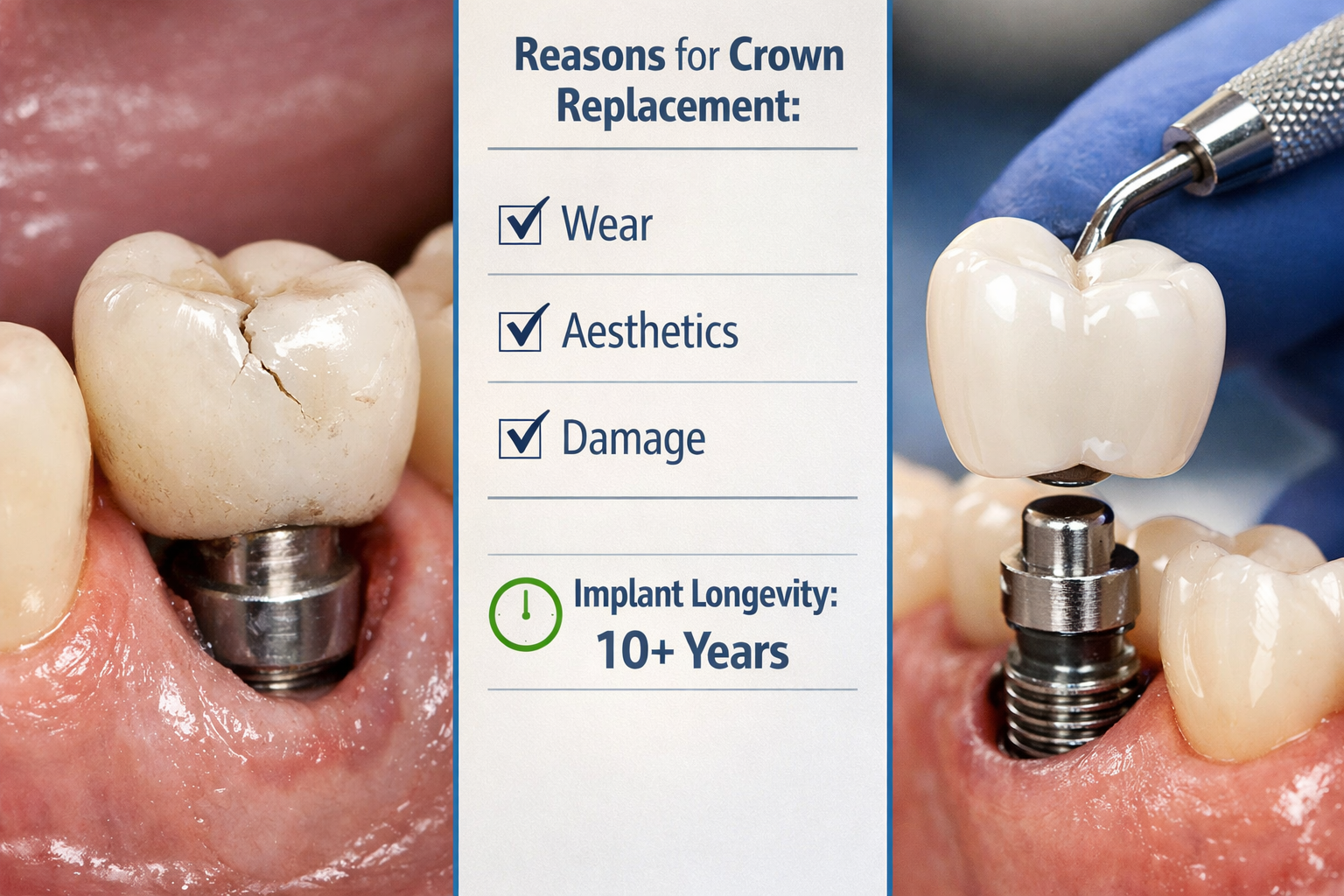
Advantages
- Preserves Bone Integration: The strongest advantage is keeping the stable implant post fused within the jawbone, maintaining the foundation that has successfully integrated with your body. This avoids the need for another surgery and healing period that would be required if the post were removed.
- Less Invasive Procedure: Removing and replacing only the crown is a less invasive procedure compared to extracting the entire implant. This often means less discomfort, reduced healing time, and fewer office visits.
- Cost-Effective: Typically, replacing just the crown is significantly less expensive than undergoing a full implant removal and replacement, which might involve bone grafting, a new implant placement, and a new abutment and crown. For those exploring implant cost in Dallas, this can be a key factor.
- Faster Process: The process of taking impressions and fabricating a new crown, followed by its placement, is generally quicker than the multi-stage process of a full implant replacement. Replacement typically takes 2-4 weeks [7].
- Maintains Aesthetics and Function: A new crown can restore the original aesthetics and chewing function, addressing wear, damage, or aesthetic concerns without disrupting the underlying structure.
Key Considerations
- Abutment Integrity: The success of crown-only replacement heavily relies on the integrity of the abutment. If the abutment is damaged or loose, it might need to be replaced along with the crown [7].
- Access Challenges: In some rare cases, particularly with cement-retained crowns in hard-to-reach areas, the dentist might face challenges in removing the old crown without affecting the abutment.
- Underlying Issues: If the crown issue stems from a problem with the implant post itself (e.g., peri-implantitis, implant fracture), then a crown-only replacement might not be sufficient, and a more comprehensive treatment plan would be necessary. This emphasizes the importance of a thorough consultation with a dentist.
- Material Choice: The choice of material for the new crown can impact its longevity and aesthetic outcome. Discuss options like porcelain, zirconia, or metal alloys with your dental professional. For more details on material costs, you can explore our guide on Understanding Dental Implant Materials in Dallas.
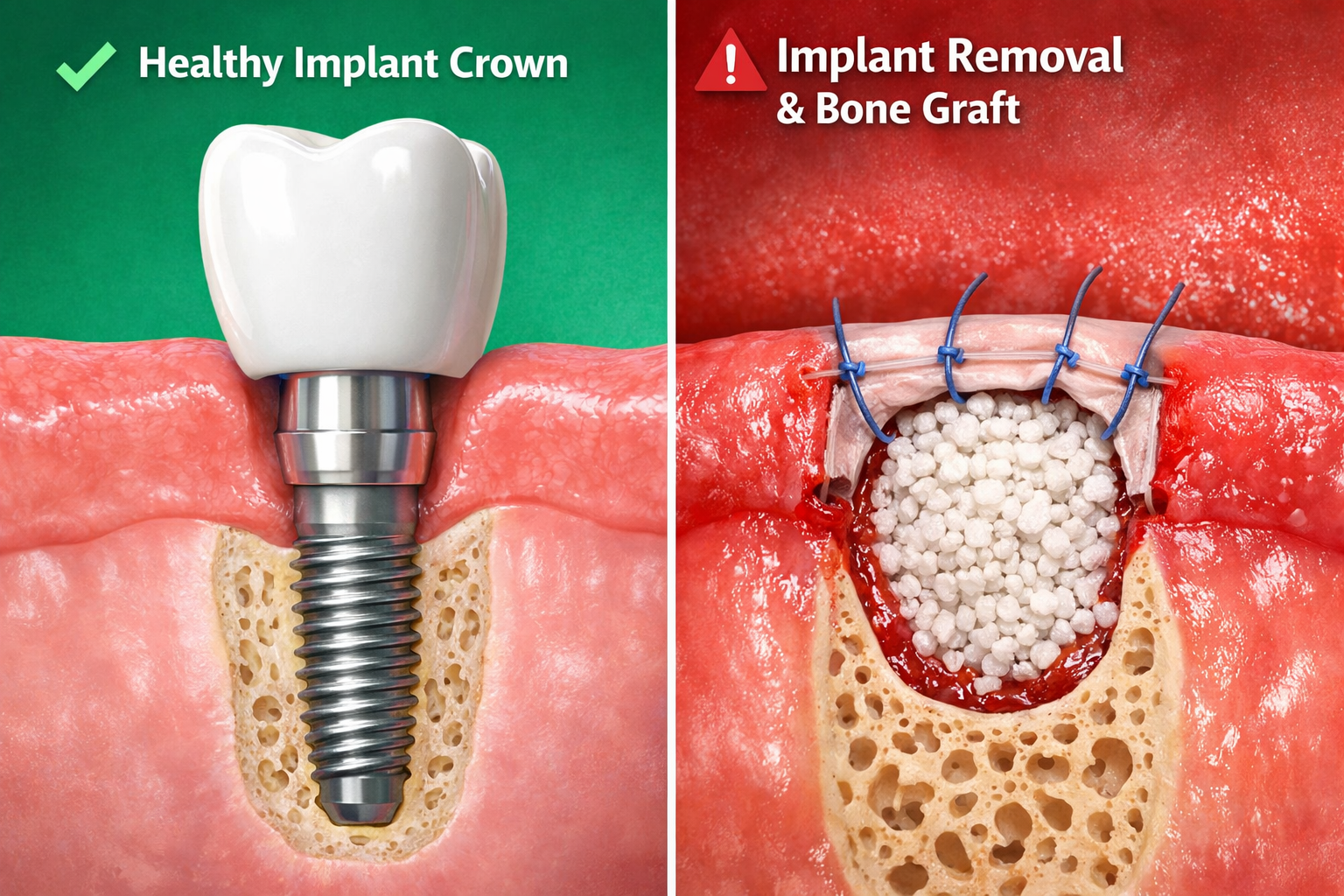
When the Entire Dental Implant Might Need Removal
While the ideal scenario is to replace only the crown without touching the implant post, there are specific situations where the entire dental implant system, including the post, might need to be removed. This is a more complex procedure and is typically reserved for cases where the implant has failed or developed significant complications that cannot be resolved through simpler interventions. A comprehensive consultation with a dentist specializing in oral surgery or prosthodontics in Dallas is essential to determine the best course of action for long-term oral health.
Reasons for Full Implant Removal
- Peri-implantitis: This is an inflammatory condition affecting the soft and hard tissues surrounding a dental implant, leading to progressive bone loss around the implant [6]. If severe and unresponsive to treatment, the implant may need to be removed to prevent further damage. Regular follow-up care and good oral hygiene are crucial for preventing this.
- Failure to Osseointegrate: In some cases, the implant post may not properly fuse with the jawbone after placement. This can be due to various factors like poor bone quality, infection, smoking (see: Dallas TX Dental Implants for Smokers 2026), or excessive force during healing. If the implant remains mobile, it must be removed.
- Implant Fracture: Although rare with modern titanium implants, an implant post can fracture due to extreme forces, manufacturing defects, or trauma. A fractured implant usually necessitates its removal.
- Nerve Damage: In very rare instances, an implant might be placed too close to a nerve, causing persistent pain, numbness, or tingling. If other treatments fail, removing the implant might be necessary.
- Severe Infection: Uncontrolled infection around the implant site that doesn’t respond to antibiotics or local cleaning may require removal.
- Poor Positioning: If an implant was placed in a position that compromises adjacent teeth, nerves, or prevents proper prosthetic restoration, it might need to be removed and re-implanted in a better position after a healing period. This highlights the importance of precise planning, often using technologies like 3D Guided Dental Implants Dallas 2026.
When faced with the need for full implant removal, your dentist will carefully explain the reasons, the procedure, and subsequent tooth replacement options, which may include another dental implant once the area has healed.
Conclusion
The good news for anyone with dental implants in Dallas is that replacing a dental implant crown without removing the underlying implant post is not only possible but also the standard procedure in most cases. The modular design of dental implants—comprising the post, abutment, and crown—allows for the independent replacement of the crown due to wear, damage, or aesthetic changes, preserving the stable foundation integrated within your jawbone. This approach makes the process less invasive, more cost-effective, and quicker than replacing the entire implant system.
If you are experiencing issues with your dental implant crown or believe it may need replacement, the crucial first step is to schedule a consultation with an experienced dental professional. They can thoroughly assess your situation, determine the integrity of your implant system, and recommend the most appropriate course of action for your long-term oral health. Always prioritize professional consultation to ensure informed decision-making regarding your dental care.
Related Reading
- Dental Implant Post-Op Care & Maintenance Costs in Dallas: Protecting
- The Lifespan of Dental Implants in Dallas: Factors Affecting
- Navigating Dental Implant Consultations in Dallas: Essential
FAQ
How long does a dental implant crown typically last?
Dental implant crowns typically last between 10 to 15 years, but with excellent oral hygiene and regular dental check-ups, they can sometimes last longer [6].
Is replacing an implant crown painful?
Replacing an implant crown is generally not painful. Local anesthesia is usually administered to ensure comfort during the procedure, which is less invasive than initial implant placement.
What’s the difference between a screw-retained and cement-retained crown?
A screw-retained crown is directly attached to the abutment or implant with a small screw, making it easily retrievable. A cement-retained crown is bonded to the abutment using dental cement, offering a seamless appearance [1].
Can I get a temporary crown while waiting for my new implant crown?
Yes, a temporary crown can often be placed on the abutment while your permanent crown is being custom-fabricated by the dental lab, especially for visible teeth.
What happens if the abutment also needs to be replaced?
If the abutment needs replacement, it can usually be unscrewed and removed from the implant post, which remains undisturbed in the jawbone. A new abutment is then attached before the new crown is placed [7].
How do I know if my implant crown needs replacing?
Signs that your implant crown may need replacement include visible damage (chips, cracks), significant wear, aesthetic concerns (discoloration, poor fit with gums), or if it feels loose [8]. A dental professional can confirm the need during an examination.
References
[1] Can An Implant Crown Be Replaced – https://www.sylvadentist.com/blog/can-an-implant-crown-be-replaced/
[2] How Long Can You Have An Implant Without A Crown – https://www.hollyspringsdentalga.com/post/how-long-can-you-have-an-implant-without-a-crown
[3] Can An Implant Crown Be Replaced – https://www.lightbreezedental.com/blog/can-an-implant-crown-be-replaced/
[4] How Easy Is It To Replace An Implant Crown – https://www.valleyriverdental.com/blog/how-easy-is-it-to-replace-an-implant-crown/
[5] Can An Implant Crown Be Replaced – https://balmoraldentalcenter.com/blog/can-an-implant-crown-be-replaced/
[6] When Should Implant Crowns Be Replaced – https://www.pier210dental.com/when-should-implant-crowns-be-replaced/
[7] Can A Dental Implant Crown Be Replaced – https://www.ioschattanooga.com/2022/03/23/can-a-dental-implant-crown-be-replaced/
[8] A Dental Implant Restoration To Replace A Damaged Crown – https://www.northside-dentalcare.com/blog/a-dental-implant-restoration-to-replace-a-damaged-crown/
[9] How Long Can You Have An Implant Without A Crown – https://www.wallerdental.com/how-long-can-you-have-an-implant-without-a-crown/
[10] Can A Tooth Crown Be Replaced – https://clevelanddentistohio.com/blog/can-a-tooth-crown-be-replaced/
Leave a Reply
Share your thoughts or ask a question about dental implants. Your email address will not be published.