

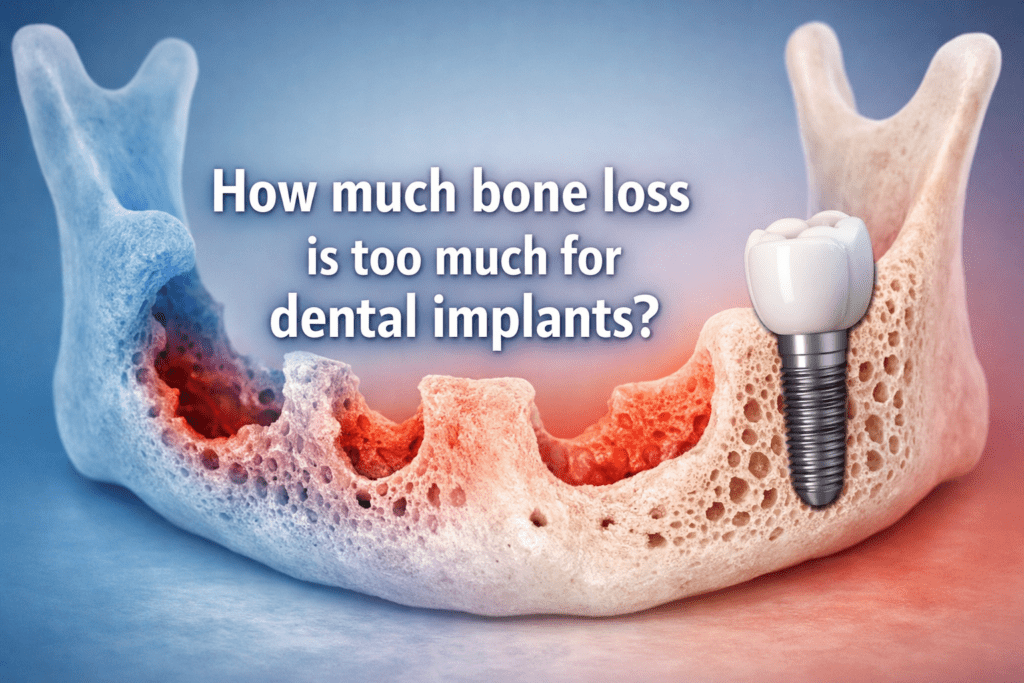
Quick Answer: While there isn’t a universal “too much” amount of bone loss that automatically disqualifies someone for dental implants, insufficient bone volume and density are significant concerns. Generally, a minimum of 6-10mm of bone height and 4-6mm of bone width is often desired for standard implant placement. However, advancements in bone grafting and alternative implant techniques mean that even individuals with substantial bone loss can often become candidates for dental implants in Dallas.
Key Takeaways
- Adequate jawbone quantity and quality are essential for successful dental implant integration and stability [7].
- Bone loss is typically measured in millimeters through advanced imaging like CBCT scans [3].
- While there’s no single threshold for “too much” bone loss, severe deficiencies require intervention.
- Peri-implantitis, a progressive bone loss around implants, is a leading cause of late implant failures [2].
- Bone grafting procedures can successfully restore lost bone, making dental implants possible for many patients.
- Specialized implant options like mini implants or zygomatic implants may be suitable for significant bone loss.
- A thorough consultation with an experienced dental implant specialist in Dallas is crucial to assess bone health and determine the best treatment plan.
Understanding Bone Loss and Its Impact on Dental Implants
Bone loss in the jaw occurs when teeth are lost and the bone is no longer stimulated by chewing forces. This process of bone resorption can lead to a reduction in both the height and width of the jawbone over time [4]. For dental implants, which rely on strong integration with the surrounding bone, this loss can present a significant challenge. The success of a dental implant procedure fundamentally depends on having enough healthy bone to support the titanium implant post [7].
Insufficient bone makes it difficult to securely place an implant, potentially leading to instability, implant failure, or complications during surgery. Therefore, understanding how much bone loss is too much for dental implants is a primary concern during the initial assessment for individuals considering this tooth replacement option.
What Constitutes “Too Much” Bone Loss for Dental Implants?
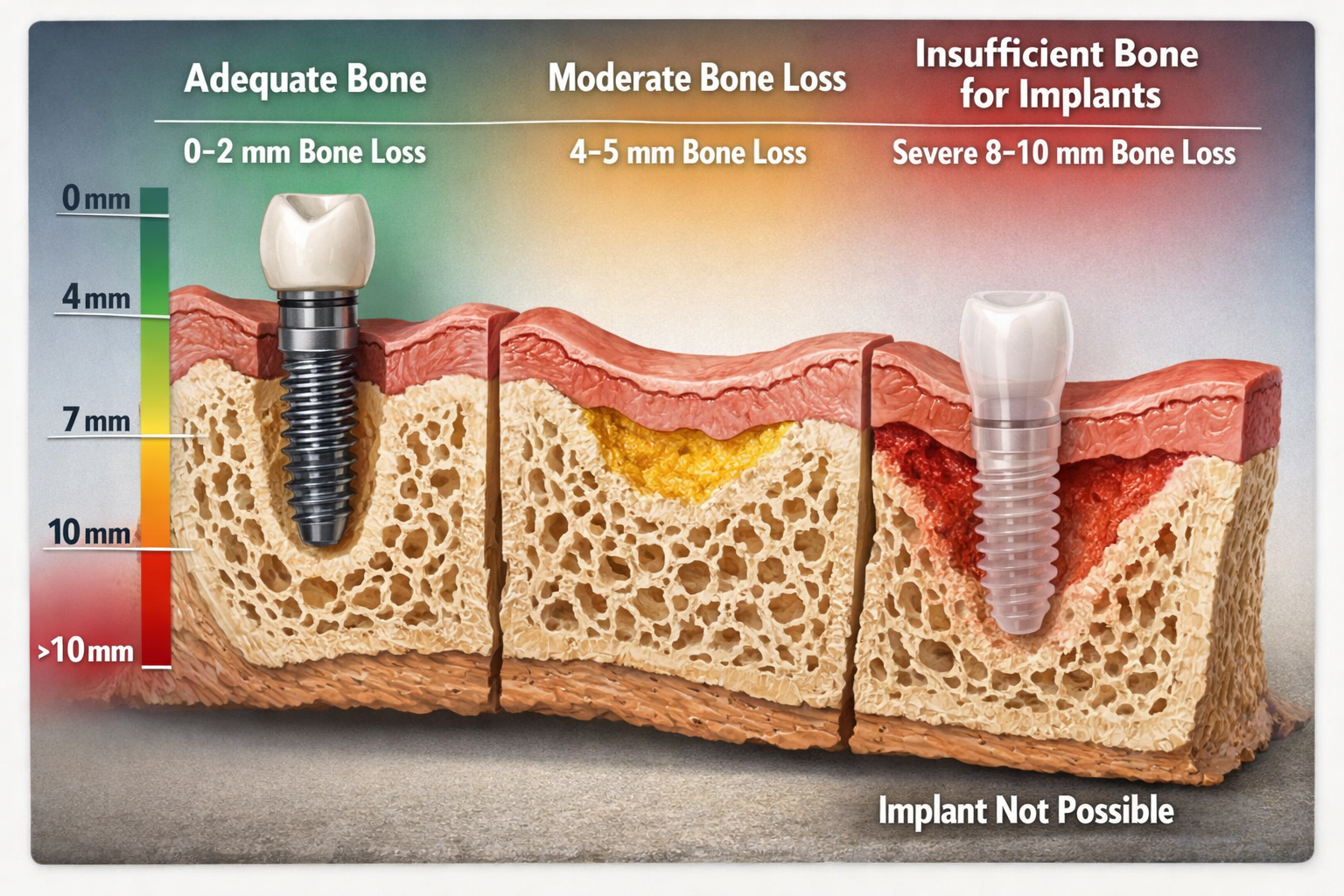
While specific minimums can vary based on implant type and location in the mouth, a general guideline suggests that a bone height of at least 6-10 millimeters and a width of 4-6 millimeters are often desirable for standard dental implant placement. When bone loss falls below these levels, a dental implant specialist will typically consider bone augmentation procedures. The term “too much” is relative; it refers to bone loss that makes direct, stable implant placement unfeasible without prior bone regeneration. Even if there is some bone loss, it doesn’t always mean that you can’t get dental implants in Dallas, as there are many solutions available.
Criteria for Assessing Bone Adequacy
- Bone Height: Refers to the vertical dimension of the jawbone. If the bone is too short, the implant may not have enough surface area for osseointegration or could interfere with anatomical structures like the maxillary sinuses in the upper jaw or the inferior alveolar nerve in the lower jaw.
- Bone Width: Refers to the horizontal dimension of the jawbone. If the bone is too narrow, it might not fully envelop the implant, leading to exposure or inadequate support.
- Bone Density (Quality): Beyond just quantity, the density and overall health of the bone are crucial. High-quality, dense bone provides a more stable foundation for the implant. Current treatment planning guidelines emphasize considering both bone quality and quantity [5].
A proper assessment will involve detailed imaging, such as 3D Cone Beam Computed Tomography (CBCT) scans, which provide a precise measurement of your existing bone structure. This allows the dental professional to accurately evaluate the available bone and plan accordingly.
How Do Dentists Measure Bone Loss for Dental Implants?
Dentists measure bone loss primarily through advanced diagnostic imaging to get a precise three-dimensional view of the jawbone. This detailed assessment is critical to determine candidacy for dental implants and to plan any necessary preparatory procedures.
Diagnostic Tools and Techniques
- Clinical Examination: The initial step involves a thorough visual and manual examination of your mouth and jaw.
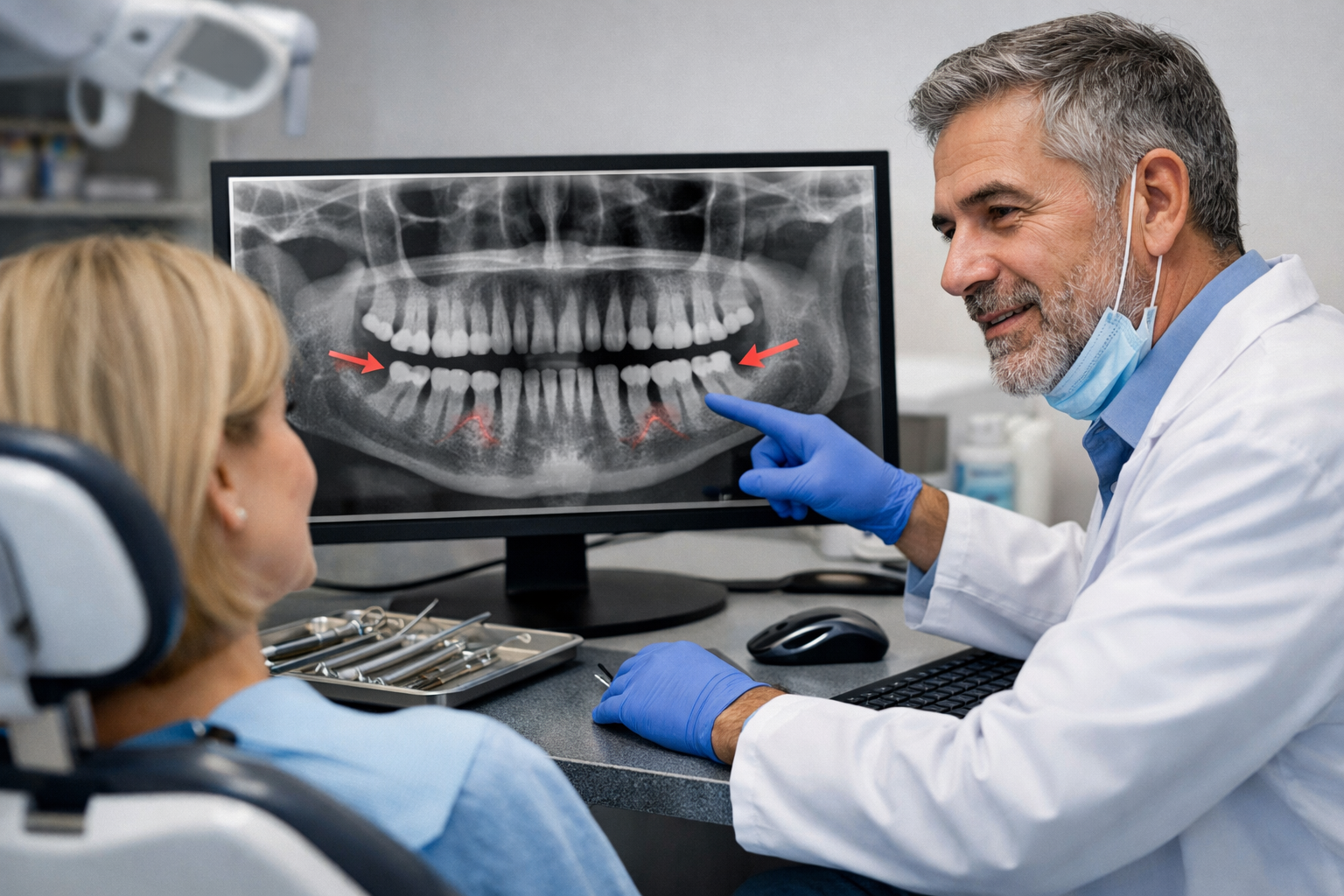
- Standard X-rays (Periapical and Panoramic): These provide two-dimensional images that can show the general height and density of the bone. While useful, they don’t offer the detailed three-dimensional information needed for precise implant planning. Periapical radiographs are used to measure peri-implant marginal bone loss from the implant platform [3].
- 3D Cone Beam Computed Tomography (CBCT) Scans: This is the gold standard for implant planning. A CBCT scan provides a detailed 3D image of your jawbone, showing its exact height, width, and density, as well as the location of vital structures like nerves and sinuses. This allows the dentist to accurately assess how much bone loss is too much for dental implants and determine the optimal implant size and placement, making procedures like 3D Guided Dental Implant Surgery in Dallas more precise.
During a consultation with a dentist in Dallas, the practitioner will use these tools to analyze your bone structure and discuss the findings with you. This comprehensive evaluation ensures that your treatment plan is tailored to your unique oral health needs.
Solutions for Insufficient Bone: Bone Grafting and Alternatives
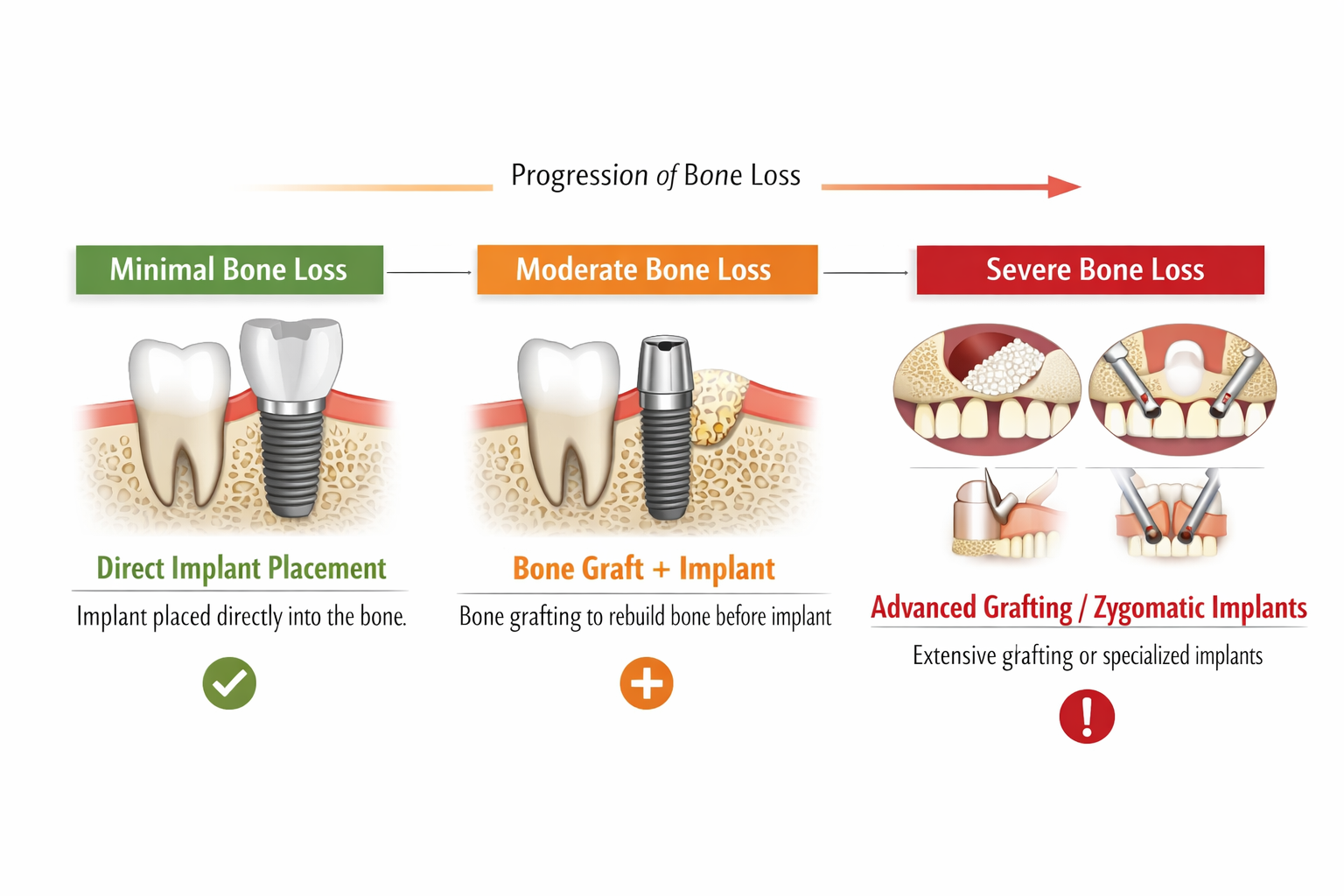
Even if an initial assessment reveals significant bone loss, it doesn’t necessarily mean you’re ineligible for dental implants. Modern dentistry offers several advanced solutions, primarily bone grafting, to regenerate lost bone and create a suitable foundation for implants.
Bone Grafting Procedures
Bone grafting involves adding bone material to areas of the jaw where it is deficient. This material can come from various sources:
- Autogenous Graft: Bone taken from another part of your own body (e.g., hip, tibia, or another part of your jaw). This is often considered the most effective as it contains living bone cells.
- Allograft: Bone from a human donor, processed to be safe and sterile.
- Xenograft: Bone from an animal source (commonly bovine), also processed for safety.
- Alloplast: Synthetic bone material, such as tricalcium phosphate or hydroxyapatite.
Common types of bone grafting procedures include:
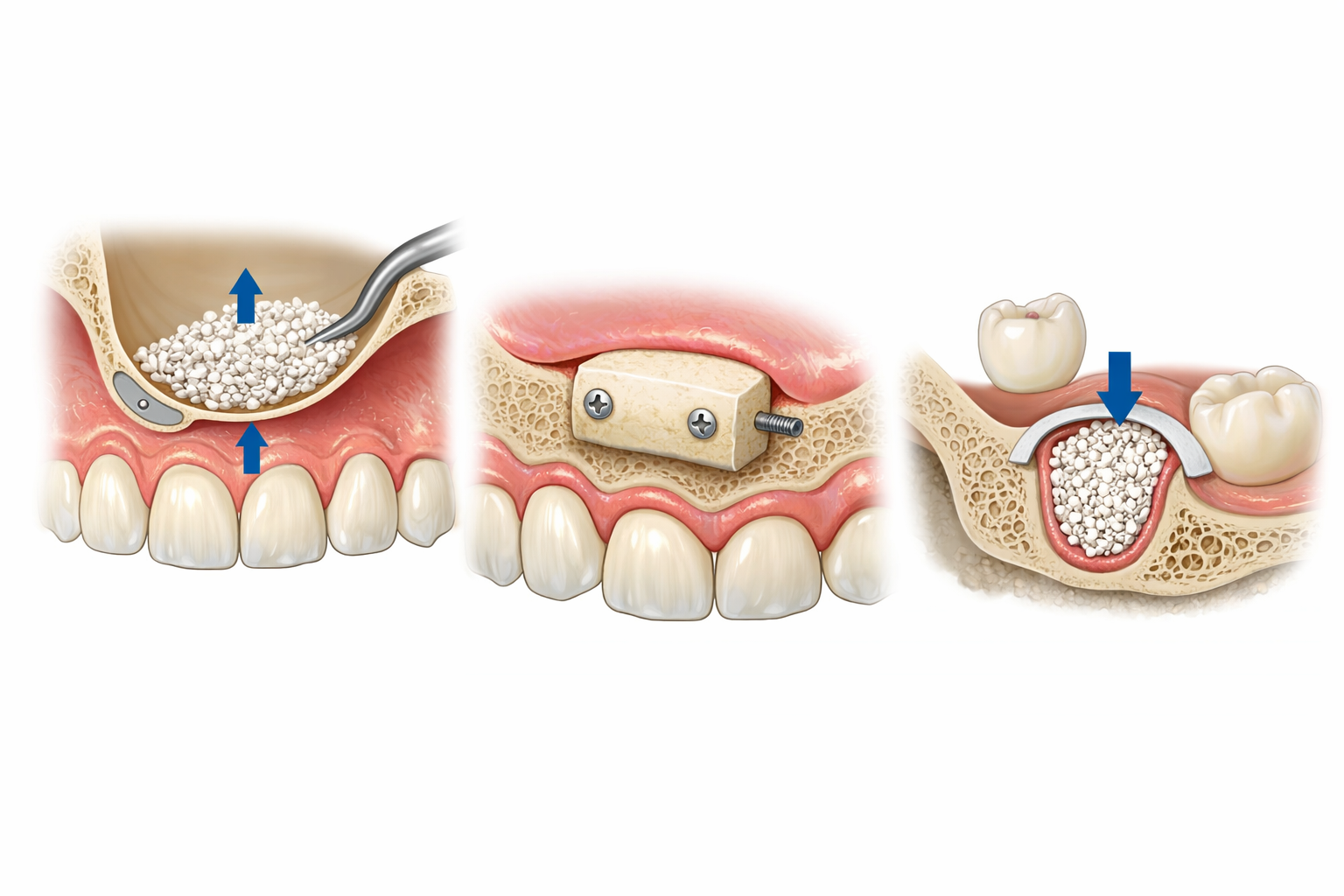
- Sinus Lift: For the upper jaw, if the maxillary sinuses are too close to the area where implants are needed, the sinus membrane is lifted, and bone graft material is placed to increase bone height.
- Ridge Augmentation: If the jaw ridge has lost height or width, graft material is added to restore its proper dimensions.
- Socket Preservation: After a tooth extraction, bone graft material is placed into the empty socket to prevent bone loss and maintain the ridge for future implant placement. You can learn more about Dental Implants After Tooth Extraction Dallas to understand the timing and process.
Alternative Implant Options for Bone Loss
For cases with severe bone loss where traditional grafting might be overly complex or prolonged, alternative implant techniques can be considered:
- Mini Dental Implants (MDIs): These are smaller in diameter than traditional implants and require less bone volume. They are often used for stabilizing dentures or for temporary solutions Mini Dental Implants Dallas TX 2026.
- Zygomatic Implants: These longer implants are anchored into the cheekbone (zygoma) instead of the jawbone, bypassing areas of significant bone loss in the upper jaw. This is an excellent option for patients who have been told they have “no bone” for traditional implants, as discussed in detail for Zygomatic Implants Dallas TX 2026.
- All-on-4® or All-on-6® Solutions: These techniques strategically place a limited number of implants (four or six) at specific angles to leverage existing denser bone, often avoiding the need for extensive bone grafting for full arch restorations. You can compare Full Mouth Dental Implant Options in Dallas.
The choice of solution depends on the extent and location of bone loss, your overall health, and the recommendations of your dental implant specialist.
The Dental Implant Procedure: Step-by-Step with Bone Loss Considerations
The dental implant procedure is a multi-stage process that, when bone loss is present, often begins with preparatory work before the actual implant placement. This ensures the best possible outcome for long-term oral health.
Typical Steps for Patients with Bone Loss
- Comprehensive Consultation and Assessment: This initial stage involves a thorough examination, medical history review, and advanced imaging (CBCT scan) to assess bone quantity and quality. The dentist will determine if bone grafting is necessary and discuss how much bone loss is too much for dental implants in your specific case. This is a crucial step for Preparing for Your Dental Implant Consultation in Dallas.
- Bone Grafting (If Needed): If insufficient bone is present, a bone grafting procedure will be performed. This can be a separate surgical appointment. The graft needs time to heal and integrate with your existing bone, typically 3-9 months, before implant placement can proceed.
- Dental Implant Placement Surgery: Once sufficient bone volume and density are achieved, the titanium implant post is surgically placed into the jawbone. This step is often performed under local anesthesia, with sedation options available for patient comfort. For details on pain management, see Painless Dental Implant Techniques Dallas TX.
- Osseointegration (Healing Period): After placement, the implant needs several months (typically 3-6 months) to fuse with the surrounding bone, a process called osseointegration. This creates a strong, stable foundation.
- Abutment Placement: Once osseointegration is complete, a small connector piece called an abutment is attached to the implant.
- Crown/Prosthetic Placement: Finally, a custom-made crown, bridge, or denture is attached to the abutment, completing the tooth replacement.
The entire process, especially when bone grafting is involved, can take several months to over a year. Patience during the healing phases is key to the long-term success of your dental implants.
The Importance of an Experienced Dallas Dental Implant Specialist
Choosing the right dental implant specialist is paramount, particularly when dealing with bone loss. An experienced professional has the expertise to accurately diagnose bone deficiencies, recommend the most appropriate bone regeneration techniques, and execute complex implant placements with precision.
What to Look For in a Dallas Specialist
- Advanced Training and Certification: Look for dentists or oral surgeons with specialized training in implantology, periodontics, or oral and maxillofacial surgery.
- Extensive Experience with Bone Grafting: Given that bone loss is a common challenge, ensure your chosen specialist has a strong track record of successful bone augmentation procedures.
- State-of-the-Art Technology: Clinics equipped with 3D CBCT imaging, digital planning software, and guided surgery technology demonstrate a commitment to precision and patient safety.
- Patient-First Approach: A reassuring and educational approach is vital. The specialist should take the time to explain your condition, discuss all tooth replacement options, and answer your questions without pressure.
- Transparent Cost Breakdown: Understanding the full implant cost in Dallas, including any necessary bone grafting, is important. A reputable clinic will provide a clear, itemized treatment plan.
An initial consultation with a dentist is an excellent opportunity to assess a specialist’s approach and determine if they are the right fit for your needs.

Frequently Asked Questions About Bone Loss and Dental Implants
Can you get an implant if you have bone loss?
Yes, in many cases, you can still receive a dental implant even with bone loss. Bone grafting procedures can regenerate sufficient bone to support implants, and alternative implant techniques like zygomatic or mini implants can bypass areas of severe bone deficiency. A specialist will determine the best approach for your specific situation.
What is the minimum bone requirement for dental implants?
While there isn’t a strict universal number, many practitioners aim for a minimum of 6-10 mm of bone height and 4-6 mm of bone width for standard implant placement. However, these can vary based on the specific implant system and location in the jaw.
How much bone loss is normal after tooth extraction?
Some degree of bone resorption is normal after a tooth extraction because the bone is no longer stimulated. Without intervention, approximately 25% of the bone width can be lost within the first year, with further loss over time. Socket preservation techniques can minimize this loss.
Can peri-implantitis cause dental implant failure?
Yes, peri-implantitis is a significant complication characterized by inflammation and progressive bone loss around a dental implant, and it is a major cause of late implant failures [2]. Regular oral hygiene and professional check-ups are crucial for prevention.
How long does bone grafting take to heal for implants?
Bone grafting typically requires 3 to 9 months for the graft material to fully integrate and heal, creating a stable foundation strong enough for dental implant placement. The exact healing time depends on the type and extent of the graft.
Are dental implants painful if bone grafting is needed?
The bone grafting procedure itself is performed under anesthesia, so you shouldn’t feel pain during the surgery. Post-operative discomfort is managed with pain medication, and many patients find the recovery manageable. Sedation options are also available to enhance comfort during the procedure.
Is bone density more important than bone quantity for implants?
Both bone quantity (height and width) and quality (density) are crucial. You need enough bone volume, but it also needs to be dense and healthy enough to properly integrate with and support the implant long-term. Current guidelines emphasize considering both [5].
Conclusion
Understanding how much bone loss is too much for dental implants is a critical first step for anyone considering this permanent tooth replacement option. While significant bone loss can present challenges, it is rarely an insurmountable barrier thanks to advancements in bone grafting and alternative implant techniques. The key to successful dental implant treatment, especially with existing bone deficiencies, lies in a thorough evaluation by an experienced dental implant specialist.
If you are missing teeth and concerned about bone loss, we encourage you to schedule a consultation with a qualified professional in Dallas, Texas. They can accurately assess your oral health, determine the extent of any bone loss, and discuss a personalized treatment plan that can restore your smile and long-term oral health. Don’t let perceived limitations stop you from exploring all your tooth replacement options.
References
[1] What Are The Real Risks Of Dental Implant Surgery In 2026 – https://bajarsdental.com/what-are-the-real-risks-of-dental-implant-surgery-in-2026/
[2] Dental Implant Risks Complications In 2026 – https://www.oceanicdental.com/resource/dental-implant-risks-complications-in-2026
[3] Pmc12930125 – https://pmc.ncbi.nlm.nih.gov/articles/PMC12930125/
[4] Tooth Loss And Implant Demand Trends – https://www.bonitadelrey.com/blog/tooth-loss-and-implant-demand-trends/
[5] Dental Policy Update Bulletin March 2026 Full – https://www.uhcprovider.com/content/dam/provider/docs/public/policies/mpub-archives/dental/dental-policy-update-bulletin-march-2026-full.pdf
[6] Success Rate Of Dental Implant – https://omegadentists.com/blog/success-rate-of-dental-implant/
[7] Getting Dental Implants In 2026 – https://avdentalwellness.com/blog/getting-dental-implants-in-2026/
[8] Dental Implants Complete Guide – https://www.magrabihealth.com/blog/dental-implants-complete-guide
Leave a Reply
Share your thoughts or ask a question about dental implants. Your email address will not be published.