

Imagine getting the news that you need a bone graft before your dental implant procedure. Your mind probably races with questions: How long will this take? Will it hurt? What does recovery really look like? If you’re feeling overwhelmed, you’re not alone. Thousands of Dallas patients face this same situation every year, and here’s the reassuring truth—bone graft recovery for dental implants is more manageable than you might think.
When your jawbone lacks the density or volume needed to support a dental implant, a bone graft becomes your pathway to a successful, long-lasting restoration. While it adds time to your treatment journey, this crucial step ensures your future implant will have the solid foundation it needs to give you decades of confident smiles.
Key Takeaways
- Bone graft recovery typically takes 3-6 months before you’re ready for dental implant placement
- The first 2 weeks are critical for proper healing—following post-operative instructions makes all the difference
- Most patients experience manageable discomfort that peaks within 48-72 hours and gradually improves
- Success rates exceed 95% when patients follow proper care protocols and maintain good oral hygiene
- Your lifestyle choices during recovery significantly impact healing speed and implant success
Understanding Bone Grafts for Dental Implants
A bone graft is essentially a biological scaffold that encourages your body to grow new bone tissue. When you lose a tooth, the surrounding jawbone begins to deteriorate—sometimes losing up to 25% of its width within the first year. This bone loss creates a challenge for dental implant placement, as implants need adequate bone density and volume for proper integration.
Types of Bone Grafts Used in Dental Implant Procedures
Autografts use bone from your own body, typically harvested from your chin, jaw, or hip. While this offers the best compatibility, it requires a second surgical site.
Allografts utilize processed human donor bone that’s been thoroughly sterilized and tested. This eliminates the need for a second surgical site while maintaining excellent success rates.
Xenografts employ bovine (cow) bone that’s been processed to remove all organic material, leaving behind a mineral structure similar to human bone.
Synthetic grafts use laboratory-created materials like calcium phosphate or hydroxyapatite that mimic natural bone properties.
Your oral surgeon will recommend the best option based on your specific needs, the size of the graft required, and your medical history.
The Bone Graft Recovery Timeline

Understanding what to expect during each phase of bone graft recovery helps you prepare mentally and physically for the journey ahead.
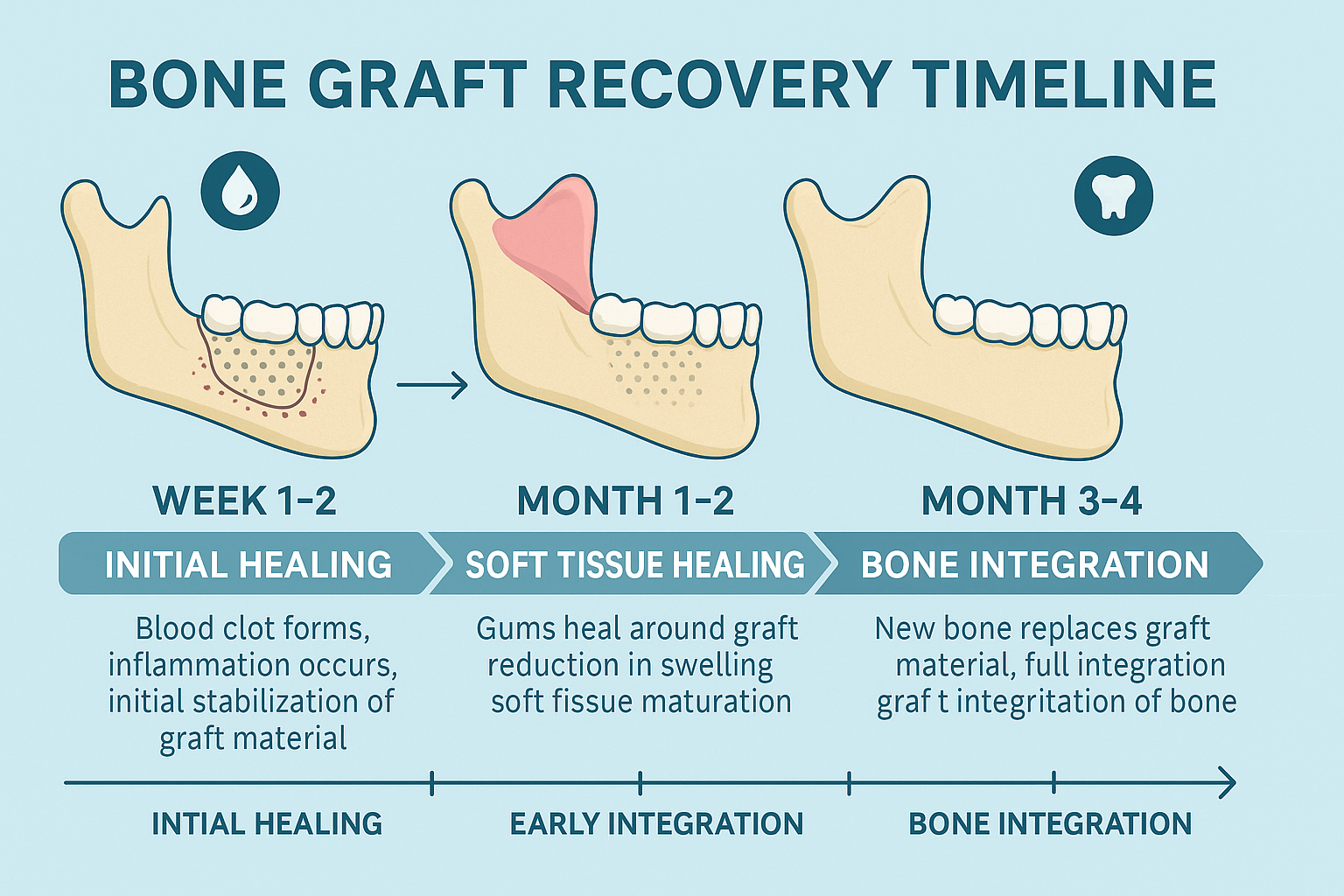
Week 1-2: Initial Healing Phase 🩹
The first two weeks represent the most critical period for your bone graft recovery. During this time, your body begins the complex process of incorporating the graft material.
Days 1-3: Expect moderate swelling and discomfort. Your gums may appear puffy, and you might notice some minor bleeding when rinsing gently. This is completely normal. Pain typically peaks around day 2-3 before gradually improving.
Days 4-7: Swelling should begin to subside noticeably. You’ll likely feel more comfortable eating soft foods, and any prescribed pain medication becomes less necessary.
Days 8-14: The surgical site starts looking more normal, though you’ll still need to be gentle with the area. Many patients return to work during this period, especially if their job doesn’t involve heavy physical activity.
For detailed guidance on managing swelling during this period, check out our comprehensive dental implant swelling timeline.
Month 1-2: Soft Tissue Healing 💪
By the end of the first month, your gums should appear nearly normal, though the underlying bone is still in early stages of integration. You can gradually return to more normal activities, but avoid anything that might disturb the graft site.
Month 3-6: Bone Integration Period 🦴
This is where the magic happens. Your body slowly replaces the graft material with your own living bone tissue. While you won’t feel this process, regular check-ups and occasional X-rays allow your dentist to monitor progress.
🦴 Bone Graft Recovery Timeline Calculator
Managing Pain and Discomfort During Recovery

Pain management during bone graft recovery doesn’t have to be overwhelming. Most patients describe the discomfort as similar to having a tooth extracted—manageable with proper care and medication.
Immediate Post-Surgery (First 48 Hours)
Your oral surgeon will likely prescribe pain medication for the first few days. Take it as directed, even if you’re feeling okay—staying ahead of pain is easier than catching up to it.
Ice therapy works wonders during the first 24-48 hours. Apply ice packs for 15-20 minutes at a time, with 15-minute breaks between applications. After 48 hours, switch to warm compresses to promote healing.
Week 1-2: Transitioning to Over-the-Counter Relief
Most patients can transition to over-the-counter pain relievers like ibuprofen or acetaminophen by the end of the first week. Ibuprofen is particularly effective because it also reduces inflammation.
Pro Tip: Set gentle reminders on your phone for medication timing during the first few days. Pain management works best when medications are taken consistently, not just when discomfort peaks.
Essential Care Instructions for Optimal Healing
Following proper care instructions isn’t just recommended—it’s crucial for successful bone graft integration and avoiding complications.
Oral Hygiene During Bone Graft Recovery
Gentle cleaning is key during the first two weeks. Avoid brushing directly over the surgical site, but continue cleaning the rest of your mouth normally. Use an antimicrobial mouth rinse as prescribed, typically starting 24 hours after surgery.
After the initial healing period, maintaining excellent oral hygiene becomes even more important. Learn more about proper techniques in our guide on how to clean dental implants.
Dietary Guidelines for Faster Healing
Your diet plays a significant role in how quickly and successfully your bone graft heals.
Week 1-2: Soft Foods Only
- Smoothies and protein shakes
- Yogurt and pudding
- Mashed potatoes and soft pasta
- Scrambled eggs
- Soup (lukewarm, not hot)
Week 3-4: Gradually Add Texture
- Soft fish and tender chicken
- Cooked vegetables
- Soft fruits like bananas and berries
- Whole grain cereals with milk
Month 2+: Return to Normal Diet
- Avoid extremely hard foods near the graft site
- Continue emphasizing nutrition-rich foods
- Stay well-hydrated throughout recovery
Activity Restrictions and Guidelines
Physical activity needs to be modified during bone graft recovery to prevent complications and promote healing.
First Week: Limit yourself to light walking and basic daily activities. Avoid bending over, heavy lifting, or any activity that increases blood pressure significantly.
Week 2-4: Gradually return to normal activities, but avoid contact sports or activities with risk of facial impact.
Month 2+: Most patients can return to all normal activities, including exercise and sports.
For specific guidance about returning to work, read our detailed article about work after dental implant surgery.
Potential Complications and Warning Signs

While bone graft complications are rare, knowing what to watch for helps ensure prompt treatment if issues arise.
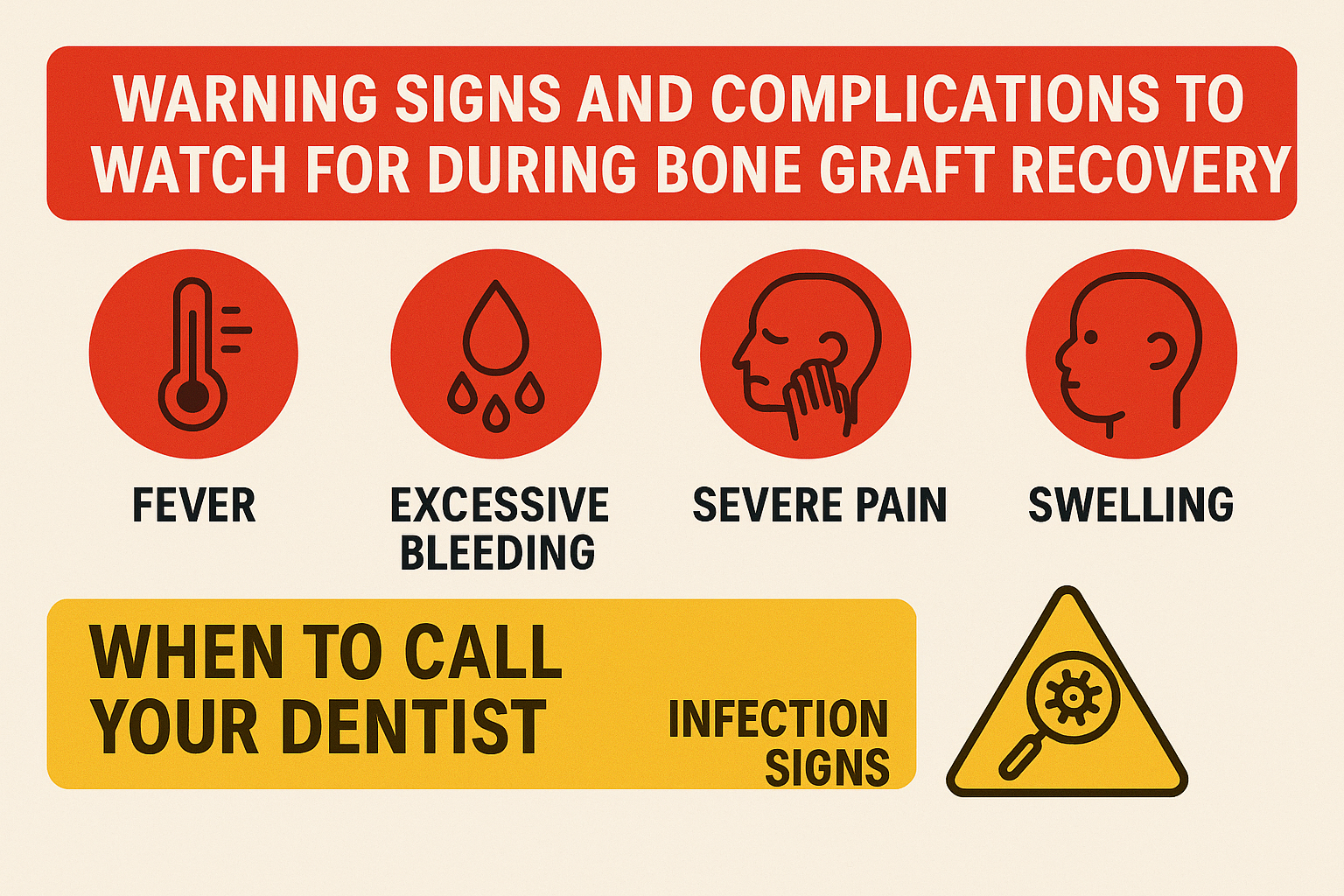
Signs That Require Immediate Attention 🚨
Severe, worsening pain after the first 3-4 days could indicate infection or graft displacement.
Excessive bleeding that doesn’t stop with gentle pressure and gauze after the first day needs evaluation.
Signs of infection include fever over 101°F, pus discharge, or a foul taste that doesn’t improve with rinsing.
Graft material exposure where you can see white or yellowish material through the gums requires professional assessment.
For comprehensive information about recognizing problems early, review our guide on signs of dental implant failure.
When to Contact Your Oral Surgeon
Don’t hesitate to call your oral surgeon’s office if you experience:
- Pain that suddenly worsens after improving
- Swelling that increases after day 3-4
- Difficulty swallowing or breathing
- Numbness that doesn’t improve after a week
- Any concerns about your healing progress
Lifestyle Factors That Impact Recovery Success
Your choices during recovery significantly influence both healing speed and long-term success of your bone graft and future dental implant.
The Impact of Smoking on Bone Graft Healing
Smoking represents the single biggest threat to successful bone graft recovery. Nicotine restricts blood flow to the surgical site, dramatically slowing healing and increasing failure risk.
If you smoke, stopping completely for at least 2 weeks before and 8 weeks after surgery gives your graft the best chance of success. Many patients use this as motivation to quit permanently. Learn more in our comprehensive guide about smoking after dental implants.
Sleep and Recovery Optimization
Quality sleep accelerates healing by allowing your body to focus energy on tissue repair and regeneration.
Sleep position matters during the first week. Keep your head elevated using extra pillows to minimize swelling and promote drainage. For detailed guidance, check out our article on sleeping after dental implants.
Exercise and Physical Activity Guidelines
Gentle movement promotes circulation and healing, but too much too soon can cause complications.
Week 1: Light walking only Week 2-3: Add gentle stretching and yoga Week 4+: Gradually return to your normal exercise routine
Read our complete guide about exercise after dental implants for specific recommendations.
Preparing for Your Dental Implant Placement
Once your bone graft has successfully integrated—typically 3-6 months after surgery—you’ll be ready for the exciting next step: dental implant placement.
How Your Dentist Confirms Readiness
Clinical examination and X-rays or CT scans help your dentist evaluate bone density and volume at the graft site. The bone should feel solid and show good integration with surrounding tissue.
Healing assessment includes checking that gums are healthy and that you’ve maintained good oral hygiene throughout recovery.
What to Expect During Implant Surgery
Dental implant placement after a successful bone graft is typically straightforward and less involved than the original graft surgery. Most patients experience minimal discomfort and faster recovery.
The procedure usually takes 1-2 hours, depending on the number of implants being placed. Your new implant will then need 3-6 months to integrate with your grafted bone before receiving the final crown.
Long-Term Success and Maintenance
Successful bone graft recovery sets the foundation for decades of confident smiles, but long-term success depends on ongoing care and maintenance.
Maintaining Your Investment
Regular dental checkups every 6 months allow your dental team to monitor your implant and surrounding tissues. Professional cleanings help prevent complications that could threaten your investment.
Daily oral hygiene becomes even more important with dental implants. While implants can’t get cavities, the surrounding gums and bone need protection from bacterial infection.
Learn proper techniques for flossing dental implants to keep your restoration healthy for life.
Expected Longevity and Success Rates
Well-maintained dental implants placed in successfully grafted bone have success rates exceeding 95% over 10-15 years. Many patients enjoy their implants for 20-30 years or even a lifetime with proper care.
Factors that influence longevity include:
- Quality of oral hygiene
- Regular professional maintenance
- Overall health status
- Avoiding harmful habits like smoking or teeth grinding
Your Journey to a Confident Smile Starts Here
Bone graft recovery for dental implants might seem daunting at first, but thousands of patients successfully navigate this process every year. With proper preparation, realistic expectations, and commitment to following care instructions, you’re setting yourself up for long-term success.
Remember, this temporary inconvenience leads to a permanent solution that can restore your confidence, improve your nutrition, and enhance your quality of life for decades to come. Your smile deserves expert care, and we make it stress-free.
Conclusion
Your bone graft recovery journey represents a crucial investment in your oral health and overall well-being. While the 3-6 month healing period requires patience and careful attention to post-operative instructions, the result—a strong foundation for a lasting dental implant—makes every day of recovery worthwhile.
Key success factors include following your surgeon’s instructions precisely, maintaining excellent oral hygiene, eating a nutritious diet, avoiding smoking, and attending all follow-up appointments. Most patients find the recovery more manageable than expected, especially when they understand what to expect at each stage.
If you’re considering dental implants and need a bone graft, don’t let the recovery process discourage you. With proper planning and care, you’ll soon be enjoying the life-changing benefits of a complete, confident smile.
Ready to take the next step? Contact our experienced team at Dental Implants Dallas TX to discuss your specific situation and create a personalized treatment plan. We’re here to guide you through every step of your journey to a better smile, making the process as comfortable and stress-free as possible.
For additional support during your recovery, explore our comprehensive dental implant recovery guide with Dallas-specific resources and recommendations.
Leave a Reply
Share your thoughts or ask a question about dental implants. Your email address will not be published.