

Few experiences are as universally relatable as the sudden sting of a bitten lip. Whether it’s an accidental chomp during a meal, a nervous habit, or a consequence of a dental procedure, the discomfort and sometimes lingering pain can be quite bothersome. While often a minor inconvenience, a persistent or severely bitten lip can signal underlying issues that warrant attention. As experts in oral health, we at Dental Implant Education – Dallas TX believe in empowering our patients and community with comprehensive information about all aspects of oral well-being, even seemingly small ones like this. Understanding why it happens and what to do can make a significant difference in your daily comfort and overall oral health.
Key Takeaways
- Bitten lips can stem from various causes, including accidental trauma, dental issues like misalignment, psychological factors such as stress or anxiety, and even neurological conditions.
- Immediate care for a bitten lip often involves gentle cleaning, cold compresses, and over-the-counter pain relief.
- Chronic lip biting, known as cheilophagia, is a body-focused repetitive behavior (BFRB) that may require professional intervention, including behavioral therapies.
- Dental solutions, such as orthodontics or replacing missing teeth with options like dental implants, can prevent recurrent accidental biting.
- If a bitten lip doesn’t heal, shows signs of infection, or is accompanied by other concerning symptoms, a consultation with a dentist is crucial for proper diagnosis and treatment.
Understanding the Causes of a Bitten Lip
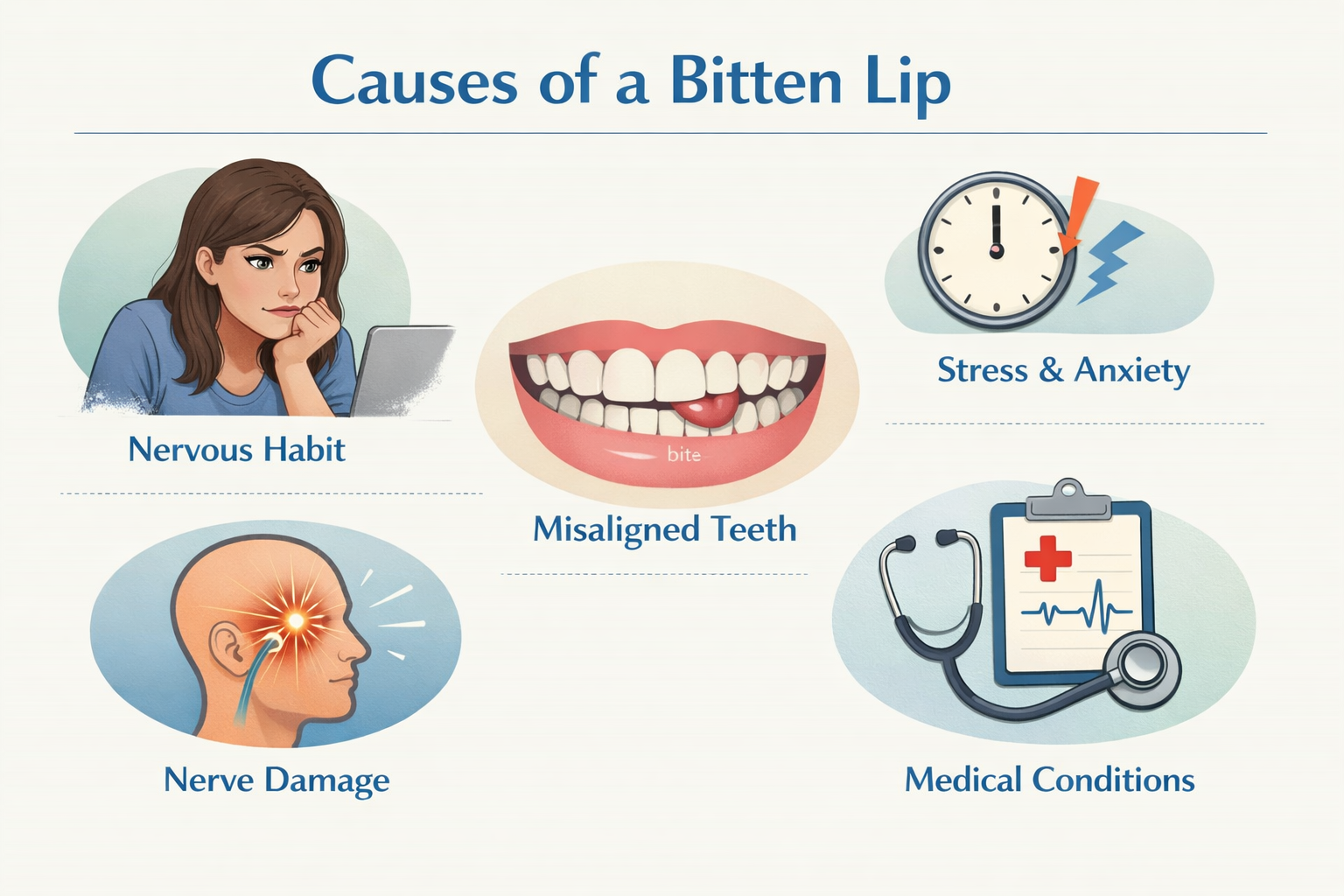
A bitten lip can occur in many ways, ranging from momentary accidents to chronic habits. Identifying the root cause is the first step toward effective management and prevention.
Accidental Biting
This is perhaps the most common reason for a bitten lip. It often happens without warning and can be attributed to several factors:
- Eating and Talking: Rushing through meals or talking animatedly while eating can lead to inadvertently catching your lip between your teeth.
- Anesthesia: After dental work, the lingering numbness from local anesthesia can make it difficult to feel your lip, leading to accidental biting. This is a temporary but common issue that patients encounter.
- Trauma: A fall, a sports injury, or any impact to the face can cause you to bite your lip forcefully.
- Fatigue: When tired, our coordination can be slightly off, increasing the chances of accidental biting.
Dental and Oral Health Factors
Sometimes, the way your teeth fit together or the condition of your oral cavity can predispose you to biting your lip more frequently.
- Misaligned Teeth (Malocclusion): If your teeth don’t align correctly, certain areas of your lips might be more vulnerable to biting. For example, an overbite or underbite can position the lips in a way that makes them easily caught. Orthodontic treatment can often correct these issues, improving both function and comfort.
- Missing Teeth: Gaps left by missing teeth, especially in the back of the mouth, can alter chewing patterns and create spaces where the cheek or lip can be bitten. Addressing missing teeth is crucial for maintaining overall oral health and preventing such accidents. Tooth replacement options like single tooth dental implant costs in 2025 or dental implants for your entire mouth can restore proper bite alignment and function.
- Ill-fitting Dental Appliances: Dentures or other removable appliances that don’t fit well can shift during eating or speaking, leading to a bitten lip.
- Sharp Edges: Chipped teeth, worn fillings, or rough edges on dental crowns can irritate the soft tissues of the mouth, increasing the likelihood of accidental biting or creating a habit of fiddling with the area.
- Wisdom Teeth: Erupting wisdom teeth can sometimes cause localized swelling or changes in bite, contributing to accidental lip biting.
Psychological and Behavioral Habits
For some, biting the lip is not just an accident but a recurring habit, often linked to emotional or psychological states. This chronic form is known as cheilophagia.
- Stress and Anxiety: Many people unconsciously bite their lips when feeling stressed, anxious, or nervous. It can be a coping mechanism, a way to release tension. This falls under the category of Body-Focused Repetitive Behaviors (BFRBs), which are repetitive self-grooming behaviors that can cause physical damage [1].
- Boredom: Similar to nail-biting, lip biting can become a habit when someone is bored or needs a form of self-stimulation.
- Habitual Behavior: Over time, what might start as an accidental bite can evolve into a subconscious habit, even when the initial trigger is no longer present. The oral region is rich in nerve endings, and manipulating it can provide a sensory input that becomes ingrained.
- Body-Focused Repetitive Behaviors (BFRBs): As mentioned, chronic lip biting can be a BFRB. These behaviors are often performed unconsciously but can cause significant damage to the skin, hair, or nails. Other common BFRBs include hair pulling (trichotillomania) and skin picking (excoriation disorder) [1]. Individuals with BFRBs may feel a strong urge to perform the behavior, and attempts to stop can lead to increased anxiety [1].
Neurological and Medical Conditions
In rarer cases, a bitten lip might be a symptom or consequence of underlying medical conditions.
- Nerve Damage: Injury to facial nerves can affect sensation and motor control, making it harder to control lip movements or feel when a lip is being caught.
- Seizure Disorders: During a seizure, involuntary muscle contractions can lead to a severely bitten lip or tongue.
- Stroke: A stroke can cause facial paralysis or muscle weakness, impacting coordination and sensation in the mouth area.
- Other Conditions: Certain neurological conditions affecting muscle control or sensation can also increase the risk.
It’s important to differentiate between an occasional accidental bite and a chronic issue. While minor bites usually heal on their own, persistent biting, especially if it leads to sores, infections, or significant pain, warrants professional evaluation.
Treatment and Prevention Strategies for a Bitten Lip
Once you understand the potential causes, you can explore various strategies for treating an acute bitten lip and preventing future occurrences. Our goal at Dental Implant Education – Dallas TX is to provide you with the knowledge to make informed decisions about your oral health.
Immediate Care for an Acute Bitten Lip
If you’ve just bitten your lip, the immediate steps you take can help manage pain, reduce swelling, and prevent infection.
- Clean the Area: Gently rinse your mouth with warm salt water (a teaspoon of salt in a glass of warm water) or an antiseptic mouthwash. This helps clean the wound and can reduce the risk of infection.
- Apply Cold Compress: To reduce swelling and numb the pain, apply a cold compress or ice pack wrapped in a cloth to the outside of your lip.
- Control Bleeding: If there’s bleeding, apply gentle, direct pressure to the wound with a clean cloth or gauze for a few minutes.
- Over-the-Counter Pain Relief: Medications like ibuprofen or acetaminophen can help manage pain and inflammation.
- Soothing Balms: Petroleum jelly or specialized lip balms can help keep the area moisturized and protect it as it heals. Avoid spicy, acidic, or very hot foods and drinks, which can irritate the wound.
Dental Interventions to Prevent Biting
For those whose bitten lip issues stem from dental alignment or missing teeth, professional dental care offers lasting solutions.
- Orthodontics: If malocclusion (misaligned teeth) is the culprit, orthodontic treatments like braces or clear aligners can gradually correct your bite, positioning your teeth in a way that reduces lip interference. This is a significant long-term solution for many [2].
- Tooth Replacement: Missing teeth can create gaps or alter your bite, making your lip more susceptible to biting. Dental implants in Dallas are an excellent option for replacing missing teeth, restoring proper function, and improving overall oral health. A dental implant procedure involves surgically placing a titanium post into the jawbone, which then supports a crown, bridge, or denture. This restores the natural bite and can prevent chronic lip biting. For those considering this, understanding the average price of a dental implant per tooth in 2025 is a common first step.
- Adjusting Dental Appliances: If ill-fitting dentures or other prosthetics are causing the problem, your dentist can adjust, reline, or replace them to ensure a comfortable and secure fit.
- Smoothing Sharp Edges: Chipped teeth or rough fillings can be smoothed down by your dentist to prevent irritation and accidental biting.
Behavioral and Psychological Therapies for Chronic Lip Biting
When a bitten lip becomes a chronic habit (cheilophagia), especially if it’s causing significant distress or damage, behavioral therapies can be highly effective.
- Awareness Training: The first step is often to become more aware of when and why you are biting your lip. Keeping a journal to track triggers (stress, boredom, certain situations) can be helpful.
- Stimulus Control: This involves modifying your environment or behavior to make it harder to bite your lip. For example, chewing gum or sugar-free candy can provide an alternative oral stimulation.
- Habit Reversal Training (HRT): A common and effective treatment for BFRBs, HRT involves several components [1]:
- Awareness Enhancement: Helping the individual recognize the behavior when it occurs and identify situations that trigger it.
- Competing Response Training: Teaching the individual to perform a different, less harmful behavior whenever they feel the urge to bite their lip. For example, clenching your fists, squeezing a stress ball, or gently pressing your lips together for a few seconds can be competing responses.
- Social Support: Involving family and friends to provide encouragement and reminders.
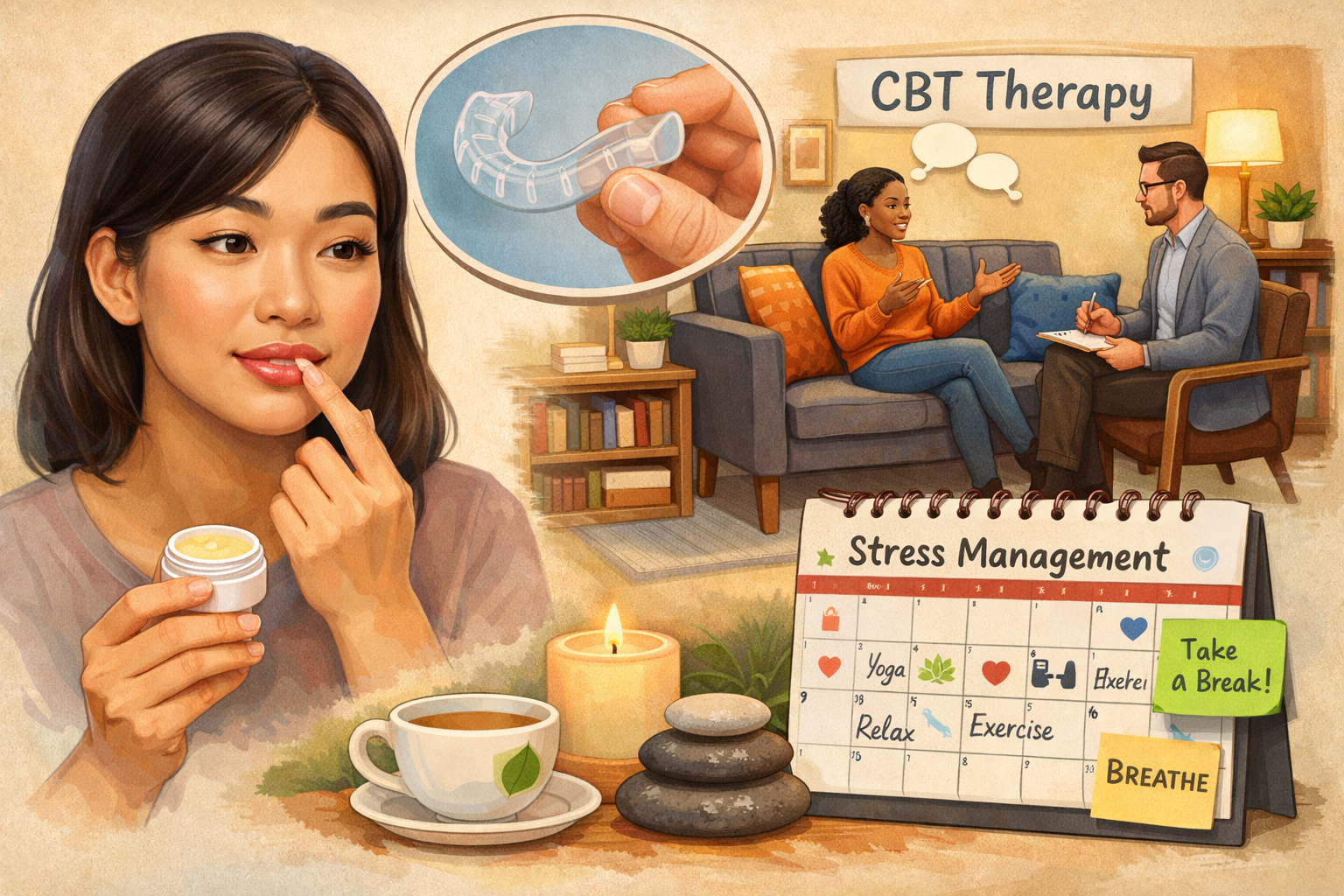
- Cognitive Behavioral Therapy (CBT): CBT can help individuals identify and change the thought patterns that contribute to anxiety and lip biting. It addresses the underlying psychological factors [1].
- Dialectical Behavior Therapy (DBT): DBT is another form of therapy that can be effective for BFRBs, focusing on emotional regulation and distress tolerance [1].
- Medication: In some cases, if anxiety or other underlying mental health conditions are significant, a doctor might prescribe medication in conjunction with therapy [1].
Lifestyle Adjustments and General Prevention
Simple daily changes can also play a role in preventing a bitten lip.
- Mindful Eating: Slow down while eating, pay attention to chewing, and avoid talking with your mouth full.
- Stress Management: Incorporate stress-reducing activities into your routine, such as exercise, meditation, yoga, or hobbies.
- Mouthguards: For those who bite their lips during sleep or sports, a custom-fitted mouthguard can provide protection.
- Post-Dental Anesthesia Care: If you’ve had dental work with local anesthesia, be extra careful not to bite your numb lip or cheek. Avoid eating hard-to-chew foods until the numbness wears off completely. Our guide on temporary tooth while waiting for implant: your 2026 guide might offer related tips for post-procedure care.
When to See a Dentist or Doctor
While most minor bitten lips heal on their own within a few days, it’s important to know when professional medical advice is needed:
- Persistent Pain or Swelling: If the pain or swelling doesn’t improve after a few days, or if it worsens.
- Signs of Infection: Redness spreading beyond the wound, pus, fever, or increased pain.
- Deep Laceration: If the bite is very deep, gaping, or bleeding heavily, it might require stitches.
- Doesn’t Heal: If the sore persists for more than a week or two, it should be checked by a dentist or doctor to rule out other issues.
- Chronic Biting: If lip biting has become a persistent, uncontrollable habit causing distress or damage, seeking help from a mental health professional specializing in BFRBs is recommended.
- Associated with Other Symptoms: If lip biting is accompanied by neurological symptoms or other concerning medical issues.
At Dental Implant Education – Dallas TX, we are committed to promoting optimal oral health through education and patient safety. Whether your bitten lip is a minor annoyance or a symptom of a larger issue, understanding your options and consulting with a dental professional is always the best approach. If you are in Dallas, Texas, and concerned about recurrent lip biting due to dental issues, we encourage you to schedule a consultation with a dentist to explore the best tooth replacement options or bite correction strategies for your long-term oral health.
Conclusion
A bitten lip, while often a common and fleeting discomfort, can sometimes be a signpost for underlying dental issues or a chronic behavioral pattern. From accidental trauma during a meal to the unconscious habit driven by stress or anxiety, understanding the diverse causes is the first step toward effective management. Immediate care involves simple steps like cleaning and cold compresses, while prevention can range from mindful eating to significant dental interventions like orthodontics or dental implants in Dallas to correct bite problems.
For those struggling with chronic lip biting, recognizing it as a Body-Focused Repetitive Behavior (BFRB) opens doors to effective psychological and behavioral therapies. Our commitment at Dental Implant Education – Dallas TX is to provide medically responsible, patient-first information, helping you navigate your oral health journey. If your bitten lip causes persistent pain, shows signs of infection, or is part of a recurring habit, do not hesitate to seek professional consultation. Taking proactive steps ensures your long-term oral health and comfort.
References
[1] Medical News Today – https://www.medicalnewstoday.com/articles/322093 [2] Journal of Indian Orthodontic Society – https://journals.sagepub.com/doi/10.1177/03015742231214378
Leave a Reply
Share your thoughts or ask a question about dental implants. Your email address will not be published.