

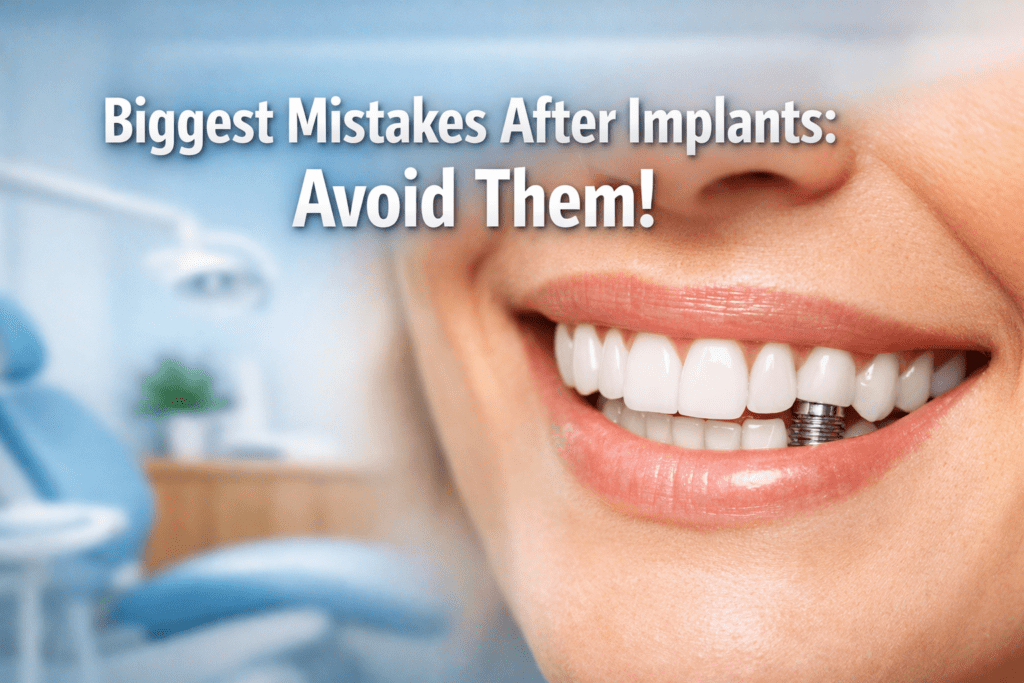
Undergoing a dental implant procedure in Dallas is an investment in your oral health and quality of life. To protect that investment, understanding and avoiding the biggest mistakes after implants is crucial. Many potential issues stem from inadequate post-operative care or neglecting follow-up appointments, which can compromise the implant’s integration and long-term stability.
Key Takeaways
- Follow Post-Op Instructions Strictly: Adhere to all dietary, hygiene, and activity restrictions provided by your dentist to promote proper healing.
- Maintain Excellent Oral Hygiene: Meticulous brushing and flossing are essential to prevent peri-implantitis, an infection around the implant.
- Avoid Hard or Chewy Foods Initially: Protect the implant site from excessive pressure during the healing phase by sticking to soft foods.
- Do Not Smoke or Use Tobacco: Smoking significantly impairs healing and increases the risk of implant failure.
- Attend All Follow-Up Appointments: Regular check-ups allow your dentist to monitor healing and address any issues early.
- Report Any Concerns Promptly: Swelling, pain, or unusual discharge should be reported immediately to your dental professional.
- Understand Long-Term Maintenance: Dental implants require ongoing care, similar to natural teeth, to ensure their longevity.
Quick Answer
The biggest mistakes after implants often involve neglecting prescribed aftercare instructions, failing to maintain rigorous oral hygiene, and skipping crucial follow-up appointments. These missteps can lead to complications such as infection, poor osseointegration, and ultimately, implant failure, underscoring the importance of patient compliance for successful long-term oral health.
Neglecting Post-Operative Instructions
Neglecting the detailed post-operative instructions provided by your dentist is one of the biggest mistakes after implants, as these guidelines are specifically designed to ensure proper healing and successful integration of the implant. Adhering to these instructions helps prevent complications like infection, excessive swelling, and disruption of the healing site, which are critical for the long-term success of your dental implant procedure.
Your Dallas dentist will provide specific instructions covering everything from pain management and swelling control to dietary restrictions and oral hygiene practices immediately following your implant surgery. For example, applying ice packs to the outside of your face can help reduce swelling in the first 24-48 hours, while avoiding strenuous activity prevents increased bleeding and discomfort. Ignoring these instructions, even simple ones like resting or avoiding certain foods, can place undue stress on the surgical site and impede the osseointegration process, where the implant fuses with your jawbone. Always follow your dentist’s advice carefully.
What to Do:
- Read and understand: Thoroughly review all written post-operative instructions. Ask your dental team if anything is unclear.
- Plan ahead: Stock up on recommended soft foods, ensure you have pain medication, and arrange for rest time.
- Set reminders: For medication schedules and avoiding forbidden activities.
- Stay hydrated: Drink plenty of fluids, but avoid using straws as the suction can dislodge blood clots, leading to dry socket.
- Manage pain and swelling: Take prescribed medications as directed and use cold compresses as advised.
Failing to Maintain Excellent Oral Hygiene

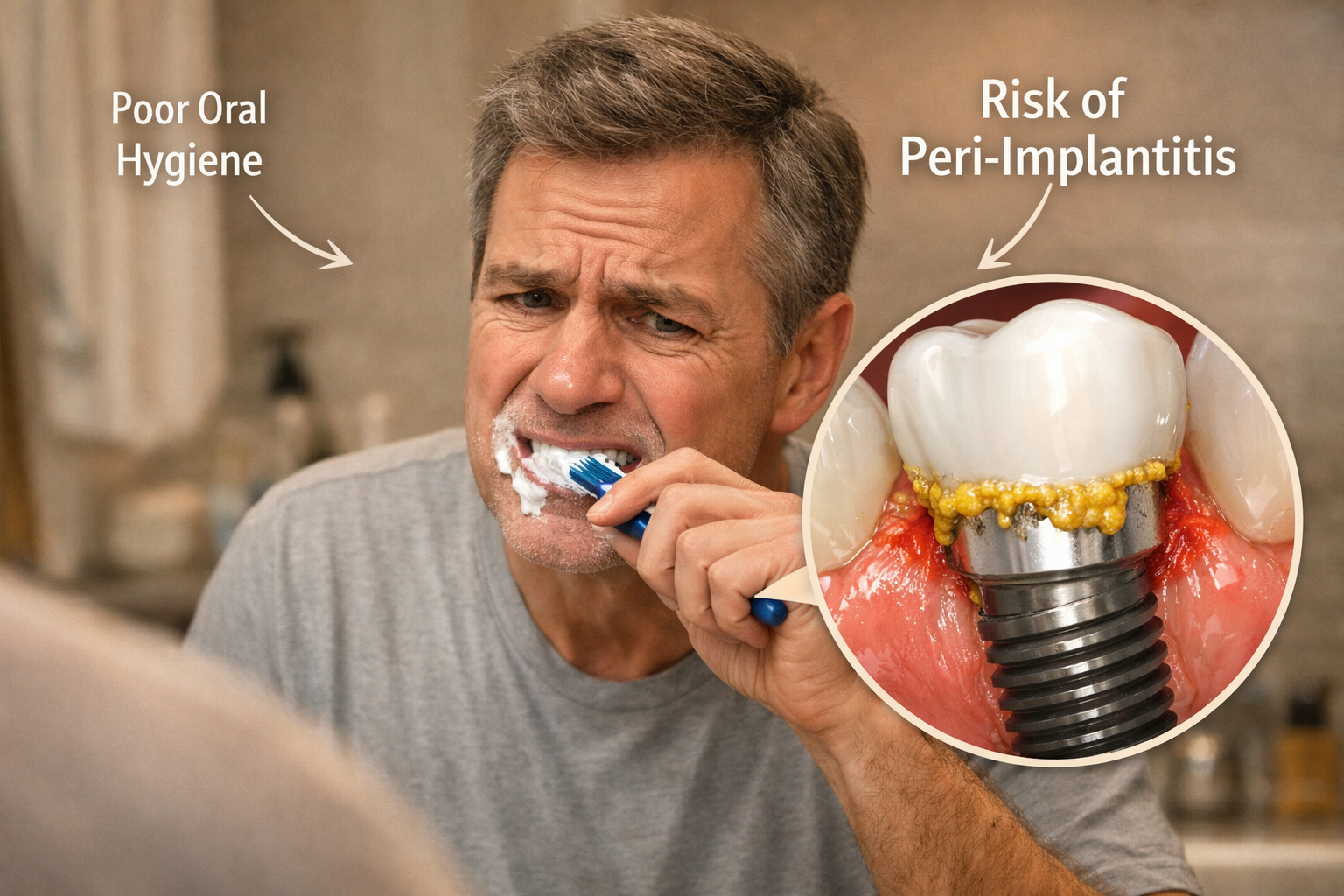
Failing to maintain excellent oral hygiene is a critical error after dental implant placement, as it significantly increases the risk of peri-implantitis, a serious infection that can compromise the implant’s stability and lead to its failure. Just like natural teeth, dental implants require meticulous cleaning to prevent plaque and bacteria buildup around the implant and gum tissue.
Poor oral hygiene allows bacteria to accumulate, leading to inflammation and infection of the gum tissue and bone surrounding the implant. This condition, known as peri-implantitis, can cause bone loss around the implant, weakening its foundation and potentially necessitating removal. While the implant itself cannot get a cavity, the surrounding tissues are vulnerable, making consistent and proper cleaning essential for long-term oral health. You can learn more about whether a dental implant can get infected years later here.
Essential Oral Hygiene Practices:
- Gentle Brushing: Use a soft-bristled toothbrush or an electric toothbrush with a gentle setting. Brush gently around the implant site, as directed by your dentist, to avoid irritating healing tissues.
- Daily Flossing: Use implant-specific floss, water flossers, or interdental brushes to clean around the implant, reaching areas a toothbrush cannot.
- Antimicrobial Mouthwash: Your dentist might recommend a non-alcoholic antimicrobial mouthwash to reduce bacteria, especially during the initial healing phase.
- Regular Dental Check-ups: Beyond daily care, routine professional cleanings and examinations are vital to monitor the implant and remove any hardened plaque (calculus) that at-home brushing might miss.
Common Oral Hygiene Mistakes:
- Aggressive Brushing: Brushing too hard can damage delicate gum tissue around the implant, leading to recession or inflammation.
- Ignoring the Implant Area: Some patients are hesitant to clean around the implant, fearing damage, but this neglect allows plaque to accumulate.
- Using Abrasive Products: Toothpastes with harsh abrasives can scratch the implant surface, making it more prone to bacterial adhesion.
Ignoring Dietary Restrictions
Ignoring dietary restrictions is another one of the biggest mistakes after implants, as consuming hard, chewy, or hot foods can disrupt the healing process, damage the surgical site, and jeopardize the implant’s successful integration with the jawbone. The initial weeks after implant surgery are crucial for osseointegration, and protecting the implant from undue stress during this period is paramount.
Immediately after surgery, the implant is vulnerable. Chewing hard foods can place excessive pressure on the healing site, potentially moving the implant or causing pain and inflammation. Hot foods or drinks can increase swelling and irritate the surgical area, while acidic or spicy foods can cause discomfort. A soft food diet protects the healing tissues and allows the implant to fuse with the bone undisturbed. For guidance on specific dietary choices, such as coffee after dental implant surgery, it’s best to consult your Dallas dental professional.
Recommended Dietary Progression:
- Immediate Post-Op (Days 1-3): Stick to cold liquids and very soft, cool foods. Examples include smoothies, yogurt, applesauce, and cold soups. Avoid anything that requires chewing.
- First Few Weeks (Weeks 1-2): Gradually introduce soft, lukewarm foods. This can include scrambled eggs, mashed potatoes, well-cooked pasta, soft fish, and pureed vegetables. Ensure foods are cut into small, manageable pieces.
- Beyond Two Weeks: Slowly reintroduce a wider variety of foods as comfort allows, but continue to avoid extremely hard, crunchy, or sticky foods until your dentist gives the all-clear.
- Long-Term: Once fully healed, dental implants allow you to eat most foods comfortably. However, exercising caution with excessively hard items (e.g., cracking nuts with your implant) can help extend their lifespan.
Foods to Avoid Initially:
- Hard Foods: Nuts, ice, hard candies, popcorn, raw vegetables.
- Chewy Foods: Steak, bagels, sticky candies.
- Crunchy Foods: Chips, crackers, crusty bread.
- Hot Foods/Drinks: Can increase swelling and discomfort.
- Acidic/Spicy Foods: Can irritate the surgical site.
- Small Grains/Seeds: Can get lodged in the surgical site.
Skipping Follow-Up Appointments
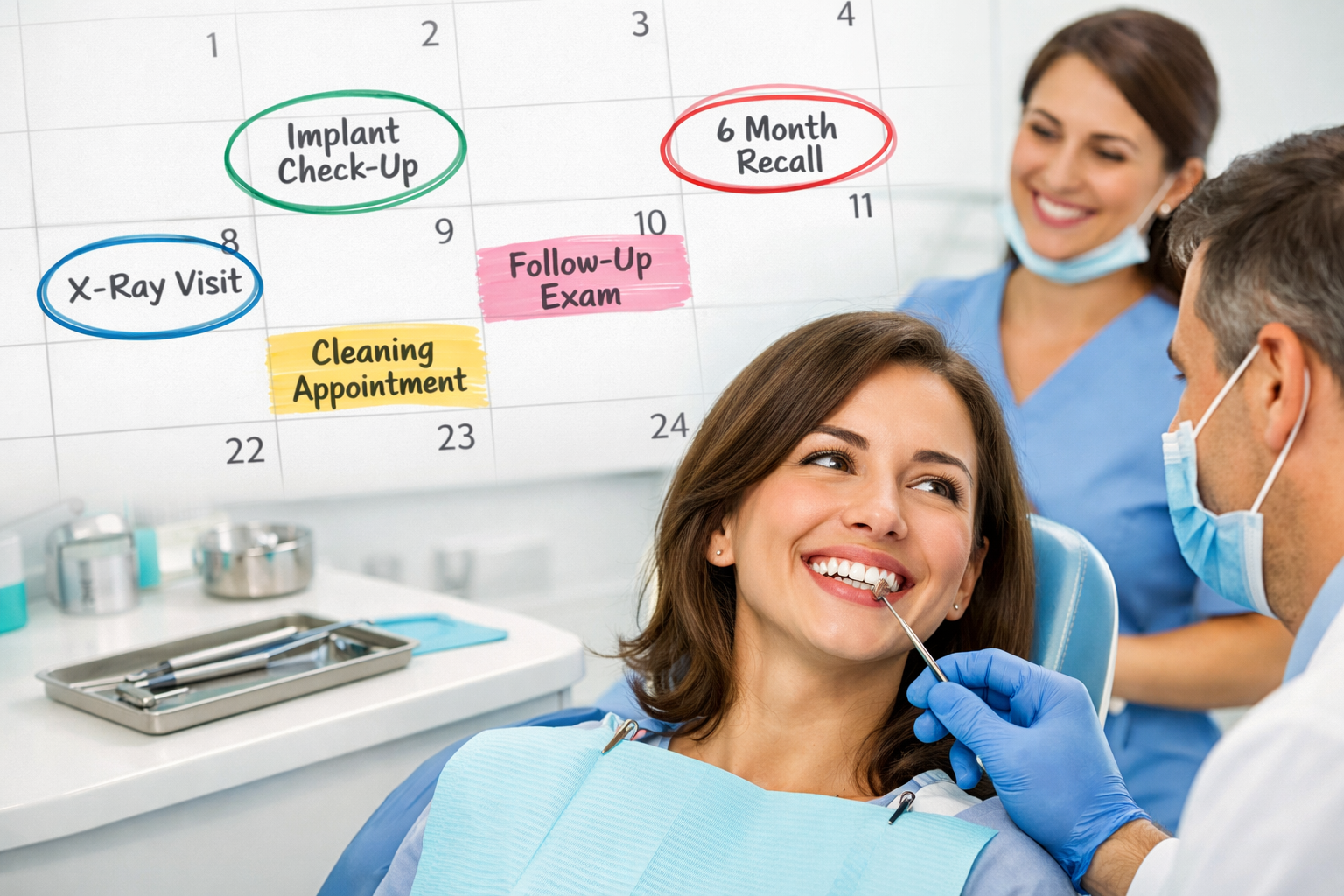
Skipping follow-up appointments is a significant oversight after dental implant surgery because these visits are essential for your dentist to monitor the healing process, detect potential complications early, and ensure the implant is successfully integrating with your jawbone. Early detection of issues like infection or improper healing can prevent more serious problems and costly interventions down the line.
Your Dallas dentist schedules follow-up appointments to assess the implant site, check for any signs of infection (like those discussed in Can Dental Implants Get Infected Years Later?), evaluate bone integration through X-rays, and ensure your oral hygiene routine is effective. These appointments are particularly crucial during the osseointegration period, which can take several months. Without these regular checks, minor issues can escalate into major complications, potentially leading to implant failure.
Why Follow-Up Appointments Are Crucial:
- Monitor Healing: Your dentist can visually inspect the surgical site and assess the soft tissue healing.
- Detect Complications: Early signs of infection (peri-implantitis), poor osseointegration, or nerve issues can be identified and addressed promptly.
- X-Ray Evaluation: Radiographs confirm that the implant is fusing correctly with the bone and that no bone loss is occurring.
- Hygiene Assessment: Your dental team can review and adjust your oral hygiene practices to ensure effective cleaning around the implant.
- Prosthetic Planning: Once the implant has fully integrated, follow-up appointments transition to planning for the placement of the crown, bridge, or denture that will restore your smile. This is especially important for complex solutions like full mouth dental implants in Dallas.
Consequences of Skipping Appointments:
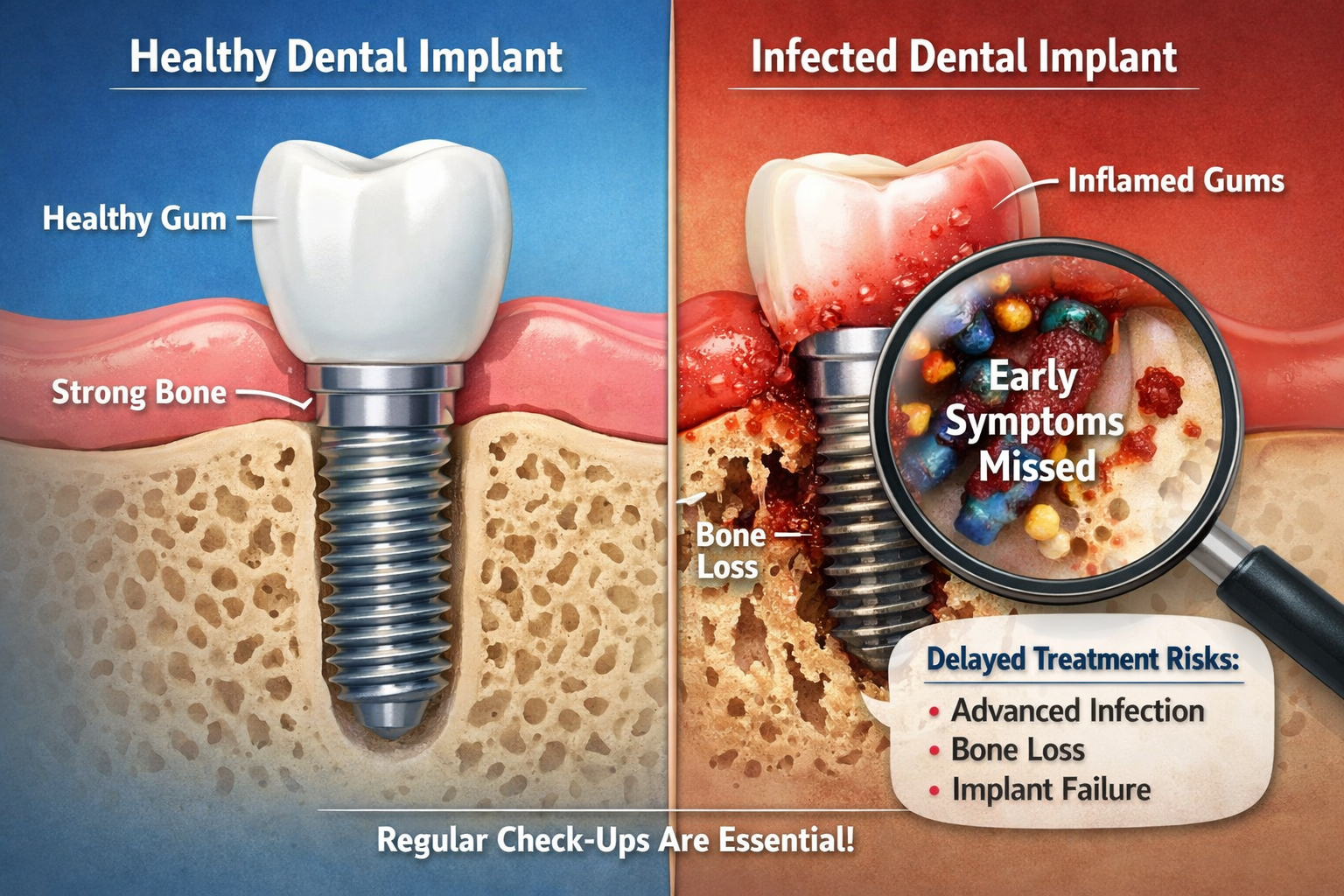
- Delayed Detection of Infection: Infections around the implant can progress silently, causing irreversible bone loss if not caught early.
- Compromised Osseointegration: If the implant is not fusing properly, early intervention might save it; otherwise, removal may be necessary.
- Increased Treatment Complexity and Cost: Addressing advanced complications is often more invasive, time-consuming, and expensive than treating issues detected early.
- Loss of Warranty: Some dental implant warranties may require adherence to a regular follow-up schedule.
Poor Long-Term Maintenance and Neglecting Regular Dental Check-ups
One of the most impactful biggest mistakes after implants, over the long term, is neglecting ongoing maintenance and skipping regular professional dental check-ups. While dental implants are durable, they are not impervious to problems and require the same, if not more, diligent care as natural teeth to ensure their longevity and prevent complications like peri-implantitis.
Unlike natural teeth, implants lack the protective periodontal ligament, which means infections can progress more rapidly and cause significant bone loss around the implant if not detected and treated early. Regular visits to your Dallas dentist and hygienist allow for professional cleaning of the implant and surrounding tissues, removal of hardened plaque that cannot be eliminated at home, and thorough examinations to catch any issues—from subtle inflammation to mechanical problems with the prosthetic—before they become serious. This proactive approach is vital for safeguarding your investment in tooth replacement options.

Essential Long-Term Care Practices:
- Consistent Oral Hygiene: Continue diligent brushing and flossing daily, using appropriate tools recommended by your dentist for implant care.
- Bi-Annual Dental Check-ups: Schedule professional cleanings and examinations every six months, or as recommended by your dental professional. These visits are critical for monitoring the health of your implants, gums, and remaining natural teeth.
- X-Rays: Periodic X-rays allow your dentist to monitor the bone level around your implants, ensuring no bone loss is occurring.
- Addressing Bruxism (Teeth Grinding): If you grind or clench your teeth, your dentist may recommend a night guard. Excessive force can put undue stress on implants and potentially lead to complications.
- Promptly Report Issues: Any discomfort, swelling, redness, bleeding, or a feeling that your implant crown is loose should be reported to your dentist immediately. This is especially important if you experience symptoms like spitting blood after dental implant surgery.
Why Long-Term Maintenance is Critical for Implants:
| Aspect | Natural Teeth | Dental Implants | Importance for Implants |
|---|---|---|---|
| Gum Attachment | Periodontal ligament for cushion and sensory | Direct bone fusion (osseointegration) | Lacks natural shock absorption; susceptible to direct bacterial attack. |
| Blood Supply | Rich blood supply to surrounding tissues | Limited blood supply to peri-implant tissues | Reduced ability to fight infection; healing can be slower. |
| Infection Spread | Slowed by periodontal ligament | Can spread rapidly to bone | Peri-implantitis can lead to quick bone loss and failure. |
| Sensory Feedback | Excellent; can feel pressure and pain easily | Limited; may not feel problems until advanced | Early symptoms may be missed, requiring vigilant professional monitoring. |
| Professional Cleanings | Important for overall oral health | Essential for specialized cleaning around implants | Specific tools and techniques needed to clean implant surfaces without damage. |
Conclusion
Avoiding the biggest mistakes after implants is not just about protecting an investment; it’s about safeguarding your overall oral health and ensuring the long-term success of your tooth replacement options. From meticulous oral hygiene and strict adherence to post-operative instructions to regular dental check-ups, each step plays a vital role in the healing process and the longevity of your dental implants. If you’re considering dental implants in Dallas or have recently undergone the procedure, remember that consistent, patient-first care, guided by a trusted dental professional, is the cornerstone of a healthy, confident smile for years to come.
If you have concerns about your dental implant recovery or are considering a consultation with a dentist for missing teeth solutions, please contact a qualified dental implant education resource or your local Dallas dental clinic. Informed decision-making and professional consultation are always encouraged.
Related Reading
- Bone Graft Healing for Dental Implants: Your 2026 Timeline
- What Happens If You Wait Too Long for Dental Implants?
- Dental Implant Recovery Complications Dallas: Guide to Safe
FAQ
How long does it take for dental implants to fully heal?
Dental implants typically take 3 to 6 months to fully integrate with the jawbone, a process called osseointegration. Soft tissue healing around the implant is usually much faster, often within a few weeks.
Can I smoke after getting a dental implant?
No, it is strongly advised to avoid smoking after a dental implant procedure. Smoking significantly hinders the healing process and dramatically increases the risk of implant failure.
What foods should I avoid immediately after implant surgery?
Initially, you should avoid hard, chewy, crunchy, hot, spicy, or acidic foods. Stick to soft, cool liquids and foods for the first few days, gradually introducing softer solids as healing progresses.
What are the signs of an infected dental implant?
Signs of an infected dental implant include persistent pain, swelling, redness, tenderness around the implant site, pus discharge, or a loose feeling of the implant or crown. Contact your dentist immediately if you notice these symptoms.
How often should I visit the dentist after getting an implant?
After initial healing, your dentist will likely recommend bi-annual check-ups and cleanings, similar to natural teeth. These regular visits are crucial for monitoring the implant’s long-term health.
Can I brush my teeth normally after dental implant surgery?
You should brush gently around the surgical site, avoiding direct trauma to the healing tissues. Your dentist will provide specific instructions on how to clean the area, often recommending a soft-bristled brush and potentially an antimicrobial rinse.
Is it normal for my dental implant to feel weird?
It is common for a dental implant to feel slightly different or “weird” initially, as you adjust to the new fixture. However, if this feeling persists, is accompanied by pain, or feels like a foreign object, consult your dentist.
What happens if I don’t follow post-operative instructions?
Not following post-operative instructions can lead to complications such as increased swelling, prolonged pain, infection, disruption of the blood clot, and ultimately, compromise the implant’s successful integration with the bone.
How important are follow-up appointments?
Follow-up appointments are extremely important. They allow your dentist to monitor the healing progress, check for proper osseointegration, address any emerging issues early, and ensure the long-term success of your dental implant.
Leave a Reply
Share your thoughts or ask a question about dental implants. Your email address will not be published.