

Let’s be honest—dental implants are expensive. Like, really expensive. A single implant can cost anywhere from $3,000 to $6,000, and if you need multiple implants or a full-arch restoration, you’re looking at a bill that could rival a down payment on a car.
Here’s the good news: the right dental insurance can significantly reduce your out-of-pocket costs. The bad news? Not all dental insurance plans treat implants equally. Some make you wait a full year before coverage kicks in. Others have annual maximums so low they barely make a dent in your total costs. And some plans—well, they don’t cover implants at all.
I’ve spent weeks researching the top dental insurance plans that actually provide meaningful coverage for dental implants. Whether you need affordable dental implants or you’re planning for All-on-4 dental implants, choosing the right insurance can save you thousands of dollars.
In this comprehensive guide, I’m breaking down the six best dental insurance plans for implants, comparing their waiting periods, coverage percentages, annual maximums, and overall value. By the end, you’ll know exactly which plan fits your timeline, budget, and dental needs.
Quick Comparison: Best Dental Insurance for Implants at a Glance
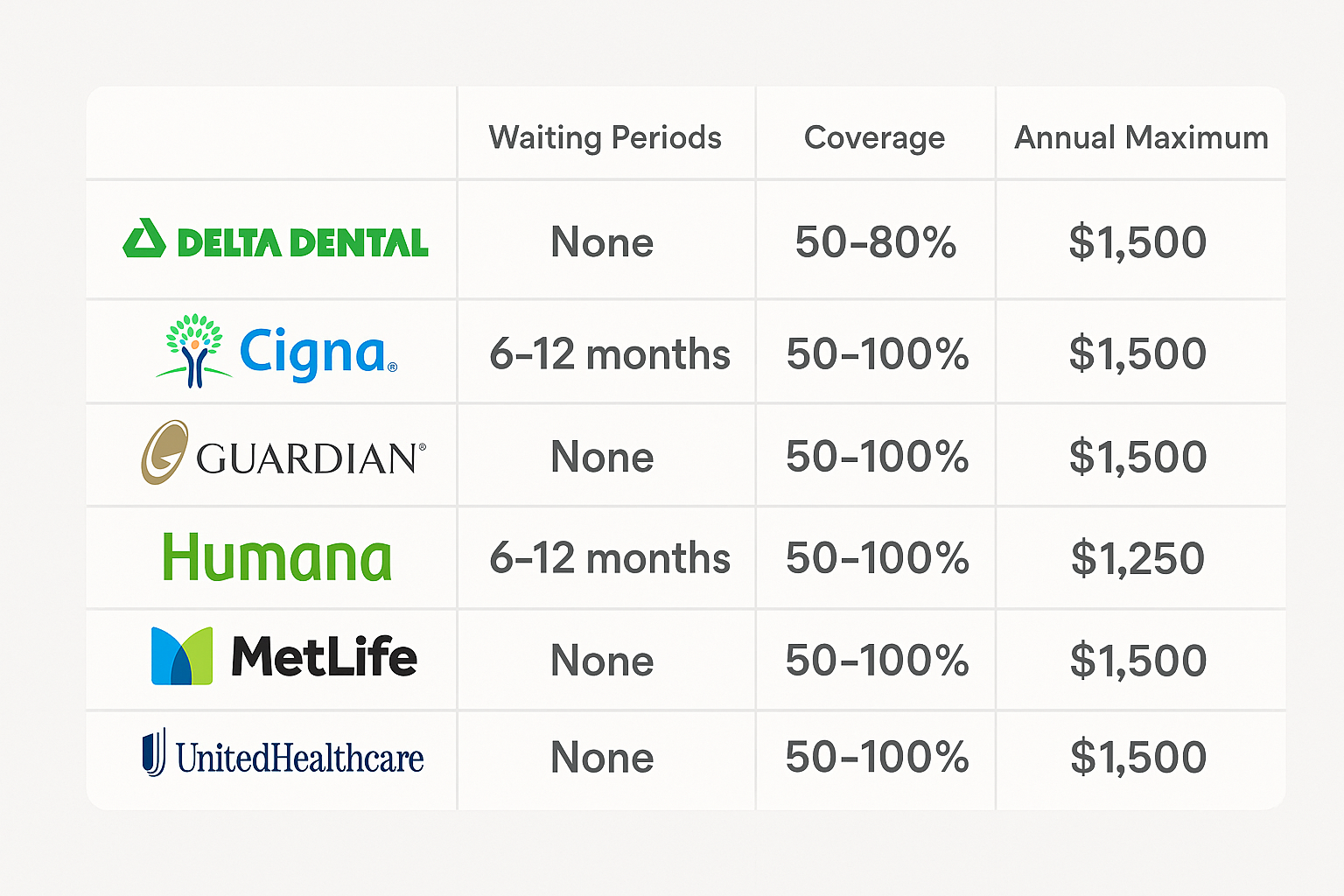
| Insurance Plan | Monthly Cost (Family) | Waiting Period | Implant Coverage | Annual Maximum | Best For |
|---|---|---|---|---|---|
| Delta Dental Premium PPO | $45-$85 | 6 months | 50% | $2,000 | Fast coverage & large network |
| MetLife TakeAlong Medium | $35-$75 | 12 months | 50% | Varies | Budget-conscious planners |
| Cigna Dental 1500 | $35-$75 | 12 months | Varies | $1,500 | Comprehensive family coverage |
| Spirit Dental & Vision | $40-$90 | 0 months | Varies | $5,000 | Immediate treatment needs |
| Guardian Direct | $30-$80 | 0-12 months | Varies | $1,000-$1,500 | Flexible customization |
| Humana Preventive | $20-$45 | 0-6 months | Limited | $750-$1,000 | Preventive care priority |
Detailed Reviews: The 6 Best Dental Insurance Plans for Implants
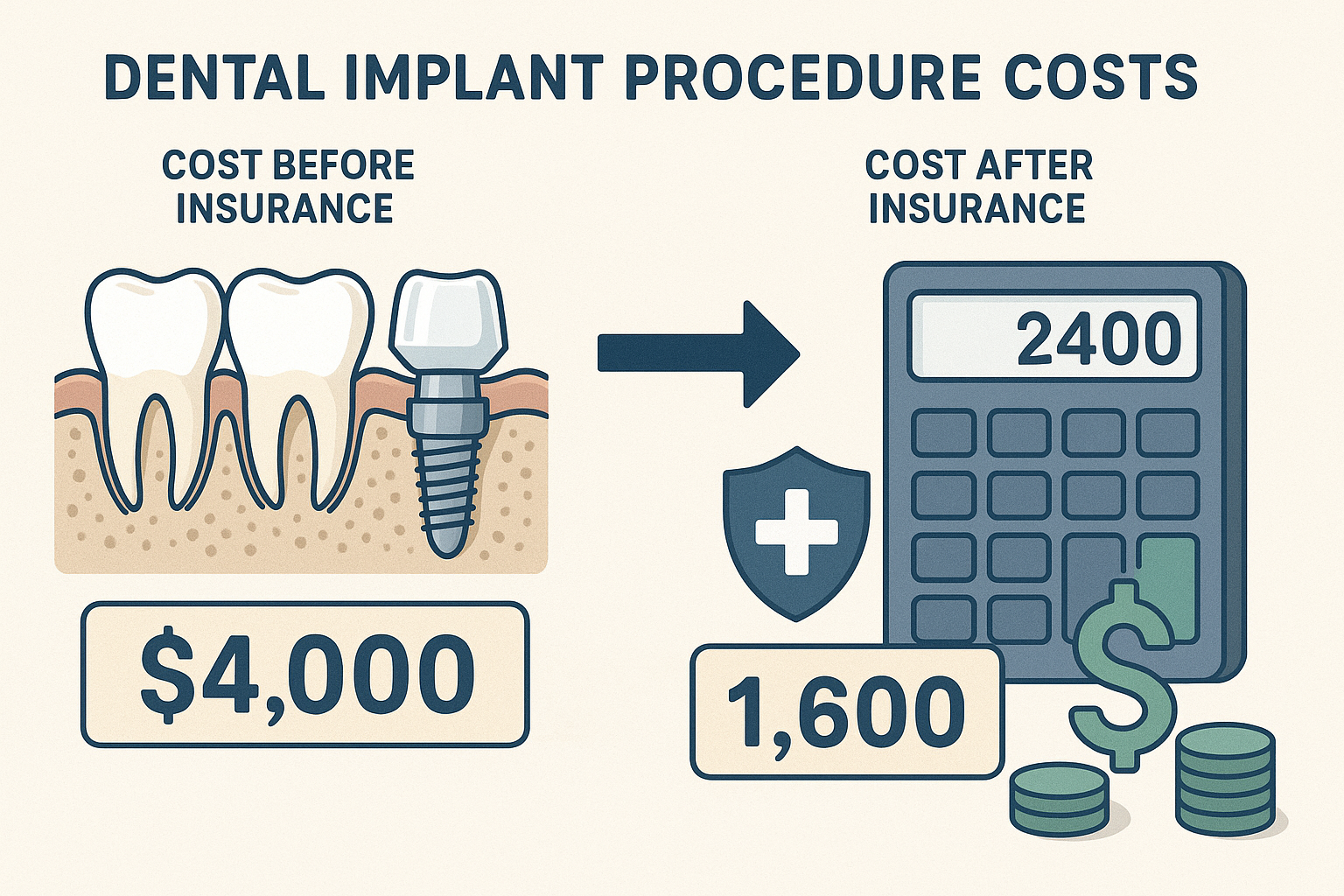
1. Delta Dental Premium PPO Plan — Best Overall for Implant Coverage
Price: $45-$85 per month (family)
Delta Dental isn’t just a household name—it’s the gold standard for dental insurance in the United States. Their Premium PPO Plan strikes the perfect balance between comprehensive coverage and reasonable waiting periods, making it my top pick for anyone serious about getting dental implants.
✅ Pros
- Short 6-month waiting period — One of the shortest in the industry for major procedures like implants
- High annual maximum of $2,000 — Covers a significant portion of implant costs
- 50% coverage for implants — Both in-network and out-of-network providers
- Low $50 deductible — Minimal out-of-pocket before coverage begins
- Largest nationwide network — Over 155,000 dentists across all 50 states
- Excellent reputation — Consistently low complaint rates and high satisfaction scores
❌ Cons
- Higher premiums — You’ll pay more monthly compared to budget options
- State variations — Specific plan offerings may differ depending on where you live
Who Should Choose This Plan?
Delta Dental Premium PPO is perfect for families and individuals who need implants within the next year and don’t want to wait forever for coverage to activate. If you travel frequently for work, the massive provider network means you’ll find quality dentists virtually anywhere. The higher premium is worth it when you consider the shorter waiting period and higher annual maximum—you’ll recoup those costs when your implant procedure is covered at 50%.
Bottom Line: If you can afford slightly higher premiums and want the fastest path to comprehensive implant coverage with the most provider options, Delta Dental Premium PPO is your best bet.
2. MetLife TakeAlong Dental Medium Plan — Best Budget-Friendly Option
Price: $35-$75 per month (family)
MetLife’s TakeAlong Dental Medium Plan proves you don’t need to break the bank to get solid implant coverage. While you’ll need patience (thanks to that 12-month waiting period), the affordable premiums and nationwide availability make this an excellent choice for budget-conscious patients who can plan ahead.
✅ Pros
- Affordable monthly premiums — Among the lowest for plans that actually cover implants
- Low $50 deductible — Keeps initial costs manageable
- 50% implant coverage — Same percentage as premium plans, just with a longer wait
- Nationwide availability — All 50 states plus Washington, D.C.
- Reliable coverage — From a trusted insurance provider
❌ Cons
- 12-month waiting period — Twice as long as Delta Dental’s wait time
- Lower satisfaction ratings — Recent surveys show room for improvement in customer service
- Variable annual maximums — May be lower than premium competitors depending on your state
Who Should Choose This Plan?
This plan is ideal if you’re planning for implants 12-18 months down the road and want to minimize your monthly insurance costs. Maybe you know you’ll need an implant eventually but aren’t in immediate pain. Or perhaps you’re budgeting for All-on-4 dental implants and want to use this year to save additional funds while your insurance waiting period runs out.
Bottom Line: MetLife TakeAlong offers the best value for patient planners who prioritize low monthly costs over immediate coverage access.
3. Cigna Dental 1500 Plan — Best for Comprehensive Family Coverage
Price: $35-$75 per month (family)
Cigna’s Dental 1500 Plan takes a holistic approach to dental insurance, offering solid coverage across all service categories—not just implants. If you have a family with varied dental needs (kids who might need braces, adults requiring preventive care, and someone needing an implant), this plan covers all the bases.
✅ Pros
- Comprehensive coverage — All service categories covered, from preventive to major procedures
- $1,500 annual maximum per person — Adequate for routine care and one major procedure annually
- No waiting period for preventive care — Immediate access to cleanings, exams, and X-rays
- Orthodontic coverage included — 50% coverage after 12-month waiting period
- Large provider network — Easy to find in-network dentists
❌ Cons
- 12-month waiting period for orthodontics — Not ideal if your child needs braces immediately
- Lower annual maximum — $1,500 won’t cover an entire implant procedure plus other major work in the same year
- Implant coverage details vary — Check your specific state plan for exact implant coverage percentages
Who Should Choose This Plan?
Families juggling multiple dental needs will appreciate Cigna’s well-rounded approach. The immediate preventive coverage means everyone can start getting regular cleanings right away, while you plan for that implant procedure down the road. The included orthodontic coverage is a huge bonus if you have teenagers who’ll need braces.
Bottom Line: Choose Cigna Dental 1500 if you need a family plan that covers everyone’s dental needs comprehensively, not just implants.
4. Spirit Dental & Vision Plan — Best for Immediate Coverage Needs
Price: $40-$90 per month (family)
Here’s where Spirit Dental & Vision absolutely crushes the competition: zero waiting periods. That’s right—coverage starts immediately for all services, including major procedures like implants. If you’re dealing with existing dental issues that need urgent attention, this plan is a game-changer.
✅ Pros
- No waiting periods — Immediate coverage for all treatment levels, including implants
- Highest annual maximum — Up to $5,000 per person annually (more than double most competitors)
- Bundled vision coverage — Dental and vision in one convenient plan
- Perfect for urgent needs — No delays if you have existing dental problems
- Generous coverage limits — Room for multiple procedures or expensive treatments
❌ Cons
- Medium-sized network — Smaller provider selection compared to Delta Dental or MetLife
- Higher premium range — Can reach $90/month for families at the top end
- May have out-of-network limitations — Check coverage percentages for non-network providers
Who Should Choose This Plan?
Spirit is perfect for anyone who can’t afford to wait. Maybe you have a failing tooth that needs extraction and immediate implant placement. Perhaps you’ve been putting off dental work and now face multiple procedures. Or you simply want the peace of mind that comes with immediate, comprehensive coverage. The bundled vision coverage is an added bonus—one less insurance plan to manage.
Bottom Line: If you need dental implants now (or within the next few months) and want the highest annual maximum available, Spirit Dental & Vision is worth the premium price.
5. Guardian Direct Plan — Best for Flexible Customization
Price: $30-$80 per month (family)
Guardian Direct stands out for its flexibility. Unlike one-size-fits-all plans, Guardian lets you customize your coverage with variable waiting periods and add-on options. This flexibility means you can tailor your plan to match your specific timeline and budget constraints.
✅ Pros
- Competitive pricing — Wide range accommodates different budgets
- Variable waiting periods — Choose from 0-12 months based on your needs and premium tolerance
- Orthodontic add-on available — 50% coverage when you opt in
- Medium-to-large network — Good provider selection in most areas
- Customizable coverage — Build the plan that works for your situation
❌ Cons
- Lower annual maximum — $1,000-$1,500 won’t cover an entire implant procedure
- Complexity in choices — More options mean more decisions to make
- Variable waiting periods — Shorter waits cost more in monthly premiums
Who Should Choose This Plan?
Guardian Direct appeals to people who like control over their coverage. If you’re comfortable evaluating different options and want to optimize the balance between monthly costs and waiting periods, this plan lets you do exactly that. It’s also great for those who want to add orthodontic coverage for family members while keeping implant coverage for themselves.
Bottom Line: Choose Guardian Direct if you value flexibility and want to customize your coverage rather than accepting a predetermined package.
6. Humana Preventive Dental Plan — Best for Budget-Conscious Preventive Care
Price: $20-$45 per month (family)
Humana’s Preventive Dental Plan wins the affordability contest hands down. With premiums starting at just $20/month for families, it’s the most budget-friendly option on this list. However, there’s a significant tradeoff: the low annual maximum means this plan provides limited help with expensive procedures like implants.
✅ Pros
- Most affordable premiums — Lowest monthly costs of all reviewed plans
- Quick waiting periods — 0-6 months for most services
- Large provider network — Easy to find participating dentists
- Fast preventive care access — Great for cleanings, exams, and basic care
- Low barrier to entry — Makes dental insurance accessible on tight budgets
❌ Cons
- Lowest annual maximum — $750-$1,000 barely covers implant costs
- Limited major procedure coverage — Not designed for expensive treatments
- Minimal orthodontic coverage — Not ideal for comprehensive family needs
- May require supplemental coverage — You’ll likely need additional insurance or payment plans for implants
Who Should Choose This Plan?
Humana Preventive is best for people who prioritize regular preventive care and want the absolute lowest premiums. If you’re maintaining generally healthy teeth and want insurance primarily for cleanings, exams, and minor procedures, this plan delivers excellent value. However, if you’re seriously planning for dental implants, you’ll likely need to supplement this coverage with a payment plan or health savings account.
Bottom Line: Choose Humana Preventive if your primary goal is affordable preventive care, not major procedure coverage. For actual implant coverage, consider this a supplemental option rather than your primary insurance.
What to Consider When Choosing Dental Insurance for Implants
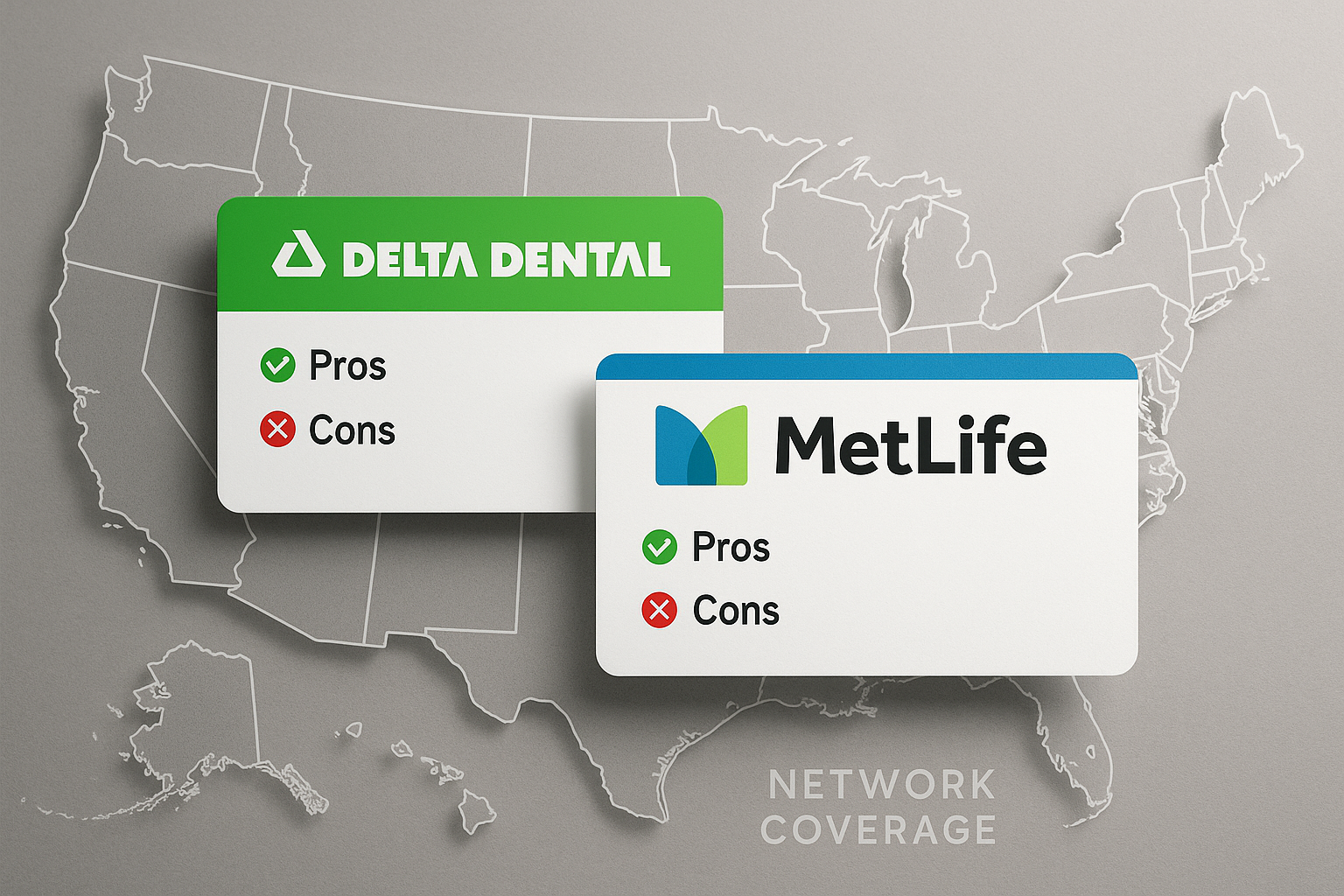
Shopping for dental insurance can feel overwhelming, especially when you’re focused on covering expensive procedures like implants. Here’s what really matters when evaluating plans:
1. Waiting Periods: The Timeline Factor
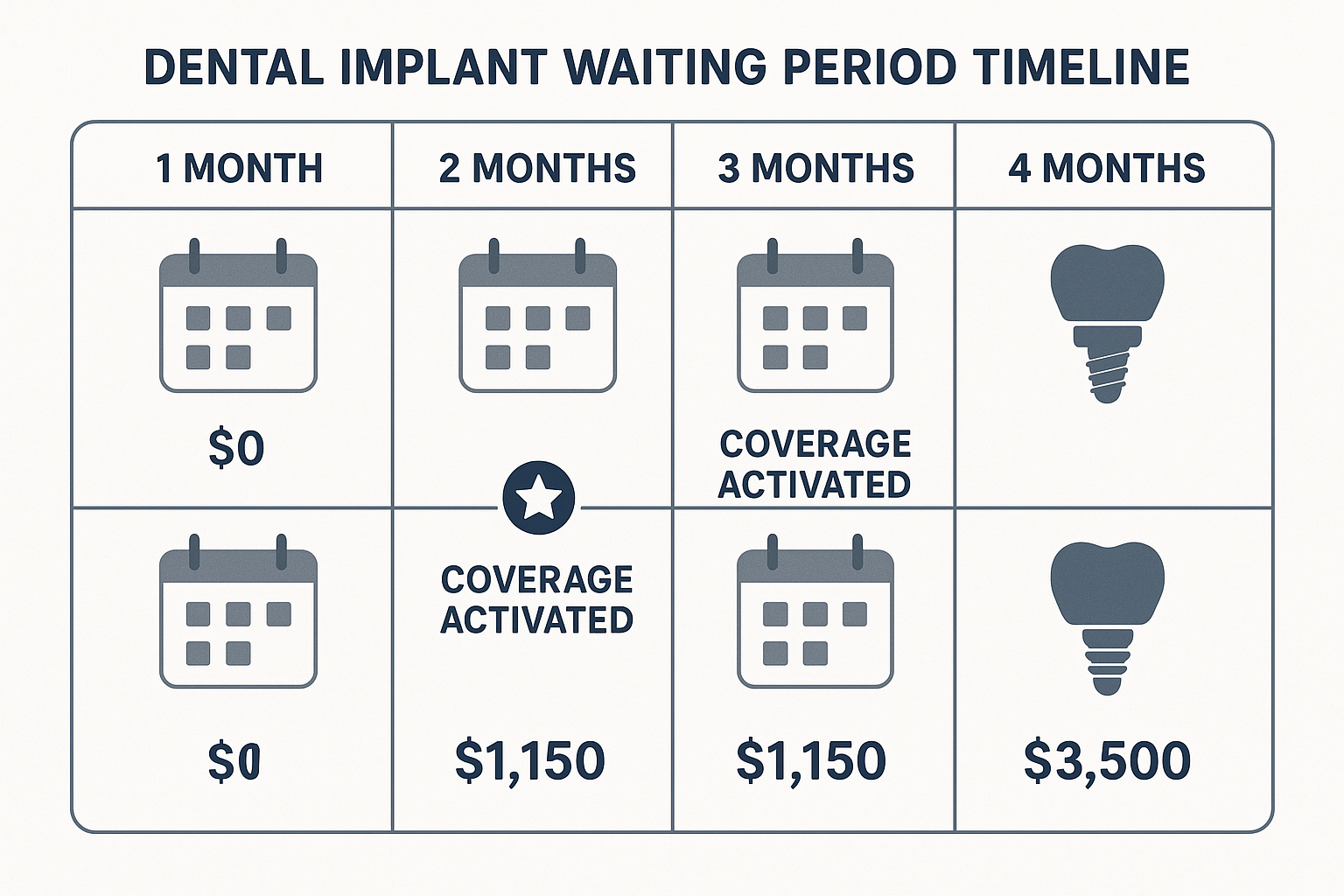
Waiting periods are the number of days or months you must be enrolled before coverage activates for specific services. For dental implants, waiting periods typically range from 0-12 months.
Why it matters: If you need an implant within six months, a plan with a 12-month waiting period won’t help you. Conversely, if you’re planning 18 months ahead, a longer waiting period with lower premiums might save you money.
Pro tip: Some plans let you enroll and start the waiting period clock ticking before you actually need the procedure. Strategic enrollment can minimize your out-of-pocket costs.
2. Annual Maximum: Your Coverage Ceiling
The annual maximum is the total amount your insurance will pay for dental care in a single year. Once you hit this limit, you’re responsible for 100% of additional costs until the next calendar year.
Why it matters: A single dental implant costs $3,000-$6,000. If your annual maximum is $1,000, your insurance will only cover that amount—leaving you with a substantial bill. Plans with $2,000-$5,000 annual maximums provide much more meaningful coverage.
Reality check: Even the best dental insurance won’t cover your entire implant cost. Think of it as significant financial assistance, not complete coverage.
3. Coverage Percentage: Your Cost-Sharing Split
Most dental plans categorize services into three tiers:
- Preventive care (cleanings, exams): Usually 80-100% covered
- Basic procedures (fillings, extractions): Usually 70-80% covered
- Major procedures (implants, crowns, bridges): Usually 50% covered
Why it matters: A 50% coverage rate on a $4,000 implant means your insurance pays $2,000 and you pay $2,000. A 40% coverage rate would leave you paying $2,400. That 10% difference equals $400 out of your pocket.
4. Network Size: Provider Availability
Insurance networks are groups of dentists who’ve agreed to accept the insurance company’s fee schedules. Larger networks mean more choices and easier access to care.
Why it matters: If you already have a dentist you trust who specializes in implants, verify they accept your chosen insurance. Out-of-network care often costs significantly more or isn’t covered at all.
Special consideration: If you’re planning for All-on-4 dental implants, you’ll need a specialist. Larger networks increase your chances of finding an experienced implant specialist who accepts your insurance.
5. Monthly Premiums vs. Long-Term Value
It’s tempting to choose the cheapest monthly premium, but that’s not always the smartest financial decision.
The math: A plan costing $30/month with a $1,000 annual maximum costs $360 annually and provides up to $1,000 in benefits—a potential net gain of $640.
Compare that to a plan costing $60/month with a $2,000 annual maximum. You’ll pay $720 annually but could receive up to $2,000 in benefits—a potential net gain of $1,280.
Bottom line: Higher premiums often deliver better value when you’re planning for expensive procedures.
6. Deductibles: Your Initial Out-of-Pocket Cost
The deductible is the amount you must pay before your insurance coverage kicks in. Most dental plans have deductibles ranging from $50-$100 per person.
Why it matters: Lower deductibles mean your insurance starts helping sooner. For implant procedures, a $50 deductible is relatively minor compared to the overall cost, but it’s still a factor in your total out-of-pocket expenses.
Understanding Dental Implant Costs and Insurance Coverage
Before diving into insurance specifics, let’s talk real numbers. Understanding the actual costs of dental implants helps you evaluate how much value different insurance plans provide.
Average Dental Implant Costs
- Single tooth implant: $3,000-$6,000
- Implant-supported bridge (3-4 teeth): $6,000-$10,000
- All-on-4 full arch: $15,000-$30,000 per arch
- Full mouth reconstruction: $30,000-$60,000+
These costs typically include the implant post, abutment, and crown. Additional procedures like bone grafting or sinus lifts add $500-$3,000 to your total.
How Insurance Reduces Your Costs
Let’s run some real-world scenarios to see how different plans stack up:
Scenario 1: Single Implant ($4,000 total cost)
- Delta Dental Premium PPO: 50% coverage up to $2,000 maximum = $2,000 insurance payment, $2,000 your cost
- Spirit Dental & Vision: 50% coverage up to $5,000 maximum = $2,000 insurance payment, $2,000 your cost
- Humana Preventive: Limited coverage with $1,000 maximum = $1,000 insurance payment, $3,000 your cost
Scenario 2: All-on-4 Full Arch ($20,000 total cost)
- Delta Dental Premium PPO: 50% coverage up to $2,000 maximum = $2,000 insurance payment, $18,000 your cost
- Spirit Dental & Vision: 50% coverage up to $5,000 maximum = $5,000 insurance payment, $15,000 your cost
- Humana Preventive: Limited coverage with $1,000 maximum = $1,000 insurance payment, $19,000 your cost
These examples show why annual maximums matter so much for implant coverage. Spirit’s $5,000 maximum saves you an extra $3,000 on major procedures compared to most competitors.
Maximizing Your Insurance Benefits
Here are strategies to get the most from your dental insurance when planning for implants:
1. Time procedures strategically: If you need multiple implants, consider splitting them across two calendar years to maximize annual benefits twice.
2. Start with covered procedures first: Use insurance for bone grafting, extractions, and other preparatory work while saving for the implant itself.
3. Combine with FSA/HSA: Flexible Spending Accounts and Health Savings Accounts let you use pre-tax dollars for dental work, effectively giving you a 20-30% discount.
4. Ask about payment plans: Many dental practices offer in-house financing or work with companies like CareCredit to spread costs over time.
5. Get pre-authorization: Before starting treatment, have your dentist submit a pre-authorization request to confirm exactly what your insurance will cover.
Frequently Asked Questions About Dental Insurance for Implants
Does dental insurance cover implants at all?
Yes, many dental insurance plans now cover implants, but coverage varies significantly. Most plans classify implants as “major procedures” and cover 40-50% of costs after you meet your deductible and complete any waiting periods. However, budget plans often exclude implants entirely or provide minimal coverage.
The key is reading your specific plan documents carefully. Look for terms like “major restorative care” or “prosthodontics”—that’s where implant coverage is usually listed. If you’re uncertain, call your insurance provider directly and ask: “What percentage of dental implant costs does my plan cover, and what’s my annual maximum for major procedures?”
How long do I have to wait before my dental insurance covers implants?
Waiting periods for implant coverage typically range from 0-12 months, depending on your plan:
- No waiting period: Spirit Dental & Vision, some Guardian Direct options
- 6-month waiting period: Delta Dental Premium PPO
- 12-month waiting period: MetLife TakeAlong, Cigna Dental 1500, most standard plans
The waiting period clock starts on your enrollment date, not when you schedule your procedure. This means you can enroll today, wait out the required period, and then schedule your implant—potentially saving thousands of dollars.
Important note: Waiting periods apply to new enrollees. If you’re switching plans, your previous coverage time doesn’t usually count toward the new plan’s waiting period.
Can I get dental insurance after I know I need an implant?
Yes, you can enroll in dental insurance after learning you need an implant—but you’ll still face waiting periods. Insurance companies implement waiting periods specifically to prevent people from enrolling only when they need expensive procedures.
However, this doesn’t mean insurance is pointless if you already know you need an implant. If you can wait 6-12 months for the procedure, enrolling now means you’ll have coverage when you’re ready. Many people use this waiting period to save additional money, complete preparatory procedures like bone grafting, and plan their treatment timeline.
The exception: Spirit Dental & Vision’s zero waiting period means you could theoretically enroll and immediately begin treatment, though you should verify this applies to your specific situation.
What if I need multiple implants or full-arch restoration?
Multiple implants or full-arch restorations like All-on-4 create unique insurance challenges because of annual maximum limits. Even generous plans with $2,000-$5,000 maximums won’t cover the full cost of procedures running $15,000-$30,000 or more.
Here’s how to approach major implant work with insurance:
Strategy 1 – Multi-year approach: Split your treatment across multiple calendar years. For example, complete preparatory work and place some implants in year one, then finish remaining implants in year two. This lets you claim your annual maximum twice.
Strategy 2 – Combine insurance with other financing: Use your insurance to cover what it will, then finance the remainder through payment plans, HSAs, or dental financing companies. Every dollar your insurance covers is money you don’t have to finance.
Strategy 3 – Consider dental discount plans: Some patients combine traditional insurance with dental discount plans for additional savings on procedures exceeding their annual maximum.
Reality check: For extensive implant work, insurance typically covers 10-25% of total costs rather than the 50% it might cover for a single implant. It’s still valuable assistance, but you’ll need additional financial planning.
Are there alternatives if I can’t afford dental insurance or implants aren’t covered?
If traditional dental insurance doesn’t work for your situation, consider these alternatives:
Dental discount plans: Not insurance, but membership programs offering 10-60% discounts on dental procedures. Plans typically cost $100-200 annually and have no waiting periods. They work well for people who need immediate treatment or whose insurance has low maximums.
Dental schools: Accredited dental schools offer significantly discounted implant procedures performed by supervised students. Treatment takes longer but can cost 50-70% less than private practice fees.
Dental tourism: Some patients travel to countries with lower dental costs. Research thoroughly and understand the risks, including follow-up care challenges.
Payment plans: Many dental practices offer interest-free payment plans for 6-24 months, making implants more affordable without insurance.
Health savings accounts (HSAs): Contribute pre-tax dollars to an HSA and use funds for dental implants, effectively reducing costs by your tax rate.
For more information on affordable dental implant options, explore various financing and cost-reduction strategies beyond traditional insurance.
Final Verdict: Which Dental Insurance Plan Should You Choose?
After evaluating all six plans across multiple criteria, here are my clear recommendations based on different situations:
🏆 Best Overall: Delta Dental Premium PPO Plan
Choose this if: You want the best balance of quick coverage, high annual maximums, and the largest provider network.
Delta Dental’s 6-month waiting period gets you covered twice as fast as most competitors, and the $2,000 annual maximum provides meaningful financial assistance for implant procedures. Yes, you’ll pay higher premiums, but the superior coverage and network access justify the cost for most people planning implant procedures.
💰 Best Value: MetLife TakeAlong Dental Medium Plan
Choose this if: You’re budget-conscious and can plan your implant procedure 12+ months in advance.
MetLife delivers solid implant coverage at the lowest price point among plans that actually cover major procedures. If you’re not in a rush and want to minimize monthly expenses while still getting 50% implant coverage, this plan offers excellent value.
⚡ Best for Immediate Needs: Spirit Dental & Vision Plan
Choose this if: You need dental implants now and can’t wait through a 6-12 month waiting period.
Spirit’s zero waiting period and industry-leading $5,000 annual maximum make it the clear winner for anyone with urgent dental needs. The bundled vision coverage is a nice bonus. While premiums run higher, the immediate access and superior coverage limits justify the cost when you need treatment quickly.
👨👩👧👦 Best for Families: Cigna Dental 1500 Plan
Choose this if: You need comprehensive coverage for multiple family members with varied dental needs.
Cigna’s well-rounded approach covers everyone from kids needing preventive care to adults requiring major procedures. The included orthodontic coverage and immediate preventive care access make this ideal for families juggling multiple dental needs beyond just implants.
🔧 Best for Customization: Guardian Direct Plan
Choose this if: You want flexibility to customize your coverage and waiting periods.
Guardian’s variable options let you dial in exactly the coverage you need. If you’re comfortable evaluating different scenarios and want control over the premium-versus-coverage balance, Guardian’s flexibility is unmatched.
🩹 Best for Preventive Care Only: Humana Preventive Dental Plan
Choose this if: You primarily need affordable preventive care and will finance implants separately.
Humana’s rock-bottom premiums make dental insurance accessible, but the low annual maximum means it won’t significantly help with implant costs. Consider this a preventive care plan that might provide token assistance with major procedures rather than meaningful implant coverage.
Taking the Next Step
Choosing dental insurance for implants requires balancing multiple factors: your timeline, budget, existing dental health, and treatment needs. There’s no universal “best” plan—only the best plan for your specific situation.
Start by answering these questions:
- When do you need implants? (This determines which waiting periods you can tolerate)
- What’s your monthly budget? (This narrows your premium range)
- How many implants do you need? (This shows which annual maximums provide adequate coverage)
- Do you have a preferred dentist? (This affects which networks work for you)
- What other dental needs does your family have? (This determines if you need comprehensive coverage beyond implants)
Once you’ve answered these questions, review the plans above and identify the 2-3 that best match your situation. Then:
- Request detailed quotes for your specific location
- Verify your preferred dentist accepts the insurance
- Read the fine print about coverage percentages and exclusions
- Calculate your total expected costs (premiums + out-of-pocket) over the timeline you need
- Enroll in the plan that offers the best overall value for your situation
Remember, dental implants are a long-term investment in your health and quality of life. The right insurance can save you thousands of dollars and make treatment more accessible. Take the time to choose wisely—your smile will thank you.
For more guidance on dental implant procedures and costs, explore additional resources to make informed decisions about your oral health investment.
Leave a Reply
Share your thoughts or ask a question about dental implants. Your email address will not be published.