

Few things are as unsettling as realizing your breath isn’t fresh, especially when you’ve invested in dental implants for a healthier, more confident smile. If you’re experiencing bad breath from dental implants, it’s natural to feel concerned. While dental implants are a marvel of modern dentistry, designed to be a permanent, stable solution for missing teeth, they are not immune to issues that can lead to halitosis (bad breath). In 2025, with advancements in implant technology and oral care, understanding the root causes of this problem is crucial for maintaining your oral health and enjoying the long-term benefits of your implants. This comprehensive guide will delve into why dental implants might cause bad breath and, more importantly, what you can do about it.
Key Takeaways
- Dental implants themselves don’t smell: Bad breath from dental implants typically stems from bacterial accumulation around the implant or underlying oral health issues, not the implant material itself.
- Peri-implantitis is a primary culprit: This inflammatory disease, similar to gum disease, affects the tissues surrounding the implant and is a leading cause of implant-related bad breath.
- Excellent oral hygiene is non-negotiable: Diligent brushing, flossing, and the use of specialized tools are essential for preventing bacterial buildup around implants.
- Regular dental check-ups are vital: Professional cleanings and examinations by your dentist or periodontist are crucial for early detection and treatment of any issues.
- Seek professional help promptly: If you notice persistent bad breath linked to your dental implants, do not delay in contacting your dental professional for diagnosis and personalized treatment.
Understanding Dental Implants and Oral Hygiene
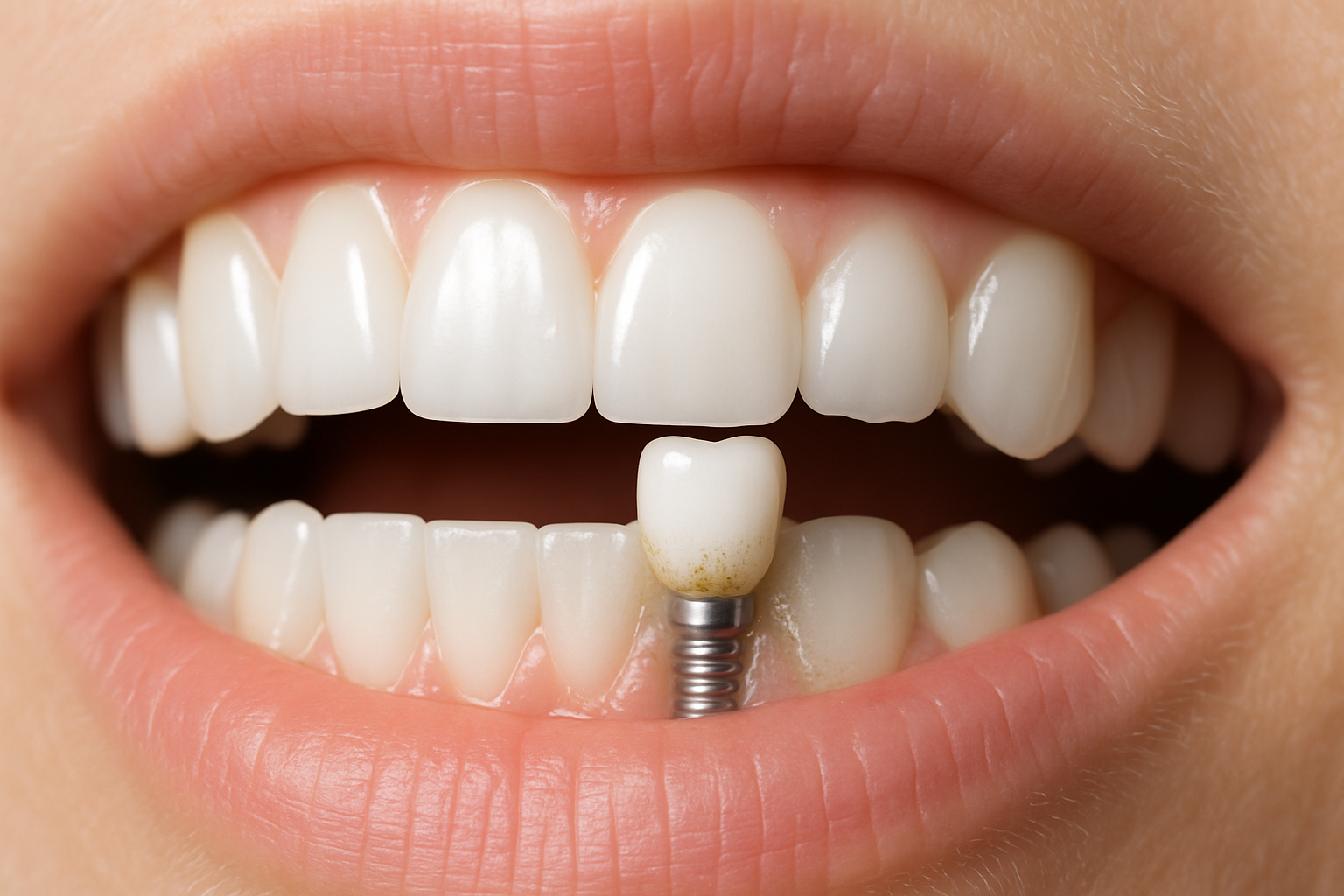
Dental implants are titanium posts surgically placed into the jawbone, acting as sturdy roots for replacement teeth. Once integrated with the bone, a custom crown, bridge, or denture is attached, restoring both function and aesthetics. They are designed to be durable and blend seamlessly with your natural teeth. However, just like natural teeth, implants require meticulous care to prevent complications.
The surface of a dental implant, particularly where it emerges through the gum tissue, can be a breeding ground for bacteria if not cleaned properly. This bacterial plaque, when left undisturbed, can lead to inflammation and infection, which are primary sources of unpleasant odors. It’s not the implant itself that emits the smell, but rather the waste products of these bacteria.
Think of it this way: your mouth is an ecosystem. When that ecosystem gets out of balance, bad smells can develop. With dental implants, maintaining that balance becomes even more important because the interface between the implant and the gum tissue is a unique area that requires specific attention.
What Causes Bad Breath from Dental Implants? 😷
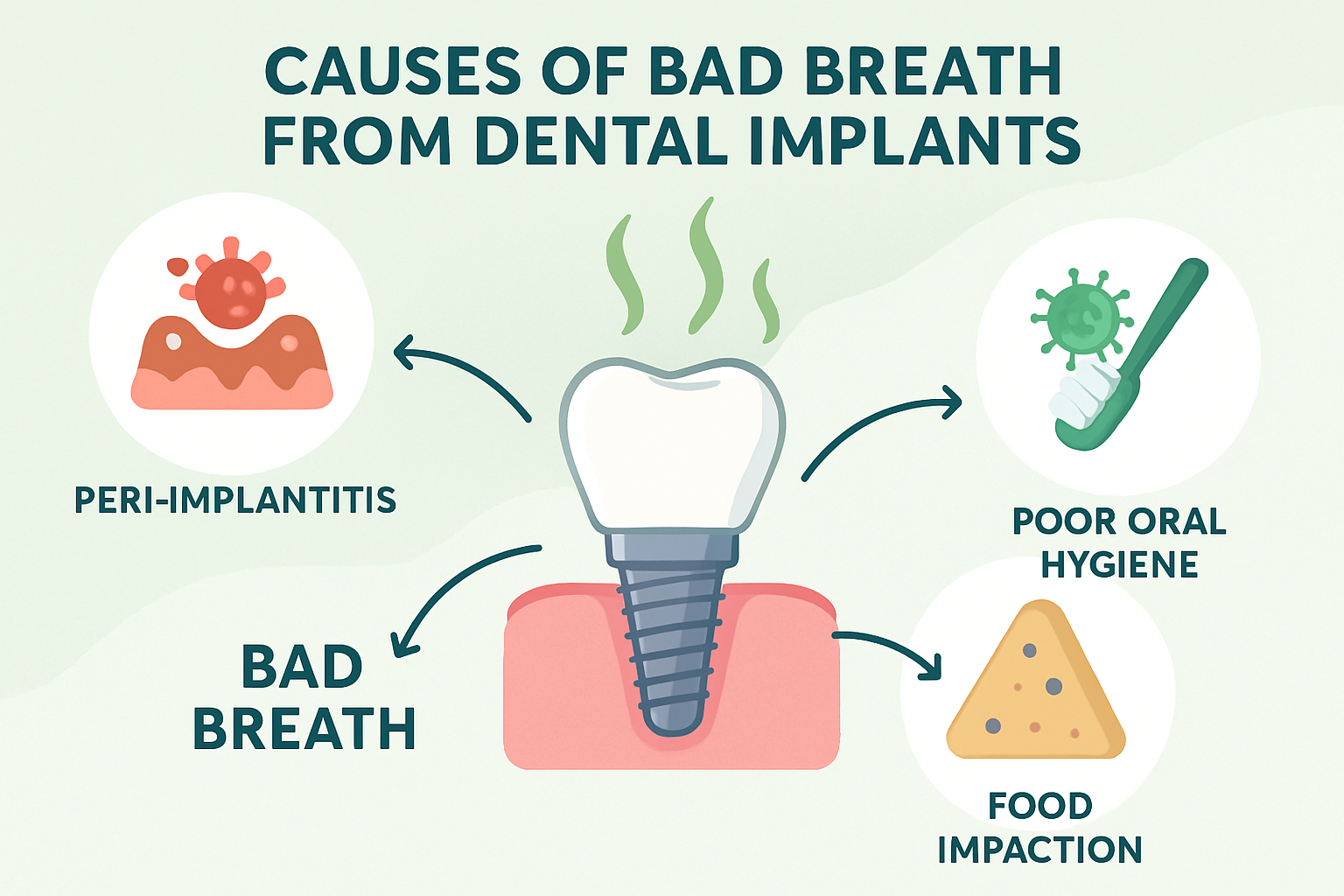
When it comes to dental implants and halitosis, several factors can contribute to the problem. Identifying the specific cause is the first step toward effective treatment.
1. Peri-Implantitis and Peri-Implant Mucositis
This is arguably the most significant cause of bad breath associated with dental implants.
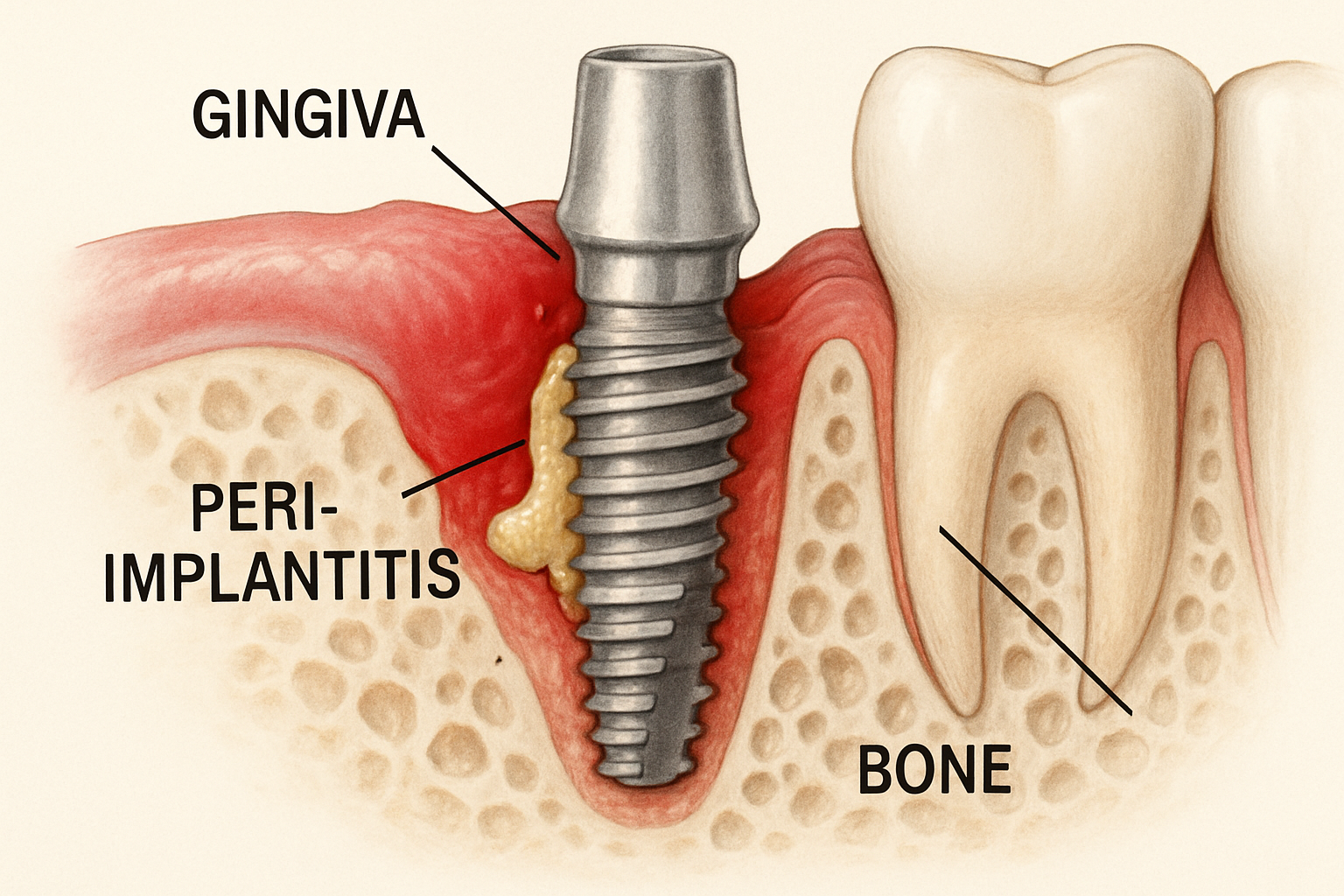
- Peri-implant mucositis is an inflammatory condition affecting the soft tissues around a dental implant, characterized by redness, swelling, and bleeding upon probing. It’s essentially gum inflammation around an implant, similar to gingivitis around a natural tooth. It’s reversible if caught early.
- Peri-implantitis is a more severe condition. If peri-implant mucositis is left untreated, it can progress to peri-implantitis, which involves both soft tissue inflammation and progressive bone loss around the implant. This condition is similar to periodontitis.
Both conditions are primarily caused by bacterial plaque accumulation. When bacteria thrive around the implant, they produce volatile sulfur compounds (VSCs), which are the main culprits behind bad breath. Peri-implantitis can also lead to pus formation and exposed implant threads, intensifying the odor.
2. Poor Oral Hygiene
This is a straightforward, yet often overlooked, cause. If you’re not thoroughly cleaning around your dental implants, food particles and plaque will accumulate. This buildup acts as a feast for bacteria, which then release foul-smelling gases.
- Inadequate brushing: Not brushing twice a day for two minutes, or not using the correct technique around implants.
- Skipping flossing: Traditional floss might not be effective for all implant designs. Specialized implant floss, interdental brushes, or water flossers are often necessary.
- Neglecting tongue cleaning: The tongue can harbor a significant amount of odor-producing bacteria.
3. Food Impaction
Sometimes, small food particles can get lodged in hard-to-reach areas around the implant crown or between the implant and adjacent teeth. These trapped particles decompose, creating an unpleasant smell. This is more common with certain implant designs or if the crown doesn’t fit perfectly.
4. Loose or Damaged Implant Components
While implants are designed to be stable, components can sometimes loosen.
- Loose abutment or crown: If the abutment (the connector between the implant and the crown) or the crown itself becomes loose, it can create a gap where bacteria and food debris can collect and proliferate. This space becomes a difficult-to-clean reservoir for odor-causing microbes.
- Fractured crown: A crack in the implant crown can also trap food and bacteria.
- Implant fracture (rare): In extremely rare cases, the implant itself might fracture, creating issues.
5. Other Oral Health Issues
Even if your implants are perfectly fine, other conditions in your mouth can contribute to bad breath:
- Gum disease (gingivitis or periodontitis) on natural teeth: If you have gum disease elsewhere in your mouth, the bacteria from those areas can certainly cause bad breath.
- Tooth decay: Cavities can trap food and bacteria.
- Abscesses: Pockets of pus from infection can produce a very strong, foul odor.
- Dry mouth (xerostomia): Saliva helps to wash away food particles and bacteria. A lack of saliva means bacteria can multiply more easily. Certain medications, medical conditions, and even stress can cause dry mouth.
- Oral infections: Fungal infections or other microbial imbalances can lead to halitosis.
6. Medical Conditions and Lifestyle Factors
While not directly related to the implant itself, these can exacerbate or cause bad breath that seems to originate from the implant area.
- Sinus infections: Post-nasal drip can contribute to bad breath.
- Tonsil stones: Small, calcified deposits on the tonsils that harbor bacteria.
- Gastrointestinal issues: Conditions like acid reflux can cause bad breath.
- Smoking/Tobacco use: Tobacco products are notorious for causing halitosis and significantly increase the risk of peri-implantitis.
- Certain foods and drinks: Garlic, onions, and coffee are well-known temporary culprits.
Pull Quote:
“Bad breath associated with dental implants is almost always a sign of underlying bacterial activity or an oral health issue. It’s a critical warning signal that should never be ignored.”
Diagnosing the Cause of Bad Breath from Dental Implants
If you’re experiencing bad breath and suspect your dental implants might be involved, the first and most important step is to schedule an appointment with your dentist or periodontist. Self-diagnosis can be misleading, and delaying professional evaluation can lead to more serious complications.
During your appointment, the dental professional will perform a thorough examination, which may include:
- Visual Inspection: Checking the gums around your implants for redness, swelling, or bleeding. They will also examine your natural teeth for signs of decay or gum disease.
- Probing: Gently measuring the depth of the gum pockets around your implants and natural teeth. Increased pocket depth can indicate inflammation or bone loss.
- X-rays: To assess the bone level around the implants and detect any bone loss (a key indicator of peri-implantitis) or other issues like loose components.
- Mobility Test: Checking if the implant or crown is stable or has any movement.
- Assessment of Oral Hygiene Habits: Your dentist will likely ask about your daily brushing and flossing routine.
- Review of Medical History: To identify any underlying health conditions or medications that could contribute to dry mouth or other oral issues.
Understanding the average cost of a dental implant per tooth and knowing what potential complications like bad breath might entail helps in comprehensive planning for your oral health investment.
Solutions and Treatment for Bad Breath from Dental Implants
Once the cause of your bad breath has been identified, your dental professional will recommend a tailored treatment plan.
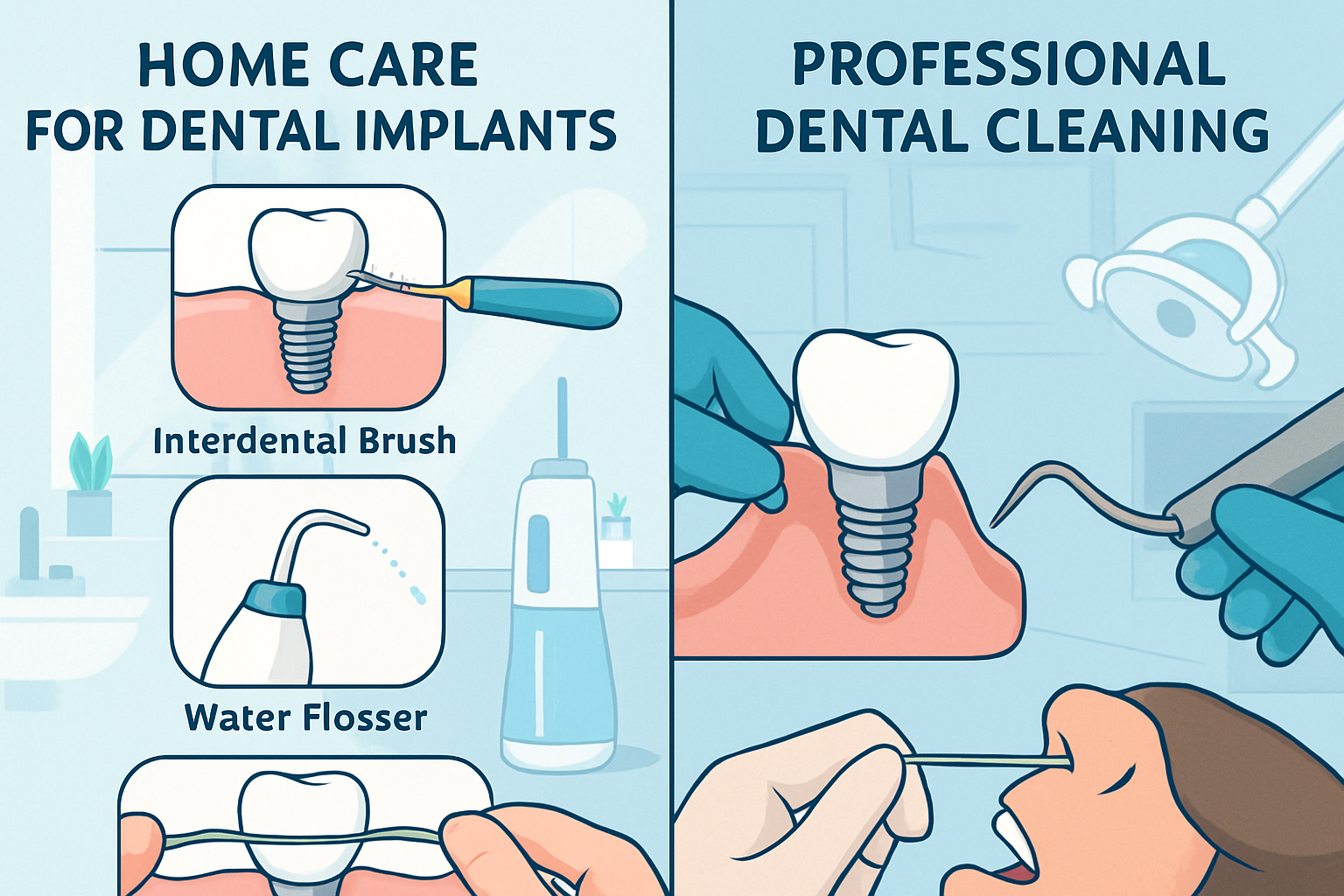
1. Enhanced Oral Hygiene Practices
For bacterial plaque accumulation and mild peri-implant mucositis, improved oral hygiene is often the first line of defense.
- Specialized Brushing Techniques: Your dentist might recommend a soft-bristled toothbrush, an electric toothbrush with a small head, or specific angles for brushing around your implants.
- Interdental Cleaning: Traditional floss might not be sufficient. Consider:
- Implant Floss: Wider, spongier floss designed to clean around implant posts.
- Water Flossers (Oral Irrigators): Excellent for dislodging food particles and plaque from around implants, especially in hard-to-reach areas.
- Interdental Brushes: Small brushes designed to clean between teeth and around implant posts.
- Antimicrobial Mouthwash: Your dentist may prescribe or recommend a specific antiseptic mouthwash to reduce bacterial load.
- Tongue Scraper: Incorporating a tongue scraper into your routine can significantly reduce odor-causing bacteria.
It’s important to understand that meticulous oral hygiene is crucial not just for preventing bad breath but also for the long-term success of your implants. Learn more about the overall dental implant costs which underscores the value of preventative care.
2. Professional Cleanings and Maintenance
Regular dental check-ups and cleanings are even more critical for implant patients.
- Specialized Tools: Dental hygienists use non-metallic instruments to clean around implants to avoid scratching the titanium surface.
- Scaling and Debridement: To remove plaque and calculus (hardened plaque) above and below the gumline.
- Evaluation: Your dental team will monitor the health of your implant, gums, and surrounding bone. They might recommend more frequent cleanings if you’re prone to plaque buildup or have a history of gum issues.
This is a continuous commitment, similar to maintaining your car for optimal performance. You can find more information about dental implant cleaning cost in 2025 to help you plan.
3. Treating Peri-Implantitis
If peri-implantitis is diagnosed, more advanced treatments may be necessary.
- Non-Surgical Treatments:
- Mechanical Debridement: Thorough cleaning of the implant surface to remove bacteria and calculus. This might involve lasers or air-abrasive devices.
- Antibiotics: Localized or systemic antibiotics may be prescribed to target the infection.
- Surgical Treatments: If bone loss is significant, surgical intervention might be required to:
- Access and Decontaminate: Lift the gum tissue to thoroughly clean the implant surface and remove diseased tissue.
- Bone Grafting: In some cases, bone grafting procedures can be performed to regenerate lost bone around the implant, improving its stability and long-term prognosis.
- Implant Surface Decontamination: Various methods are used to remove bacterial biofilm from the implant surface, which is critical for successful treatment.
Early detection of peri-implantitis is key to more conservative and successful treatment. If you are exploring options like All-on-4 dental implants, understanding the importance of preventing peri-implantitis is crucial for protecting your investment.
4. Addressing Loose Components
If a loose abutment or crown is the cause, your dentist will:
- Tighten: Re-tighten the screw that holds the abutment or crown in place.
- Replace: If the screw or component is damaged, it may need to be replaced.
- Recement: If a cemented crown is loose, it might need to be re-cemented or replaced entirely.
5. Treating Other Oral Health Issues
Any underlying issues like gum disease on natural teeth, cavities, or abscesses must be treated to eliminate sources of bad breath. Addressing these simultaneously will contribute to overall oral health.
6. Lifestyle Adjustments
- Quit Smoking: If you smoke, quitting is one of the most impactful steps you can take for your overall health and the longevity of your dental implants. Smoking dramatically increases the risk of peri-implantitis.
- Manage Dry Mouth: If dry mouth is a factor, your dentist might recommend specific rinses, sugar-free gum, or saliva substitutes. Ensuring adequate hydration is also important.
- Dietary Awareness: Be mindful of foods that can contribute to bad breath.
Preventing Bad Breath from Dental Implants in 2025
Prevention is always better than cure, especially when it comes to maintaining your dental implants.
Commit to Excellent Daily Oral Hygiene:
- Brush twice a day for two minutes with a soft-bristled or electric toothbrush.
- Clean between your implants and teeth daily using interdental brushes, implant floss, or a water flosser.
- Scrape your tongue daily.
- Use an antimicrobial mouthwash if recommended by your dentist.
Regular Dental Check-ups and Cleanings:
- Adhere to your dentist’s recommended schedule for professional cleanings and examinations, usually every 3-6 months. These appointments are vital for monitoring your implant health and catching issues early.
Avoid Tobacco Products:
- Smoking is a major risk factor for implant complications, including peri-implantitis, which can lead to bad breath.
Maintain a Healthy Diet:
- A balanced diet supports overall health, including oral health. Limit sugary foods and drinks that can fuel bacteria.
Address Dry Mouth Promptly:
- If you suffer from dry mouth, discuss solutions with your dental professional.
Choose an Experienced Implant Dentist:
- The initial placement of your dental implants is critical. Choosing a highly qualified and experienced dental professional minimizes the risk of complications down the line. To explore options, you can research providers offering cheap dental implants in Dallas while ensuring quality care.
Pull Quote:
“The success and fresh breath associated with your dental implants in 2025 hinge on a partnership between your diligent home care and consistent professional oversight.”
What If My Implant is the Problem?
In extremely rare cases, the implant itself might be the source of issues, not just the surrounding tissues. This could include:
- Manufacturing defects: Very uncommon with reputable brands.
- Incorrect placement: If an implant was placed improperly, it could create areas prone to bacterial collection or cause biomechanical stress.
- Failed integration: The implant might not have properly fused with the bone, leading to instability and potential infection.
These situations are typically identified early on, often during the healing phase or shortly after the final restoration is placed. If an implant itself is truly failing, bad breath might be one of several symptoms, alongside pain, swelling, and mobility. In such severe cases, the implant may need to be removed, the site allowed to heal, and potentially a new implant placed. This highlights the importance of choosing a skilled practitioner for your initial dental implant procedure. Many resources, including those on Dallas dental implant cost, emphasize the significance of professional expertise.
Conclusion
Experiencing bad breath from dental implants can be distressing, but it is a common issue with identifiable causes and effective solutions. It’s crucial to remember that the implant itself doesn’t smell; rather, it’s a symptom of bacterial activity or an underlying oral health concern that needs attention. From peri-implantitis to poor oral hygiene or loose components, each cause demands a specific approach.
The good news is that with prompt diagnosis and adherence to your dental professional’s recommendations, you can eliminate bad breath and restore the fresh, clean feeling you expect from your dental implants. Regular check-ups, meticulous home care, and a proactive attitude towards your oral health are your best defenses. Don’t let bad breath undermine your confidence or compromise the long-term success of your valuable dental investment. If you notice any persistent foul odor or discomfort around your implants, contact your dentist immediately. Your journey to lasting oral health and fresh breath with dental implants is a partnership between you and your dental care team in 2025 and beyond.
Leave a Reply
Share your thoughts or ask a question about dental implants. Your email address will not be published.