

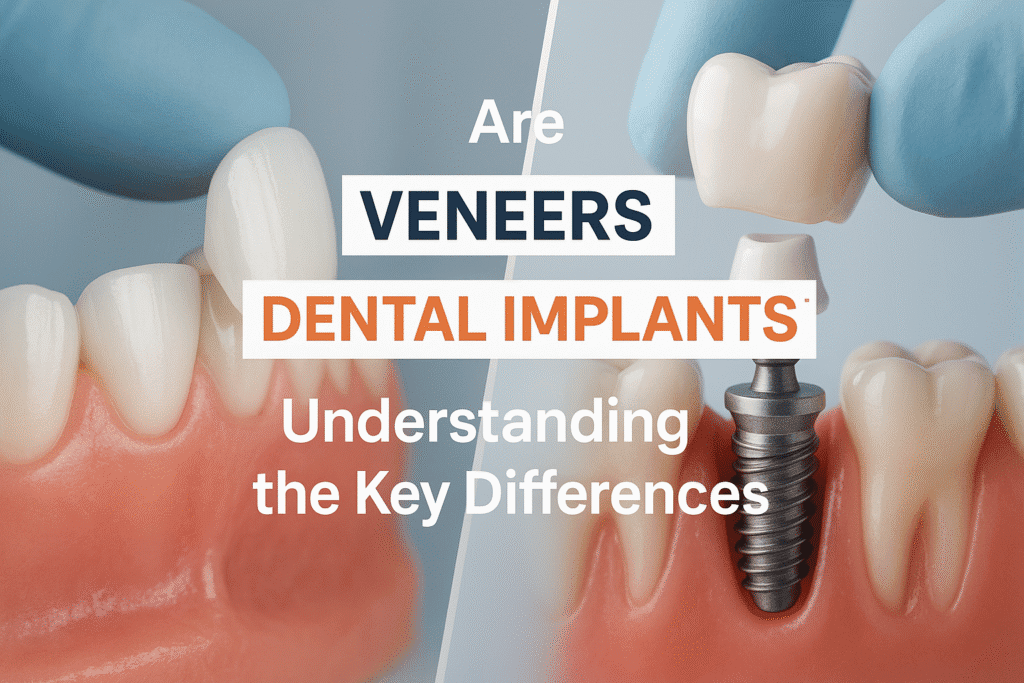
When you’re considering options to improve your smile, you might find yourself asking, “Are veneers dental implants?” It’s a common question that many Dallas patients have when exploring ways to restore their confidence and transform their appearance. The short answer is no—veneers and dental implants are completely different dental treatments designed to address distinct oral health needs. Understanding this difference is crucial for making the right decision about your dental care journey.
Key Takeaways
- Veneers and dental implants serve different purposes: Veneers enhance the appearance of existing teeth, while dental implants replace missing teeth entirely
- Treatment approach varies significantly: Veneers are thin shells bonded to your natural teeth, whereas dental implants are titanium posts surgically placed into the jawbone
- Cost and timeline differ: Veneers are generally more affordable and quicker to complete, while dental implants require a longer healing period but offer permanent tooth replacement
- Candidacy requirements are distinct: You need healthy existing teeth for veneers, but dental implants can replace missing or severely damaged teeth
- Both treatments can dramatically improve your smile: The choice depends on your specific dental needs, budget, and long-term goals
What Are Dental Veneers? 🦷
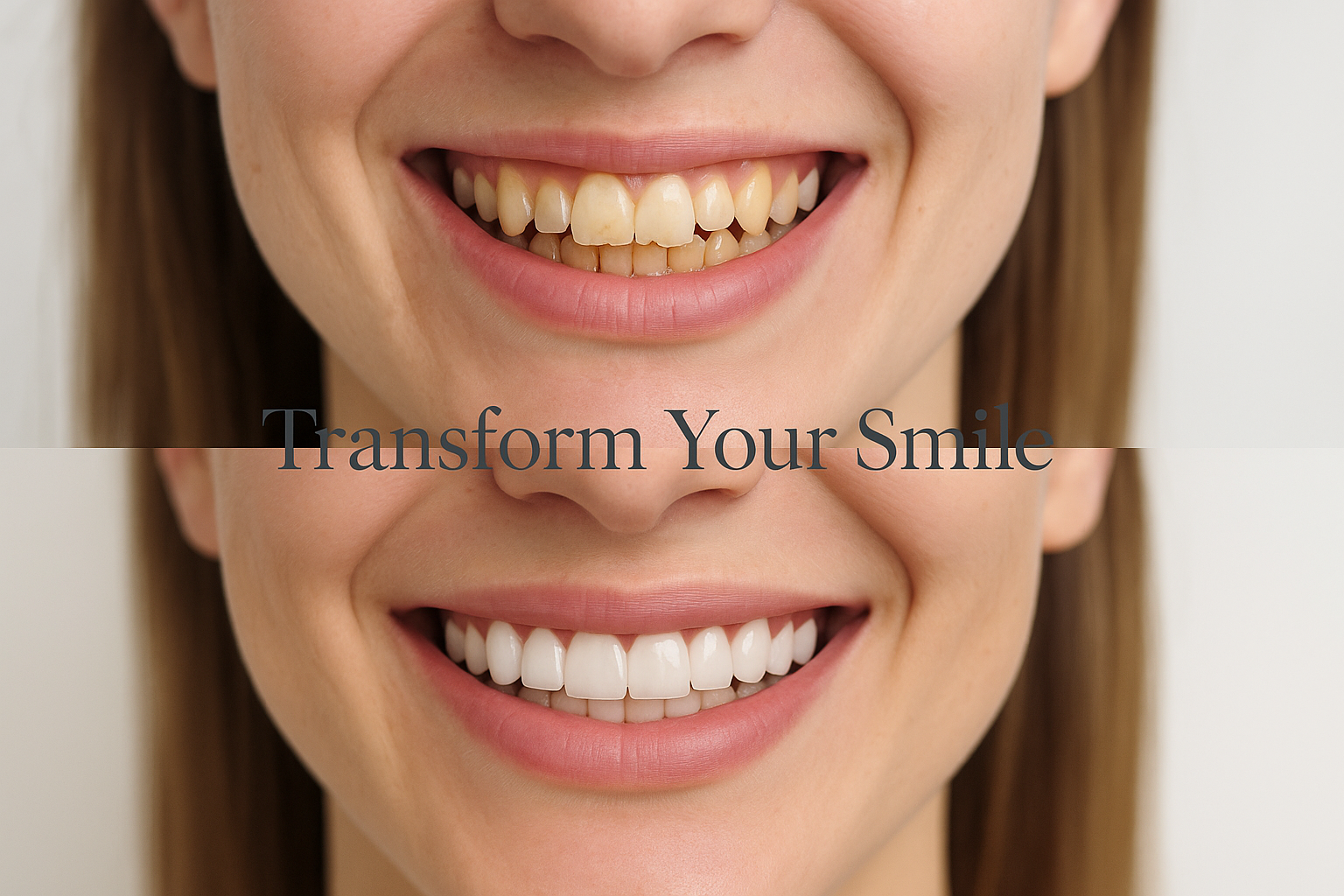
Dental veneers are thin shells made from porcelain or composite resin that are custom-designed to cover the front surface of teeth. Think of them as a beautiful mask for your natural teeth—they don’t replace your tooth but simply enhance its appearance. Veneers are primarily used to address cosmetic concerns like discolored, chipped, slightly misaligned, or gapped teeth.
How Dental Veneers Work
The dental veneer procedure typically involves two dental visits. During your first appointment, your dentist will remove a small amount of enamel from the front surface of your tooth to make room for the veneer. Impressions of your teeth are taken to create custom-made veneers that perfectly match your desired shape and color.
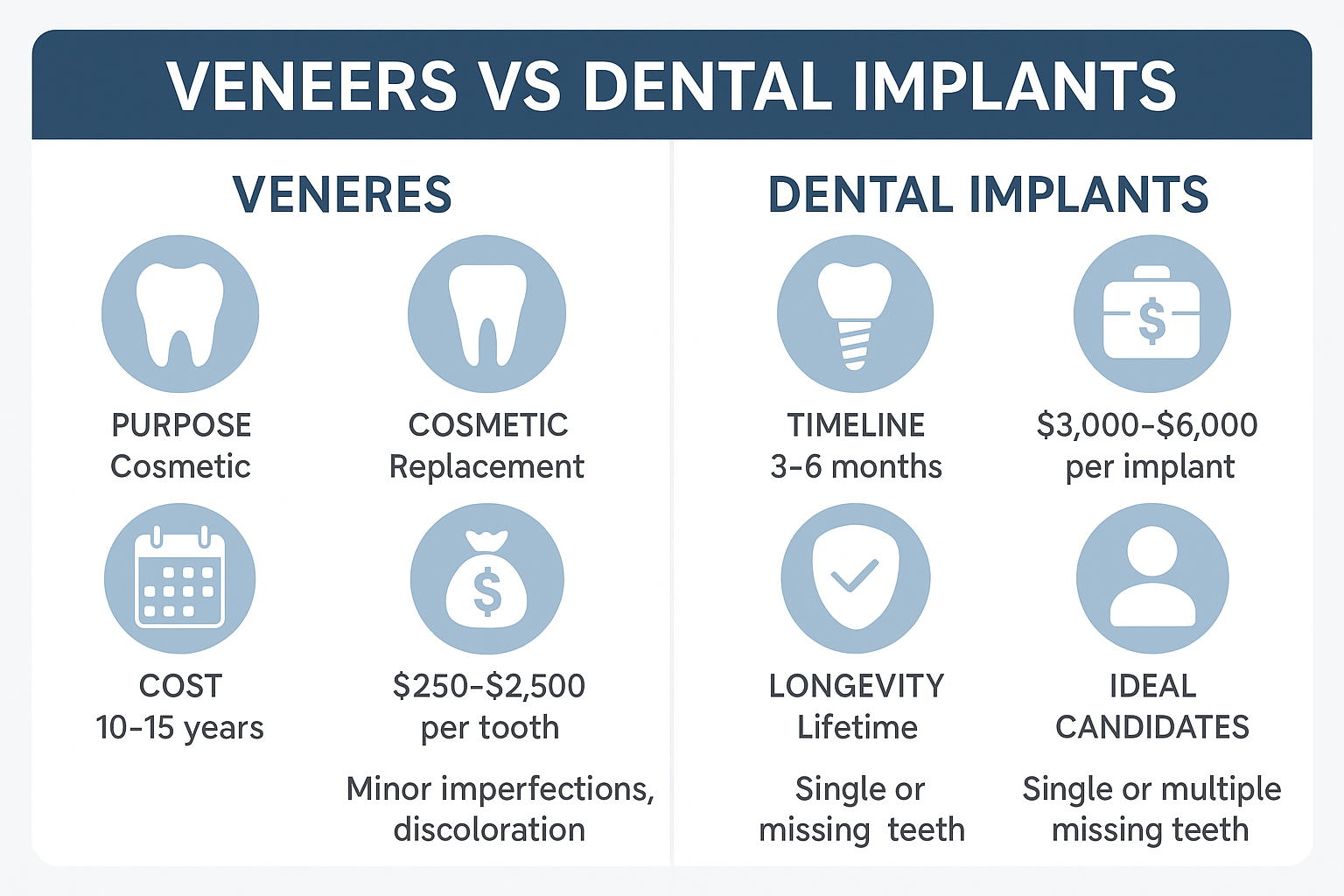
Veneers are thin shells made of durable materials that can last 10-15 years with proper care. Porcelain veneers are the most popular choice because they closely mimic the natural translucency of tooth enamel and resist staining better than resin veneers.
Who Are Good Candidates for Veneers?
Candidates for veneers typically have:
- Healthy teeth with minor cosmetic imperfections
- Stained teeth that don’t respond to whitening
- Small gaps between teeth
- Slightly crooked or misshapen teeth
- Chipped or worn teeth
- Good oral hygiene habits
Veneers are ideal for people who want to improve the appearance of teeth without undergoing extensive dental work. However, veneers require some enamel removal, making this decision permanent.
What Are Dental Implants? 🔧
Dental implants are titanium posts that are surgically placed into the jawbone to replace missing teeth. Unlike veneers, implants replace the entire tooth structure, including the root. A dental crown is then attached to the implant to create a complete artificial tooth that looks, feels, and functions like a real tooth.
The Dental Implant Procedure
The dental implant procedure involves several stages:
- Initial consultation and planning: Your dentist evaluates your jawbone density and overall oral health
- Implant placement: The titanium post is surgically placed into the jawbone
- Healing period: 3-6 months for osseointegration (bone fusion with the implant)
- Abutment placement: A connector piece is attached to the implant
- Crown placement: The final replacement tooth is secured
This process creates new teeth that are incredibly stable and long-lasting. Dental implants are typically considered the gold standard for replacing missing teeth because they preserve jawbone health and provide superior functionality.
Who Needs Dental Implants?
Dental implants are typically recommended for patients with:
- One or more missing teeth
- Missing or damaged teeth beyond repair
- Adequate jawbone density
- Good overall health
- Commitment to excellent oral hygiene
Implants are designed to be a permanent solution for missing teeth, making them an excellent investment in your long-term dental health.
Dental Implants vs Veneers: The Core Differences
Understanding dental implants vs veneers comes down to recognizing their fundamental purposes and applications. Here’s a comprehensive comparison:
Purpose and Function
Veneers are cosmetic enhancements that improve the appearance of your teeth while preserving your natural tooth structure. Dental implants, on the other hand, completely replace missing teeth and restore full chewing function.
Implants replace missing teeth by creating an entirely new tooth, while veneers are thin coverings that enhance existing teeth. This fundamental difference affects everything from treatment planning to long-term maintenance.
Treatment Process
The difference between dental implants and veneers extends to their treatment timelines:
- Veneers: Usually completed in two dental visits over 2-3 weeks
- Dental implants: Require 3-6 months for complete healing and integration
Dental implants involve surgical placement and a healing period for the jawbone to fuse with the titanium post. Veneers require minimal tooth preparation and can be placed relatively quickly.
Longevity and Maintenance
Implants are permanent solutions that can last a lifetime with proper care. Dental implants are a long-term investment that rarely needs replacement.
Veneers may need replacement every 10-15 years, depending on wear and care. While durable, they’re not considered permanent like dental implants.
🦷 Which Treatment Is Right for You?
1. What is your primary dental concern?
2. What is the condition of your teeth?
3. What is your budget preference?
4. How quickly do you want results?
Cost of Dental Implants vs Veneers 💰
When choosing between dental implants and veneers, cost of dental treatment is often a significant factor. Veneers are generally more affordable upfront, but it’s important to consider long-term value.
Veneer Costs
- Porcelain veneers: $800-$2,500 per tooth
- Resin veneers: $250-$1,500 per tooth
- Temporary veneers: $300-$800 per tooth
Dental Implant Costs
- Single dental implant: $3,000-$6,000 per tooth
- Mini dental implants: $1,500-$3,000 per tooth
- All-in-six dental implants: $15,000-$30,000 per arch
While implants are typically more expensive initially, they often provide better long-term value because implants are a long-term solution that rarely needs replacement.
Insurance Considerations
Dental insurance may cover a portion of implant costs if the treatment is deemed medically necessary. Veneers are typically considered cosmetic and may not be covered. It’s worth exploring free dental implants options if budget is a concern.
Pros and Cons of Dental Veneers
Benefits of Veneers ✅
Veneers offer several advantages:
- Quick transformation in just two dental visits
- Conservative treatment that preserves most natural tooth structure
- Veneers provide immediate cosmetic improvement
- Natural-looking results with porcelain veneers
- Less invasive than dental implants
- Veneers are less expensive than implants
Limitations of Veneers ❌
Veneers may have some drawbacks:
- Veneers may need replacement every 10-15 years
- Irreversible due to enamel removal
- Can’t address missing or damaged teeth
- Veneers require careful maintenance to avoid damage
- Not suitable for people with severe tooth damage
Pros and Cons of Dental Implants
Benefits of Dental Implants ✅
Benefits of dental implants include:
- Implants provide permanent tooth replacement
- Dental implants function exactly like natural teeth
- Preserve jawbone health through osseointegration
- Dental implants allow normal eating and speaking
- No impact on adjacent teeth
- Implants are permanent and rarely need replacement
Limitations of Dental Implants ❌
Potential drawbacks include:
- Higher upfront cost compared to implants
- Longer treatment timeline
- Dental implants involve surgical procedures
- Dental implants tend to require good overall health
- May need bone grafting if jawbone density is insufficient
Dental Veneers and Dental Implants: Can You Have Both?
Yes! Veneers and implants can be used together in comprehensive smile makeovers. For example, you might need dental implants to replace missing teeth while using veneers on your existing natural teeth to create a uniform, beautiful smile.
Dental veneers and dental implants complement each other perfectly when you have both missing teeth and cosmetic concerns with your remaining teeth. Your dentist can coordinate both treatments to ensure color and shape matching for seamless results.
Making the Right Choice: Dental Implants or Veneers?
Choosing between dental implants and veneers depends on several factors:
Choose Veneers If:
- You have healthy teeth with cosmetic imperfections
- You want quick results
- Budget is a primary concern
- You have teeth that are discolored, chipped, or slightly gapped
- You’re looking for a less invasive option
Choose Dental Implants If:
- You have missing or damaged teeth beyond repair
- You want a permanent solution
- Functionality is as important as appearance
- You’re willing to invest in long-term dental health
- You have adequate jawbone density
Consider Professional Consultation
The difference between dental treatments can be complex, and what works best varies by individual. A thorough evaluation at a trusted dental practice can help determine which option—or combination of options—will give you the best results.
What to Expect During Treatment
The Veneer Process
Veneers can be applied in a straightforward process:
- Initial consultation: Your dentist evaluates your teeth and discusses your goals
- Preparation: A thin layer of enamel is removed from the tooth surface
- Impressions: Molds are taken to create your custom veneers
- Temporary protection: Temporary veneers may be placed while your permanent veneers are crafted
- Final placement: Your new veneers are bonded to your teeth
The Implant Journey
The dental implant procedure involves multiple stages:
- Comprehensive evaluation: Including X-rays and jawbone assessment
- Treatment planning: Customized approach based on your needs
- Implant placement: Surgical insertion of the titanium post
- Healing period: 3-6 months for osseointegration
- Abutment placement: Connector piece attachment
- Crown placement: Final restoration completion
Understanding abutment placement and the osseointegration process helps set realistic expectations for your dental implant journey.
Maintaining Your Investment 🧼
Caring for Veneers
Veneers are a good investment when properly maintained:
- Practice excellent oral hygiene
- Avoid biting hard objects
- Dental visits every six months for professional cleaning
- Use a night guard if you grind your teeth
- Avoid excessive force on porcelain surfaces
Caring for Dental Implants
Implants require similar care to natural teeth:
- Regular brushing and flossing
- Professional dental care every six months
- Avoid smoking, which can affect healing
- Monitor for any signs of infection or complications
- Follow your dentist’s specific care instructions
Common Concerns and Misconceptions
“Are Veneers Painful?”
The dental veneer procedure involves minimal discomfort. Local anesthesia is used during preparation, and most patients experience little to no pain afterward.
“Do Dental Implants Feel Natural?”
Yes! Once healed, dental implants function exactly like a real tooth. The artificial teeth attached to implants allow normal eating, speaking, and smiling without any awareness of the replacement teeth.
“Will People Notice My Veneers?”
High-quality porcelain veneers are virtually indistinguishable from natural teeth. They’re designed to match your existing teeth perfectly in color, shape, and translucency.
“Are Dental Implants Safe?”
Dental implants have been used successfully for decades with excellent safety records. The titanium used is biocompatible and rarely causes adverse reactions.
Special Considerations for Dallas Patients
Living in Dallas means you have access to excellent dental help and advanced treatment options. When choosing between treatments, consider:
- Climate factors: Dallas heat doesn’t affect either treatment
- Lifestyle needs: Active lifestyles may benefit from the stability of dental implants
- Professional requirements: Jobs requiring public speaking or presentation may influence timing decisions
- Local expertise: Dallas offers specialists experienced in both treatments
For patients dealing with adult teeth falling out, understanding your options is crucial for maintaining oral health and confidence.
The Role of Technology in Modern Dental Care
Today’s dental practice utilizes advanced technology to improve both veneer and implant treatments:
- Digital impressions eliminate messy traditional molds
- 3D imaging allows precise implant placement planning
- Computer-aided design creates perfectly fitting restorations
- Minimally invasive techniques reduce healing time and discomfort
These advances make both veneers and dental implants more predictable, comfortable, and successful than ever before.
Long-Term Smile Health
Whether you choose veneers or dental implants, both treatments can significantly improve the appearance of your smile and boost your confidence. The key is selecting the right treatment for your specific situation and maintaining excellent oral hygiene afterward.
Dental health extends beyond aesthetics—it impacts your overall well-being, nutrition, and quality of life. Both treatments, when appropriate, contribute to better oral health outcomes.
Alternative and Combination Treatments
Sometimes the answer isn’t simply dental implants or veneers. Other options might include:
- Dental crowns for severely damaged teeth
- Orthodontic treatment for alignment issues
- Professional whitening for stained teeth
- Composite bonding for minor chips
- Bridge work for multiple missing teeth
Your dentist might recommend a combination approach, using dental implants for missing teeth and veneers for cosmetic enhancement of existing teeth. This comprehensive strategy can address all your dental needs in one coordinated treatment plan.
Making Your Decision with Confidence
Understanding that veneers and dental implants are different treatments designed for different problems is the first step in making an informed decision. Veneers are primarily cosmetic enhancements for existing teeth, while dental implants completely replace missing teeth.
The choice between these treatments—or whether to use both—depends on your specific dental needs, budget, timeline, and long-term goals. Both options can provide life-changing results when properly selected and executed.
Remember, this decision doesn’t have to be made alone. Professional guidance from an experienced dentist can help you navigate the options and create a treatment plan that gives you the smile you’ve always wanted.
Conclusion
So, are veneers dental implants? Absolutely not—they’re two distinct treatments that serve different purposes in restorative and cosmetic dentistry. Veneers enhance the appearance of existing healthy teeth, while dental implants replace missing teeth entirely.
Veneers are thin shells that provide quick cosmetic improvements, typically completed in two dental visits and lasting 10-15 years. Dental implants are permanent replacement teeth that require surgical placement but can last a lifetime with proper care.
The difference between dental implants and veneers comes down to your specific needs: cosmetic enhancement versus tooth replacement. Veneers work best for healthy teeth with minor imperfections, while dental implants are ideal for missing or damaged teeth beyond repair.
Both treatments can dramatically transform your smile and restore your confidence. The key is working with an experienced dental team who can evaluate your unique situation and recommend the best approach for your dental health and aesthetic goals.
Ready to explore your options? Contact our Dallas dental implant specialists today to schedule a consultation. We’ll help you understand which treatment—veneers, dental implants, or a combination of both—will give you the beautiful, functional smile you deserve. Your journey to renewed confidence starts with a simple conversation about your goals and concerns.
Leave a Reply
Share your thoughts or ask a question about dental implants. Your email address will not be published.