

Quick Answer: Yes, dental implants are overwhelmingly safe and boast a high success rate, making them a reliable and durable tooth replacement option for most individuals. While minor risks exist, proper patient screening, advanced surgical techniques, and diligent post-operative care significantly minimize complications, ensuring long-term oral health.
Key Takeaways
- Dental implants have an impressive overall survival rate, exceeding 97% across extensive studies [1].
- Success hinges on factors like patient health, bone quality, oral hygiene, and the expertise of the dental professional.
- Common risks are usually minor and manageable, such as infection or nerve damage, which are infrequent.
- Serious complications are rare, particularly when the procedure is performed by an experienced implant dentist in Dallas.
- Maintaining excellent oral hygiene and regular dental check-ups are crucial for the long-term safety and success of your dental implants.
- Certain pre-existing conditions and lifestyle choices, like smoking or uncontrolled diabetes, can increase risk [2].
- Advanced planning with 3D imaging greatly enhances the precision and safety of the dental implant procedure.
Understanding Dental Implant Safety: What the Research Says
Dental implants are a highly successful and safe solution for replacing missing teeth, with extensive research supporting their reliability. Studies show an overall survival rate of 97.79% across a large analysis of over 158,000 implants, demonstrating a low failure rate of just 2.21% [1]. This robust data confirms that for most patients, dental implants are a very secure and long-lasting choice for restoring their smile and oral function.
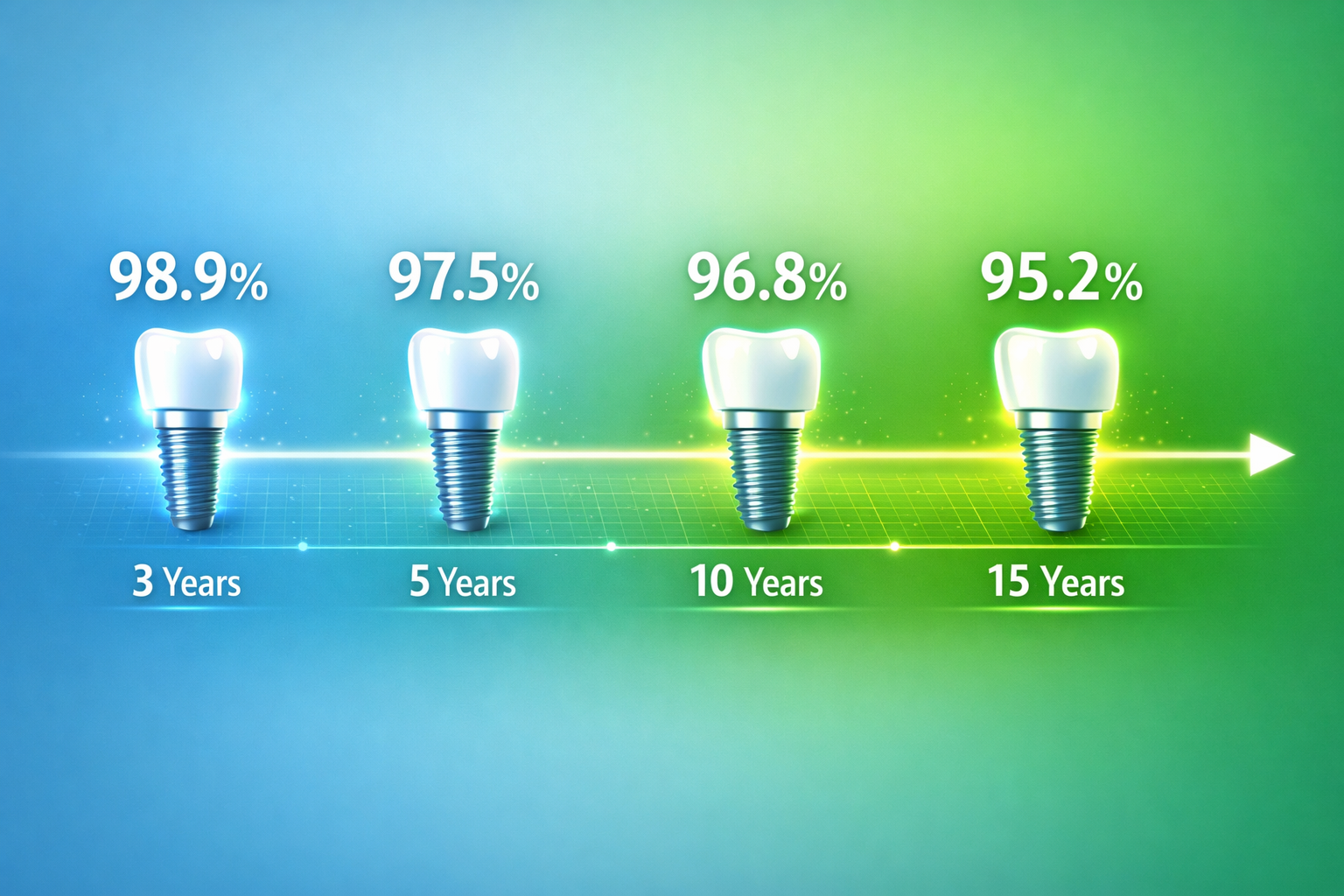
The long-term outlook for dental implants is equally encouraging. A 10-year survival rate stands at an impressive 96.8%, with cumulative rates showing 98.9% at 3 years, 98.5% at 5 years, and 94.0% at 15 years [3]. Even looking further into the future, a 2024 meta-analysis found that 4 out of 5 implants (80%) were still functioning after 20 years, provided they were properly maintained [3]. This longevity underscores why dental implants in Dallas are considered a premier solution for missing teeth.
What Makes Dental Implants So Safe?
The safety of dental implants stems from several key factors:
- Biocompatible Materials: Dental implants are typically made from titanium or zirconia, materials that are highly biocompatible, meaning they are well-tolerated by the human body and rarely cause allergic reactions. This allows the implant to integrate directly with the jawbone in a process called osseointegration. For more on material choices, explore Titanium vs Zirconia Dental Implants in Dallas 2026.
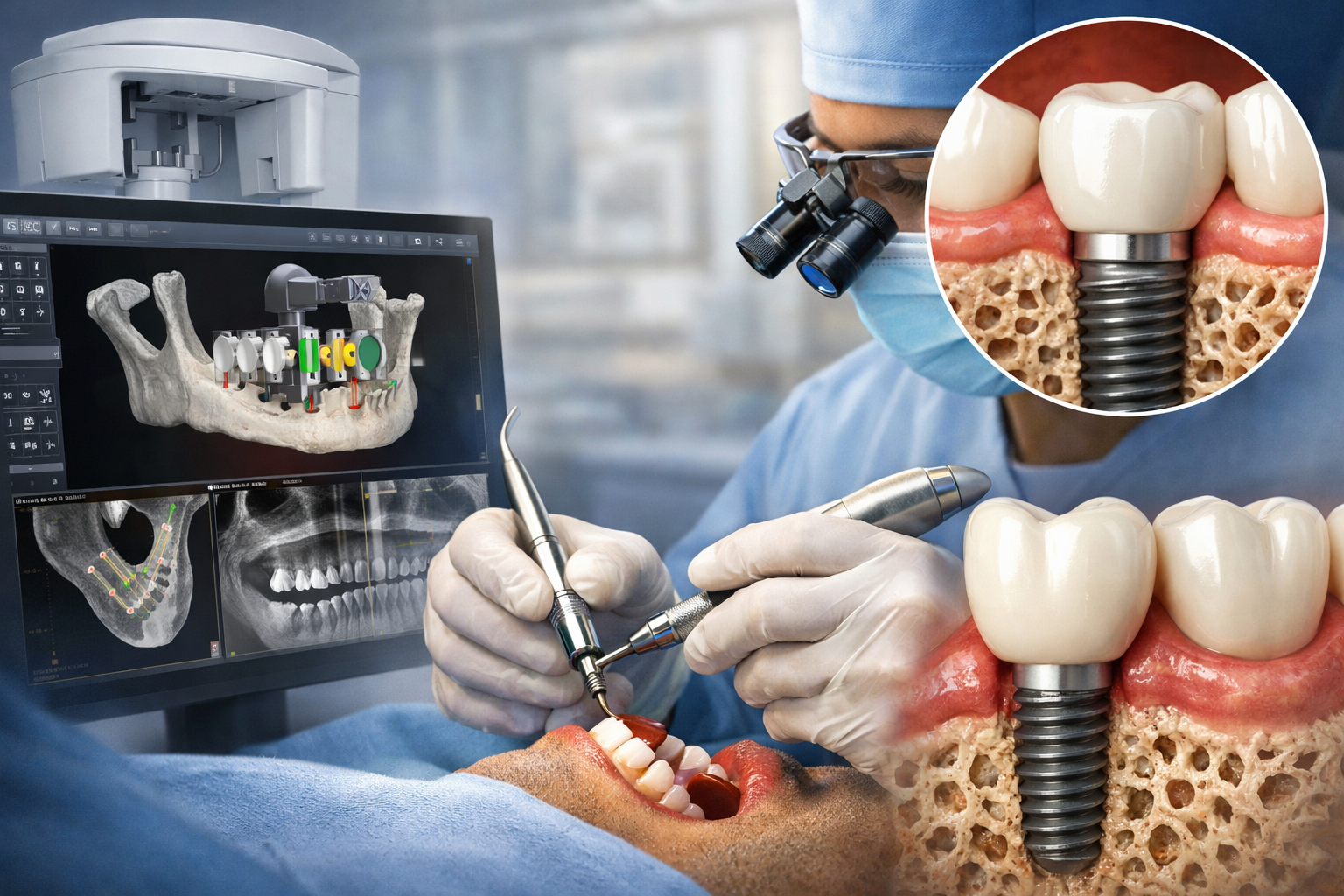
- Precision Planning: Modern dental implant procedures rely heavily on advanced diagnostics, including 3D cone-beam computed tomography (CBCT) scans. This technology allows dentists to accurately assess bone quality and quantity, identify critical anatomical structures (like nerves and sinuses), and plan the exact placement of the implant with extreme precision [2].
- Sterile Surgical Environments: Dental implant surgery is performed under strict sterile conditions, similar to other minor surgical procedures, to minimize the risk of infection.
- Experienced Professionals: When performed by a qualified and experienced dental implant specialist, the risks associated with the procedure are significantly reduced. These specialists have extensive training in implantology and oral surgery.
What Are the Risks and Complications of Dental Implants?
While dental implants are very safe, like any surgical procedure, they carry a small degree of risk. Most potential complications are minor and manageable, with serious issues being rare. Understanding these risks helps patients make informed decisions and highlights the importance of choosing a skilled practitioner for their dental implant procedure in Dallas.
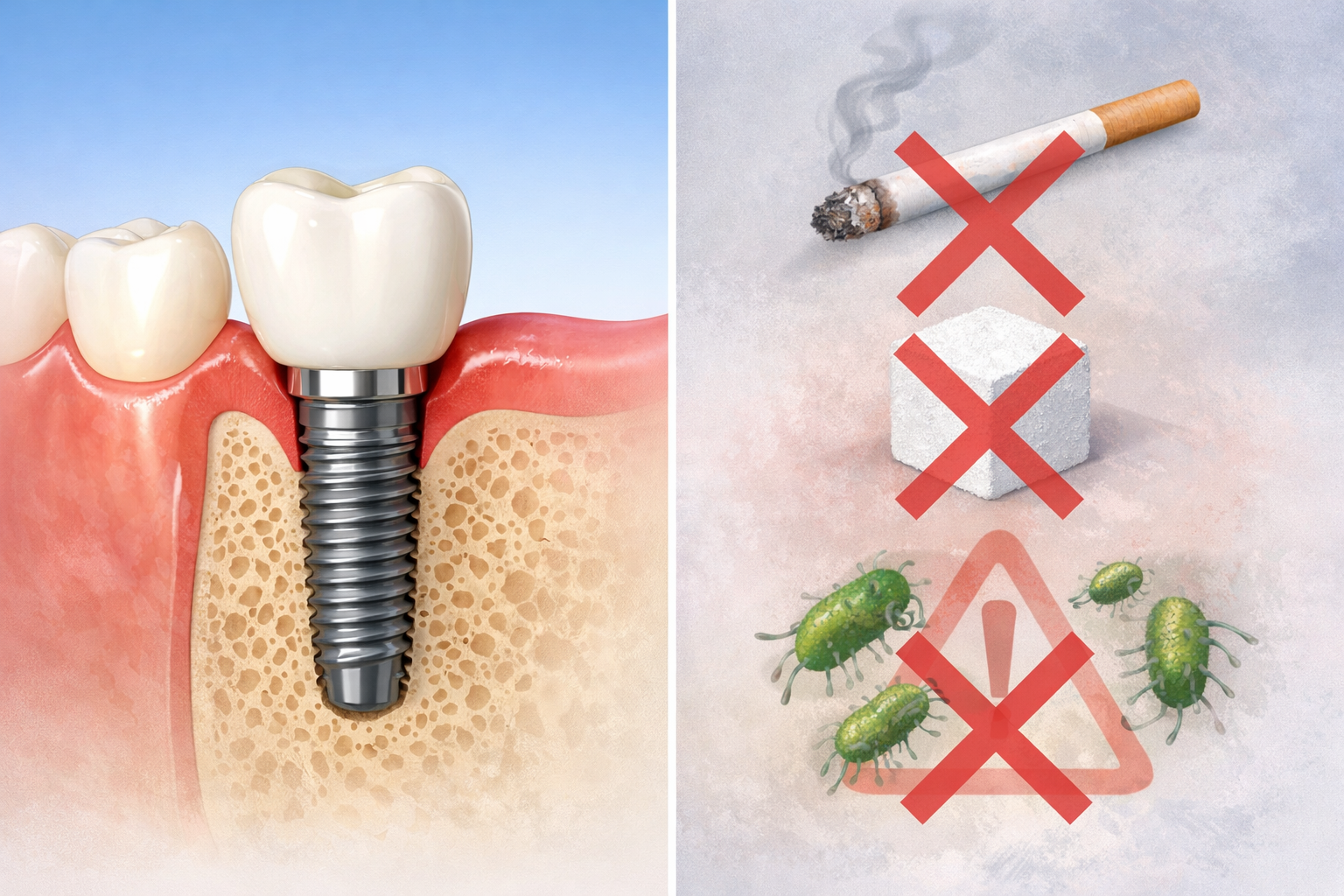
Early failure rates for dental implants remain low, typically 1–2% [2]. However, late failures, often due to gum and bone issues around the implant, can reach 5–10% in some reports [2]. This emphasizes that proper long-term maintenance is critical.
Common, Manageable Risks
- Infection at the Implant Site: This is the most common complication, typically managed with antibiotics and diligent oral hygiene.
- Nerve Damage: Though rare, this can occur if the implant is placed too close to a nerve, potentially causing numbness, tingling, or pain in the lips, gums, or tongue. Advanced 3D imaging helps prevent this by allowing precise placement [2].
- Sinus Issues: For implants placed in the upper jaw, especially toward the back, an implant can protrude into the sinus cavity, leading to inflammation or infection. Bone grafting procedures, like a sinus lift, are often performed beforehand to mitigate this. For details on bone graft costs, see Bone Graft Costs for Dental Implants in Dallas TX.
- Peri-implantitis: This is an inflammatory condition affecting the gum and bone tissue around the implant, similar to gum disease. It can lead to bone loss and, if untreated, implant failure. Peri-implantitis affects approximately 19.53% of patients at the patient level and 12.53% at the implant level [1]. It is crucial to address this early to prevent further complications, as detailed in our guide Can Dental Implants Get Infected Years Later?.
- Implant Failure to Osseointegrate: In some cases, the implant might not properly fuse with the jawbone. This can be due to poor bone quality, premature loading of the implant, or certain patient health factors.
Factors Increasing Risk
Certain patient characteristics and lifestyle choices can increase the risk of complications or implant failure:
- Smoking: Smokers face a 2–3 times higher risk of implant failure and peri-implant disease compared to non-smokers [2]. Smoking impairs healing and blood flow, which are vital for successful osseointegration. For resources, refer to Dallas TX Dental Implants for Smokers 2026.
- Diabetes: Uncontrolled diabetes can significantly impair healing and osseointegration, increasing early failure odds [1]. Patients with well-managed diabetes can still be candidates, but careful monitoring is essential.
- Poor Oral Hygiene: Inadequate brushing and flossing can lead to gum inflammation and peri-implantitis, jeopardizing the implant’s long-term stability [2].
- Certain Medications: Some medications, such as bisphosphonates (used for osteoporosis), can affect bone healing and may require special consideration.
- Radiation Therapy to the Head/Neck: Patients who have undergone radiation in these areas may have compromised bone healing.
- Bone Quality and Quantity: Insufficient or poor-quality jawbone (Type IV bone) can lead to higher failure rates, sometimes requiring bone grafting before implant placement [3]. Small implants (diameter less than 3.75mm, length less than 10mm) also tend to fail more frequently than larger ones [3].
It’s vital for patients considering dental implants in Dallas to have a thorough health evaluation and openly discuss their medical history and lifestyle with their dentist. This ensures the safest and most effective treatment plan.
How to Ensure Your Dental Implants in Dallas Are Safe and Successful
Ensuring the safety and long-term success of your dental implants involves a combination of choosing the right dental professional, meticulous treatment planning, and dedicated patient care both before and after the procedure.
Choosing a Qualified Professional for Your Dental Implant Procedure
The expertise of your dental team is paramount. Look for a dentist or oral surgeon in Dallas with extensive experience and specialized training in implant dentistry. This often includes periodontists, oral and maxillofacial surgeons, or general dentists who have completed advanced implantology courses. Ask about their credentials, experience with dental implant surgery, and patient testimonials. A highly qualified professional will: * Conduct a comprehensive oral examination and review your medical history. * Utilize advanced imaging, like 3D CBCT scans, for precise treatment planning. * Discuss all potential risks and benefits tailored to your specific situation. * Explain the entire dental implant procedure clearly, including sedation options if needed. Explore [Dental Implant Sedation Options Dallas](https://dallasdentalimplantcost.com/dental-implant-sedation-options-dallas-costs-safety-types-for-anxiety-free-procedures/) for more information.
Pre-Treatment Planning and Diagnostics
Before any surgery, thorough planning is essential to maximize safety and success. This involves: * **Comprehensive Assessment:** Evaluating your overall health, oral health, and identifying any conditions that might affect implant success (e.g., uncontrolled diabetes, severe gum disease). * **3D Imaging and Digital Planning:** AI-assisted 3D imaging (CBCT) enhances safety by allowing precise segmentation of critical structures, analyzing bone quality, and aiding in virtual implant placement [2]. This prevents complications by avoiding nerves and sinuses. * **Bone Grafting (if necessary):** If your jawbone lacks sufficient density or volume, a bone graft may be recommended to create a stable foundation for the implant. This step significantly improves long-term success rates. * **Treatment of Existing Oral Conditions:** Any active gum disease or decay must be treated before implant placement to create a healthy oral environment.
Post-Operative Care and Long-Term Maintenance
Your role in the recovery and long-term success of your dental implants is critical. * **Follow Post-Op Instructions:** Adhere strictly to your dentist’s instructions regarding medication, diet, and oral hygiene during the healing period. This is crucial for preventing infections and promoting proper osseointegration. For recovery insights, read [Dental Implant Recovery Complications Dallas](https://dentalimplantsdallastx.com/navigating-dental-implant-recovery-complications-in-dallas-a-comprehensive-guide-2/). * **Excellent Oral Hygiene:** Practice diligent brushing and flossing around your implants, just as you would with natural teeth. This prevents plaque buildup that can lead to peri-implantitis. * **Regular Dental Check-ups:** Consistent follow-up appointments with your Dallas dentist are vital for monitoring the health of your implants and surrounding tissues. High-risk patients may be placed on structured hygiene recall protocols 3–4 times per year [2]. * **Avoid Harmful Habits:** Refrain from smoking, excessive alcohol consumption, and chewing on hard objects, which can all compromise implant integrity.
By actively participating in your care and partnering with a reputable dental professional, you can significantly enhance the safety and longevity of your dental implants, enjoying a healthy, confident smile for many years.
FAQ: Are Dental Implants Safe?
Q1: What is the success rate of dental implants?
A1: Dental implants have a very high success rate, generally exceeding 97% across numerous large-scale studies [1]. Many implants last for 15-20 years or more with proper care [3].
Q2: Is dental implant surgery painful?
A2: Most patients report minimal discomfort during the dental implant procedure, thanks to local anesthesia and available sedation options. Post-operative pain is typically managed with over-the-counter pain relievers [2].
Q3: How long do dental implants typically last?
A3: With proper care and maintenance, dental implants can last a lifetime. Studies indicate a 10-year survival rate of 96.8% and many function well beyond 20 years [3].
Q4: Can my body reject a dental implant?
A4: True rejection is extremely rare because implants are made from biocompatible materials like titanium or zirconia. More commonly, an implant fails to integrate with the bone due to infection, insufficient bone, or poor healing [2].
Q5: What are the most common complications with dental implants?
A5: The most common, though still infrequent, complications include minor infection at the implant site or peri-implantitis (inflammation around the implant). Nerve damage or sinus issues are rarer and can often be prevented with advanced planning [2].
Q6: Who is not a good candidate for dental implants?
A6: Individuals with uncontrolled chronic diseases (like severe diabetes), heavy smokers, those undergoing radiation therapy to the head/neck, or patients taking certain medications (e.g., bisphosphonates) may not be ideal candidates due to increased risk of complications [1].
Q7: Are dental implants safe for seniors?
A7: Yes, dental implants are generally safe and highly successful for seniors, provided they are in good overall health and meet the necessary criteria for bone density and oral hygiene. Age itself is not a barrier to treatment. For more, see Dallas TX Dental Implants for Seniors 2026.
Q8: Does bone grafting make dental implants safer?
A8: Yes, if you have insufficient jawbone, a bone graft creates a stronger, more stable foundation for the implant, which significantly improves the safety and success rate of the procedure.
Q9: How can I reduce the risks associated with dental implants?
A9: You can reduce risks by choosing an experienced implant specialist, maintaining excellent oral hygiene, following all post-operative instructions, and attending regular dental check-ups [2].
Conclusion
The question, “are dental implants safe?”, can be confidently answered with a resounding yes. With an impressive success rate and decades of proven results, dental implants stand as one of the most reliable and effective solutions for missing teeth available in 2026. While no surgical procedure is entirely without risk, the potential for complications is low and largely manageable, especially when handled by an experienced professional.
For residents in Dallas, choosing a qualified dental implant specialist who utilizes advanced technology and adheres to meticulous planning and execution protocols is key to ensuring a safe and successful outcome. By committing to diligent oral hygiene and regular follow-up care, you can expect your dental implants to provide a stable, aesthetic, and functional tooth replacement for many years to come, contributing significantly to your long-term oral health. We encourage you to schedule a consultation with a dentist to discuss your specific needs and determine if dental implants are the right choice for you.
References
[1] Dental Implant Statistics – https://www.dsmcosmeticdentist.com/dental-implant-statistics/
[2] Dental Implant Risks Complications In 2026 – https://www.oceanicdental.com/resource/dental-implant-risks-complications-in-2026
[3] Dental Implant Failure Rates What The Research Actually Says And What It Means For You – https://biteclubchi.com/dental-implant-failure-rates-what-the-research-actually-says-and-what-it-means-for-you/
[4] Pmc6854267 – https://pmc.ncbi.nlm.nih.gov/articles/PMC6854267/
Leave a Reply
Share your thoughts or ask a question about dental implants. Your email address will not be published.