

When you lose a permanent tooth as an adult, it can feel alarming and overwhelming. Unlike childhood, when losing a tooth meant a visit from the tooth fairy, adult teeth falling out signals a serious dental health concern that requires immediate attention. The good news? With proper understanding and prompt action, you can protect your remaining teeth and restore your smile with confidence.
Key Takeaways
- Adult tooth loss is often preventable with proper oral hygiene and regular dental care
- Gum disease and tooth decay are the leading causes of tooth loss in adults
- Immediate action is crucial when a permanent tooth falls out to maximize treatment success
- Multiple replacement options exist, including dental implants, bridges, and dentures
- Regular dental visits and good oral hygiene practices can prevent most cases of tooth loss
Understanding Adult Teeth Falling Out: The Reality of Permanent Tooth Loss
When we talk about adult teeth falling out, we’re addressing one of the most common dental concerns affecting millions of Americans. According to the National Health and Nutrition Examination Survey, tooth loss in adults remains a significant public health issue, with older adults being particularly affected.
Permanent teeth are designed to last a lifetime, but various factors can compromise their stability and health. Unlike baby teeth that naturally fall out to make room for permanent teeth, when an adult tooth becomes loose or falls out, it indicates underlying dental problems that need immediate professional attention.
The psychological impact of losing a tooth as an adult extends beyond just the physical gap in your smile. Many patients experience decreased confidence, difficulty eating favorite foods, and concerns about their appearance in social and professional settings.
Leading Causes of Tooth Loss in Adults
Gum Disease: The Silent Destroyer
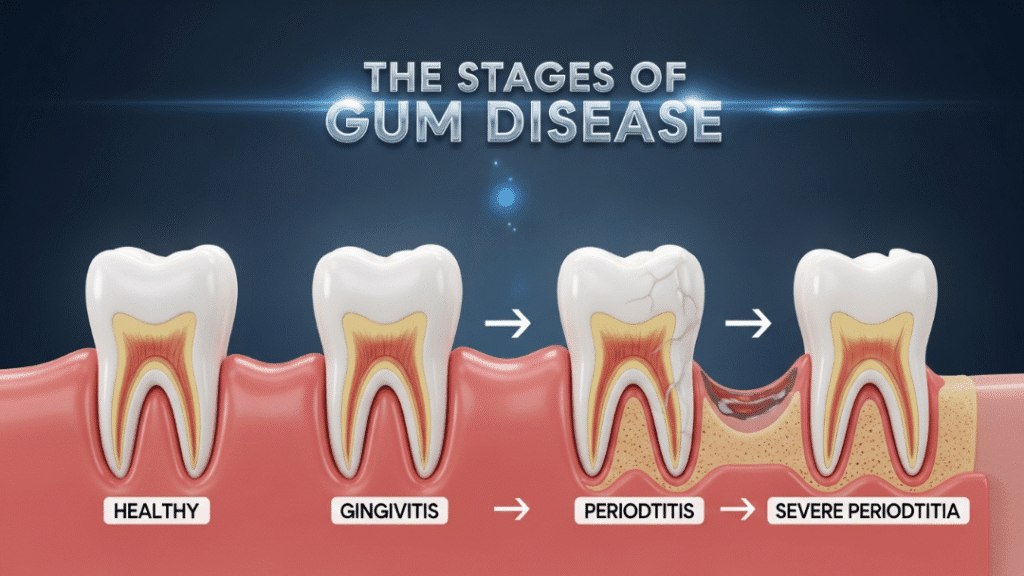
Gum disease stands as one of the leading causes of tooth loss among adults aged 35 and older. This progressive condition begins with gingivitis—inflammation of the gums caused by bacterial plaque buildup. When left untreated, it advances to periodontitis, where bacteria attack the tissues and bone supporting your teeth.
The progression typically follows this pattern:
- Gingivitis: Red, swollen, bleeding gums
- Early periodontitis: Gums begin pulling away from teeth
- Advanced periodontitis: Severe bone loss, loose teeth, eventual tooth loss
Tooth Decay and Cavities
Untreated tooth decay remains a primary cause of tooth loss across all age groups. When bacteria in your mouth feed on sugars and starches, they produce acids that attack tooth enamel. Over time, this process creates cavities that can penetrate deep into the tooth structure.
Untreated cavities can lead to:
- Root infections
- Abscesses
- Complete tooth destruction
- Need for extraction
Dental Trauma and Accidents
Physical trauma from sports injuries, accidents, or falls can cause immediate tooth loss or damage that eventually leads to tooth loss. Even minor trauma can damage the tooth’s root or blood supply, potentially causing the tooth to die months or years later.
Other Contributing Factors
Several additional factors contribute to tooth loss in adults:
- Teeth grinding (bruxism) that wears down tooth structure
- Poor oral hygiene practices
- Smoking and tobacco use
- Diabetes and other systemic diseases
- Certain medications that affect oral health
- Genetic predisposition to dental problems
Immediate Steps When an Adult Tooth Falls Out
If you lose a tooth as an adult, taking immediate action can make the difference between successful reimplantation and permanent tooth loss. Here’s what you should do:
First 30 Minutes Are Critical
- Find the tooth and handle it only by the crown (chewing surface)
- Rinse the tooth gently with milk or saline solution—never scrub it
- Place the tooth back in its socket if possible, or store it in milk
- Get to the dentist immediately—time is crucial for successful reimplantation
Emergency Dental Care
Visit your dentist or emergency dental clinic within 30 minutes for the best chance of saving the tooth. Even if reimplantation isn’t possible, prompt professional care can prevent complications and begin planning for tooth replacement.
Preventing Tooth Loss: Protecting Your Permanent Teeth
The majority of adult tooth loss cases are preventable with proper care and attention. Here’s how you can protect your teeth and maintain excellent oral health:
Essential Oral Hygiene Practices
Good oral hygiene forms the foundation of tooth retention:
- Brush and floss daily using proper technique
- Use fluoride toothpaste to strengthen enamel
- Consider antimicrobial mouthwash for additional protection
- Replace your toothbrush every 3-4 months
Regular Professional Care
Regular dental visits allow for early detection and treatment of problems before they lead to tooth loss:
- Schedule cleanings every six months
- Get comprehensive dental exams annually
- Address dental issues promptly when they arise
- Consider preventive treatments like sealants
Lifestyle Factors
Several lifestyle choices significantly impact your oral health:
- Avoid tobacco products
- Limit sugary and acidic foods and beverages
- Wear a mouthguard during sports
- Manage stress to reduce teeth grinding
- Maintain overall health through proper nutrition
🦷 Tooth Loss Risk Assessment
Treatment Options for Missing Teeth
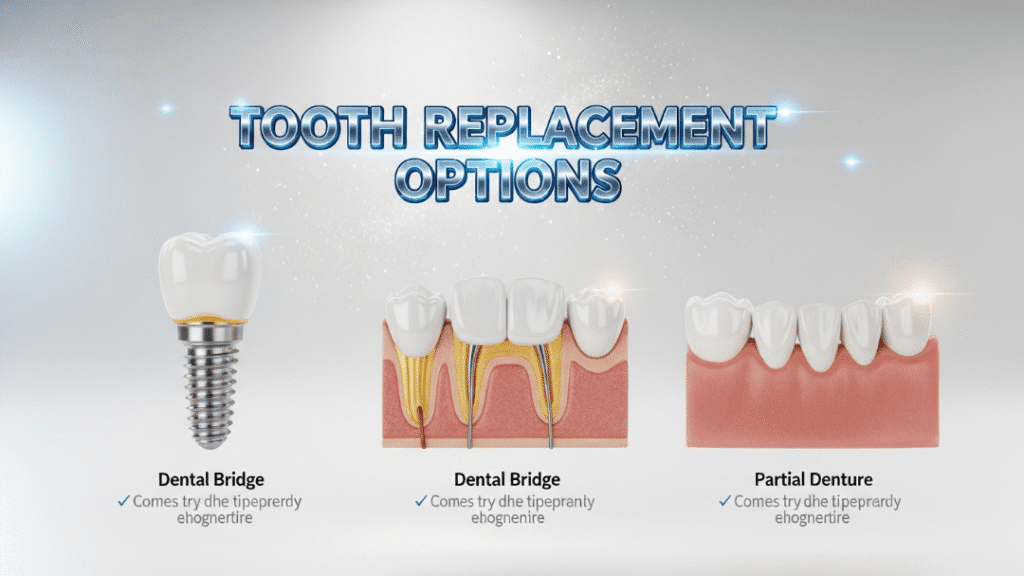
When tooth loss occurs, several effective replacement options can restore both function and aesthetics to your smile. The choice depends on factors like the number of missing teeth, bone health, and personal preferences.
Dental Implants: The Gold Standard
Dental implants represent the most advanced solution for replacing missing teeth. This treatment involves placing a titanium post into the jawbone, which serves as an artificial tooth root.
Benefits of dental implants:
- Look and feel like natural teeth
- Preserve jawbone structure
- Don’t affect adjacent teeth
- Can last a lifetime with proper care
The osseointegration process allows the implant to fuse with your natural bone, creating a stable foundation for the replacement tooth. After healing, an abutment placement connects the implant to the final restoration.
Mini Dental Implants
For patients with limited bone density or those seeking a less invasive option, mini dental implants offer an excellent alternative. These smaller-diameter implants can often be placed without extensive bone grafting procedures.
Dental Bridges
A dental bridge literally bridges the gap created by one or more missing teeth. This option involves crowning the teeth adjacent to the gap and connecting them with a replacement tooth.
Dentures
For multiple teeth loss or complete tooth loss, dentures provide a removable solution that can restore basic function and appearance. Modern dentures are more comfortable and natural-looking than ever before.
The Impact of Missing Teeth on Overall Health
Tooth loss affects much more than just your smile. Missing teeth can significantly impact your overall health and quality of life in several ways:
Nutritional Consequences
When you lose teeth, your ability to chew effectively becomes compromised. This often leads to:
- Avoiding healthy foods like fruits and vegetables
- Poor digestion due to inadequate chewing
- Nutritional deficiencies
- Digestive problems
Bone Loss and Facial Changes
Without tooth roots to stimulate the jawbone, bone loss begins almost immediately after tooth extraction. This process can:
- Change facial structure
- Create a sunken appearance
- Affect speech patterns
- Compromise remaining teeth
Social and Psychological Effects
The psychological impact of missing teeth shouldn’t be underestimated:
- Decreased self-confidence
- Social withdrawal
- Professional limitations
- Reduced quality of life
Special Considerations for Older Adults
Tooth loss among older adults presents unique challenges and considerations. While aging doesn’t automatically mean losing teeth, certain factors make older adults more susceptible to tooth loss:
Age-Related Risk Factors
- Decreased saliva production
- Medication side effects
- Cumulative effects of wear and tear
- Systemic diseases like diabetes
- Reduced dexterity for oral hygiene
Maintaining Oral Health as You Age
Older adults can take specific steps to keep your teeth healthy:
- Adapt oral hygiene tools for easier use
- Stay hydrated to combat dry mouth
- Visit the dentist regularly for monitoring
- Manage systemic health conditions
- Consider specialized dental products
Emergency Situations: When to Seek Immediate Care
Certain situations involving adult teeth falling out require immediate professional attention:
Dental Emergencies
- Tooth knocked out due to trauma
- Severe tooth pain with swelling
- Loose teeth after an accident
- Signs of dental abscess
- Uncontrolled bleeding from tooth socket
Finding Emergency Dental Care
When facing a dental emergency:
- Contact your regular dentist first
- Visit an emergency dental clinic
- Go to a hospital emergency room if facial swelling occurs
- Keep the tooth moist if it’s been knocked out
Advanced Prevention Strategies
Beyond basic oral hygiene, several advanced strategies can help prevent tooth loss:
Professional Preventive Treatments
- Deep cleanings for gum disease prevention
- Fluoride treatments to strengthen enamel
- Dental sealants for cavity prevention
- Custom night guards for teeth grinding
- Regular oral cancer screenings
Technology in Prevention
Modern dentistry offers advanced tools for early detection:
- Digital X-rays for detailed imaging
- Laser therapy for gum disease treatment
- Intraoral cameras for better visualization
- Computer-aided diagnosis systems
The Economics of Tooth Loss Prevention
Investing in preventive care proves far more cost-effective than treating tooth loss after it occurs. Consider these economic factors:
Cost Comparison
- Regular cleanings and checkups: $200-400 annually
- Dental implant costs: $3,000-5,000 per tooth
- Full mouth reconstruction: $20,000-50,000+
Insurance Considerations
Most dental insurance plans emphasize prevention by covering:
- Regular cleanings at 100%
- Basic restorative work at 70-80%
- Major procedures at 50%
Living with Dental Implants: Long-term Success
For patients who choose dental implants to replace missing teeth, understanding long-term care ensures lasting success:
Implant Maintenance
- Use appropriate toothpaste for implants
- Clean with interdental brushes designed for implants
- Monitor for signs of complications
- Maintain regular dental visits
Potential Complications
While rare, complications can occur:
- Loose implants after years of service
- Infection around the implant site
- Mechanical issues with restorations
Patients often experience significant improvements in their quality of life two months after All-on-4 implants, with continued improvement over time.
Conclusion: Taking Control of Your Dental Health
Adult teeth falling out doesn’t have to be an inevitable part of aging. With proper understanding, preventive care, and prompt treatment when problems arise, you can keep your teeth healthy for life. The key lies in taking proactive steps now to protect your oral health and address any issues before they lead to tooth loss.
Remember that losing a permanent tooth as an adult requires immediate professional attention. Whether you’re dealing with current tooth loss or working to prevent tooth loss in the future, partnering with a qualified dentist ensures you receive the expert care your smile deserves.
Your journey to maintaining healthy teeth and preventing tooth loss starts with a single step: scheduling your next dental appointment. Don’t wait until problems develop—invest in your oral health today for a lifetime of confident smiles.
If you’re in the Dallas area and concerned about tooth loss or need expert dental implant care, our experienced team is here to help you restore your smile and confidence with personalized treatment plans designed for your unique needs.
Leave a Reply
Share your thoughts or ask a question about dental implants. Your email address will not be published.