

Imagine biting into your favorite Dallas BBQ without a second thought—no pain, no worry, just pure enjoyment. That’s the life-changing promise of an abutment supported porcelain/ceramic crown, a sophisticated dental restoration that’s helping thousands of patients across Dallas restore their smiles with confidence.
If you’re considering this dental procedure, you’re likely wondering what exactly makes these crowns different from traditional options. An abutment supported crown represents the gold standard in modern dentistry, combining the stability of a dental implant with the natural beauty of porcelain or ceramic materials.
Key Takeaways
- Abutment supported porcelain/ceramic crowns combine a custom abutment with a ceramic crown for optimal function and aesthetics
- The D6058 CDT code covers this procedure, which includes both the implant-supported crown and abutment crown components
- Zirconia abutments paired with ceramic crowns offer superior strength and natural appearance compared to metal alternatives
- Proper care and maintenance can make these restorations last 15-25 years or more
- The two-piece design allows for better customization and easier future maintenance than one-piece alternatives
What is an Abutment Supported Porcelain/Ceramic Crown?
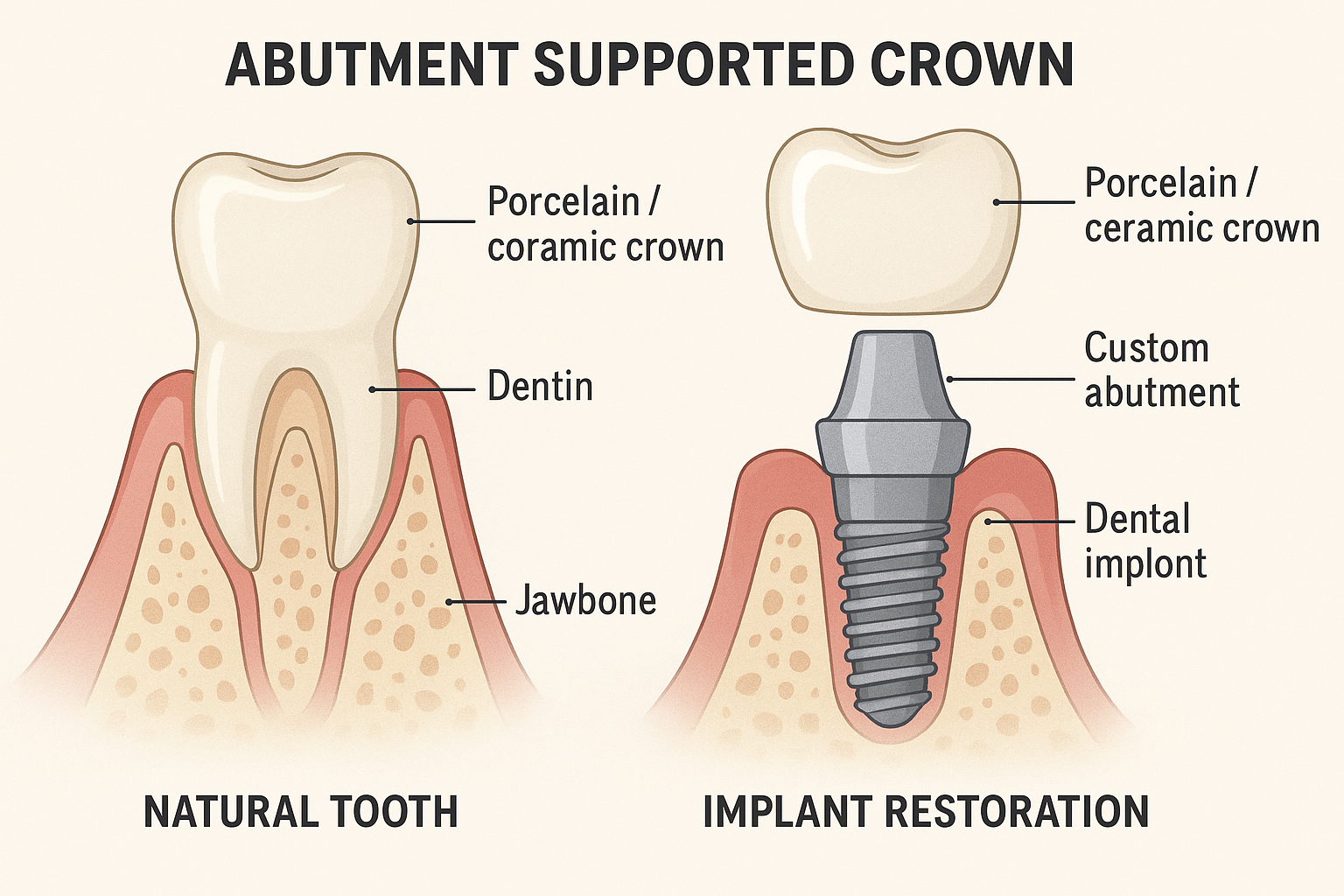
An abutment supported porcelain/ceramic crown is a two-part dental restoration system that replaces a single missing tooth. This sophisticated prosthetic consists of a custom abutment that connects to your dental implant, topped with a beautiful porcelain or ceramic crown that mimics the appearance of your natural teeth.
Unlike traditional dental bridges that rely on surrounding teeth for support, this implant-supported crown stands independently. The abutment serves as the crucial link between your implant body (surgically placed in your jawbone) and the visible crown portion of the restoration.
The Two-Component System
The Custom Abutment: This titanium or zirconia component screws directly into your dental implant. Think of it as the foundation that will support your new tooth. The abutment is placed at gum level and shaped to perfectly support your crown.
The Ceramic Crown: Made from high-quality porcelain or ceramic materials, this crown is designed to look and function like a natural tooth. It’s custom-made to match your existing teeth in color, shape, and size.
Understanding CDT Code D6058
When you receive treatment estimates, you’ll likely see D6058 listed on your claim form. This CDT code specifically covers an “abutment-supported crown” and represents one of the most comprehensive single crown restoration options available in modern dentistry.
The D6058 code differs from other implant crown codes like D6056 (prefabricate abutment) and D6057 (custom abutment) because it encompasses the complete restoration—both the abutment and crown components together.
Insurance and Reimbursement Considerations
Most dental insurance plans recognize D6058 as a major restorative procedure. However, coverage varies significantly between providers. The comprehensive nature of this restoration often means better long-term value, even if initial costs seem higher than alternatives.
Materials: Porcelain vs. Ceramic vs. Zirconia
Porcelain Crowns
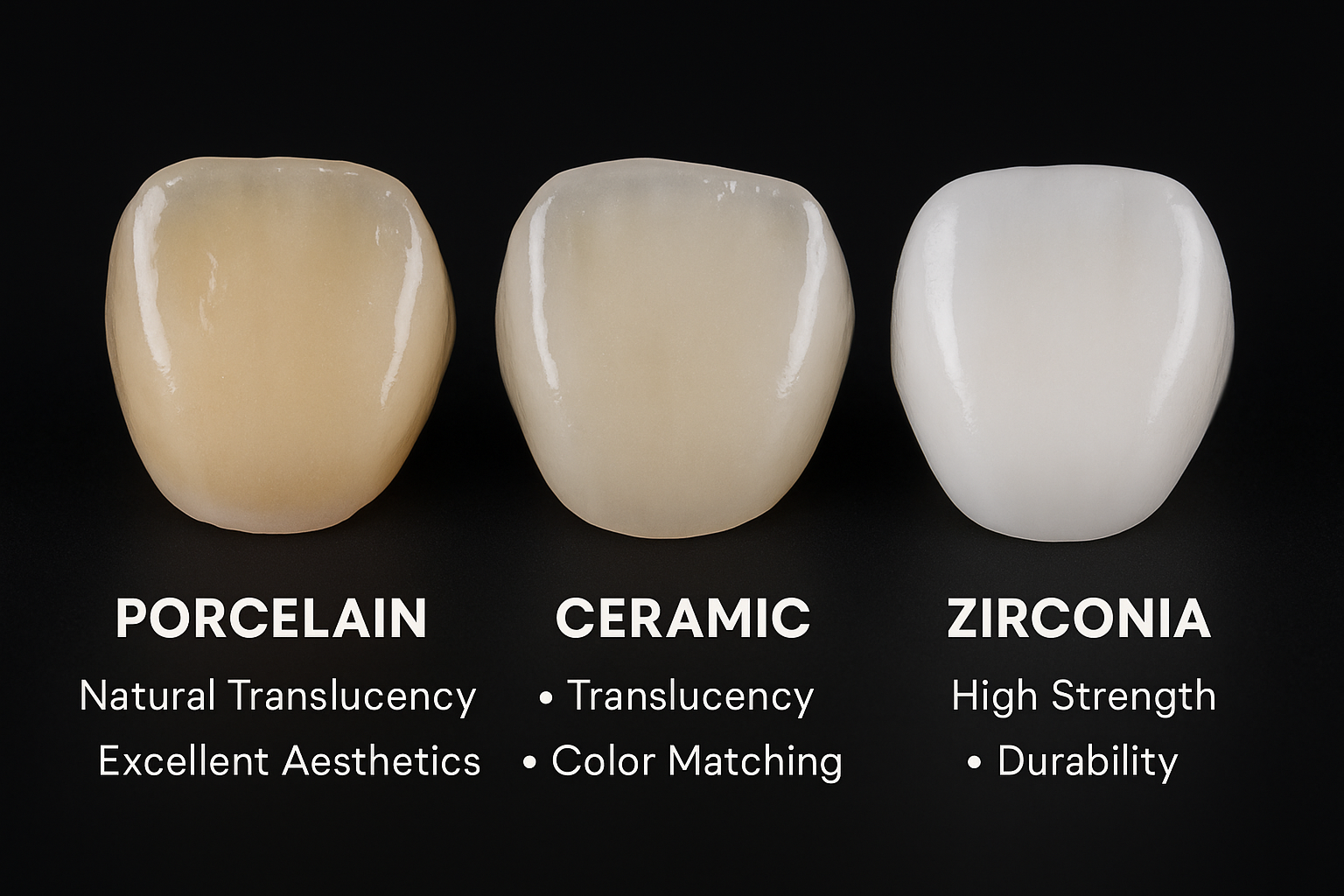
Traditional porcelain offers excellent esthetic properties and has been used successfully for decades. Porcelain crowns provide a natural look and can be precisely color-matched to your surrounding teeth.
Ceramic Crown Options
Modern ceramic materials, including lithium disilicate and advanced composites, offer improved strength while maintaining beautiful aesthetics. These materials bond well to abutments and resist staining better than some alternatives.
Zirconia: The Premium Choice
Zirconia abutments paired with zirconia crowns represent the cutting edge of dental restoration technology. This material offers:
- Superior strength: Nearly unbreakable under normal chewing forces
- Biocompatibility: Excellent tissue response and gum health
- Esthetic excellence: Natural translucency that mimics tooth enamel
- Longevity: Exceptional durability for long-lasting results
The Treatment Process: What to Expect
Initial Consultation and Planning
Your journey begins with a comprehensive evaluation. Using advanced imaging technology, your dentist will assess your jawbone density, gum health, and overall oral condition. This planning phase ensures your implant-supported crown will integrate seamlessly with your smile.
Implant Placement
If you don’t already have a dental implant in place, this surgical procedure involves placing the titanium implant body into your jawbone. The implant serves as an artificial tooth root, providing the stable foundation your restoration needs.
Healing and Integration
After implant placement, your jawbone needs time to integrate with the titanium surface—a process called osseointegration. This typically takes 3-6 months and is crucial for long-term success.
Abutment Placement
Once your implant has fully integrated, your dentist will place the custom abutment. This component is precisely fitted to ensure optimal crown support and gum health. The abutment is placed at the ideal angle and height for your specific restoration.
Crown Fabrication and Placement
Your ceramic crown is custom-made in a dental laboratory using impressions or digital scans of your mouth. When ready, the crown is typically cemented onto the abutment, though some cases may use screw-retained attachment methods.
💰 Abutment Supported Crown Cost Calculator
Advantages of Abutment Supported Crowns
Superior Stability and Function
Unlike removable dentures or traditional bridges, an implant-supported crown offers unmatched stability. The abutment creates a secure connection that allows you to eat, speak, and smile with complete confidence. You’ll be able to bite into foods that might have been challenging with missing teeth or less stable restorations.
Bone Preservation
When you lose a tooth, your jawbone begins to deteriorate due to lack of stimulation. A dental implant with an abutment supported crown provides the necessary stimulation to maintain healthy bone density, preventing the facial collapse that can occur with missing teeth.
Esthetic Excellence
Modern porcelain and ceramic materials can be virtually indistinguishable from natural teeth. Your crown is designed to match the exact color, translucency, and surface texture of your surrounding teeth, creating a seamless, natural look.
Longevity and Value
With proper care, an abutment supported porcelain/ceramic crown can last 15-25 years or more. This longevity makes it an excellent investment compared to alternatives that may need frequent replacement or adjustment.
Comparing Attachment Methods: Cement vs. Screw-Retained
Cement-Retained Crowns
Most abutment supported crowns use dental cement for attachment. This method offers:
- Better esthetics: No visible screw holes
- Easier fabrication: Simpler laboratory procedures
- Passive fit: Reduces stress on implant components
- Cost-effective: Generally less expensive than screw-retained options
Screw-Retained Alternatives
Some cases benefit from screw-retained crowns, which attach directly to the implant:
- Retrievability: Easy removal for maintenance
- Better for posterior teeth: Ideal where esthetics are less critical
- Easier cleaning: No cement residue concerns
Your dentist will recommend the best attachment method based on your specific situation, implant position, and esthetic requirements.
Caring for Your Abutment Supported Crown
Daily Maintenance
Maintaining your implant-supported crown requires good oral hygiene habits similar to caring for natural teeth:
- Brush twice daily with a soft-bristled toothbrush and the best toothpaste for implants
- Use interdental brushes specifically designed for implants to clean around the abutment
- Floss daily with implant-safe floss or water flossers
- Avoid abrasive materials that could scratch the crown surface
Professional Care
Regular dental checkups are crucial for long-term success. During these visits, your dentist will:
- Check the integrity of the crown and abutment
- Assess gum health around the implant
- Professional cleaning to remove plaque and tartar
- Monitor for any signs of complications
Learn more about how often you need dental implant checkups to maintain optimal health.
Signs to Watch For
While abutment supported crowns are highly reliable, be aware of these warning signs:
- Clicking noises when chewing (learn about dental implant clicking noise)
- Looseness or movement in the crown
- Persistent gum irritation or swelling
- Changes in bite or crown position
Potential Complications and Solutions
Crown Issues
Chipping or Cracking: While rare with high-quality ceramic materials, chips can sometimes occur. Minor chips can often be polished, while larger damage may require crown replacement.
Color Changes: Quality porcelain and ceramic crowns resist staining, but poor oral hygiene or certain foods can cause discoloration over time.
Abutment Concerns
Loosening: Occasionally, an abutment may become loose. This is typically a simple fix that involves retightening the abutment screw during a routine visit.
Gum Recession: Changes in gum levels around the abutment can affect esthetics but don’t necessarily indicate failure.
Implant-Related Issues
Peri-implantitis: This inflammatory condition affects the tissues around implants. Prevention through good oral hygiene and regular checkups is key.
If you experience any signs that your dental implant may be loose after years, contact your dentist promptly for evaluation.
Cost Considerations and Insurance Coverage
Investment Breakdown
The cost of an abutment supported porcelain/ceramic crown typically includes:
- Abutment fabrication: $400-$800
- Crown creation: $1,200-$2,000
- Laboratory fees: Included in crown cost
- Dentist fees: Varies by location and complexity
Insurance and Financing
Many dental insurance plans provide partial coverage for implant crowns under major restorative benefits. The D6058 code helps ensure proper claim processing. However, coverage limitations and waiting periods may apply.
For patients seeking affordable implant options in Dallas, many practices offer financing plans to make treatment more accessible.
Long-Term Value
While the initial investment may seem significant, consider the long-term value:
- Durability: 15-25+ year lifespan with proper care
- No damage to adjacent teeth: Unlike bridges
- Improved quality of life: Confident eating and speaking
- Bone preservation: Prevents costly future complications
Special Considerations and Advanced Topics
MRI Compatibility
Patients often wonder about medical imaging compatibility. Modern dental implants and abutments are typically MRI-safe, though they may cause some image distortion. Learn more about having an MRI with dental implants to understand what to expect.
Nutritional Support
Proper healing and long-term implant health can benefit from appropriate nutrition. Vitamin supplements may support bone health and tissue healing around your implant.
Maintenance Costs
Understanding dental implant maintenance costs in Dallas helps you budget for long-term care and ensures your investment remains protected.
Alternative Crown Materials and Future Innovations
Emerging Materials
The field of dental materials continues to evolve:
- Hybrid ceramics: Combining strength and esthetics
- Metal-free zirconia: Eliminating any metal components
- Bioactive materials: Promoting tissue health and integration
Digital Dentistry Integration
Modern practices increasingly use digital workflows:
- CAD/CAM technology: Computer-designed crowns
- Digital impressions: More comfortable than traditional molds
- Same-day options: Some crowns can be completed in a single visit
Personalized Treatment Planning
Advanced software helps dentists plan optimal abutment positioning and crown design, ensuring the best possible functional and esthetic outcomes for each patient.
Making the Decision: Is an Abutment Supported Crown Right for You?
Ideal Candidates
You may be an excellent candidate for an abutment supported porcelain/ceramic crown if you:
- Have a single missing tooth with adequate bone support
- Desire a permanent, non-removable solution
- Want to preserve adjacent healthy teeth
- Seek the most natural-looking restoration possible
- Are committed to excellent oral hygiene
Consultation Process
Your journey begins with a comprehensive evaluation at our Dallas dental implant practice. During this consultation, we’ll:
- Assess your oral health and bone density
- Discuss your esthetic goals and preferences
- Review treatment options and timelines
- Provide detailed cost estimates and financing options
- Answer all your questions about the procedure
Timeline Expectations
The complete process typically takes 3-6 months, depending on your specific situation:
- Consultation and planning: 1-2 weeks
- Implant placement (if needed): Same day
- Healing period: 3-6 months for osseointegration
- Abutment and crown placement: 2-3 weeks
Conclusion: Restore Your Smile with Confidence
An abutment supported porcelain/ceramic crown represents the pinnacle of modern restorative dentistry, offering unmatched stability, natural beauty, and long-lasting results. This sophisticated two-piece system—combining a custom abutment with a beautiful ceramic crown—provides the closest thing to having your natural tooth back.
Whether you’re dealing with a recent tooth loss or considering replacing an existing restoration, this treatment option offers life-changing benefits that extend far beyond just filling a gap in your smile. The combination of advanced materials like zirconia abutments and high-quality ceramic crowns ensures both durability and esthetics that will serve you well for decades to come.
Your Next Steps
Ready to explore how an abutment supported crown can transform your smile? Here’s what to do next:
- Schedule a consultation to discuss your specific needs and goals
- Review your insurance benefits and explore financing options
- Ask questions about the procedure, timeline, and expected outcomes
- Commit to excellent oral hygiene to ensure long-term success
Remember, investing in your oral health is investing in your overall quality of life. With proper care, your new crown will provide years of confident smiles, comfortable eating, and improved self-esteem.
Don’t let a missing tooth hold you back from living your best life. Contact our Dallas team today to begin your journey toward a complete, confident smile that you’ll be proud to show off for years to come.
Leave a Reply
Share your thoughts or ask a question about dental implants. Your email address will not be published.